Top 6 Natural Monuments around Aberlemno
Natural monuments around Aberlemno offer diverse experiences, from geological formations to significant wildlife habitats. The area in Angus, Scotland, features natural elevations and coastal erosion sites. These natural features provide opportunities for exploration and observation of local ecosystems. Visitors can discover unique landscapes and important conservation areas within the region.
Best natural monuments around Aberlemno
- The most popular natural monuments is White Caterthun Climb, a climb that involves an ascent of 113 meters over just over 1 kilometer. At…
Last updated: October 17, 2026
The Dunnichen Stone and Battle of Nechtansmere Memorial
Highlight • Historical Site
Tip by

Montrose Basin Wildlife Centre
Highlight • Natural Monument
An important place for migratory birds to roost and feed, the tidal basin …
Tip by

Sign up now to discover places like this
Get recommendations on the best single tracks, peaks, & plenty of other exciting outdoor places.
Elephant Rock Arch, Boddin Point
Highlight • Natural
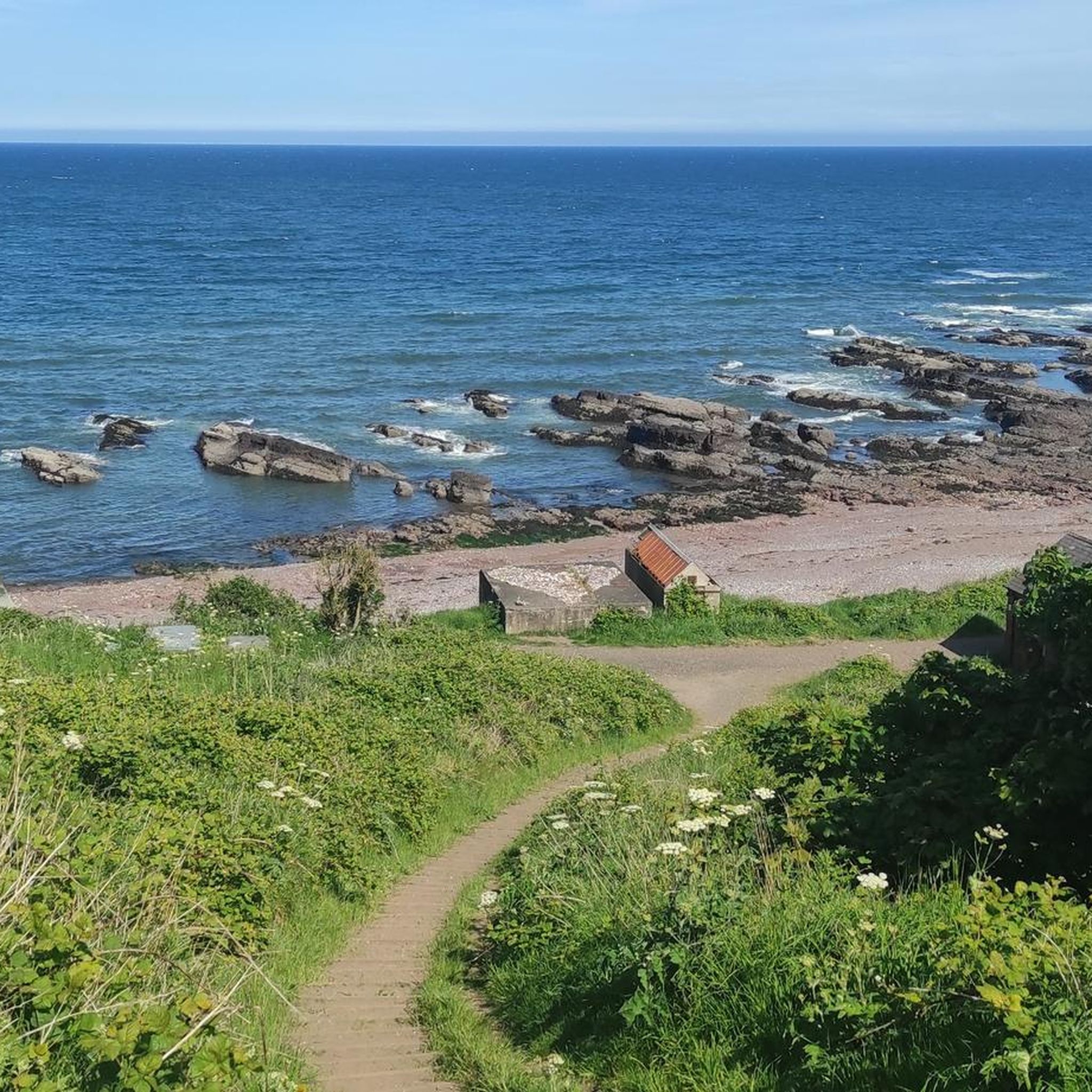
The arch has been sculptured by the sea for thousands of year, and has taken up the shape of an elephant, standing, looking out over the North Sea.
Tip by

White Caterthun Climb
Highlight (Segment) • Climb
Tip by
Wigeon Hide
Highlight • Natural Monument
The hide offers uninterrupted views over the nature reserve, and provides excellent opportunities for spotting the diverse range of birds the reserve is home to.
Tip by
Sign up for free to discover even more natural monuments around Aberlemno.
Already have an account?
Start today with a free account
Your next adventure awaits.
Tips from the Community

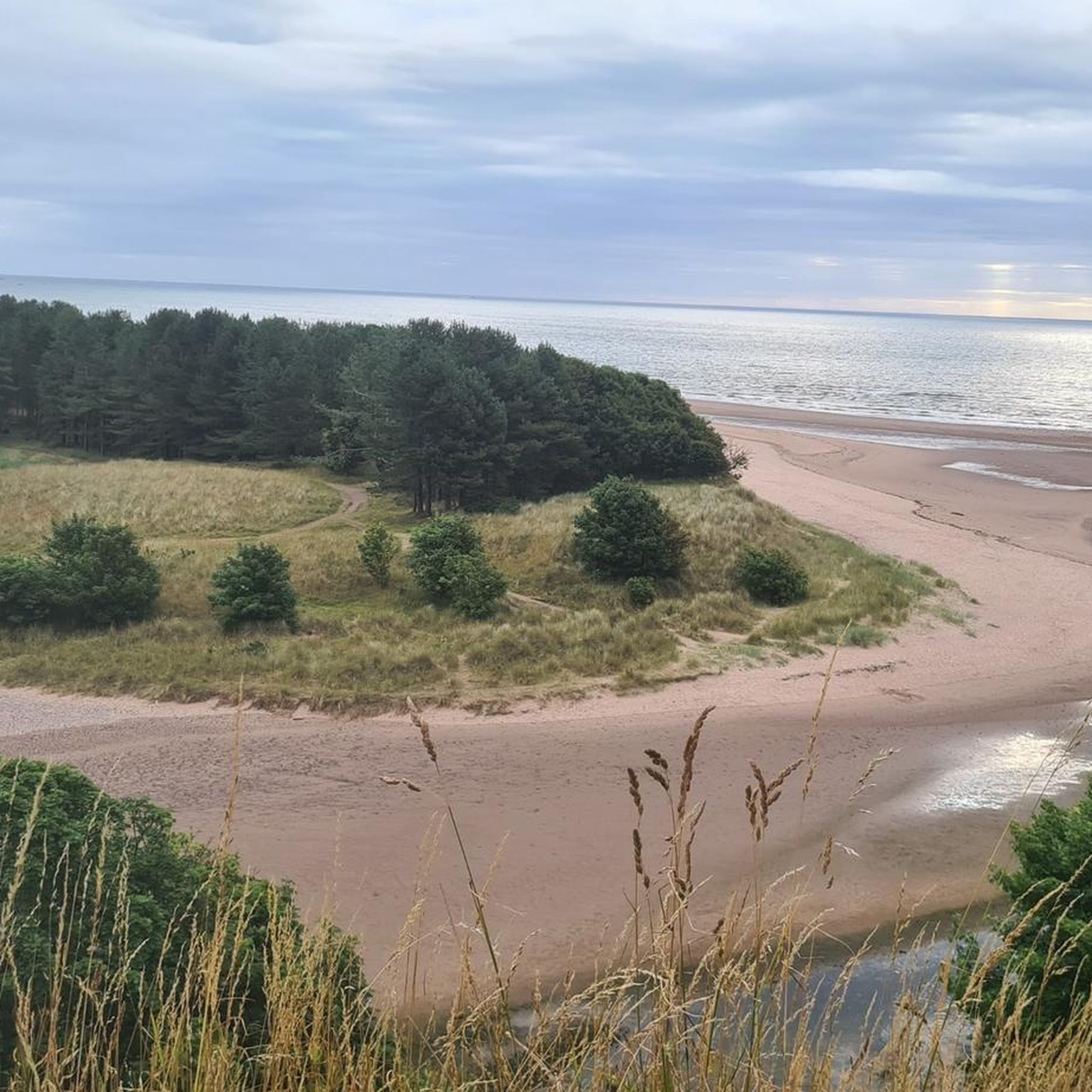
A naturally formed, volcanic rock arch, just off Boddin Point. The arch has been sculptured by the sea for thousands of year, and has taken up the shape of an elephant, standing, looking out over the North Sea.
0
0
A Purpose built bird-watching hide built on an elevated structure. The hide offers uninterrupted views over the nature reserve, and provides excellent opportunities for spotting the diverse range of birds the reserve is home to.
0
0

This stone, along with the nearby Aberlemno stones is thought to have been carved to depict the battle of Battle of Dun Nechtain. This happened around AD 680 and commemorated a decisive victory of the Picts over the Northumbrians. There is debate over where the battle actually took place, it was thought to be here, but evidence suggests that it may have actually been further north. Today you can visit this standing stone and create a loop to also visit Aberlemno. It's a nice ride from Forfar.
1
0
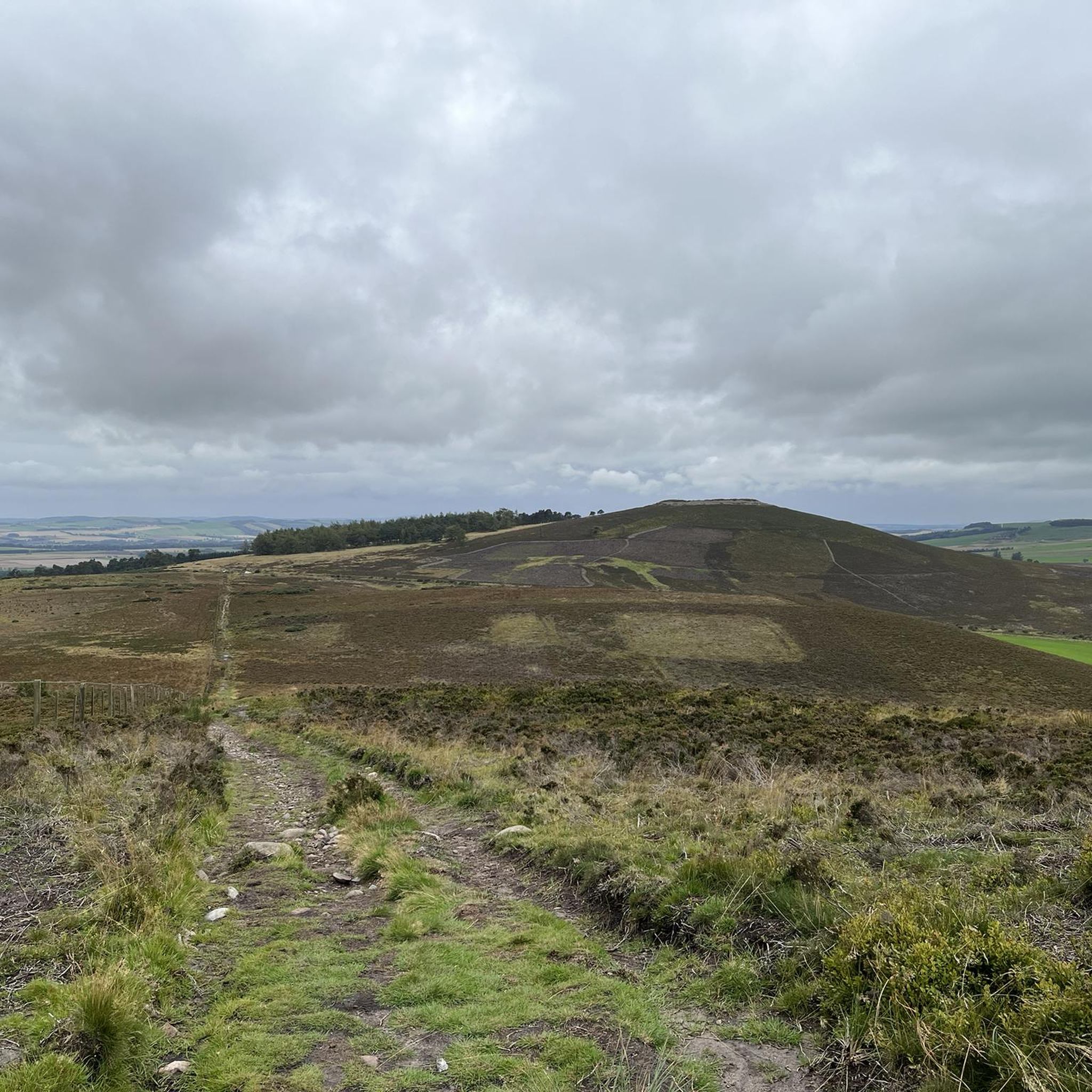
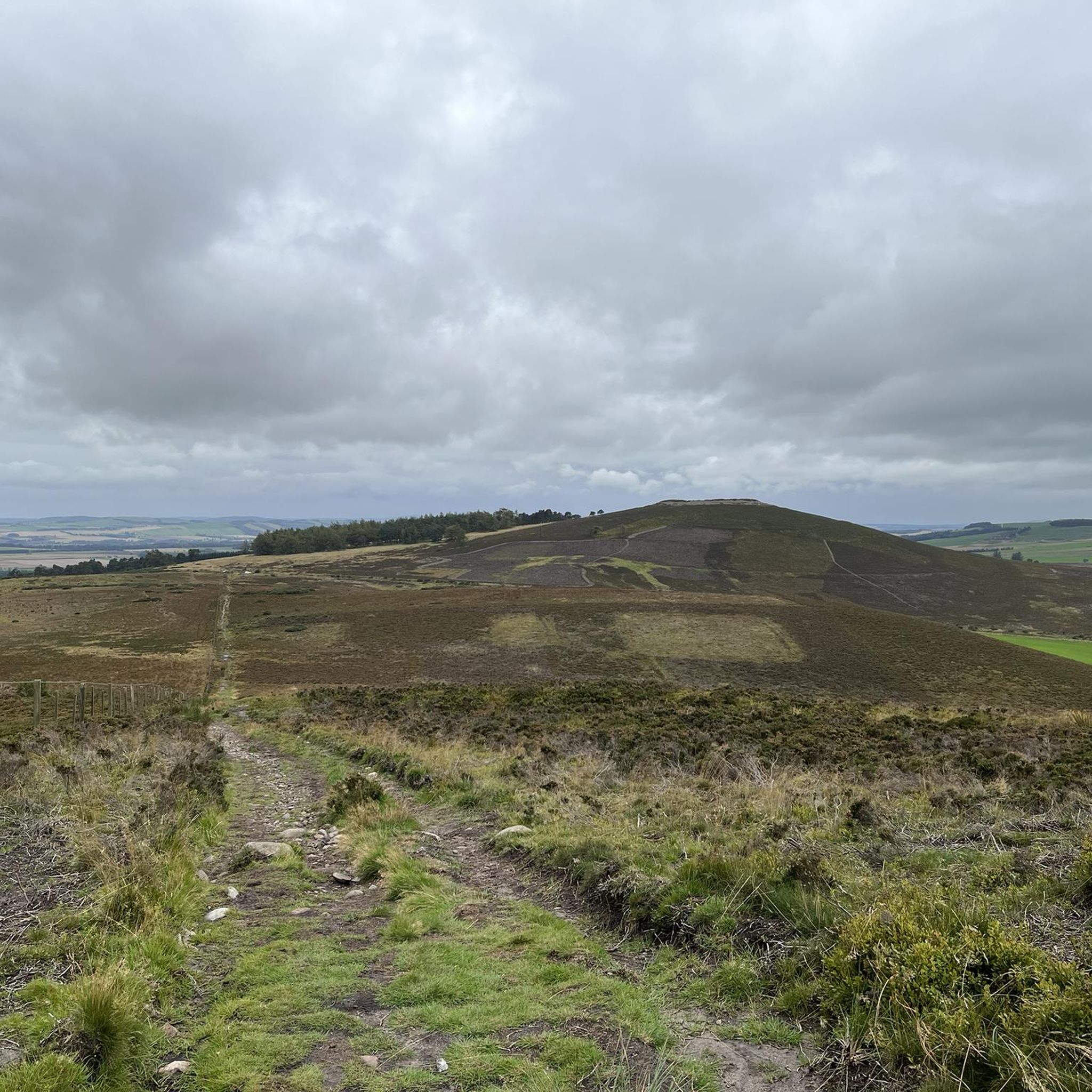
This hill climb follows the small road up from the crossroad at West Muirside to the col between the two Caterthun summits. The climb starts at 129m and tops out at 242m, an ascent of 113m in just over 1km. The road summit has a small car park and from here you can walk up to the White or Brown Caterthun, both summits have the remains of old hill forts and offer great views.
0
0

Comes upon you quite suddenly, it’s right in the centre of a small traffic island in front of the church.
0
0

Arguably the historic precursor to Bannockburn in securing Scottish independence, the Battle of Dun Nechtain or Nechtansmere in 685ce halted the northern expansion of the Saxon Kingdom of Northumbria. A feigned retreat by the Picts drew the Northumbrians into an ambush at Dun Nechtain, believed to be the hill just to the NW of the modern village. The battle ended with a decisive Pictish victory which severely weakened Northumbria's power in northern Britain. The Northumbrian king was killed in the battle, along with the greater part of his army. The Pictish victory marked their independence from Northumbria, who never regained their dominance in the north.
0
0

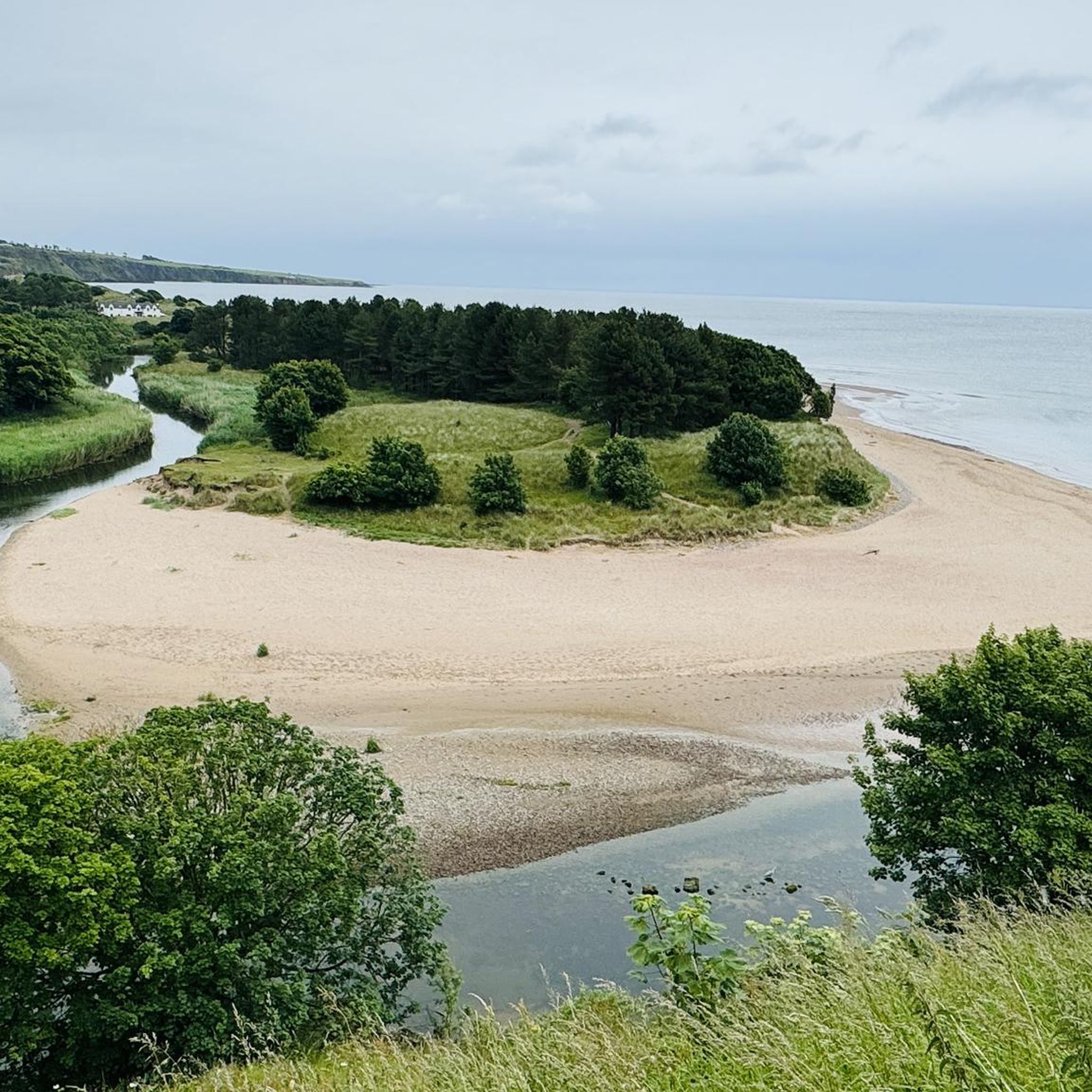
Well worth a visit, the free-to-enter wildlife centre at Montrose Basin has something for all the family. An important place for migratory birds to roost and feed, the tidal basin at Montrose is important for breeding eiders, wintering waders and wildfowl. Take a peek through the telescopes and with binoculars to see what you can spot in the reserve, or learn more about this crucial habitat through the interactive displays. There's also a cafe on site so you won't go hungry or thirsty during your visit! Find out more about the facilities here: https://scottishwildlifetrust.org.uk/reserve/montrose-basin/
1
0
Frequently Asked Questions
What unique natural features can I explore around Aberlemno?
The area around Aberlemno offers diverse natural features. You can discover the dramatic Elephant Rock Arch, Boddin Point, a volcanic rock arch sculpted by the sea into the shape of an elephant. Another notable feature is the White Caterthun Climb, a hill offering panoramic views and the remains of ancient hill forts. The Montrose Basin is also a significant tidal basin, crucial for migratory birds.
Are there family-friendly natural monuments to visit near Aberlemno?
Yes, several natural sites are great for families. The Montrose Basin Wildlife Centre is an excellent choice, offering interactive displays, telescopes for birdwatching, and a cafe. Nearby, the Wigeon Hide provides elevated, uninterrupted views over the nature reserve, perfect for spotting diverse bird species with children.
What kind of outdoor activities can I do near Aberlemno's natural monuments?
The region provides various outdoor activities. You can enjoy hiking, such as easy trails around Montrose Basin, or more challenging climbs like the White Caterthun Climb. Cycling and gravel biking are also popular, with routes like the 'Aberlemno Stones – Aberlemno Pictish Stone loop' for gravel biking or various cycling tours around the area. For more details on routes, you can check out the easy hikes around Aberlemno, gravel biking around Aberlemno, and cycling around Aberlemno guides.
Are there any easy walking routes to natural monuments around Aberlemno?
Yes, there are several easy walking routes. For instance, the Montrose Basin area offers gentle paths like the 'Montrose Basin Bird Hides loop'. These routes are generally flat and suitable for a relaxed stroll, allowing you to enjoy the natural surroundings and wildlife. You can find more options in the easy hikes around Aberlemno guide.
What is the best time of year to visit the natural monuments around Aberlemno?
The best time to visit largely depends on your interests. For birdwatching at sites like the Montrose Basin Wildlife Centre, autumn and winter are excellent for migratory birds. For hiking and enjoying the views from places like the White Caterthun Climb, spring and summer offer milder weather and longer daylight hours, though Scottish weather can be unpredictable year-round.
Are there any cafes or amenities near the natural monuments?
Yes, the Montrose Basin Wildlife Centre has a cafe on site, providing refreshments and a place to relax during your visit. For other natural monuments, it's advisable to check local village amenities in nearby towns like Montrose or Brechin, as direct facilities at the sites themselves may be limited.
What should I bring for walks and visits to natural monuments in Aberlemno?
It's always wise to be prepared for varying weather conditions in Scotland. We recommend bringing waterproof and windproof layers, sturdy walking shoes or boots, and plenty of water. Binoculars are highly recommended for birdwatching at Montrose Basin and the Wigeon Hide, and a camera for capturing the scenic views and unique geological formations.
Can I bring my dog to the natural monuments and on walks around Aberlemno?
Many outdoor areas and walking routes around Aberlemno are dog-friendly. However, it's essential to keep dogs on a lead, especially in nature reserves like Montrose Basin, to protect wildlife. Always check specific site regulations before visiting. For walks, ensure your dog is well-behaved and that you clean up after them.
Are there any historical sites near the natural monuments?
While the focus is on natural monuments, the area is rich in history. The White Caterthun Climb features the remains of ancient hill forts at its summit. Additionally, Aberlemno itself is famous for its Pictish Sculptured Stones, and nearby is The Dunnichen Stone and Battle of Nechtansmere Memorial, a significant historical site commemorating a decisive Pictish victory. You can find more information about the Aberlemno Sculptured Stones on the Visit Angus website.
How long should I plan for a visit to the natural monuments?
The duration of your visit depends on the specific monument and your activity. A visit to the Montrose Basin Wildlife Centre could easily take 2-3 hours, especially if you include birdwatching and the cafe. The White Caterthun Climb might take 1-2 hours for the ascent and enjoying the views. For the Elephant Rock Arch, a shorter stop of 30-60 minutes might suffice, depending on how much time you spend exploring the coastline. Consider combining a few sites for a full day out.
What do visitors enjoy most about the natural monuments around Aberlemno?
Visitors frequently praise the expansive views from the White Caterthun Climb and the unique geological formation of the Elephant Rock Arch. The birdwatching opportunities at the Montrose Basin Wildlife Centre and Wigeon Hide are also highly appreciated, with many enjoying the chance to spot diverse bird species in their natural habitat. The overall natural beauty and tranquility of the area are consistently highlighted.
Most popular attractions around Aberlemno

Get inspired with the komoot mobile app


Explore more
Extend your search for the best caves by checking out these guides of the top ones around Aberlemno:
