Top 6 Natural Monuments around Arbuthnott
Best natural monuments around Arbuthnott showcase the region's diverse landscape, from agricultural plains to dramatic coastal features. The area is characterized by significant geological formations, including the Devonian Period's Arbuthnott-Garvock Group, which forms impressive sea cliffs. These natural features provide habitats for diverse wildlife, particularly seabirds, and offer opportunities for coastal walks and nature observation. The combination of geological interest and rich biodiversity makes these areas notable natural attractions.
Best natural monuments around Arbuthnott
- The most popular natural monuments is…
Last updated: May 3, 2026
Dunnottar Castle
Highlight • Natural Monument
Translated by Google •
Tip by

Crawton Waterfall
Highlight • Natural Monument
Tip by

Sign up now to discover places like this
Get recommendations on the best single tracks, peaks, & plenty of other exciting outdoor places.
Sign up for free
Fowlsheugh Cliffs and Seabird Colony
Highlight • Viewpoint
Tip by
View of Dunnottar Castle
Highlight • Viewpoint
Tip by

Lady Kennedy's Bath
Highlight • River
Situated in Dunnottar Woods which is a nice short stroll from the city …
Tip by

Sign up for free to discover even more natural monuments around Arbuthnott.
Sign up for free
Already have an account?
Start today with a free account
Your next adventure awaits.
Login or Signup

Tips from the Community

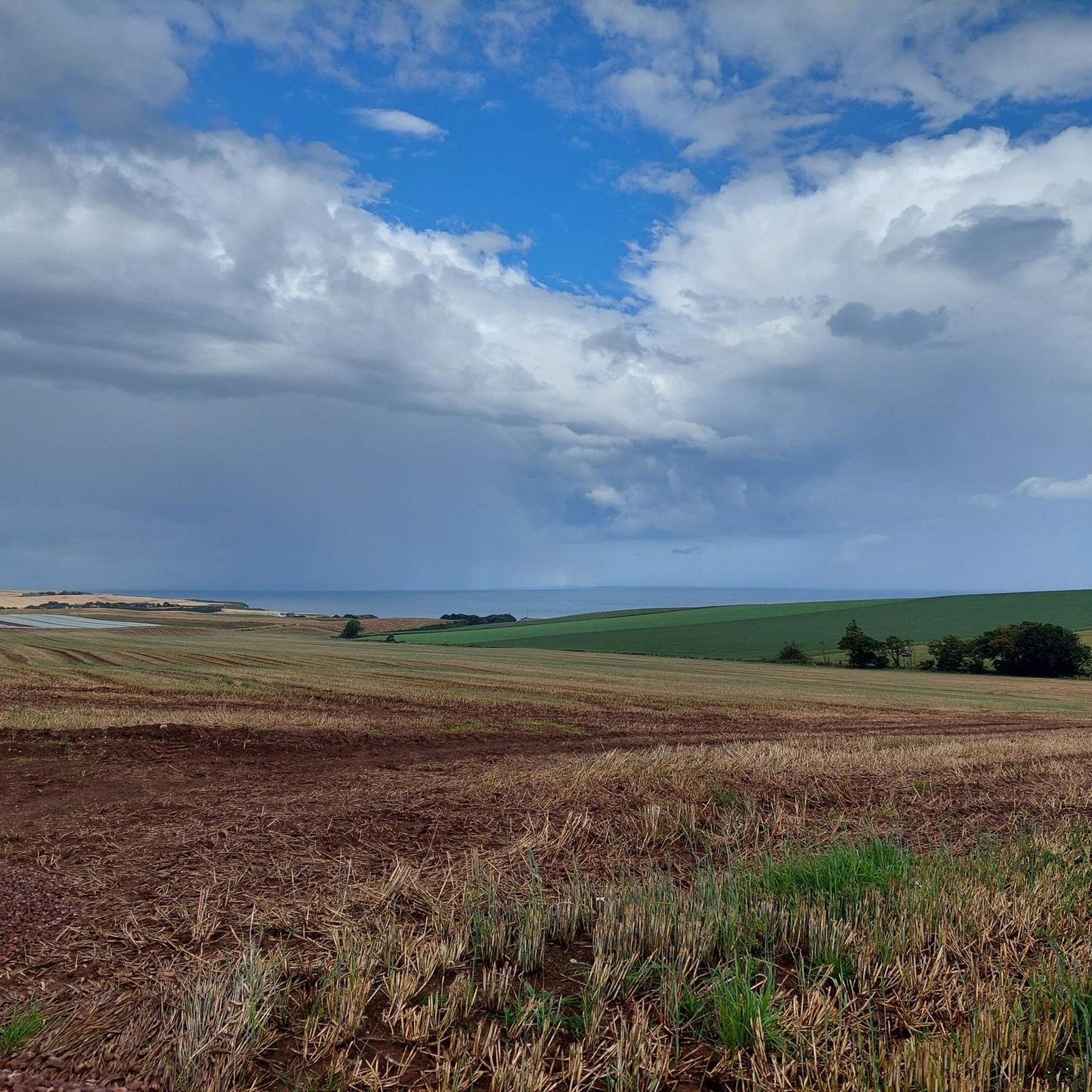
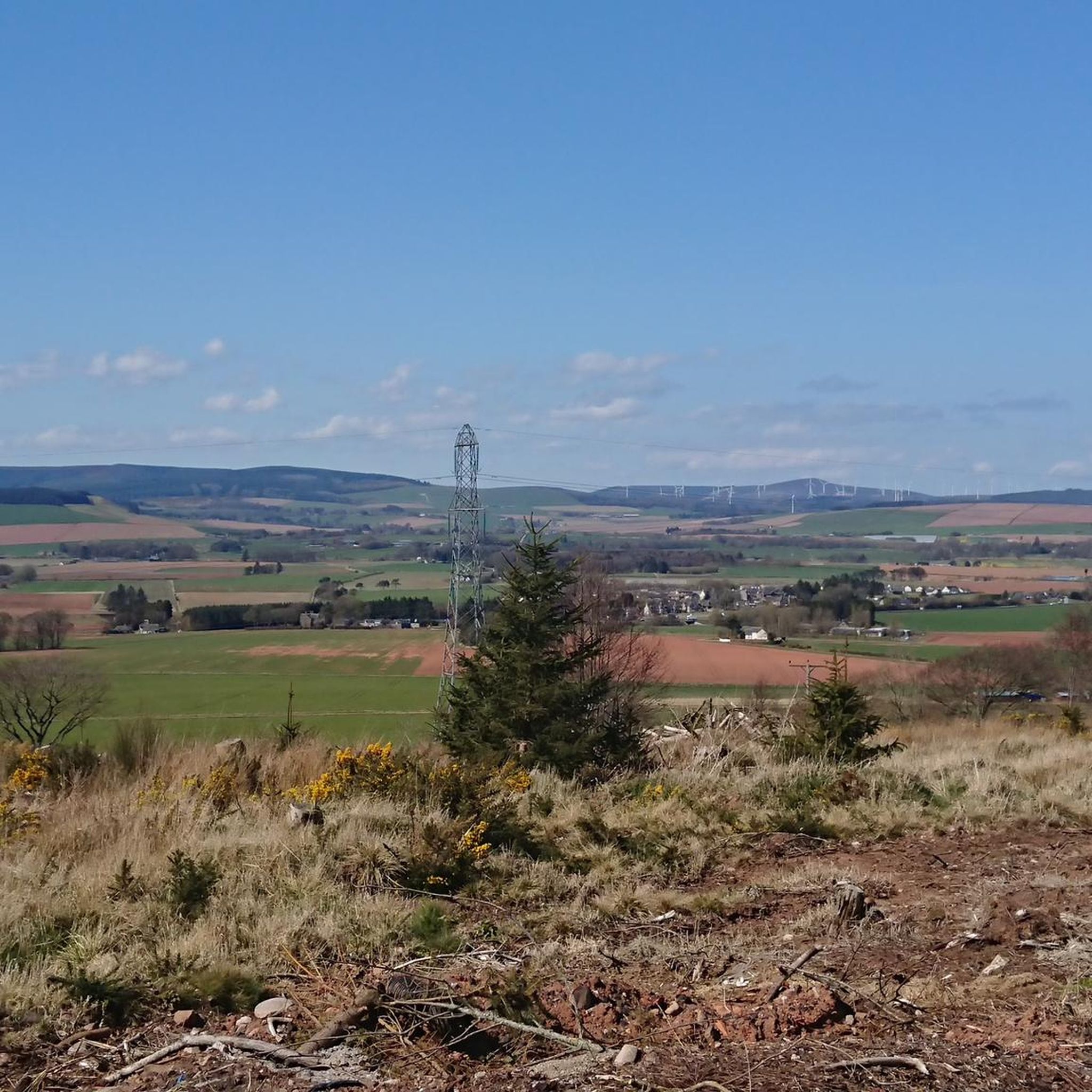
Stunning views and a great short walk to the War Memorial.
0
0

Beautiful cliff top walk, spotted a few puffins. The noise of the birds is amazing, thousands of them. Well worth a visit.
0
0

From the small car park walk down past the gate to Fowlsheugh and to the end of the road. A second costal path leads down the side of a field to a good viewpoint to the falls. The cliff edges are exposed and can be slippy.
0
0

Observation platform free of charge.
1
0

A beautiful ruin. A must-see. Of course, there are more than just tourists here
0
0

Also a nice place to make another goto.
0
0
The place where you take the most beautiful photo of the ruins.
0
0

Great, relatively unknown castle from at least the 12th century. There are lots of corridors, chambers and stairs to explore. Who will find the cannon ball that is stuck, who will find the ghost and who will find the skeleton :) The location above the sea makes it very special. You can also walk down briefly or along the cliffs. Seabirds accompany you and you can also see them on the cliffs.
0
0
Frequently Asked Questions
What are the most popular natural monuments around Arbuthnott?
Among the most popular natural monuments are the dramatic cliff-top setting of Dunnottar Castle, the vibrant Fowlsheugh Cliffs and Seabird Colony, and the scenic Crawton Waterfall. These sites are highly appreciated by visitors for their unique natural beauty and historical significance.
Where can I best observe wildlife, especially seabirds, near Arbuthnott?
The Fowlsheugh Cliffs and Seabird Colony is an excellent spot for wildlife observation. It's a significant breeding ground for hundreds of thousands of seabirds, including guillemots, razorbills, and kittiwakes. If you're lucky, you might even spot puffins, especially closer to sunset.
What geological features can I explore in the Arbuthnott area?
The region is characterized by the impressive geology of the Arbuthnott-Garvock Group, dating back to the Devonian Period. You can observe these formations at the dramatic Crawton sea cliffs, which showcase sandstone, mudstone, siltstone, and conglomerate. These cliffs offer a glimpse into the area's ancient geological past.
Are there any historical natural monuments in the area?
Yes, Dunnottar Castle is a prime example, perched on a high cliff with evidence of use spanning over 5000 years. Another interesting historical natural monument is Lady Kennedy's Bath, an oval stone-built bath located in Dunnottar Woods, which was once a favoured bathing spot.
What is the best time of year to visit the natural monuments around Arbuthnott?
The best time to visit is generally during the spring and summer months (April to August). This period offers milder weather for coastal walks and is ideal for observing the large seabird colonies at places like Fowlsheugh, as it's their breeding season.
What outdoor activities can I do near these natural monuments?
The area offers various outdoor activities. You can enjoy hiking along the dramatic coastline, particularly near the sea cliffs. For more structured routes, explore the hiking routes around Arbuthnott or consider road cycling routes that pass through scenic coastal areas and charming villages.
Are there easy hiking trails near the natural monuments?
Yes, there are several easy hiking options. For instance, the trail leading to Crawton Waterfall is a short hike, and there are other easy hikes around Arbuthnott that allow you to experience the coastal scenery without strenuous effort.
Are the natural monuments around Arbuthnott family-friendly?
Many of the natural monuments, especially those with well-maintained paths and viewpoints, can be enjoyed by families. Places like the Fowlsheugh Cliffs offer exciting opportunities for birdwatching, which can be engaging for children. Always be mindful of cliff edges and supervise children closely.
What should I wear when visiting the natural monuments around Arbuthnott?
Given the coastal and often exposed nature of these sites, it's advisable to wear layers, waterproof outerwear, and sturdy walking shoes or boots. The weather in Scotland can change quickly, so being prepared for wind and rain is always a good idea, even on sunny days.
Are there any hidden gem natural monuments worth discovering?
Beyond the well-known sites, consider visiting Woodston Burn Waterfall and Rocks at St Cyrus beach. This hidden gem requires a scramble over foreshore rocks to reach but offers a spectacular sight, especially after heavy rain, and is near the ruins of Kaim of Mathers Castle.
What is the typical terrain and difficulty for exploring these natural monuments?
The terrain often involves coastal paths, which can be uneven, rocky, and sometimes muddy, especially after rain. Many sites are located on dramatic sea cliffs, so expect some ascents and descents. While some walks are easy, others, particularly those leading to viewpoints or along cliff edges, can be intermediate in difficulty and require caution.
Are there parking facilities near the natural monuments?
For popular sites like Dunnottar Castle and Fowlsheugh Cliffs, there are typically small car parks available. However, these can fill up quickly during peak season, so arriving early is recommended. For more remote spots, parking might be limited to roadside pull-offs.
Most popular attractions around Arbuthnott

Get inspired with the komoot mobile app


Explore more
Extend your search for the best caves by checking out these guides of the top ones around Arbuthnott:
