Top 8 Natural Monuments in Röthenbacher Wald
Natural monuments in Röthenbacher Wald showcase the region's geological history and diverse ecosystems. This forest area in the Eastern Ore Mountains features significant rock formations, tranquil reservoirs, and scenic valleys. The landscape is shaped by streams like the Röthenbach and Rainbach, contributing to its varied natural appeal. Visitors can explore these sites to observe unique geological features and local flora and fauna.
Best natural monuments in Röthenbacher Wald
- The most popular natural monument is Röthenbach Reservoir, a lake that…
Last updated: June 30, 2026
Röthenbach Reservoir
Highlight • Lake
Translated by Google •
Tip by

Geotope Eclogite Rock Eppont
Highlight • Natural Monument
"350 million years ago, two continents collided with enormous energy. A piece of the continental …
Translated by Google •
Tip by

Sign up now to discover places like this
Get recommendations on the best single tracks, peaks, & plenty of other exciting outdoor places.
Sign up for free
Cottaplatz Memorial Stone
Highlight • Monument
As of March 2021
Translated by Google •
Tip by
Försterbauerbrunnen
Highlight • Natural Monument
Translated by Google •
Tip by

Röthenbach Valley
Highlight (Segment) • Gorge
Translated by Google •
Tip by
Sign up for free to discover even more natural monuments in Röthenbacher Wald.
Sign up for free
Already have an account?
Start today with a free account
Your next adventure awaits.
Login or Signup
Tips from the Community

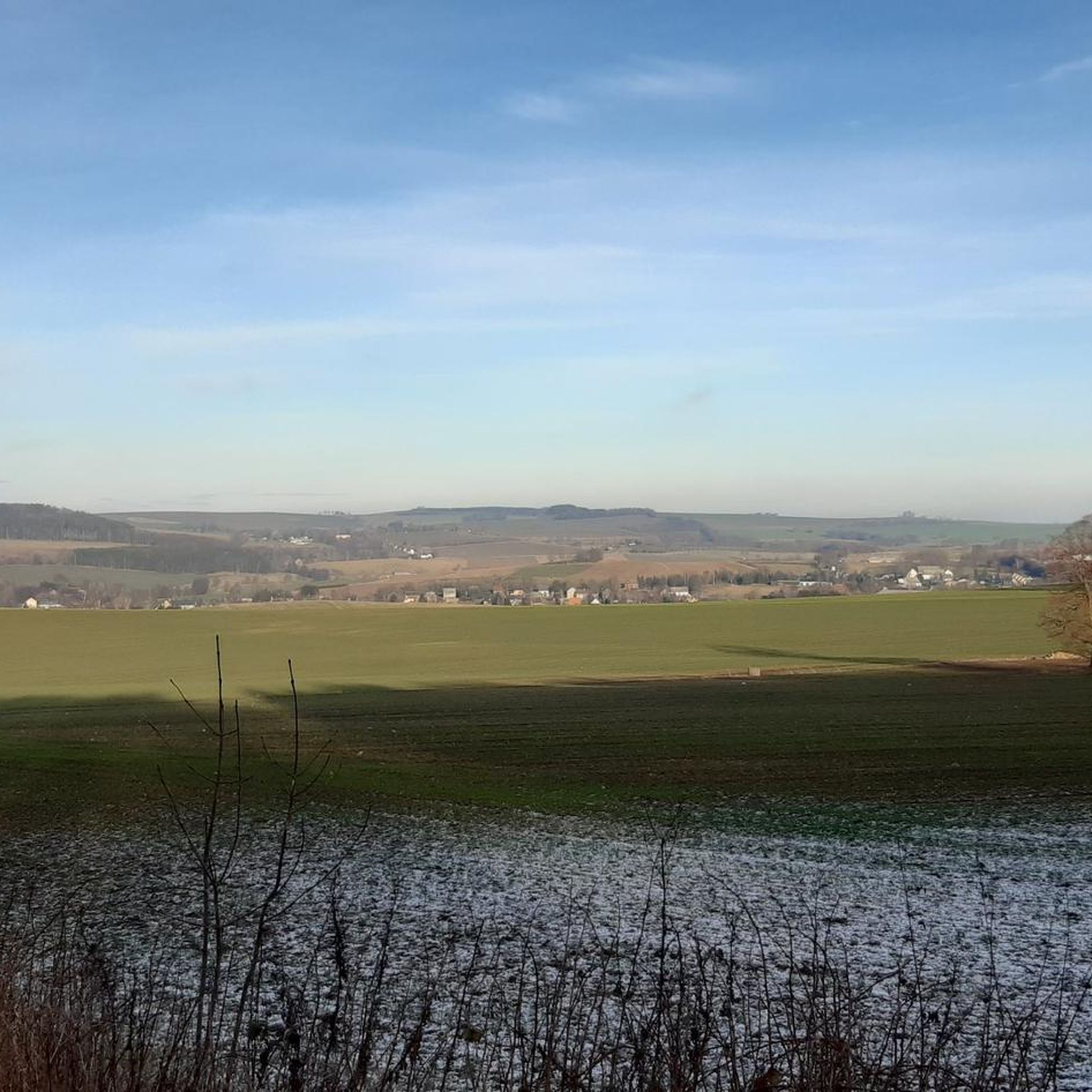
The small Röthenbach dam is the secret star of this forest loop! In addition to the idyllic peace by the water, a great barefoot path and a foot-bathing pool await your hot feet here. It's the absolutely perfect spot for the big picnic break halfway through. The paths here are 100% suitable for strollers. Our most important excursion hack: Be sure to pack a small towel in your backpack! 🎒💦 Checked by @wanderfamilie.erzgebirge
0
0

The Röthenbach flows through a large forest area before flowing into the Flöha below Wünschendorf. Approximately in the middle of the forest area are two small dams that impound the waters of the Röthenbach and the Rainbach, respectively, and are connected to the Saidenbach Dam. However, they have not been used as drinking water reservoirs since 1995.
0
0
According to the information board: "The "H-C Stone" commemorates the great forester Heinrich Cotta from Jena. Cotta founded the first private forestry school in Thuringia, which attracted attention throughout Germany. In 1811, the Saxon government appointed him as forestry officer in Tharandt, where his forestry school received state funding. In 1816, it was elevated to a state forestry academy. ... The "H" and "C" may have been carved into the stone by a grateful student of Cotta..."
1
0

A sign on the chess trail next to the farmer shows the way. It's just a few steps. There isn't much to see. It's dried up and almost overgrown.
1
1

Eclogite is the densest of all silicate rocks found on the surface of the earth. "350 million years ago, two continents collided with enormous energy. A piece of the continental plate pushed over a piece of oceanic crust. The plate below was pushed far in the direction of the earth's interior by the weight of the upper plate. By the inside The earth's prevailing heat and the enormous weight of the upper plate is said to have transformed the material structure of the lower plate by enormous pressure energy. Eclogite was formed. However, the rock material did not melt at 500 to 1000 °C, but the ultra pressure changed the minerals. It has not been clearly clarified by which geological event the eclogite, which had been shifted into the earth's interior, came back to the earth's surface." Source: www.erzgebirge.tv/2018/01/ultrahart-und-steinalt/
1
0

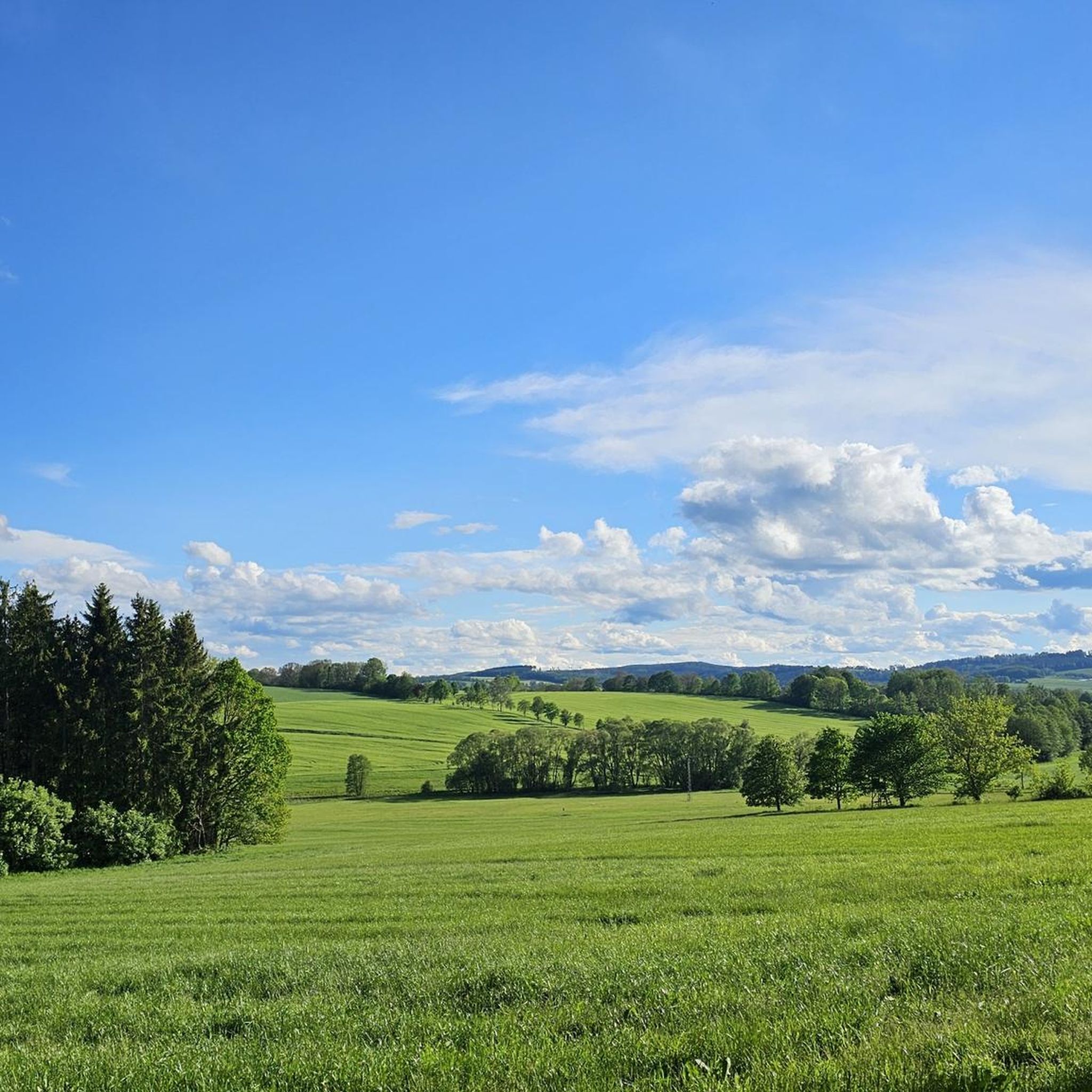
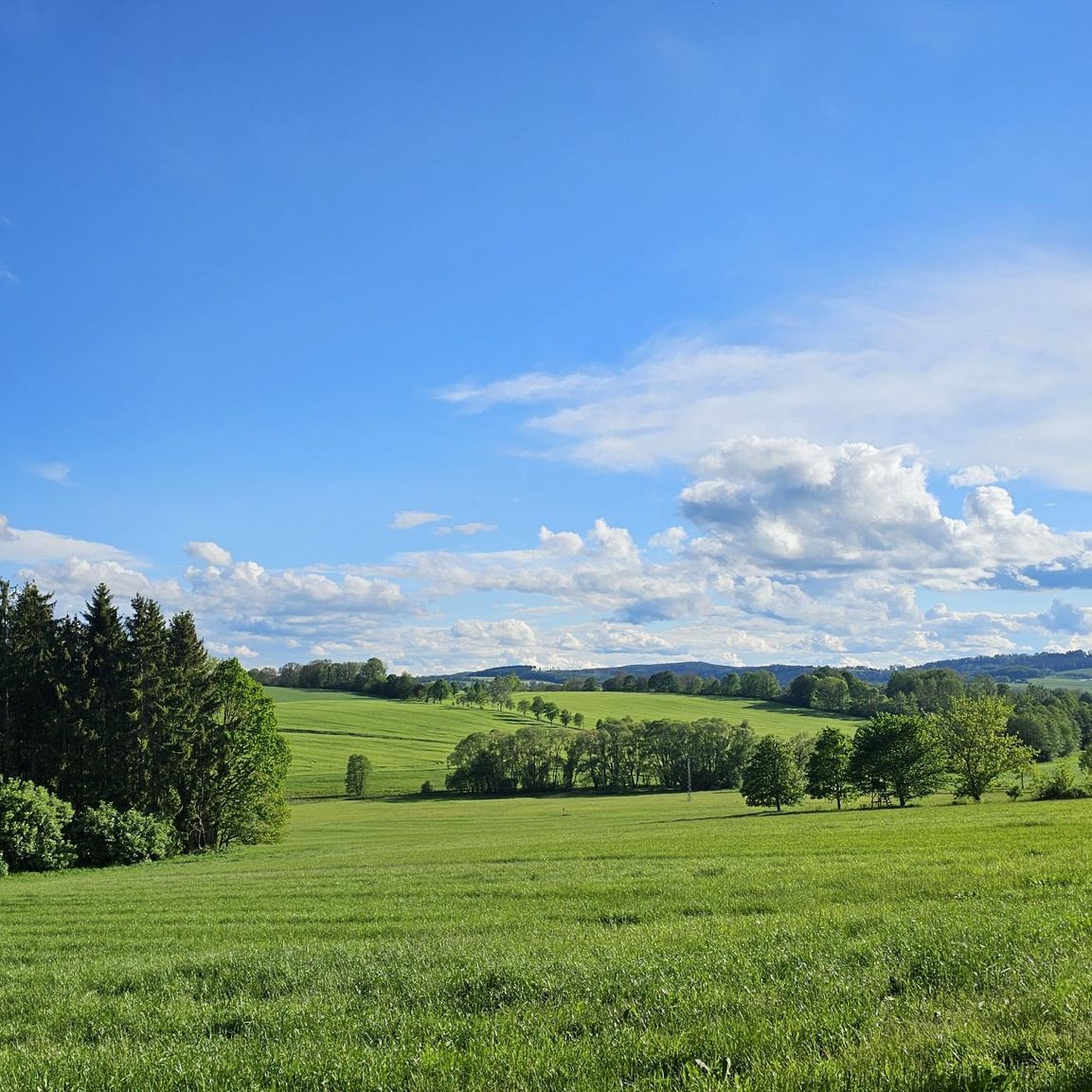
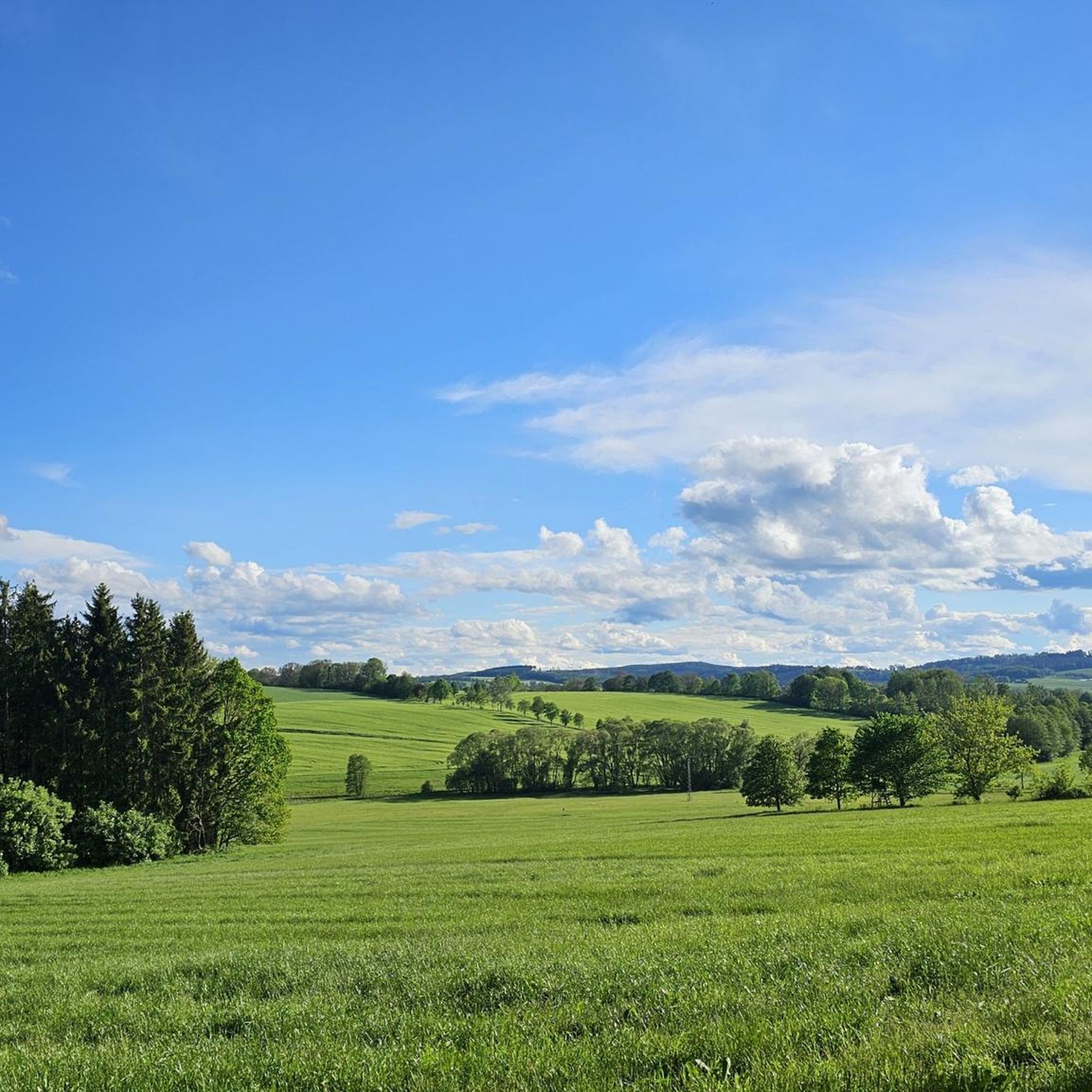
Beautiful valley along the Röthenbach. Here is also the nature trail, you can rest at the water treading pool and the slightly hidden Röthenbachtalsperre offers breeding grounds for herons and black storks, which you can watch with a bit of luck.
13
0
The Röthenbach Dam is somewhat hidden, right next to the hiking trail. Herons and black storks breed here, and with a bit of luck, you might even spot them.
15
0

Very nicely preserved, somewhat hidden.
3
1
Frequently Asked Questions
What unique geological features can I explore in Röthenbacher Wald?
The most significant geological feature is the Geotope Eclogite Rock Eppont. This site showcases eclogite, the densest silicate rock on Earth, formed approximately 350 million years ago from immense pressure and heat during continental collisions. It's a fascinating testament to powerful geological forces.
Are there family-friendly natural monuments or activities in Röthenbacher Wald?
Yes, the Röthenbach Valley is ideal for families, featuring a nature trail with information boards and a refreshing Kneipp facility. The Röthenbach Reservoir is also considered family-friendly, offering picturesque scenery and opportunities for birdwatching.
What kind of wildlife can I expect to see around the natural monuments?
Around the Röthenbach Reservoir, you might spot herons and black storks, as it serves as a breeding ground for these birds. The broader Röthenbacher Wald is a mixed forest environment, supporting diverse flora and fauna, though specific wildlife sightings can vary.
Can I find historical sites among the natural monuments in Röthenbacher Wald?
Yes, you can visit the Försterbauerbrunnen, an old fountain with an interesting history located on the chess trail. Additionally, the Cottaplatz Memorial Stone is a man-made monument within the forest that offers a place to pause.
What are the Röthenbach Dams and what is their significance?
The Röthenbach Dams are two small dams on the Röthenbach and Rainbach streams, located roughly in the middle of the forest. They once served as drinking water reservoirs until 1995. Today, they provide tranquil, picturesque scenery within the woodland, contributing to the area's natural beauty.
Are there hiking trails near the natural monuments in Röthenbacher Wald?
Yes, there are numerous hiking opportunities. For easy walks, you can explore routes like the 'Hut at Leninfelsen – Röthenbach Reservoir loop' or various loops starting from Cottaplatz. You can find more details on these and other easy hikes in Röthenbacher Wald on our guide page for Easy hikes in Röthenbacher Wald.
What is the Röthenbach Forest Nature Trail and what does it offer?
The Röthenbach Forest Nature Trail (Naturlehrpfad Röthenbacher Wald) is an educational path designed to help visitors learn about the local flora and fauna. It features numerous information boards and includes a Kneipp facility for refreshing tired legs, making it a great option for an informative and gentle walk. You can find more information about this trail on erzgebirge-tourismus.de.
What kind of trees and plants can I observe in Röthenbacher Wald?
The Röthenbacher Wald is primarily a spruce forest, but also features montane species like Siebenstern (Trientalis europaea) and Rippenfarn (Blechnum spicant). The forest floor is often covered with various ferns, blueberries, and raspberries. In darker areas, mosses and lichens like cup lichen and scarlet-fruited elf cup thrive. You can also find larger deciduous tree stands with red beech, linden, hornbeam, and maple species.
Are there options for mountain biking or running near the natural monuments?
Absolutely. The region offers various routes for mountain biking and running. For MTB enthusiasts, there are trails like the 'Water Wheel at the Floßmühle loop'. Runners can enjoy routes such as the 'Outhouse – Röthenbach Dam loop'. You can explore more options on our dedicated guides for MTB Trails in Röthenbacher Wald and Running Trails in Röthenbacher Wald.
What do visitors enjoy most about the natural monuments in Röthenbacher Wald?
Visitors frequently praise the tranquil atmosphere and beautiful nature. The Röthenbach Reservoir is often highlighted for its picturesque scenery and peaceful environment. The Röthenbach Valley is appreciated for its scenic beauty and the refreshing Kneipp facility.
What is the best time to visit the natural monuments in Röthenbacher Wald?
The Röthenbacher Wald offers beauty throughout the year. Spring brings lush greenery and blooming flora, while autumn transforms the deciduous trees into vibrant colors. Summer is ideal for enjoying the nature trails and Kneipp facilities. Even in winter, the snow-covered forest can offer a serene experience, though some trails might be more challenging.
Most popular routes in Röthenbacher Wald
Most popular attractions in Röthenbacher Wald

Get inspired with the komoot mobile app


Explore more
Extend your search for the best caves by checking out these guides of the top ones in Röthenbacher Wald:
