Top 5 Natural Monuments in Braune Heide
Natural monuments in Braune Heide encompass a landscape characterized by heathland features and forests. This region offers 5 distinct natural monuments, providing opportunities to explore unique geological formations and ancient trees. The terrain often includes gentle hills and varied woodland, typical of heathland environments. Visitors can experience a mix of natural springs, historic trees, and forest trails within this area.
Best natural monuments in Braune Heide
- The most popular natural monuments is Grandma and Grandpa Oaks, a natural monument…
Last updated: June 30, 2026
Grandma and Grandpa Oaks
Highlight • Natural Monument
(For hiking or cycling of course)😉
Translated by Google •
Tip by

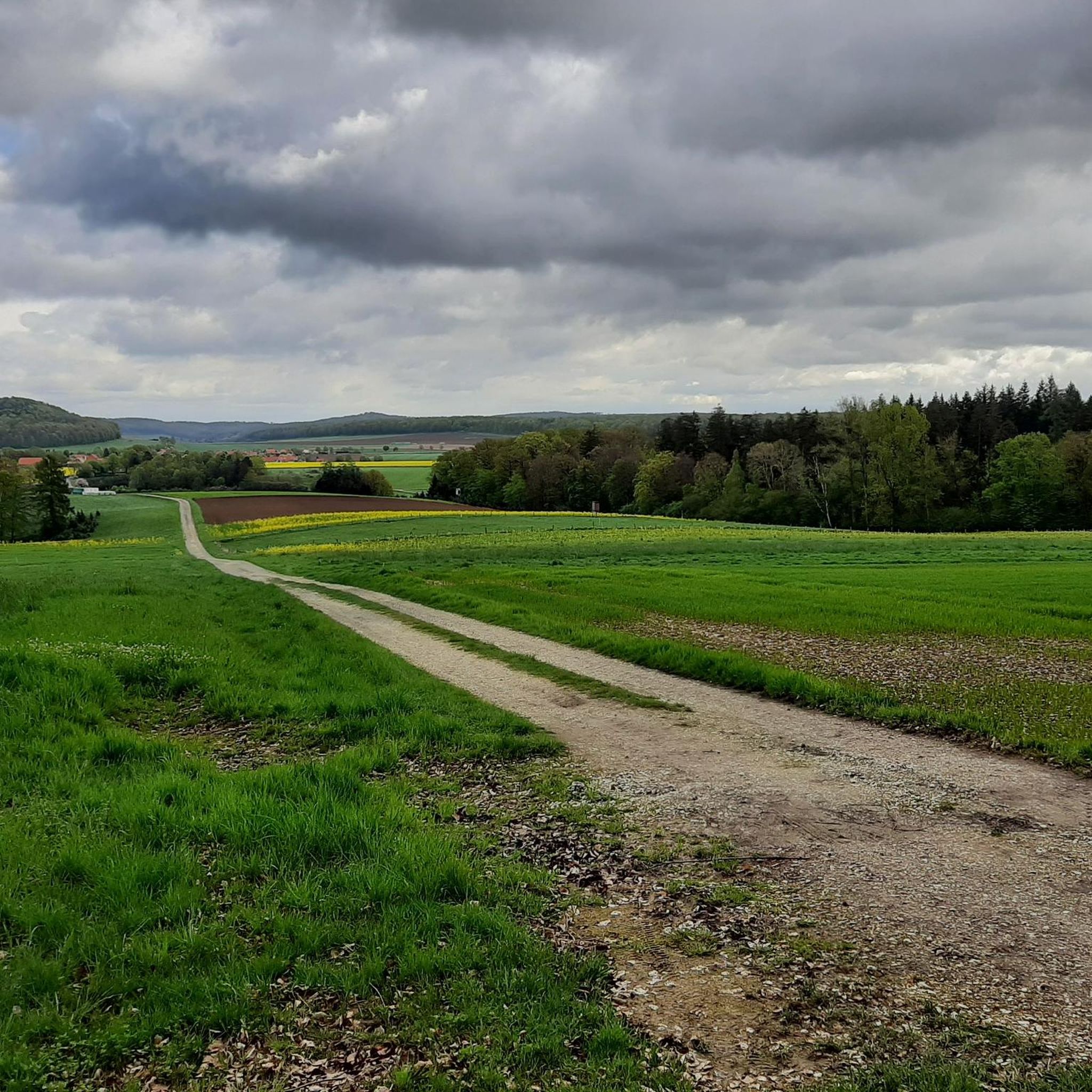
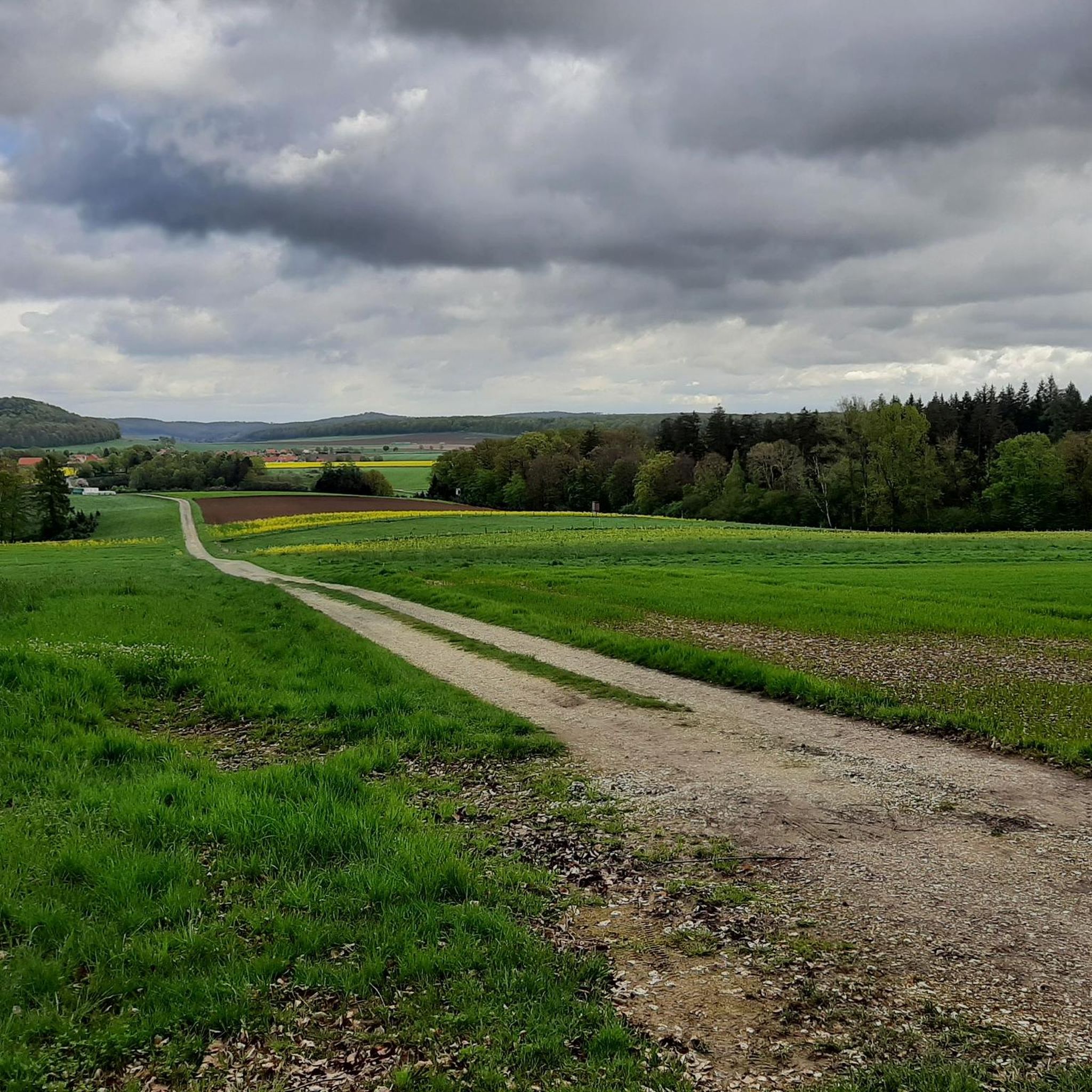
Spring at 230 m Above Sea Level
Highlight • Natural Monument
Translated by Google •
Tip by

Sign up now to discover places like this
Get recommendations on the best single tracks, peaks, & plenty of other exciting outdoor places.
Sign up for free
Eidechsenborn Spring and Singletrack
Highlight (Segment) • Trail
Translated by Google •
Tip by

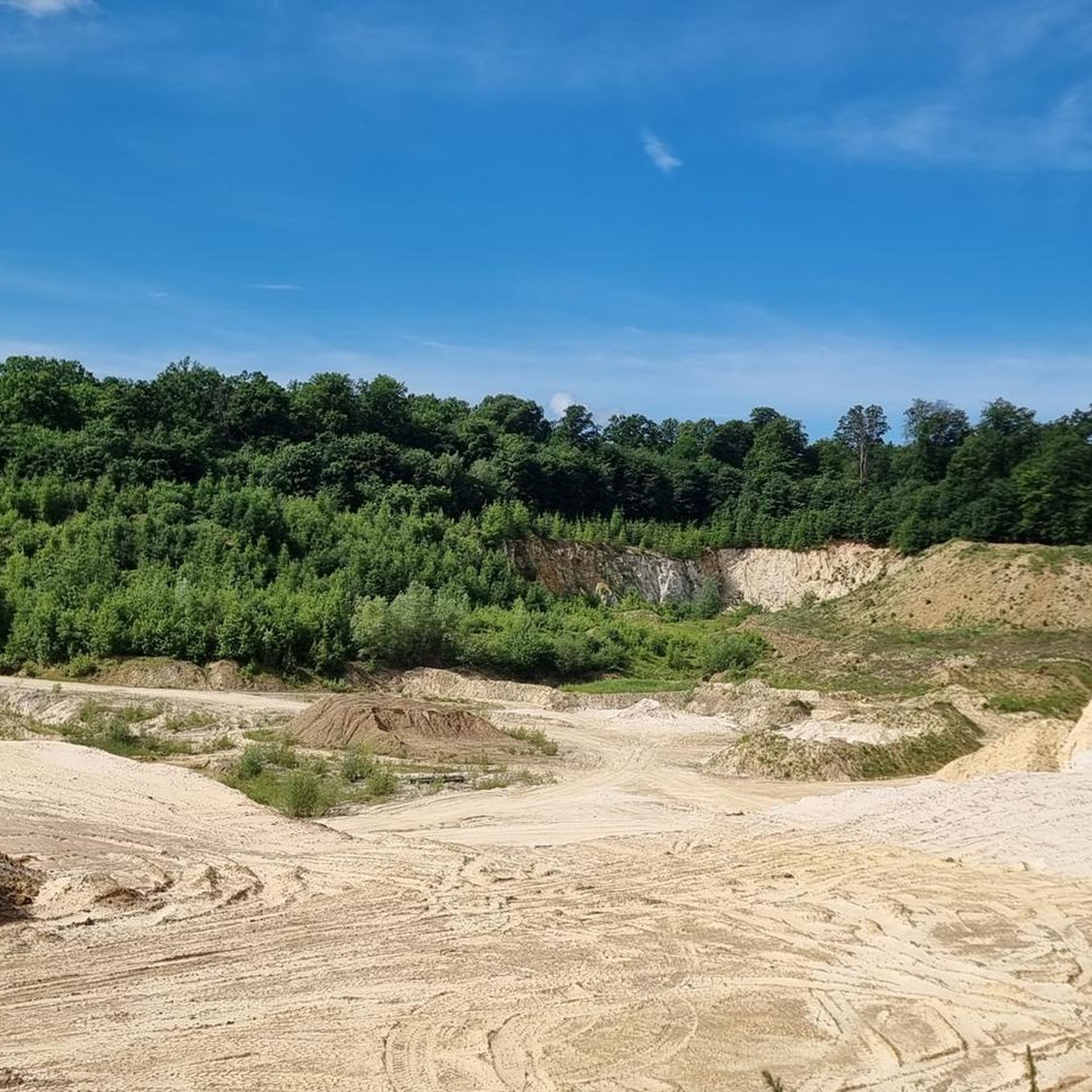
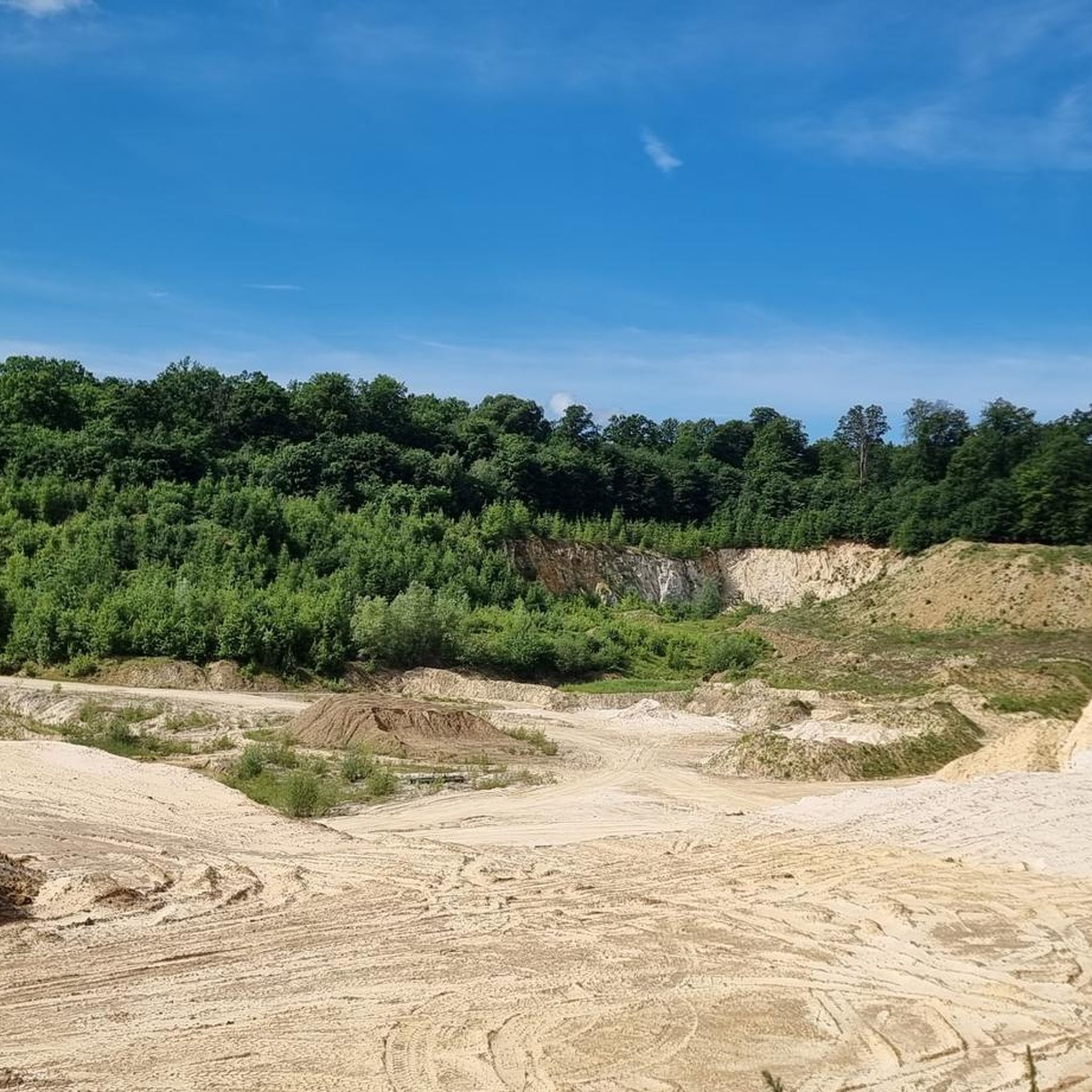
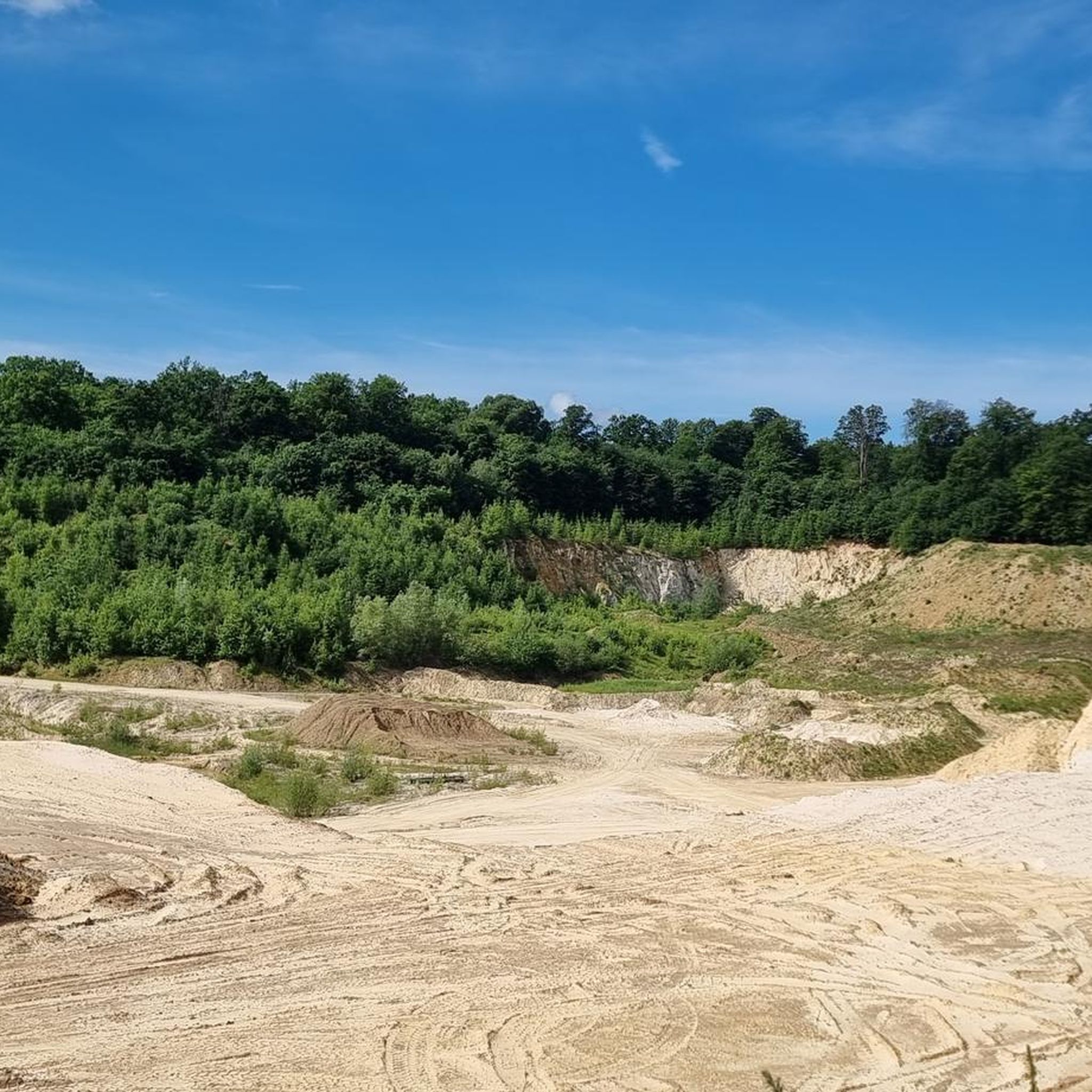
Tree with Exposed Roots at the Old Quarry
Highlight • Natural Monument
Translated by Google •
Tip by

Oma Oak Tree
Highlight • Natural Monument
Translated by Google •
Tip by

Start today with a free account
Your next adventure awaits.
Login or Signup
Tips from the Community

Nature is still the most impressive architect.
2
0


The stamp office 8, Northern Harz Foreland, is also located here.
1
0

Exposed root system on the edge of a small, old quarry. Interesting to look at, nice photo opportunity.
3
0

The rings can be used to determine the age of a tree. The history of mankind can be read over the decades. The individual events are described on boards.
2
0
Two very old beautiful and healthy oak trees. The place is the stamp office number 8 of the hiking trail northern Harz foreland.
2
1

Imposing old oaks that have certainly experienced it if they could tell. Easy to reach on the round with stamps 7 and 9
3
0

The stamp office is a good target. (For hiking or cycling of course)😉
5
0
Frequently Asked Questions
What are some of the most notable natural monuments to visit in Braune Heide?
Braune Heide, part of the larger Dübener Heide Nature Park, offers a variety of natural features. Among the most popular are the ancient Grandma and Grandpa Oaks, planted around 1757, which provide an impressive sight within the forest. Another significant spot is the Spring at 230 m Above Sea Level, known for its refreshing water and a pleasant rest area.
Are there family-friendly natural monuments in Braune Heide?
Yes, many natural monuments in Braune Heide are suitable for families. The Grandma and Grandpa Oaks and the Oma Oak Tree are both located within forests and are considered family-friendly. The Spring at 230 m Above Sea Level also offers a rest area, making it a good spot for families to pause and enjoy nature.
What kind of unique natural features can I expect to see in Braune Heide?
Braune Heide is characterized by its diverse natural landscape. You can find ancient trees like the Tree with Exposed Roots at the Old Quarry, which showcases nature's impressive architecture. The region also features natural springs, such as the Eidechsenborn Spring, and varied terrain including heathland, dense forests, and numerous water bodies like the picturesque Blaues Auge lake and the Muldestausee.
What outdoor activities can I do near the natural monuments in Braune Heide?
The area around Braune Heide's natural monuments is excellent for various outdoor activities. You can enjoy hiking on trails like the Ambergau Forest Adventure Trail, which leads to the Grandma and Grandpa Oaks. For more options, explore the hiking routes in Braune Heide. Cyclists can find numerous routes for road cycling and gravel biking, offering different challenges and scenic views.
Are there specific hiking trails that lead to these natural monuments?
Yes, several trails integrate the natural monuments. For instance, the Ambergau Forest Adventure Trail is an easy hiking route that takes you to the Grandma and Grandpa Oaks. The Eidechsenborn Spring is also part of a wonderful natural single trail over a forest adventure trail, inviting visitors to linger. You can find more detailed hiking options in the hiking guide for Braune Heide.
What is the 'Red Bank' and where can I find it?
The Red Bank (Rote Ufer) is a striking natural feature along the Mulde River, characterized by its up to 15-meter-high steep bank with a reddish hue. This distinctive color comes from leached alum earth. It offers beautiful views of the Mulde floodplain and is a serene spot for leisurely walks within the broader Dübener Heide Nature Park.
What is the 'Blaues Auge' and what can I do there?
The 'Blaues Auge' (Blue Eye) is a picturesque lake near Bad Schmiedeberg. It's an ideal spot for relaxation and bathing, surrounded by trees, offering a tranquil setting for visitors seeking peace amidst nature. It's one of the many beautiful water bodies within the Dübener Heide Nature Park.
What kind of geological features are prominent in Braune Heide?
The landscape of Braune Heide, part of the Dübener Heide Nature Park, was significantly shaped by glacial activity. This has resulted in varied heathland, extensive moorlands, and unique formations like the Red Bank along the Mulde River, known for its reddish, alum-rich earth. The area also features numerous natural springs and ancient trees with exposed root systems, showcasing the geological history and ongoing natural processes.
Can I observe wildlife in the natural monuments of Braune Heide?
Yes, the diverse ecosystems of Braune Heide, including its heathland, forests, and water bodies, support a rich array of flora and fauna. The Muldestausee, a former mining area reclaimed by nature, is particularly known for its abundant animal and plant life, including rare and endangered species. The Hammerbach valley within the park is also a potential habitat for beavers, offering chances to observe these elusive creatures.
What do visitors enjoy most about the natural monuments in Braune Heide?
Visitors frequently appreciate the tranquility and natural beauty of the area. Many enjoy the impressive sight of ancient trees like the Grandma and Grandpa Oaks, often noting how small they feel next to them. The refreshing spring water and rest areas at spots like the Spring at 230 m Above Sea Level are also highly valued for inviting visitors to linger and relax.
Are there any less crowded or 'hidden gem' natural spots in Braune Heide?
While specific 'hidden gems' are often discovered by individual exploration, the entire Dübener Heide Nature Park, which encompasses Braune Heide, offers vast areas of varied terrain including heathland, moorland, and mixed forests. Exploring trails beyond the most popular highlights can lead to serene and less crowded spots, allowing for a deeper connection with nature. The Tree with Exposed Roots at the Old Quarry, for example, offers an interesting and unique photo opportunity that might be less frequented than the main oak trees.
Most popular routes in Braune Heide
Most popular attractions in Braune Heide

Get inspired with the komoot mobile app


Explore more
Extend your search for the best caves by checking out these guides of the top ones in Braune Heide:
