Top 5 Natural Monuments around Radovljica
Best natural monuments around Radovljica include a variety of geological features and unique natural sites. This Slovenian region is characterized by its diverse landscape, from river confluences and picturesque valleys to forested plateaus and mountain ranges. The area offers numerous opportunities to explore natural formations and significant ecological zones. These natural monuments around Radovljica provide insights into the region's natural heritage.
Best natural monuments around Radovljica
- The most popular natural monuments is Ancient Hornbeam Trees (Gabrovi Vejniki), a forest…
Last updated: June 30, 2026
Tufa Spring
Highlight • Natural Monument
When it comes to the surface, carbon dioxide is released into …
Translated by Google •
Tip by

Ancient Hornbeam Trees (Gabrovi Vejniki)
Highlight • Natural Monument
Translated by Google •
Tip by

Sign up now to discover places like this
Get recommendations on the best single tracks, peaks, & plenty of other exciting outdoor places.
Sign up for free
Vovkova Spruce (Norway Spruce)
Highlight • Natural Monument
Translated by Google •
Tip by
Hudičev Gradič (Kleine Teufelsburg) Cave
Highlight • Cave
Translated by Google •
Tip by

Blatnica Waterfall
Highlight • Waterfall
Tip by

Start today with a free account
Your next adventure awaits.
Login or Signup
Popular around Radovljica
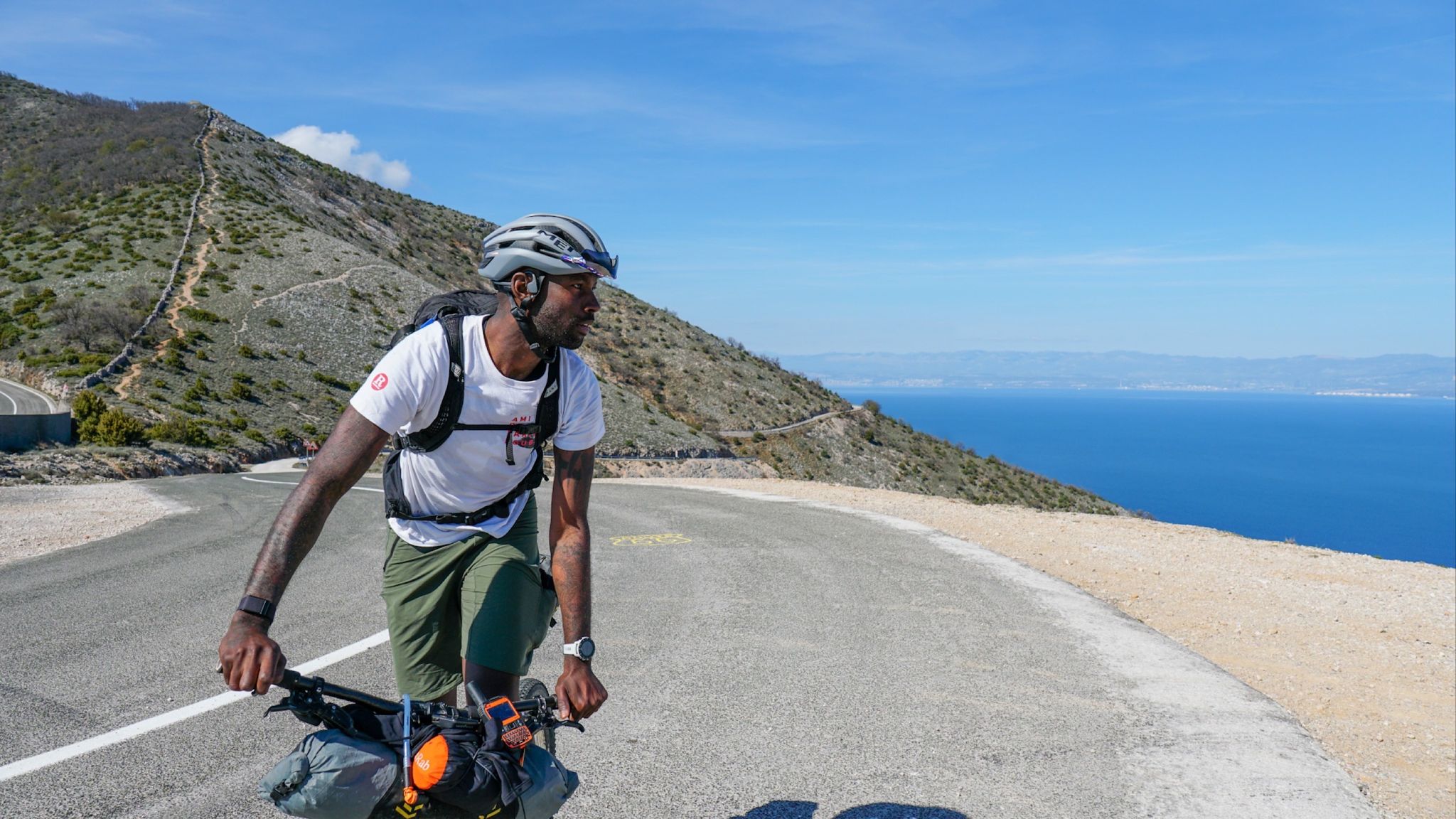
Slovenian mountains to island hopping around the Adriatic Crest
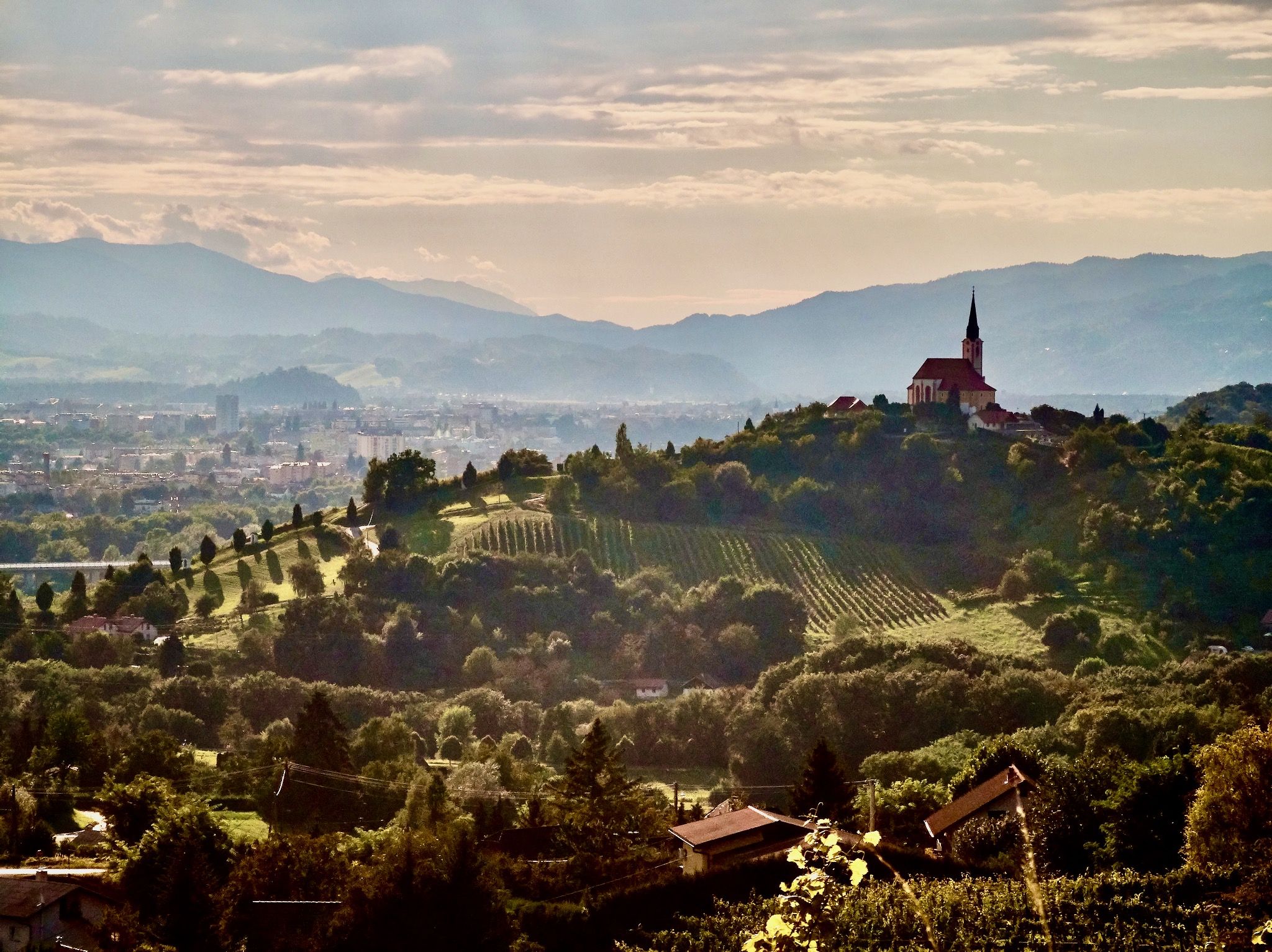
Budapest to Venice via the beautiful Soča Valley
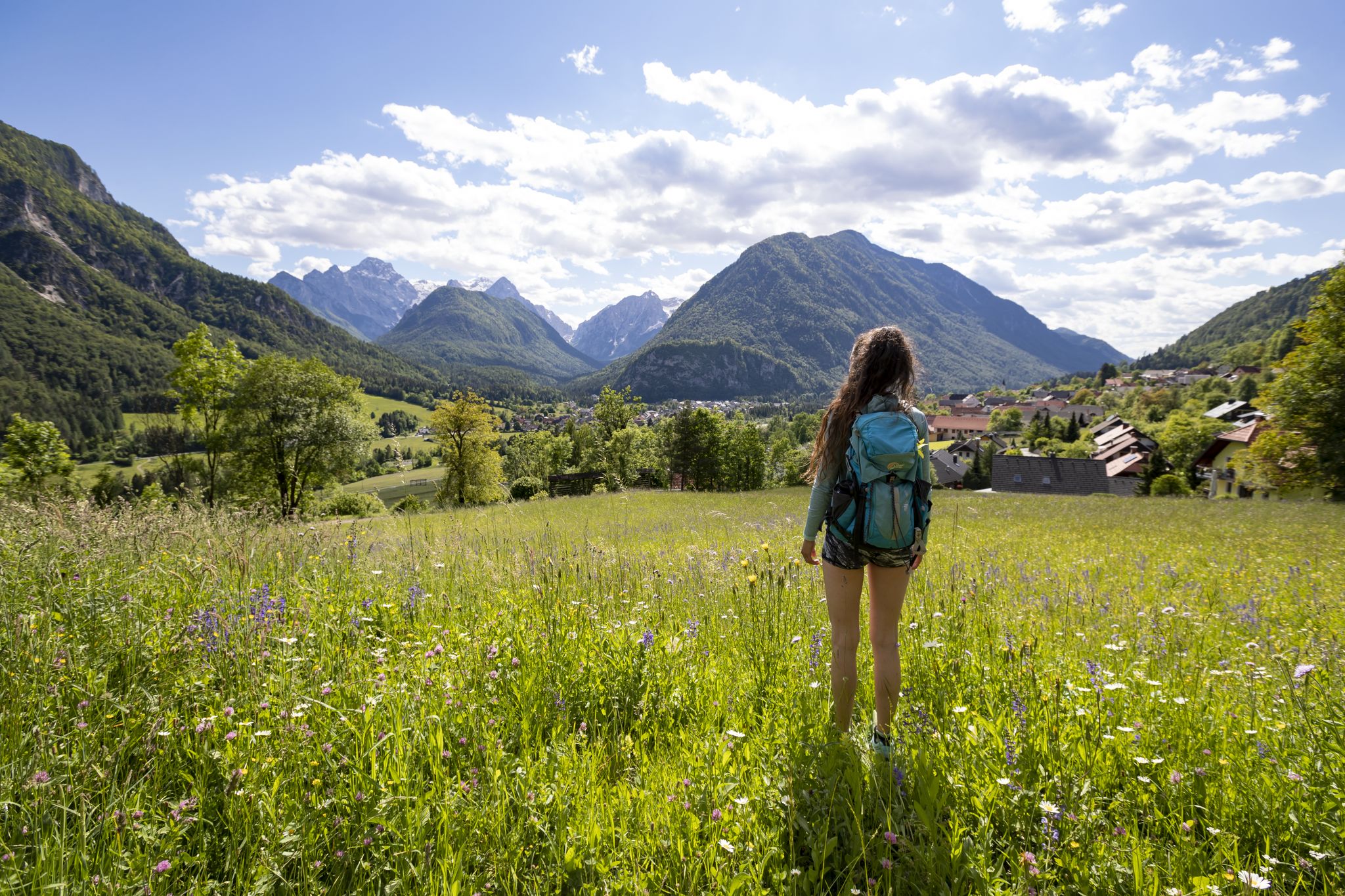
Uniquely secluded - long-distance hiking on Slovenia's Juliana Trail
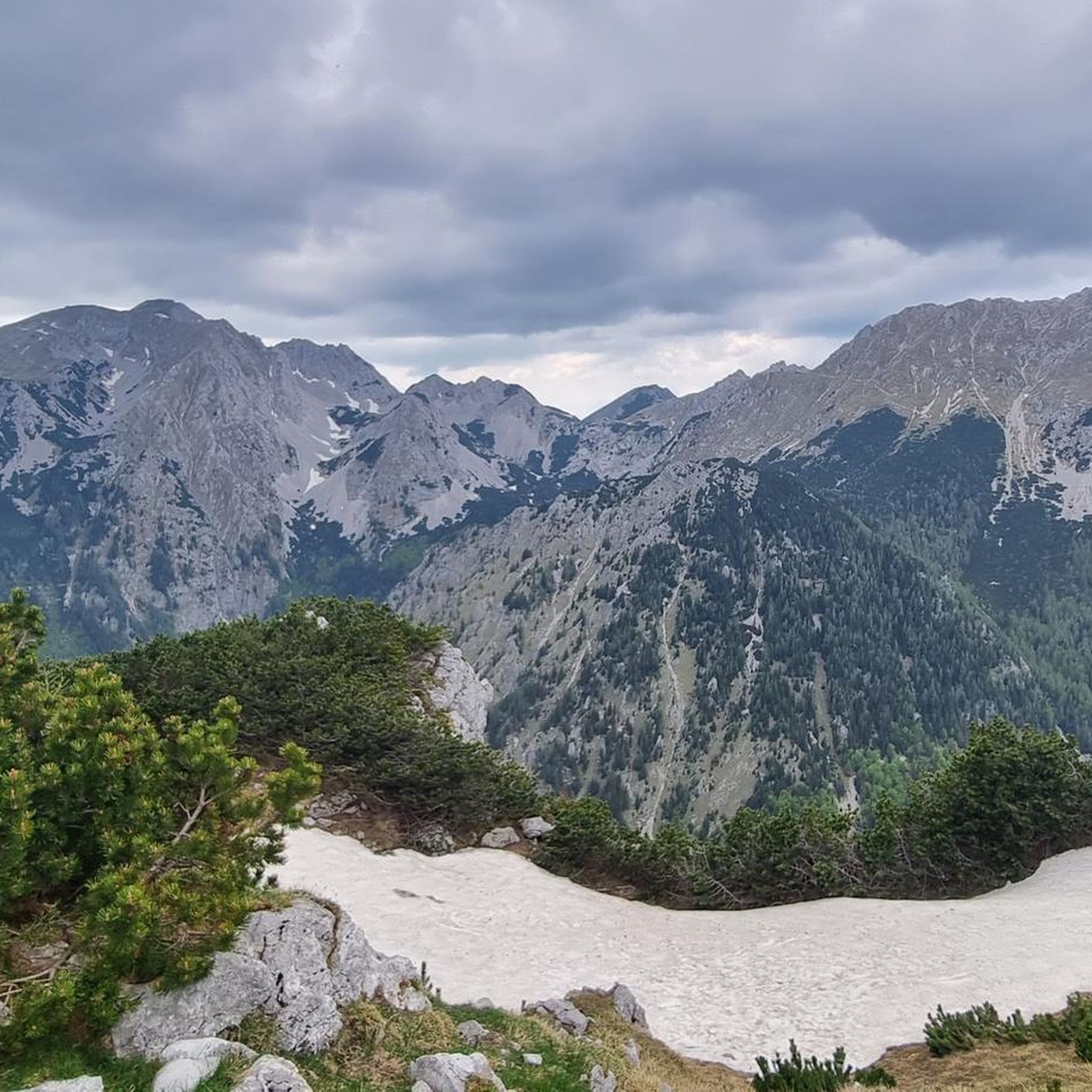
Road Cycling Routes around Radovljica
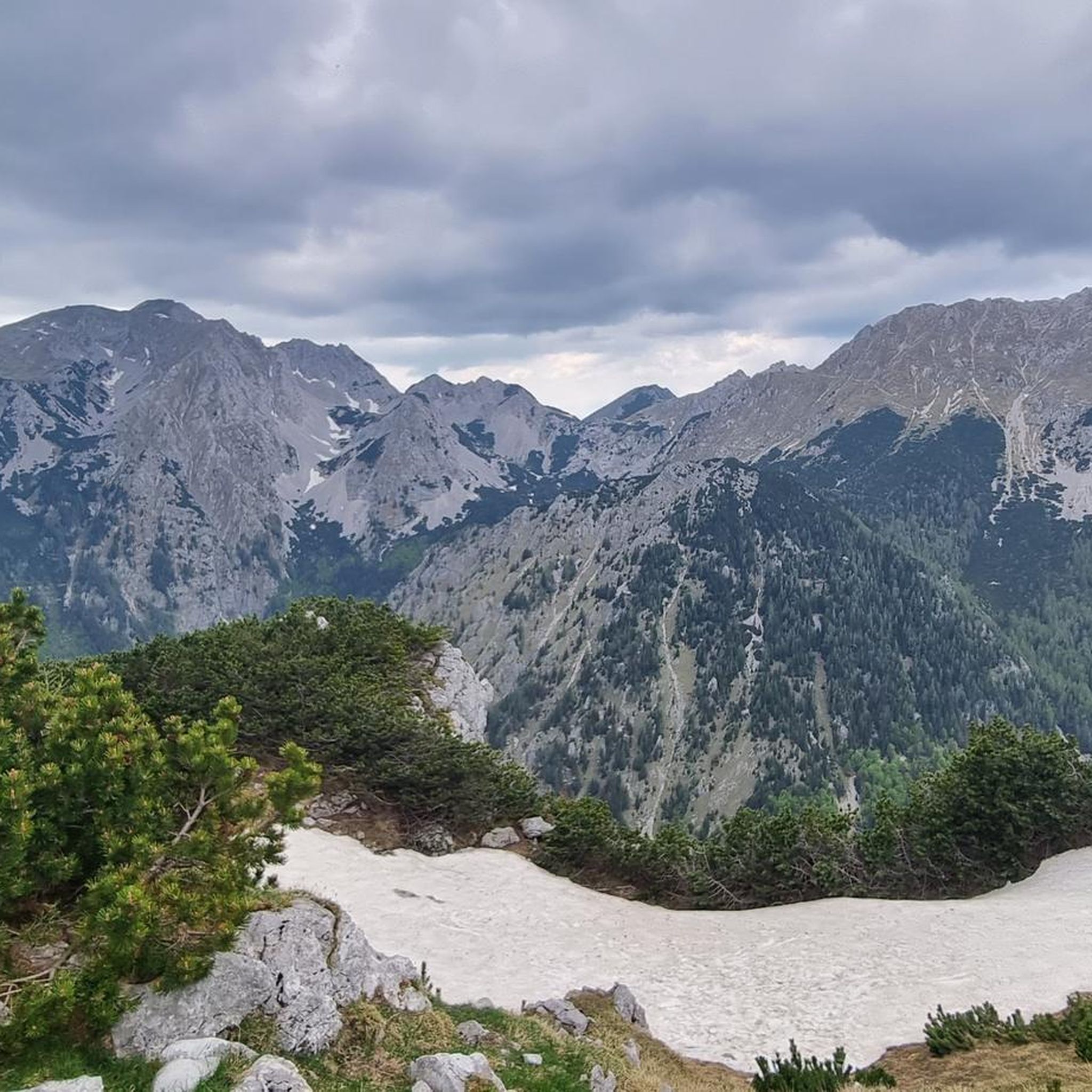
Cycling around Radovljica
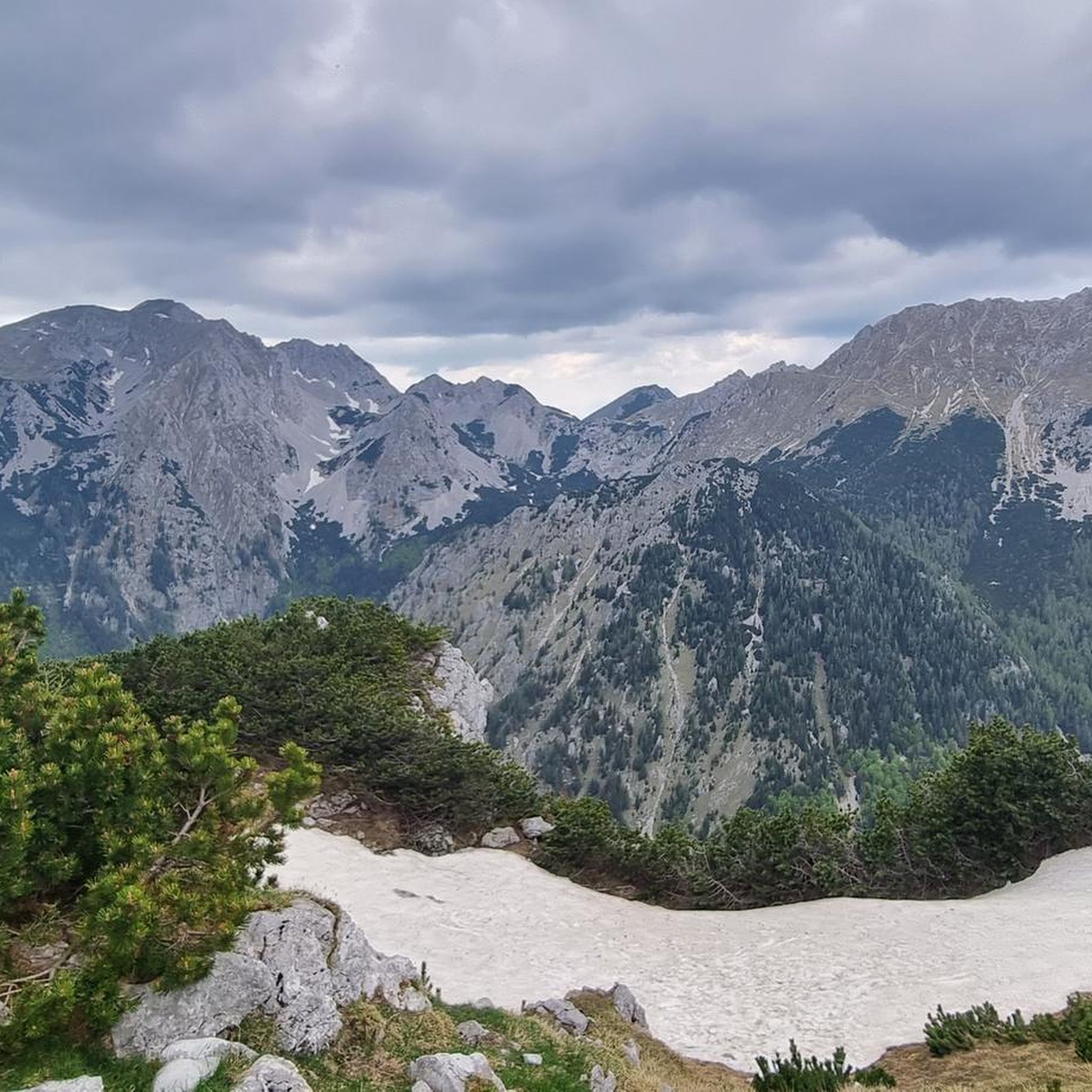
Hiking around Radovljica
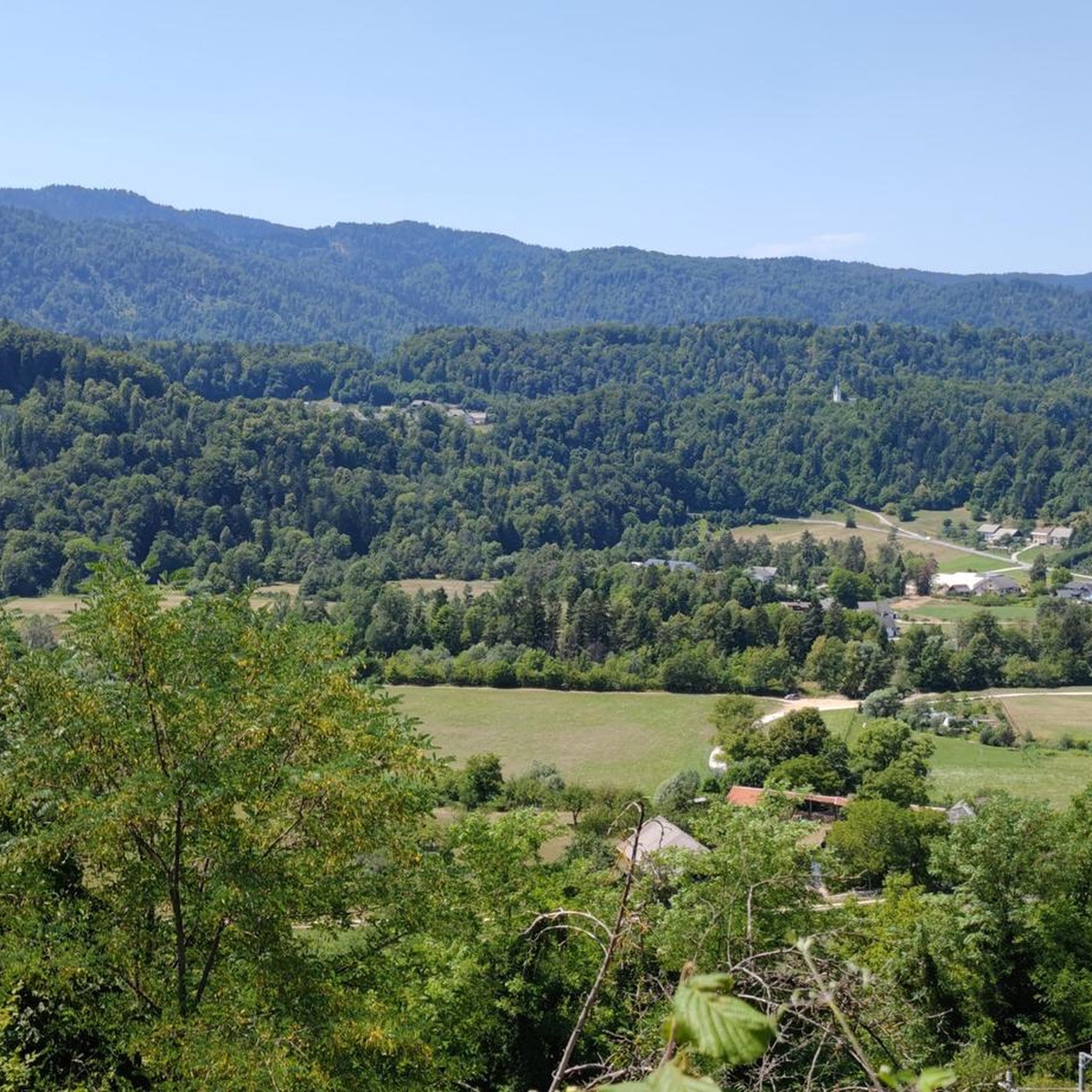
MTB Trails around Radovljica
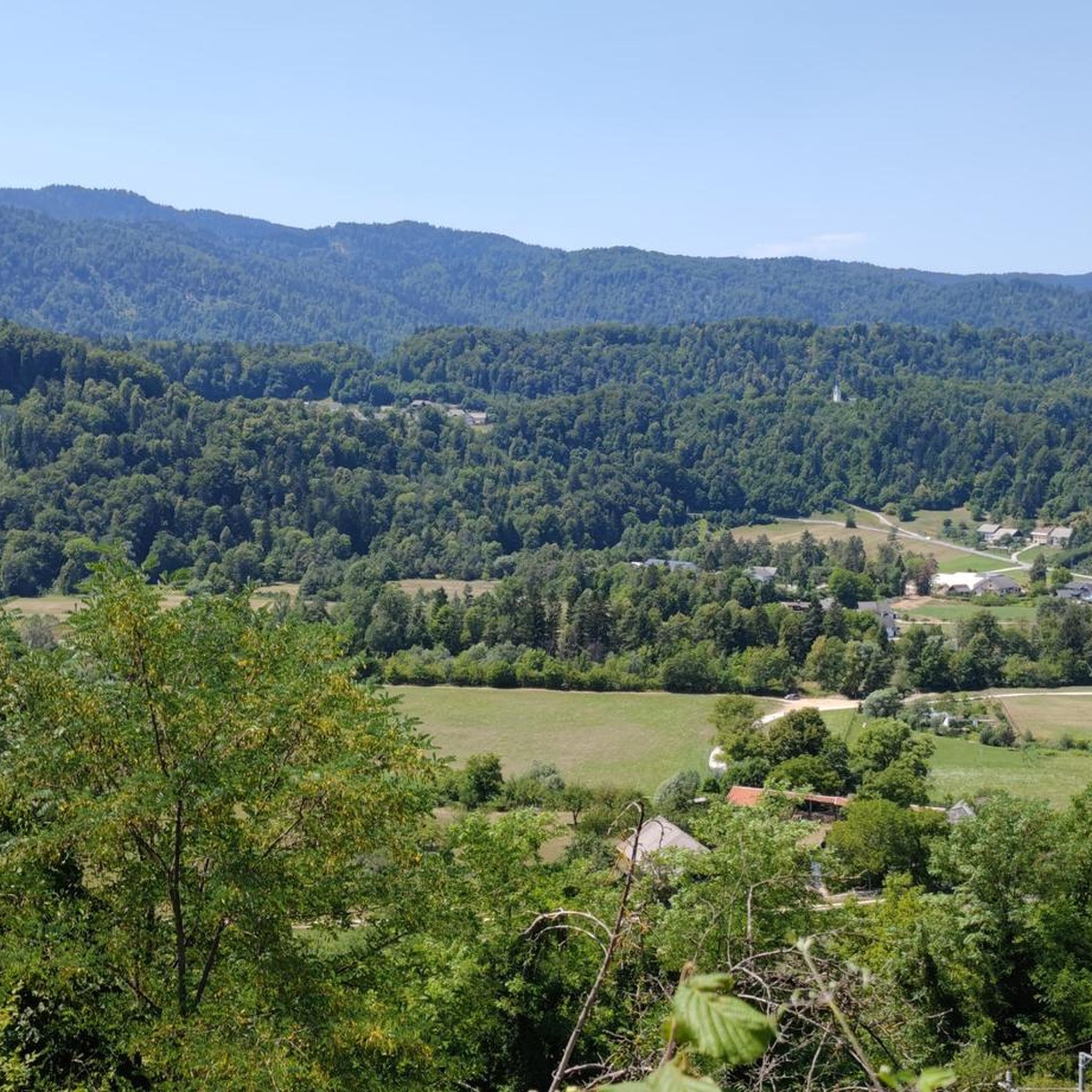
Running Trails around Radovljica

Mountain Hikes around Radovljica
Gravel biking around Radovljica
Other adventures around Radovljica


Tips from the Community

In the plain of the Radovljiška basin, flows the modest stream Blatnica. In its upper course it flows along the bottom of a deep ravine. In places where the stream has not yet carved out the rock, it creates small forests and even real waterfalls. The most interesting is the highest, more than 12 m high two-level waterfall. On its way, the stream hollowed out the living rock and carved it into the shape of a huge boulder next to which the current waterfall falls. Somehow halfway through this apparent boulder, the upper level of the waterfall falls into the pool and immediately from it into the lower, steeply cut-off level
0
0

interesting spring with deposits of tuff limestone and beautiful wetland biotope
0
0

Tuff spring water is rich in dissolved carbon dioxide and becomes saturated with calcium carbonate on its way underground. When it comes to the surface, carbon dioxide is released into the air and absorbed by the plants in and around the water for photosynthesis. When the dissolved calcium carbonate is no longer in chemical equilibrium with the remaining carbon dioxide, it precipitates out of the water and deposits on the plants, forming a thin, crusty layer. Soft plant parts decompose beneath the stone layer, but their imprints remain visible. These carbonate layers form a porous chemical sedimentary rock called tuff. Due to the presence of iron minerals, it can have a yellowish, brownish or reddish color. It is used for facades in construction and as decorative stone.
0
0

The Hudičev gradič (Little Devil's Castle) is a walled-up karst cave. According to legend, the devil was walled up here because he sabotaged the construction of Kamen Castle several times and caused it to collapse. The exact function is unknown. It is believed that the "window" was used as a lookout for enemies.
1
0

This spruce is really impressive in its dimension. It is about 41.5 m high and has a trunk diameter of about 102 cm. The age of the spruce is about 130 years.
0
0
The farmers in the 19th century could not bring their goats over the winter from hayloft. Therefore, the top of the trees was used as feed for the goats. This procedure could only be repeated every 3-5 years.
1
0
Frequently Asked Questions
What are some unique geological features to explore around Radovljica?
You can discover the fascinating Tufa Spring, where calcium carbonate precipitates to form porous rock. The broader region, particularly the Karavanke Mountains, also features significant karst phenomena like chasms, sinkholes, and underground caves, highlighted by the UNESCO-recognized Karavanke Geopark.
Are there any natural monuments with historical significance in the area?
Yes, the Hudičev Gradič (Kleine Teufelsburg) Cave is a walled-up karst cave with a local legend about the devil being walled up inside. It's also believed to have served as a lookout point historically.
What kind of forest natural monuments can I find near Radovljica?
The area is home to impressive forest natural monuments. You can visit the Vovkova Spruce (Norway Spruce), an approximately 130-year-old tree standing at 41.5 meters tall. Additionally, the Jelovica Plateau offers vast, protected pine forests, providing a sanctuary for endangered bird species.
What are the best places for tranquil walks and experiencing unspoiled nature?
The Lipnica Valley is ideal for peaceful walks or cycling along the Lipnica stream, offering unspoiled nature and scenic views. The Draga Valley also provides a serene escape with numerous hiking trails through woods and by rivers, perfect for nature lovers.
Are there any family-friendly natural monuments or activities?
Many natural sites offer family-friendly experiences. The Vovkova Spruce (Norway Spruce) is an accessible forest monument. For broader family activities, the Vintgar Gorge offers an easy and scenic walk on wooden walkways, and Lake Bohinj provides opportunities for swimming, kayaking, and gentle hikes.
Where can I witness unique river formations or confluences?
You can visit the unique confluence of the Sava River, where the Sava Dolinka and Sava Bohinjka merge. This spot is considered an area of natural value of national importance and is perfect for relaxing walks to witness the 'birthplace' of Slovenia's longest river.
What outdoor activities are available near these natural monuments?
The region around Radovljica offers diverse outdoor activities. You can find numerous hiking trails, including those in the Draga Valley and the Karavanke Mountains. There are also great opportunities for cycling routes along the Lipnica stream and around Lake Bohinj, as well as running trails.
Which natural monuments offer impressive viewpoints or panoramic vistas?
The Karavanke Mountains provide superb panoramic views over the Gorenjska basin and the Julian Alps from peaks like Mt. Stol. The Jelovica Plateau also features sunny mountain pastures like Talež and Goška ravan, offering excellent vistas. Additionally, the Blatnica Waterfall offers a scenic viewpoint within a deep ravine.
What is the best time to visit the natural monuments around Radovljica?
The best time to visit is generally from spring to autumn (May to October) when the weather is mild and ideal for outdoor activities like hiking and cycling. During these months, the natural landscapes are vibrant, and access to trails and attractions is typically unrestricted.
Are there any significant protected natural areas nearby?
Yes, the region is close to Triglav National Park, Slovenia's only national park, known for its pristine waters, towering mountains, and rich biodiversity. The Jelovica Plateau and the Karavanke Mountains are also part of the Natura 2000 protected zones, safeguarding important habitats and species.
Can I find any unique waterfalls in the Radovljica area?
Absolutely! The Blatnica Waterfall is a notable two-level waterfall over 12 meters high, carved by the Blatnica stream into the living rock. Further afield, the Vintgar Gorge features the impressive 13-meter-high Šum Waterfall.
What do visitors enjoy most about the natural monuments in Radovljica?
Visitors particularly appreciate the diverse landscape, from the unique geological formations like the Tufa Spring to the impressive size of the Vovkova Spruce. The historical intrigue of sites like the Hudičev Gradič Cave also captures interest, alongside the overall tranquility and natural beauty of the region.
Most popular routes around Radovljica
Most popular attractions around Radovljica

Get inspired with the komoot mobile app


Explore more
Extend your search for the best caves by checking out these guides of the top ones around Radovljica:
