Top 12 Natural Monuments around Covelães
Best natural monuments around Covelães are found within the municipality of Montalegre, an area that forms part of the Peneda-Gerês National Park. This region features a diverse natural landscape, including impressive waterfalls, ancient geological formations, and historical sites. The natural attractions offer insights into past human-wildlife interactions and traditional land use. Visitors can explore a variety of natural monuments that showcase the unique features of this Portuguese region.
Best natural monuments around Covelães
- The most popular natural monuments is Sete…
Last updated: June 30, 2026
Cela Cavalos Waterfall
Highlight • Waterfall
Translated by Google •
Tip by

Sete Lagoas (Seven Lagoons)
Highlight • Lake
Translated by Google •
Tip by
Sign up now to discover places like this
Get recommendations on the best single tracks, peaks, & plenty of other exciting outdoor places.
Sign up for free
Pitões das Júnias Waterfall
Highlight • Waterfall
Translated by Google •
Tip by

Seven Lagoons of Gerês
Highlight • Lake
Translated by Google •
Tip by
Dolmen of Casola do Foxo
Highlight • Historical Site
Translated by Google •
Tip by

Sign up for free to discover even more natural monuments around Covelães.
Sign up for free
Already have an account?
Start today with a free account
Your next adventure awaits.
Login or Signup
Tips from the Community

The waters of this waterfall come from the Pitões stream, which, due to the uneven terrain, develops over several levels, the first of which is about 30 meters high and flows into a lake bounded by granite outcrops. This waterfall is one of many in the Barroso region and feeds several rivers that originate in the Serra do Gerês.
0
0
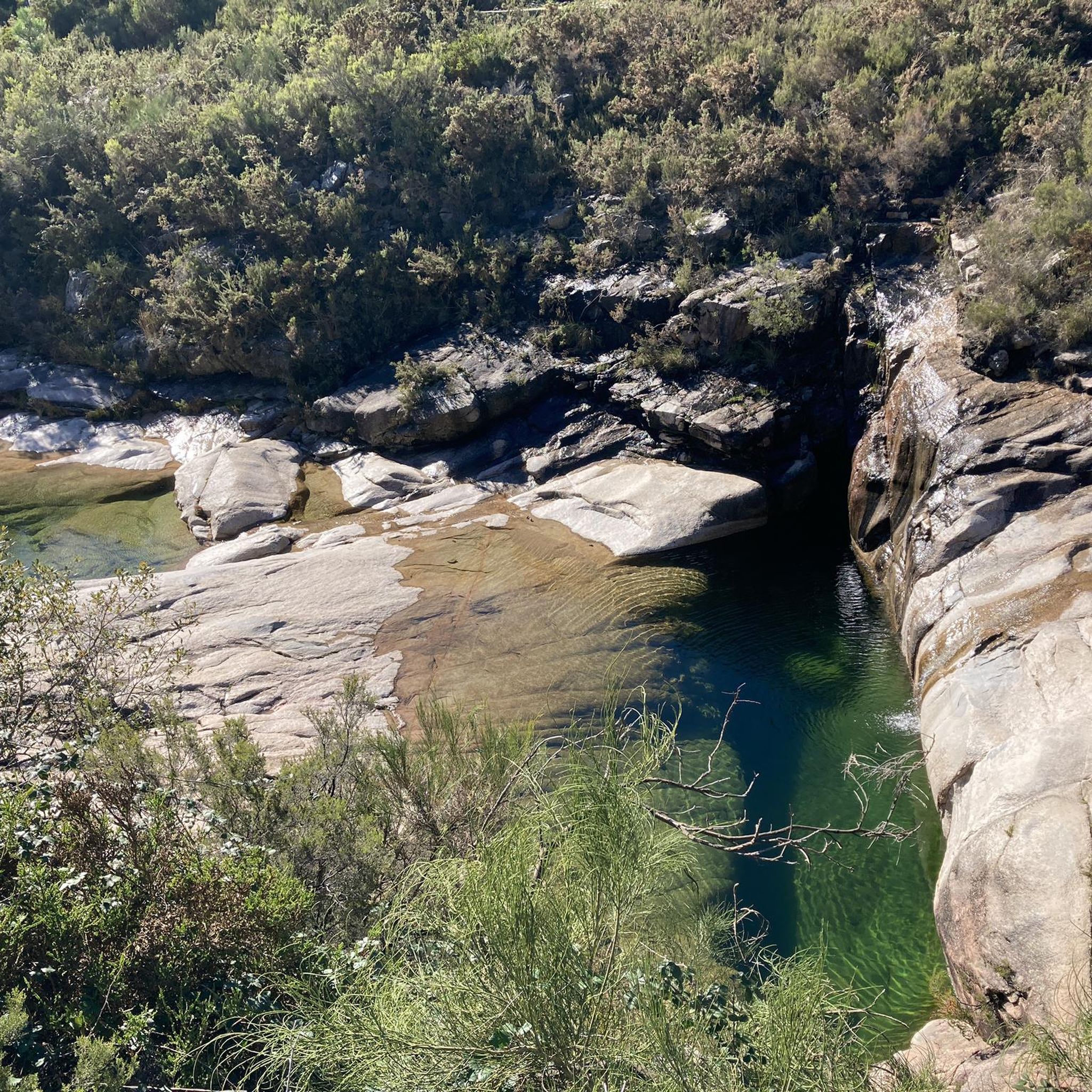
Cela Cavalos Waterfall, or Cela de Cavalos, is a paradisiacal waterfall located in the municipality of Montalegre, in the Peneda-Gerês National Park. With crystal-clear waters, it's a perfect spot for summer swimming, hiking, and nature contemplation. The main access point is from the village of Cela.
0
0
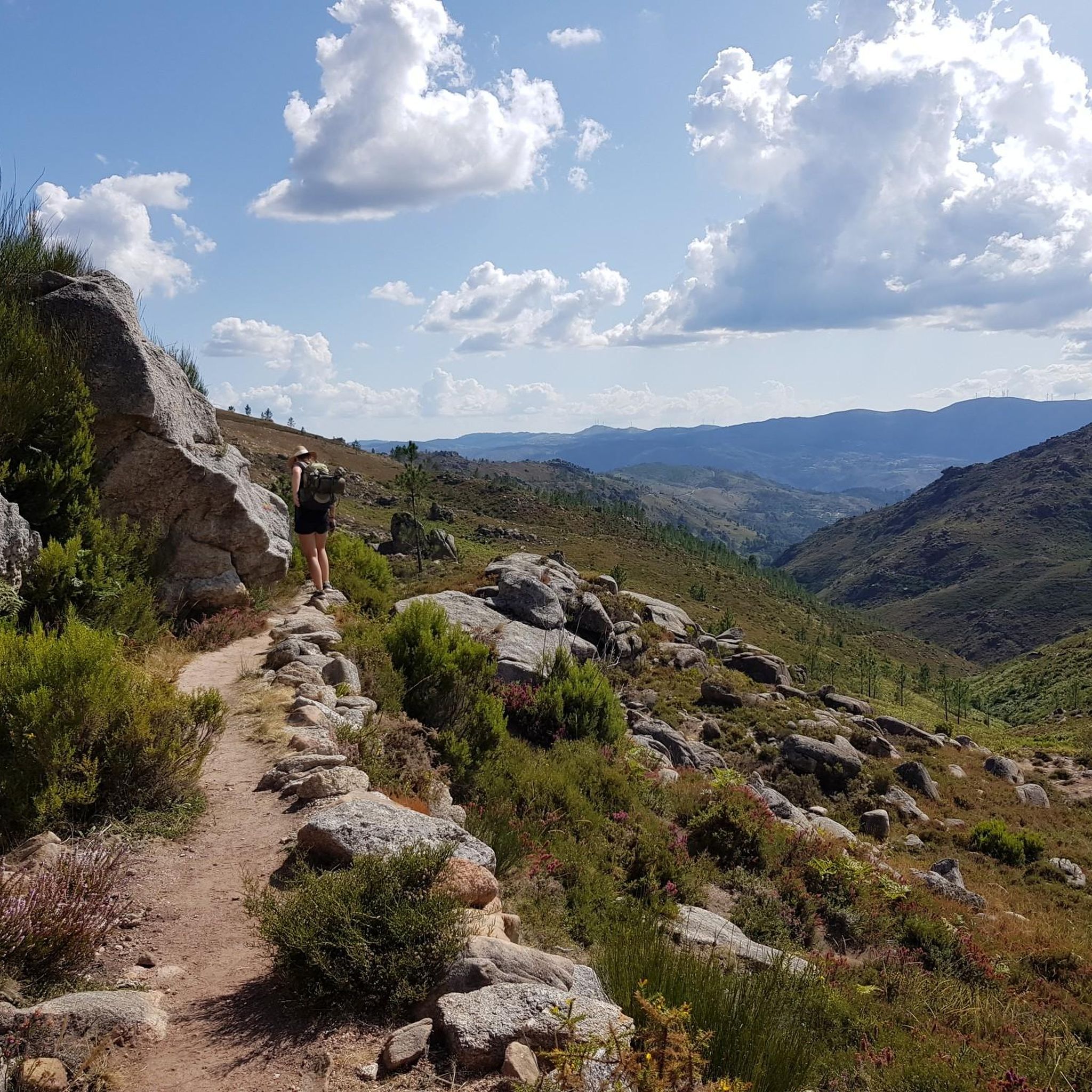
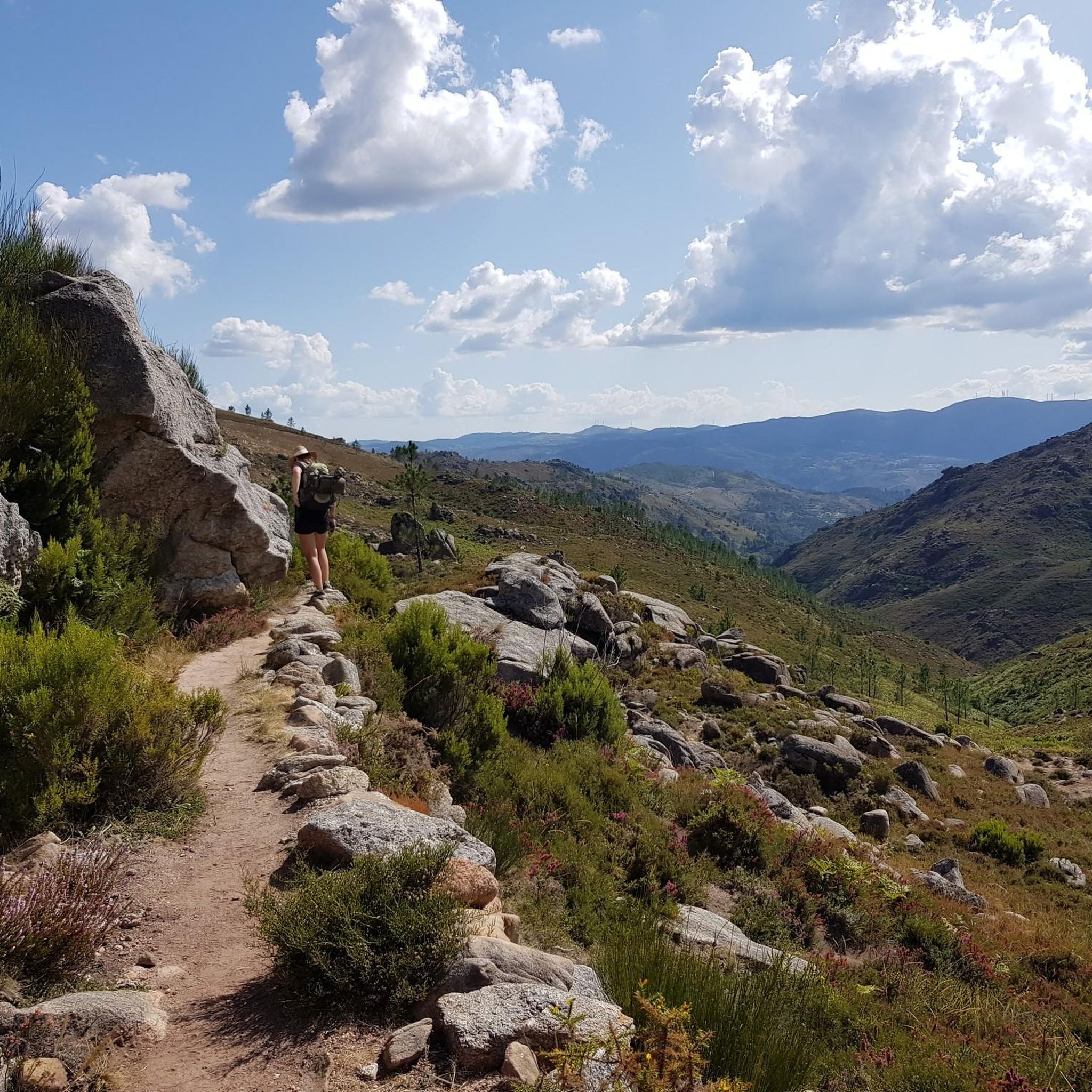
There is a beautiful landscape nearby to enjoy.
0
0

From the top of the Pitões waterfall, in addition to the impressive waterfall, you can see the beautiful Beredo oak forest, where the Pyrenean oak is a perennial species, perfectly adapted to the climate and altitude of this region. If you look towards the horizon, the imposing outline of the Gerês mountain range completes this scene of pure natural beauty.
1
0

It has a burial chamber with approximate dimensions of 3.5 metres long, 2 metres wide and a height of up to 2 metres. The stones that form it, known as orthostats, can reach an estimated weight of between 500 and 1,500 kilograms each, depending on their size and thickness. These large granite slabs, typical of dolmens, were carefully placed by Neolithic communities as collective funerary monuments, reflecting the effort and ritual importance of the place.
1
0
Dating back to the Neolithic period (approximately between 4,000 and 3,000 BC), this dolmen, made up of large stone slabs arranged vertically and covered by a top slab, served as a collective tomb. It is one of the most representative examples of prehistoric funerary architecture in the region.
1
0

One of the most beautiful waterfalls in the National Park, the Cela Cavalos Waterfall is fed by the crystal clear waters of the Cavadas and Cela Cavalos streams and, in addition to the striking waterfall that forms a large natural pool, it also has a beautiful lagoon of emerald green water hidden at the top of the waterfall.
3
3
The Cela Cavalos waterfall is fed by the crystal clear waters of the Cavadas and Cela Cavalos streams and, in addition to the striking waterfall that forms an irresistible natural pool, it also has a delightful lagoon with emerald green water hidden above the waterfall. The landscape is disarmingly beautiful! To get there, you have to walk and sometimes climb - about 3 km on the way there and 1.5 km on the way back. You are rewarded with absolute peace and an incomparable panorama, to which the ruins of the two old mills contribute.
4
3
Frequently Asked Questions
What are some unique natural attractions to explore near Covelães?
Beyond the well-known spots, you can discover the fascinating Sete Lagoas (Seven Lagoons), a series of natural pools carved into rock. The path to these lagoons also allows you to see an old wolf trap, offering a glimpse into historical human-wildlife interactions. Another unique site is the Dolmen of Casola do Foxo, a Neolithic funerary monument that showcases ancient human presence in the landscape.
Are there any historical or cultural natural monuments in the Covelães area?
Yes, the region offers a blend of natural beauty and history. The Dolmen of Casola do Foxo is a significant Neolithic site, serving as a collective tomb from approximately 4,000 to 3,000 BC. Additionally, near the Pitões das Júnias Waterfall, you can find the ruins of the 12th-century Monastery of Santa Maria das Júnias, adding a historical layer to the natural experience.
What kind of outdoor activities can I do near the natural monuments around Covelães?
The area around Covelães, particularly within the Peneda-Gerês National Park, is excellent for outdoor activities. You can enjoy hiking, with routes like the 'Parking lot – View of Pitões Waterfall loop from Pitões das Junias' or the 'Cela Cavalos Waterfall loop from Capela de Santa Luzia'. For more options, explore the hiking routes around Covelães. Road cycling is also popular, with routes such as the 'Montalegre Castle – Montalegre loop from Penedones' available in the road cycling guide for Covelães.
Which natural monuments are suitable for families with children?
The Pitões das Júnias Waterfall is a great option. A short walk from the parking area leads to a wooden platform with excellent views, making it accessible for most. The nearby village of Pitões das Júnias is also charming. For an easy hike, consider the 'Parking lot – View of Pitões Waterfall loop from Pitões das Junias' which is an easy 4.8 km route. The lagoons at Pitões das Júnias are also inviting for swimming in summer.
What is the best time of year to visit the natural monuments in this region?
The natural monuments around Covelães are beautiful year-round, but the best time depends on your preference. For powerful waterfalls and lush greenery, visit after a rainy period, typically in spring or late autumn. Summer is ideal for swimming in the natural pools, such as those at Cela Cavalos Waterfall or Pitões das Júnias. The region's climate is well-suited for hiking from spring through autumn.
Are there any natural swimming spots or lagoons near Covelães?
Yes, the area is known for its refreshing natural swimming spots. The Cela Cavalos Waterfall features crystal-clear waters cascading into a small lagoon, perfect for summer swimming. It also has flat rock slabs ideal for sunbathing. Additionally, the Sete Lagoas (Seven Lagoons) are a series of natural pools carved into the rock, offering another unique place to cool off.
How difficult are the trails to reach the natural monuments?
The difficulty varies. For instance, reaching the Cela Cavalos Waterfall involves a hike of about 3 km on the way there and 1.5 km back, which can include some climbing. The path to Sete Lagoas is also considered intermediate. However, there are easier options, such as the short walk to the viewing platform for the Pitões das Júnias Waterfall. You can find easy hiking routes in the easy hikes guide for Covelães.
Where can I find parking when visiting the natural monuments?
Specific parking information can vary for each site. For the Pitões das Júnias Waterfall, there is a parking area a short walk from the waterfall. For Cela Cavalos Waterfall, visitors often park near the Chapel of Santa Luzia and follow the sound of the waterfall. It's advisable to check local signage upon arrival, especially within the Peneda-Gerês National Park.
What wildlife might I encounter near the natural monuments?
The region, being part of the Peneda-Gerês National Park, is rich in biodiversity. Historically, the area was known for wolves, as evidenced by the Fojo do Lobo da Portela da Fairra, a large 18th-century wolf trap. While direct wolf sightings are rare, you might spot various bird species, wild horses (garranos), deer, and other smaller mammals. The Beredo oak forest near Pitões das Júnias Waterfall is a good place for birdwatching.
Are there any hidden gems or less-known natural monuments worth visiting?
While not entirely hidden, the Cela Cavalos Waterfall offers a secluded and wild setting that feels off the beaten tourist path. Its tranquil escape and the delightful lagoon hidden above the main cascade make it a true gem. The area around the Sete Lagoas also provides a sense of discovery, especially when exploring the old levada and wolf trap along the path.
How long should I allocate to visit the natural monuments around Covelães?
The time needed varies by site. For a quick visit to a viewpoint like Pitões das Júnias Waterfall, an hour or two might suffice. However, to fully experience places like Cela Cavalos Waterfall or Sete Lagoas, especially if you plan to hike, swim, or relax, you should allocate at least half a day for each. If you combine multiple sites or longer hikes, a full day or more would be ideal.
Can I find cafes or restaurants near the natural monuments?
While Covelães itself is a small village, you can find amenities in nearby larger villages. For example, the picturesque village of Pitões das Júnias is close to the Pitões das Júnias Waterfall and offers some local establishments. It's always a good idea to bring water and snacks, especially when venturing into more secluded areas of the Peneda-Gerês National Park.
Most popular attractions around Covelães

Get inspired with the komoot mobile app


Explore more
Extend your search for the best caves by checking out these guides of the top ones around Covelães:
