Top 20 Natural Monuments around Palmela
Best natural monuments around Palmela encompass a varied landscape, including parts of the Arrábida Natural Park and the Sado Estuary Nature Reserve. The municipality features dramatic limestone cliffs, lush green hills, and significant wetlands. This area is known for its ecological diversity, historical sites, and geological features, offering opportunities for exploration.
Best natural monuments around Palmela
- The most popular natural monuments is Lapa de Santa Margarida Cave and Chapel, a cave that features a small altar within a natural…
Last updated: October 16, 2026
Formosinho Peak
Highlight • Summit
A very tough climb, an even tougher descent... Not accessible to everyone...
Translated by Google •
Tip by

Lapa de Santa Margarida Cave and Chapel
Highlight • Cave
Tip by

Sign up now to discover places like this
Get recommendations on the best single tracks, peaks, & plenty of other exciting outdoor places.
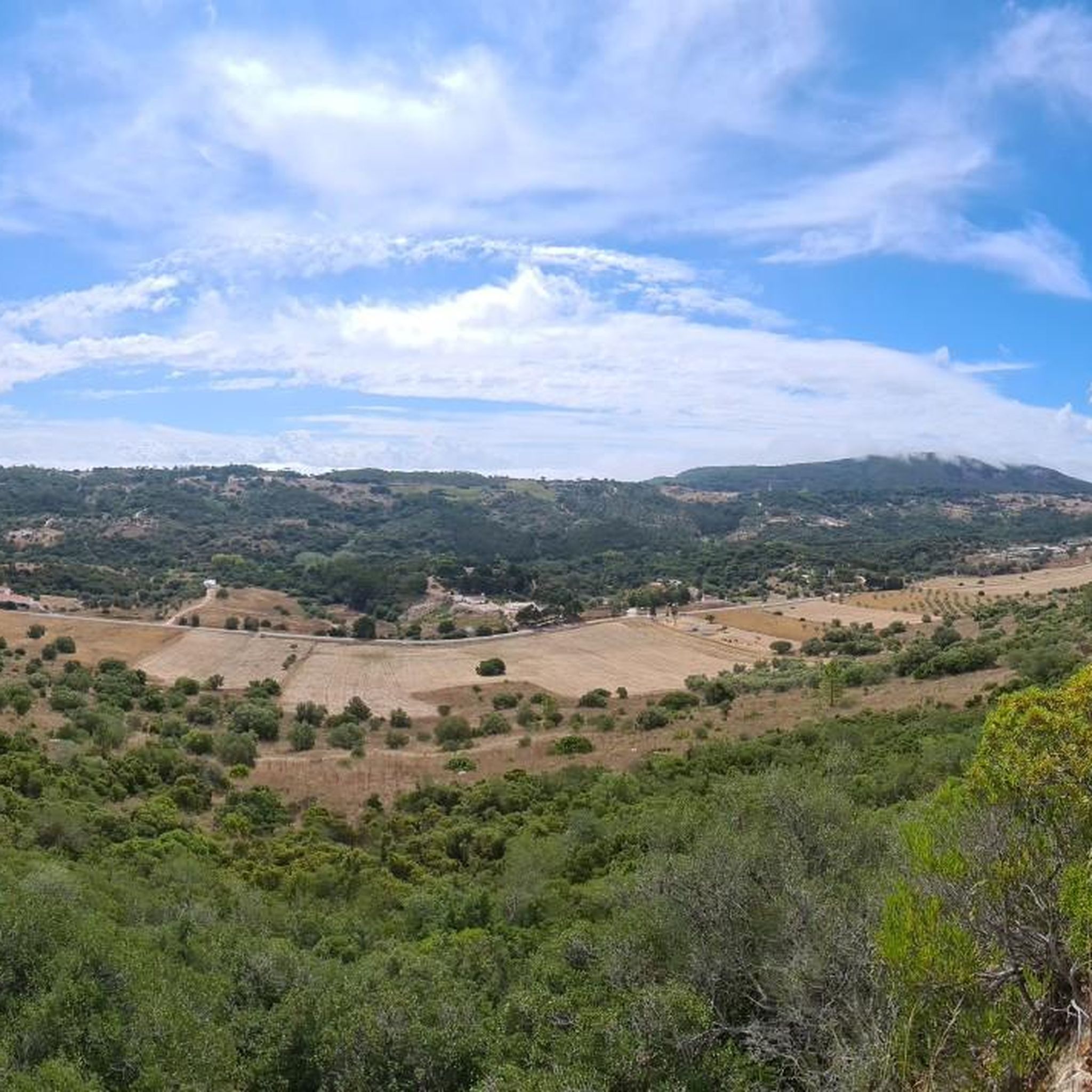
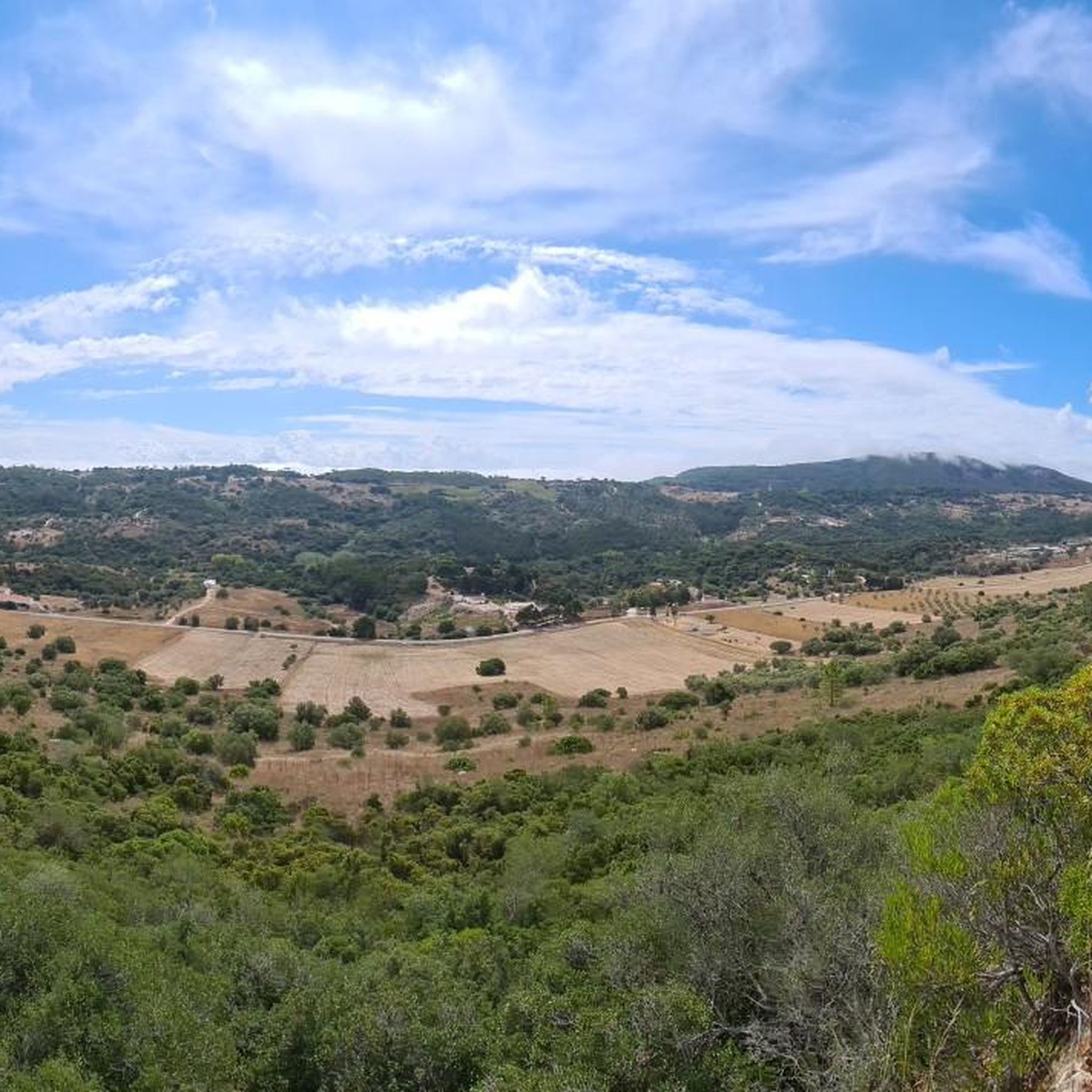
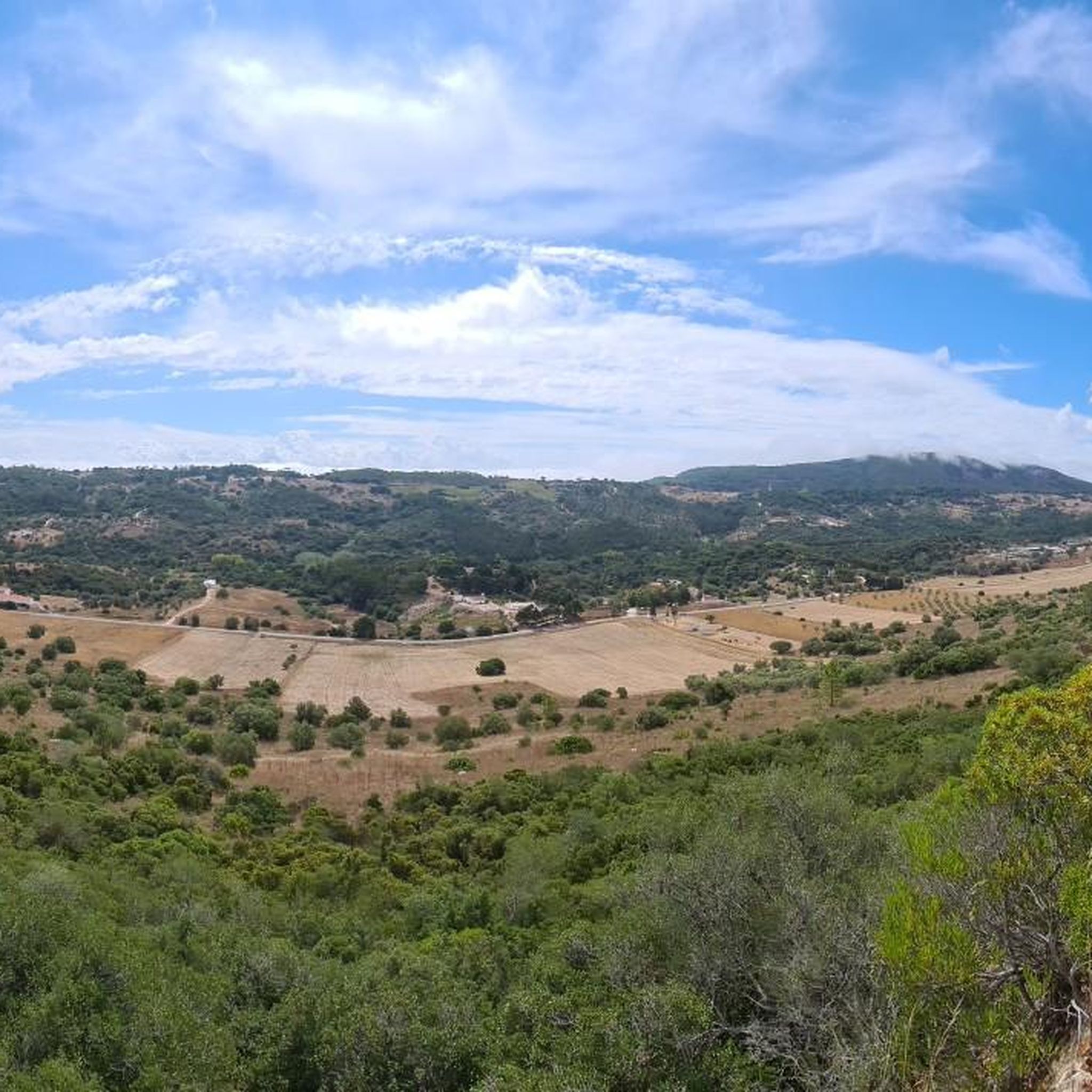
Panoramic View over the Arrábida
Highlight • Viewpoint
Translated by Google •
Tip by
São Luís Lookout
Highlight • Viewpoint
Tip by

Portuguese oak
Highlight • Natural Monument
Translated by Google •
Tip by
Sign up for free to discover even more natural monuments around Palmela.
Already have an account?
Start today with a free account
Your next adventure awaits.
Tips from the Community


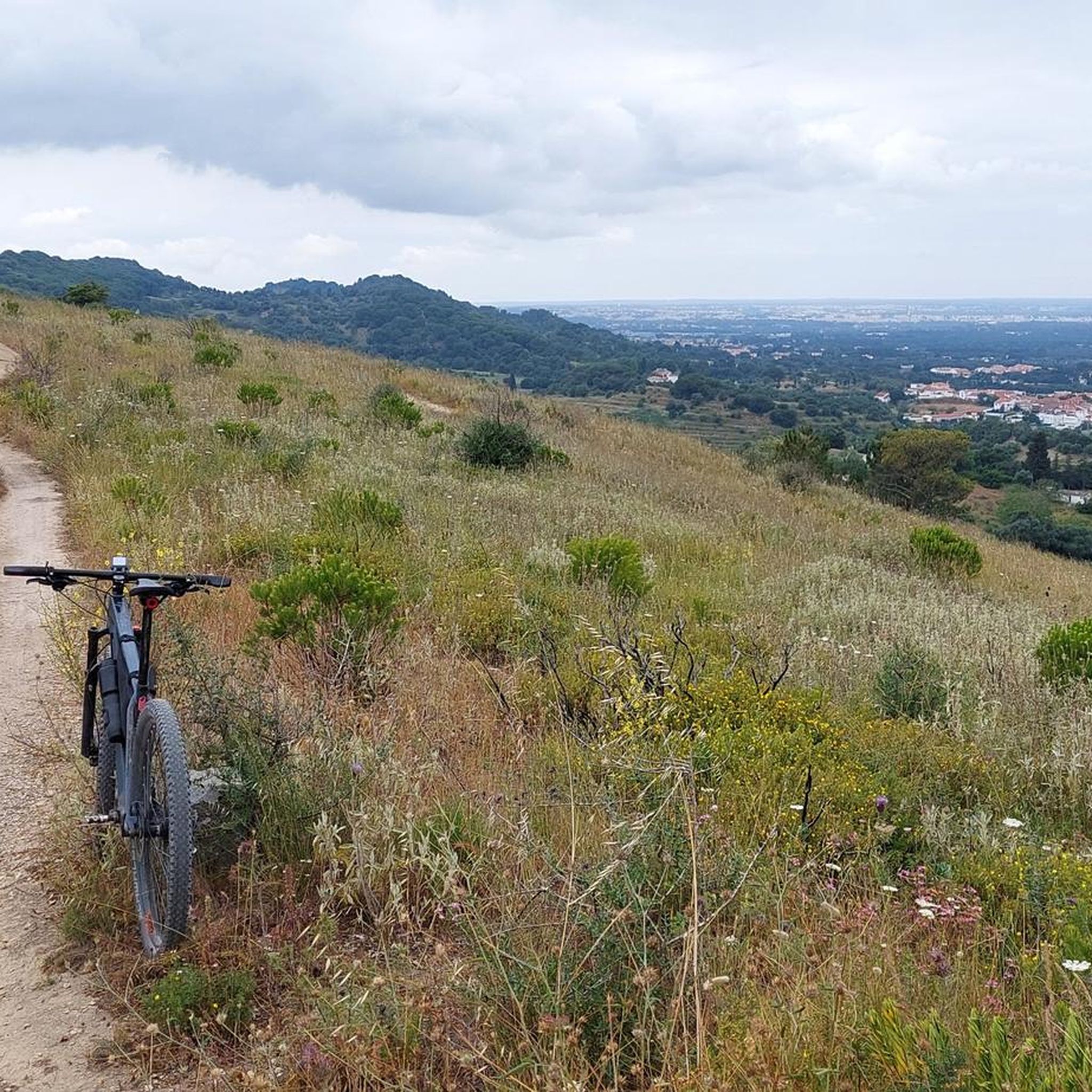
On foot or by bike, Arrábida is always a privilege of nature.👍🇵🇹
0
0

Don't miss the opportunity to sign the summit book. The summit book is located in the small plastic container with the green lid, covered with a stone.
2
0

The chapel was probably built in the 17th or perhaps 18th century, as a place of Christian worship that, most likely, succeeded other previous cults, namely those related to water or even initiation rites linked to the idea of the rebirth of the soul.
4
0
Lapa de Santa Margarida is a natural grout at the base of Arrábida Mountain, where a small altar was erected. The access is done by a narrow path, with over 200 steps, until the sea level. Inside there is a Christian altar with some images and candles. The image of Saint Margaret was initially in this chapel, thus having given her name to this place.
4
0
The Portuguese oak can be considered an intermediate species between the oaks of the north of the country and those of the south, that is, between the black oak and the oak, and the cork oak and holm oak. This tree grows slowly and inhabits habitats that are generally limiting for most other trees. Like the holm oak, the acorns of this oak are also used in the feed of the wild pig.
6
0
This linear route runs along the northern and southern slopes of the Serra da Arrábida up to Portinho da Arrábida, passing through the highest point of the mountain range, Alto do Formosinho, marked with a geodesic marker at 501 metres. This route, which is of the highest level of difficulty, is the closest to mountaineering conditions, due to the steep incline and the characteristics of the terrain. It is one of the most charismatic routes in the region, due to its connection to the first settlements of Arrábida (Castelo dos Mouros rock formation) and the ancient pilgrimage candles of devotion to Our Lady of Arrábida, which are still maintained, due to the challenge of reaching the peak, through dense vegetation, areas of gravel and rock climbing, and also through the endless landscapes that connect the Sado estuary to the Tagus and the border between Finisterra and the ocean.
3
0
It is the highest point of the Serra da Arrábida and it is not easy to get up there!...
3
0
Frequently Asked Questions
What are some of the most significant natural monuments in Palmela?
Palmela is home to several significant natural monuments. The Formosinho Peak is the highest point in the Serra da Arrábida, offering extensive views. The Lapa de Santa Margarida Cave and Chapel is a unique natural grotto with historical and religious significance. Beyond these, the region encompasses parts of the Arrábida Natural Park, known for its dramatic limestone cliffs and diverse flora, and the Sado Estuary Nature Reserve, an internationally important wetland.
What unique natural features can I explore in Palmela?
You can explore a variety of unique natural features. The Arrábida Natural Park boasts dramatic limestone cliffs, lush green hills, and a unique 'maquis' vegetation, including ancient Mediterranean species. The Sado Estuary Nature Reserve is a critical habitat for around 200 bird species and is the only known location on the Portuguese coast with a resident population of bottlenose dolphins. You can also find ancient trees, such as the Millenary Olive Trees of Azeitao.
Are there any historical or archaeological natural monuments in Palmela?
Yes, Palmela offers fascinating historical and archaeological natural monuments. The Windmills of Serra do Louro are historical testaments to the region's agricultural past, with 18 preserved windmills offering picturesque views. Additionally, the Artificial Caves of Quinta do Anjo are significant archaeological sites, classified as a National Monument, which served as collective burial sites during the Late Neolithic and Copper Age, providing insight into prehistoric communities.
What is the best time to visit the natural monuments around Palmela?
The best time to visit Palmela's natural monuments generally depends on your interests. Spring and autumn offer pleasant temperatures for hiking and exploring. For birdwatching in the Sado Estuary, migratory seasons (autumn and spring) are ideal. Summer is great for enjoying the coastal areas of Arrábida, though it can be busier. Winter offers a quieter experience, with opportunities for hiking in cooler weather.
Are there family-friendly natural monuments in Palmela?
Yes, several natural monuments in Palmela are suitable for families. The Millenary Olive Trees of Azeitao offer an easy and interesting visit. The Serra do Louro, with its historic windmills, provides scenic paths for walks and offers views of Palmela Castle, which can be enjoyable for families. The Sado Estuary Nature Reserve also offers opportunities for wildlife observation, such as dolphin watching, which can be a memorable family activity.
What kind of wildlife can I expect to see in Palmela's natural monuments?
Palmela's natural monuments are rich in biodiversity. In the Sado Estuary Nature Reserve, you can expect to see a wide array of bird species, including flamingos, white storks, and mallards, as well as the unique resident population of bottlenose dolphins. The Arrábida Natural Park is home to diverse flora, including cork oaks, strawberry trees, and tree heaths, and supports various terrestrial and marine life.
What outdoor activities can I do near Palmela's natural monuments?
The area around Palmela's natural monuments offers a range of outdoor activities. You can find numerous hiking trails, including moderate routes like the 'Alcaria of Alto da Queimada – Portuguese oak loop' or the 'Roman Road – Castle Hillside' loop. For cyclists, there are road cycling routes, such as the 'Millenary Olive Trees of Azeitao – Casa das Esguias loop', and MTB trails like the 'View of Palmela Castle – Moinhos por Baixo Trail loop'. You can explore more options on the Hiking around Palmela, Road Cycling Routes around Palmela, and MTB Trails around Palmela guide pages.
Where can I find panoramic views of the Arrábida Natural Park?
For breathtaking panoramic views of the Arrábida Natural Park, you can visit the Panoramic View over the Arrábida. Another excellent spot is the Formosinho Peak, the highest point in the Serra da Arrábida, which offers extensive vistas connecting the Sado estuary to the Tagus. Driving along the scenic Estrada de Escarpa (N379) within the park also provides numerous viewpoints.
What are the difficulty levels for exploring these natural monuments?
The difficulty levels vary significantly. Some areas, like the Formosinho Peak, involve a very tough climb and descent, making it a challenging route with steep inclines and rocky terrain. The access to Lapa de Santa Margarida Cave and Chapel involves a narrow path with over 200 steps. However, many areas within the Arrábida Natural Park and around the Windmills of Serra do Louro offer easier, more accessible paths suitable for moderate walks.
Are the natural monuments around Palmela accessible by public transport?
While some areas are more accessible than others, reaching many natural monuments in Palmela often requires private transport. However, some locations, especially those closer to towns like Azeitão or Palmela, might be reachable by local bus services. For specific routes like the Serra do Louro windmills, checking local transport schedules is advisable, though options might be limited.
What do visitors particularly enjoy about the natural monuments in Palmela?
Visitors particularly enjoy the diverse landscapes, from the dramatic coastal cliffs of Arrábida to the serene wetlands of the Sado Estuary. The challenging climbs to viewpoints like Formosinho Peak are appreciated for their rewarding vistas. The historical and cultural insights offered by sites like the Lapa de Santa Margarida Cave and Chapel and the ancient windmills also draw significant interest. The opportunity for wildlife spotting, especially the bottlenose dolphins, is a major highlight.
Most popular routes around Palmela
Most popular attractions around Palmela

Get inspired with the komoot mobile app


Explore more
Extend your search for the best caves by checking out these guides of the top ones around Palmela:
