Top 14 Natural Monuments around Cova Da Piedade
Best natural monuments around Cova Da Piedade are found in its broader vicinity, as Cova Da Piedade itself is primarily an urban area within Almada. The region offers diverse landscapes, including extensive coastlines, significant wetlands, and scenic natural parks. These natural attractions are easily accessible from Cova Da Piedade, providing opportunities for outdoor exploration. Visitors can discover a variety of natural features, from sandy beaches to important bird sanctuaries.
Best natural monuments around Cova Da Piedade
- The most popular natural…
Last updated: June 30, 2026
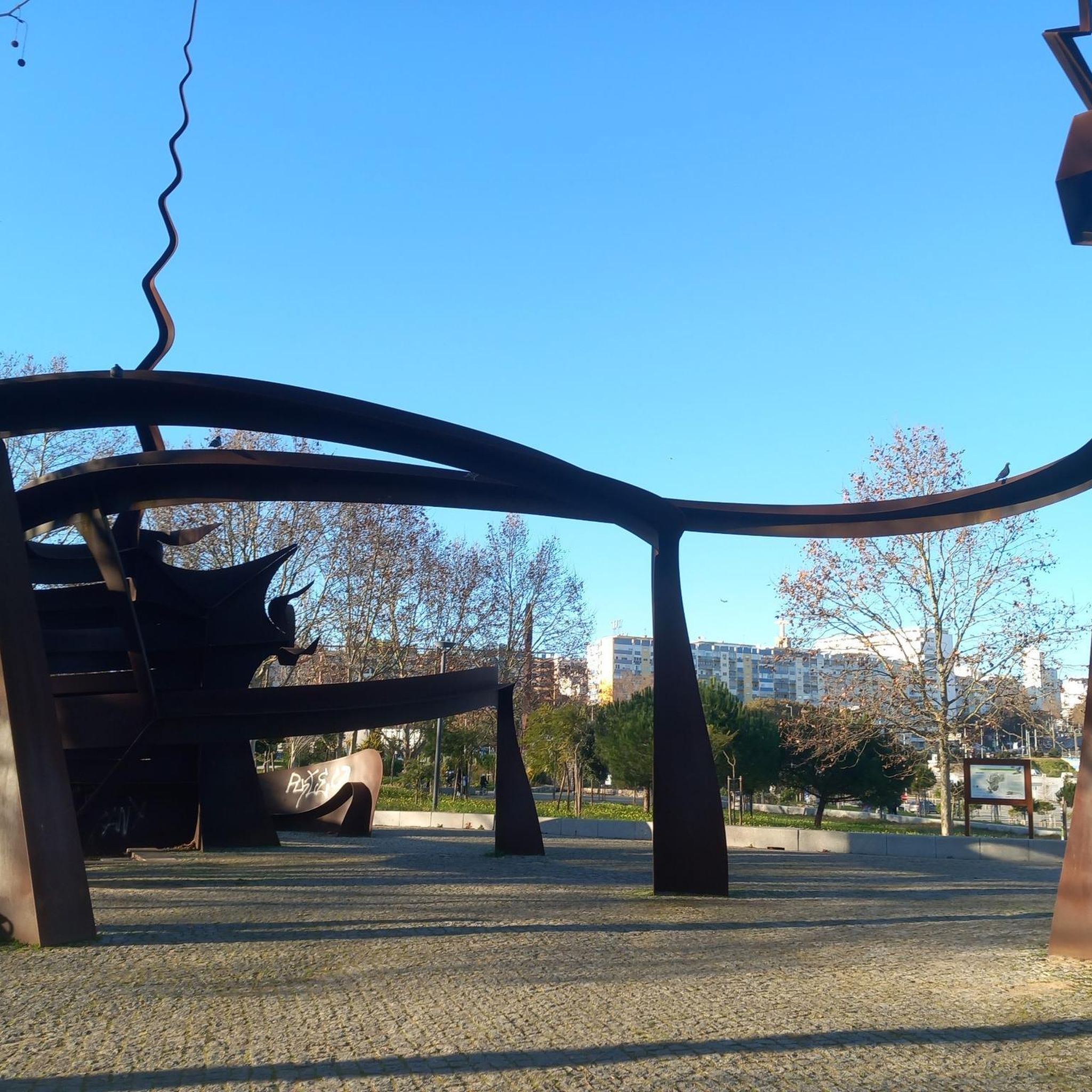
Monument to the Overseas Combatants 🏛️ Belém
Highlight • Monument
Translated by Google •
Tip by

Eduardo VII Park Viewpoint
Highlight • Viewpoint
Translated by Google •
Tip by

Sign up now to discover places like this
Get recommendations on the best single tracks, peaks, & plenty of other exciting outdoor places.
Sign up for free
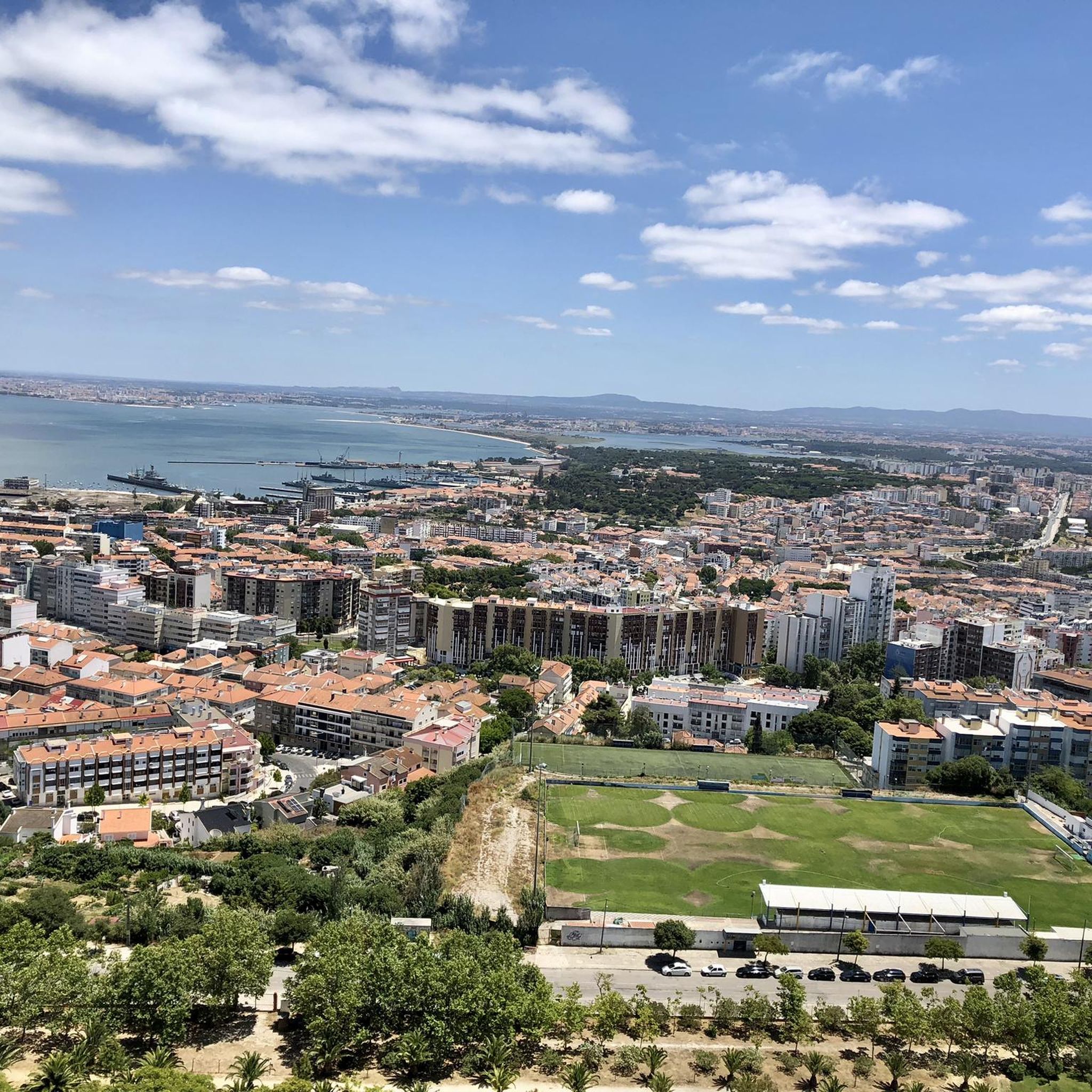
Sanctuary of Christ the King (Santuário de Cristo Rei)
Highlight • Monument
Translated by Google •
Tip by

University of Lisbon Botanical Garden
Highlight • Forest
Translated by Google •
Tip by
Alameda Luminous Fountain
Highlight • Monument
Translated by Google •
Tip by
Sign up for free to discover even more natural monuments around Cova Da Piedade.
Sign up for free
Already have an account?
Start today with a free account
Your next adventure awaits.
Login or Signup
Tips from the Community

Located in the Belem district, it was inaugurated in 1994 to honor the Portuguese soldiers (10,000) who fought and died in the colonial wars.
2
0

Eduardo VII Park stretches like a large green ribbon up the hill, offering plenty of space to breathe with its lawns and paths. From the top, you have a stunning view across Avenida da Liberdade all the way down to the Tagus River. Perfect for a quiet break, a picnic, or a relaxing stroll in nature right in the heart of Lisbon.
4
1

The Lisbon Botanical Garden, located in the parish of São Mamede, is one of the city's oldest and most important green spaces, with a rich history linked to scientific research and botanical conservation. Founded in 1873 at the initiative of Count Ficalho and Andrade Corvo, professors at the Lisbon Polytechnic School. Officially inaugurated in 1878, it was conceived as a scientific garden to support teaching and research in botany. It is part of the National Museum of Natural History and Science of the University of Lisbon.
3
0
The architectural design was designed by brothers Carlos and Guilherme Rebello de Andrade in the Portuguese Suave style, typical of the Estado Novo. The sculptures were made by Maximiano Alves (caryatids) and Diogo de Macedo (figures of the Tagus River and the Tagides), with lateral reliefs by Jorge Barradas.
5
0
The Alameda Luminous Fountain, also known as the Monumental Fountain, is one of Lisbon's most iconic monuments, located on Alameda Dom Afonso Henriques, right next to the Alameda metro station (green and red lines). It was conceived in 1938 and finally inaugurated on May 30, 1948. Its construction celebrated the regular supply of water to the eastern part of Lisbon.
5
0
The Monument to Overseas Combatants is a solemn tribute to the Portuguese soldiers who lost their lives during the Portuguese Colonial War (also known as the Overseas War), which took place between 1961 and 1974 in Africa.
21
0
Eduardo VII Park is one of Lisbon's most iconic green spaces, located just north of Marquis of Pombal Square and Avenida da Liberdade. It's an ideal place to stroll, relax, and enjoy spectacular views of the city.
9
0

Lisbon's central park was named as a tribute to the English monarch Edward VII, who visited Lisbon in 1903, five centuries after the Anglo-Portuguese Alliance. It ascends one of the city's hills and provides a wonderful view from the top. It's made up of symmetrical box hedging and a variety of plants, most of them found inside a cool and heated greenhouse from the 1930s, which is filled with exotic species from tropical climates. This greenhouse is one of the most important green spaces in Lisbon, considered an authentic living museum, with its small lakes and waterfalls, statuary, and hundreds of species of plants.
6
0
Frequently Asked Questions
What are the most popular natural monuments and green spaces around Cova Da Piedade?
While Cova Da Piedade is urban, its vicinity offers several popular spots. Visitors frequently enjoy the expansive views from Eduardo VII Park Viewpoint and the panoramic vistas from the Sanctuary of Christ the King (Santuário de Cristo Rei). The University of Lisbon Botanical Garden is also a cherished green space for its diverse plant collections and tranquil atmosphere.
What kind of natural features can I explore near Cova Da Piedade?
The broader region around Cova Da Piedade offers diverse natural features. You can find vast sandy beaches at Costa da Caparica, extensive wetlands and bird sanctuaries at the Tagus Estuary Natural Reserve, and dramatic coastal cliffs and woodlands within Arrábida Natural Park. These areas provide opportunities to experience Portugal's varied landscapes.
Are there opportunities for wildlife spotting near Cova Da Piedade?
Yes, the Tagus Estuary Natural Reserve is an excellent location for wildlife spotting, especially birdwatching. It's a vital sanctuary for migratory species, hosting large flocks of flamingos in autumn and a diverse range of waterfowl, egrets, and eagles throughout the year. The extensive mudflats and marshes are highly productive for marine life, supporting this rich biodiversity.
Are there family-friendly natural sites around Cova Da Piedade?
Many sites are suitable for families. The Eduardo VII Park Viewpoint and the University of Lisbon Botanical Garden are both family-friendly green spaces ideal for strolls. The Sanctuary of Christ the King also offers an engaging experience with its panoramic views, appealing to all ages.
What outdoor activities can I do near these natural monuments?
You can enjoy a variety of outdoor activities. For cycling, explore routes like the 'Belém Tower – Estrada do Guincho Cycle Path loop' or the 'Costa da Caparica Beach – Fonte da Telha Cliff loop'. Hiking options include easy walks such as the 'Parque da Paz – Lake of Parque da Paz loop' or the '25th of April Bridge – Statue of Jesus Christ loop'. For more details and routes, visit the Cycling around Cova Da Piedade and Hiking around Cova Da Piedade guides.
Are there accessible natural sites for visitors with mobility needs?
Yes, some sites offer good accessibility. The Eduardo VII Park Viewpoint is wheelchair accessible, providing expansive views over Lisbon. The Monument to the Overseas Combatants is also listed as wheelchair accessible.
What is the best time to visit the natural areas around Cova Da Piedade?
The natural areas around Cova Da Piedade, particularly the coastal regions and natural parks, are enjoyable year-round. Spring and autumn offer pleasant temperatures for outdoor activities like hiking and birdwatching, with fewer crowds. Summer is ideal for beach activities at Costa da Caparica, while autumn is excellent for spotting flamingos at the Tagus Estuary Natural Reserve.
Can I find hiking trails near the natural monuments?
Yes, there are several hiking trails in the vicinity. You can find easy routes like the 'Parque da Paz – Lake of Parque da Paz loop' (4.79 km) or the '25th of April Bridge – Statue of Jesus Christ loop' (3.54 km). For more options, including moderate trails, refer to the Hiking around Cova Da Piedade guide.
What do visitors enjoy most about the natural monuments and green spaces in this area?
Visitors particularly appreciate the stunning panoramic views offered by viewpoints like Eduardo VII Park Viewpoint and the Sanctuary of Christ the King. The tranquility and diverse plant life of the University of Lisbon Botanical Garden are also highly valued. The overall experience of combining urban exploration with accessible natural escapes is a major draw.
Is Ponta da Piedade located near Cova Da Piedade?
No, it's important to clarify that the famous Ponta da Piedade, known for its golden cliffs and sea caves, is located in Lagos, in the Algarve region, which is quite far from Cova Da Piedade near Lisbon. The natural attractions discussed for Cova Da Piedade are in its immediate vicinity, such as Costa da Caparica and the Tagus Estuary Natural Reserve.
Where can I find information about the Tagus Estuary Natural Reserve?
You can find more information about the Tagus Estuary Natural Reserve, including its significance as a wetland and bird sanctuary, on Wikipedia or through the official tourism site Visit Lisboa.
Are there any coastal natural monuments or beaches nearby?
Yes, Costa da Caparica, located within the Almada municipality, offers a vast stretch of sandy beaches. It's a significant natural feature known for relaxation, water sports like surfing, and the possibility of spotting dolphins. Arrábida Natural Park also features beautiful secluded coves and a scenic coastal drive with breathtaking views of the Atlantic Ocean.
Most popular routes around Cova Da Piedade
Most popular attractions around Cova Da Piedade

Get inspired with the komoot mobile app


Explore more
Extend your search for the best caves by checking out these guides of the top ones around Cova Da Piedade:
