Top 5 Natural Monuments around Rio Maior
Best natural monuments around Rio Maior showcase a region in Portugal known for its diverse geological features and rich natural heritage. The area is characterized by its unique karst landscape, which includes caves, sinkholes, and distinctive rock formations. This natural environment supports varied flora and fauna, making it a notable destination for outdoor exploration. The municipality offers a blend of geological marvels and significant biodiversity.
Best natural monuments around Rio Maior
- The most popular natural monuments is Paúl de Manique…
Last updated: June 30, 2026
Paúl de Manique do Intendente.
Highlight • Lake
Translated by Google •
Tip by

Bocas Gorge
Highlight (Segment) • Gorge
Translated by Google •
Tip by
Sign up now to discover places like this
Get recommendations on the best single tracks, peaks, & plenty of other exciting outdoor places.
Sign up for free
Top of the eastern side of Montejunto mountain.
Highlight • Summit
A part of the trail that passes through this point is a bit technical with some loose rock, it …
Tip by
View of Serra de Todo-o-Mundo
Highlight • Viewpoint
Translated by Google •
Tip by

View of Montejunto
Highlight • Viewpoint
Translated by Google •
Tip by
Start today with a free account
Your next adventure awaits.
Login or Signup
Tips from the Community

Rising abruptly between the coast and the Tagus valley, the Montejunto mountain range stands out from the surrounding landscape, not only because of its altitude but also because of its natural characteristics. It is spread across the municipalities of Alenquer and Cadaval, in a highly humanized region where intense agricultural activity takes place, thus emerging as one of the last refuges for many species of animals and plants.
4
0

Formed by a buttress made up of eruptive rocks, the volcanic complex of Serra de Todo-o-Mundo appears to have been formed by a lava flow, resembling a half-cone. "The Serra de Todo-o-Mundo is formed by a buttress made up of eruptive rocks (dolerites) from an altitude of 200 metres, which are exploited in the northern section of the mountain range for the production of gravel. This buttress, which comprises the «volcanic complex of the Serra de Todo-o-Mundo» and which «appears to be made up of a sill or a lava flow», describes a semicircle, a shape that is best seen from the top of Montejunto or along the road that connects Cercal to Caldas da Rainha, and this peculiar shape seems to be «in a possible relationship with a (volcanic) chimney». This phenomenon is not, in fact, strange to the morphostructural unity of the western coast, in which, although, as we have seen, limestone sedimentary rocks dominate, there are records of eruptive phenomena, of which the Lisbon-Mafra volcanic complex stands out, origin is located between the end of the Cretaceous and the beginning of the Cenozoic.
1
0
At the end of this segment, towards Rio Maior, on the right side of the road there is a small park where it is possible to stop and walk a little to observe the magnificent natural caves on the banks of the Rio Maior, a practically forgotten river that gave its name to the current city from Rio Maior. Currently, the flow of the river is very low, drying up completely in the summer months. A little of history: "The Rio Maior rises in a picturesque place called «Bocas», a large gorge that cuts the mountain range, through which the Santarém-Peniche road also passes, located west of the city of Rio Maior. the picnic on Good Summer Day. It is said that in the mid-19th century, still on the Maior river, in winter or in times of plenty of water, boats sailed, almost all sailing or rowing, approaching the Tagus to change the loads to other larger boats." Source: Memories of Rio Maior - https://memoriasderiomaior.blogs.sapo.pt/2023.html
3
0
“Paul Natura”, Manique do Intendente https://www.youtube.com/watch?v=9nKhlLvOrJw
3
0
Paúl de Manique do Intendente is an area of around 97,000 square meters that constitutes a very rich natural heritage of great importance in terms of biodiversity, namely in terms of avifauna, already recognized at national level. It is an ecosystem composed of more than 180 species, where you can find 5 "simply unique" species such as the striped tortoise, the common caiman, the otter, the black stork and the reed. The municipality has been focusing on promoting this space, having recently advanced with the installation of an infrastructure for the observation of the fauna and flora of Pául, which aims to promote knowledge, protection and preservation of this unique and so rich ecosystem for the Municipality of Azambuja and for the entire region.
5
0
very pleasant landscape, it is recommended
1
0
Usually this is a windy place, but the view is superb. A part of the trail that passes through this point is a bit technical with some loose rock, it may not be very recommended for gravel bikes with thin tires.
2
0
Recently, the Municipality of Azambuja created a fauna and flora observation space in Paúl de Manique do Intendente. This action is part of a project called “Paúl Natura” that has the involvement and collaboration of the Lusophone University of Lisbon, the Union of Parishes of Manique do Intendente, Vila Nova de S. Pedro and Maçussa, House of the People of Manique do Intendente , Alto de Azambuja School Group and the Nature and Forest Conservation Institute (ICNF).
3
0
Frequently Asked Questions
What unique geological features can I explore around Rio Maior?
The region around Rio Maior is part of the Estremenho Limestone Massif, offering a rich karst landscape. You can explore distinctive formations such as poljes, lapies fields, caves (lapas), sinkholes (algarves), uvalas, and dolines. A prime example is the Bocas Gorge, where you can observe magnificent natural caves on the banks of the Rio Maior river.
Are there any significant historical or cultural natural monuments in the area?
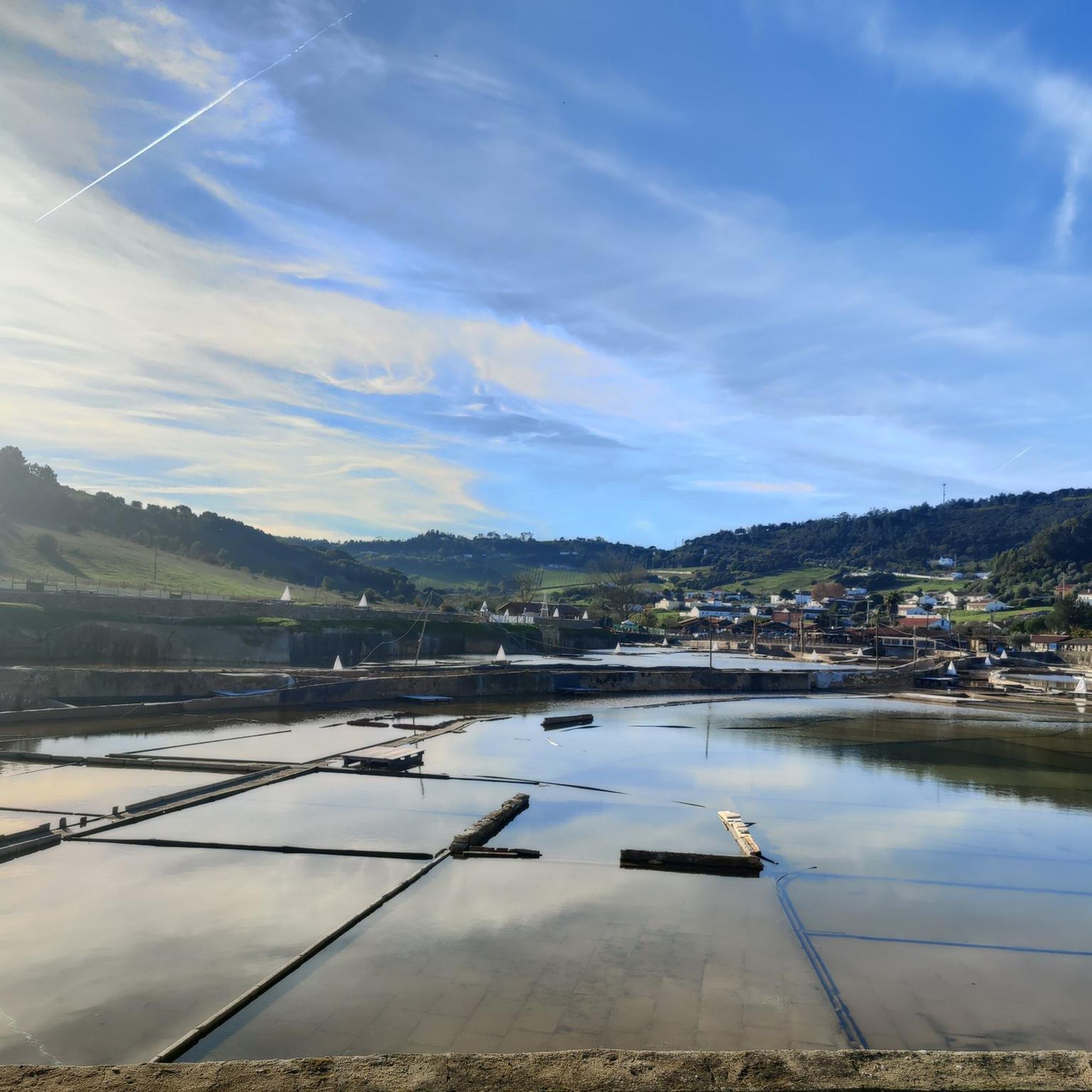
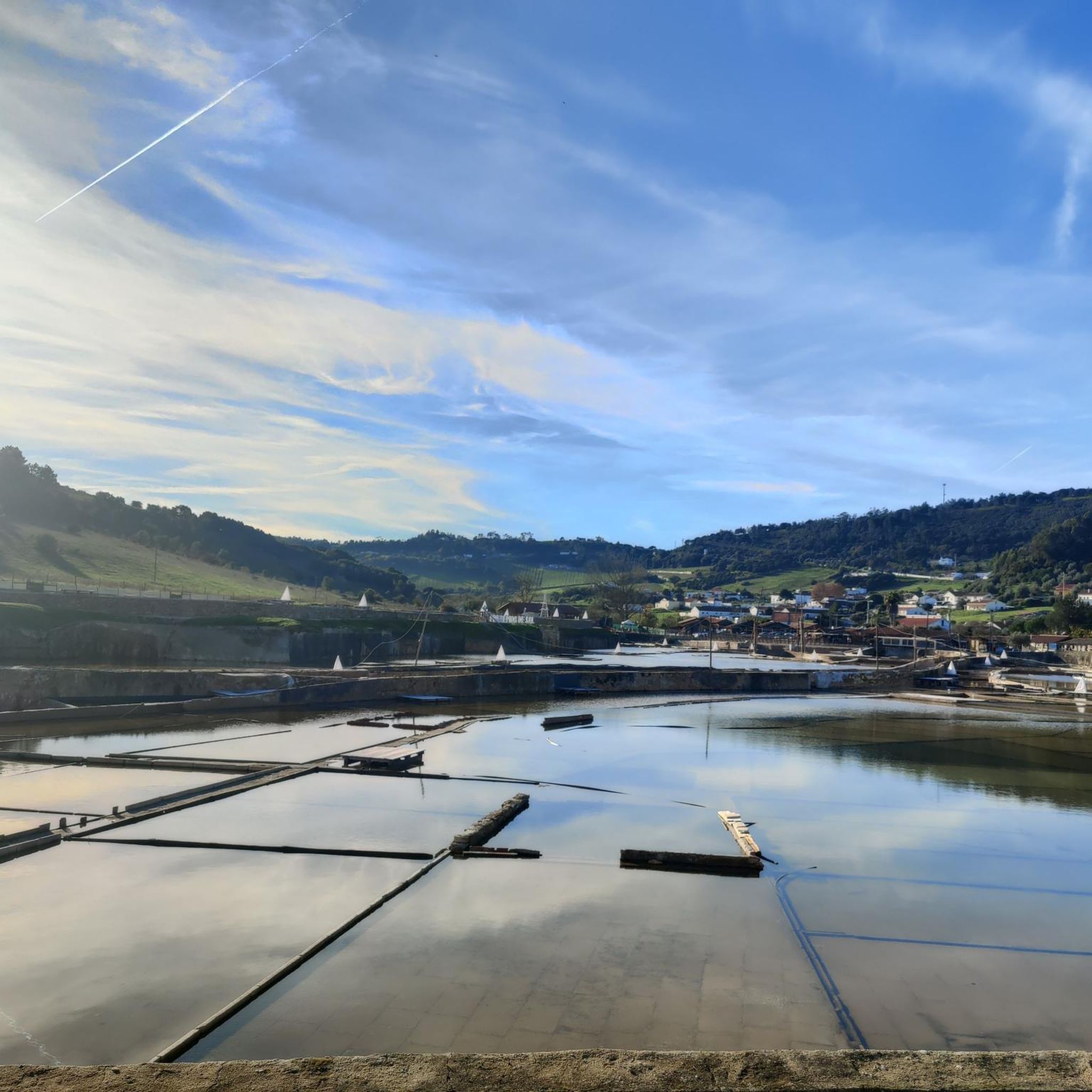
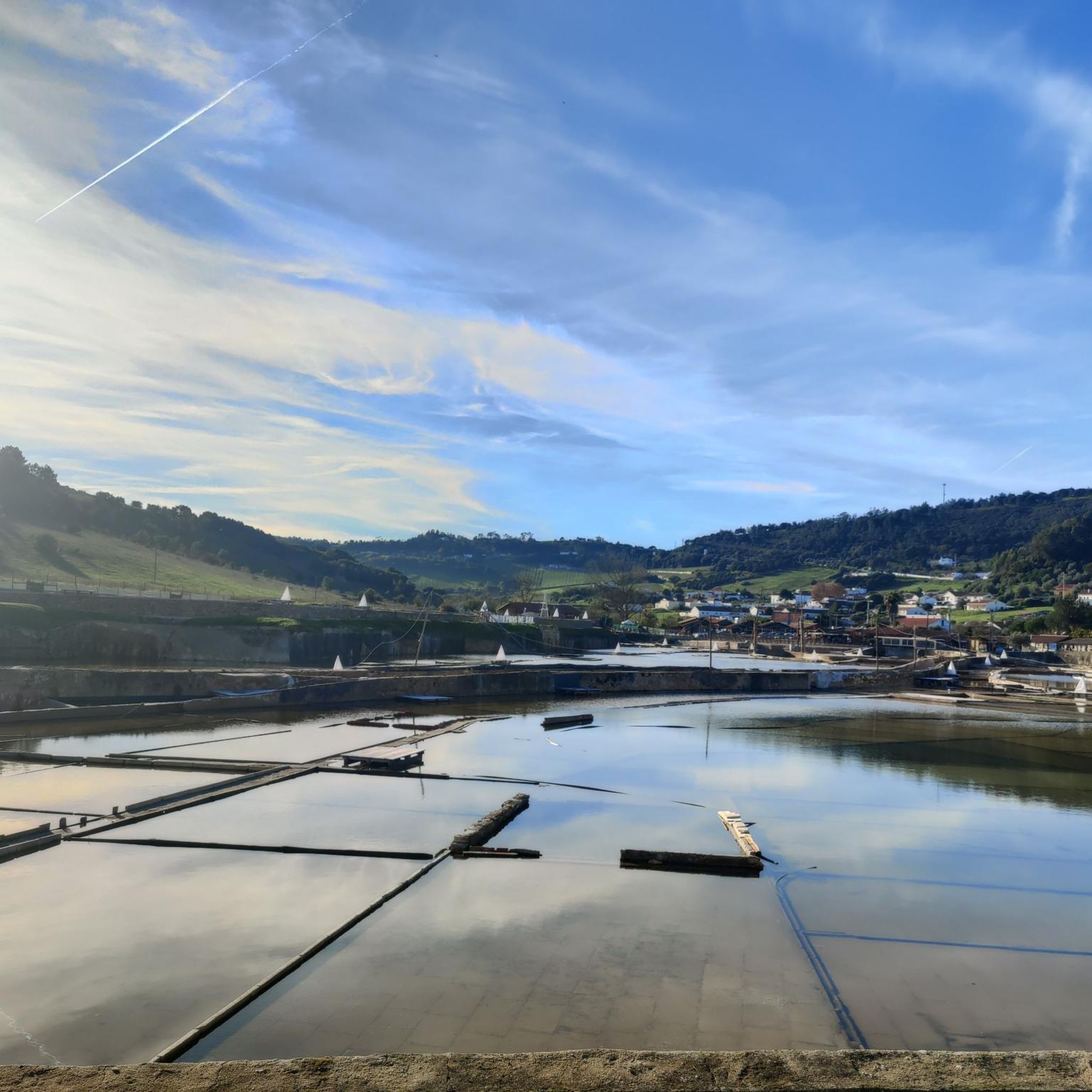
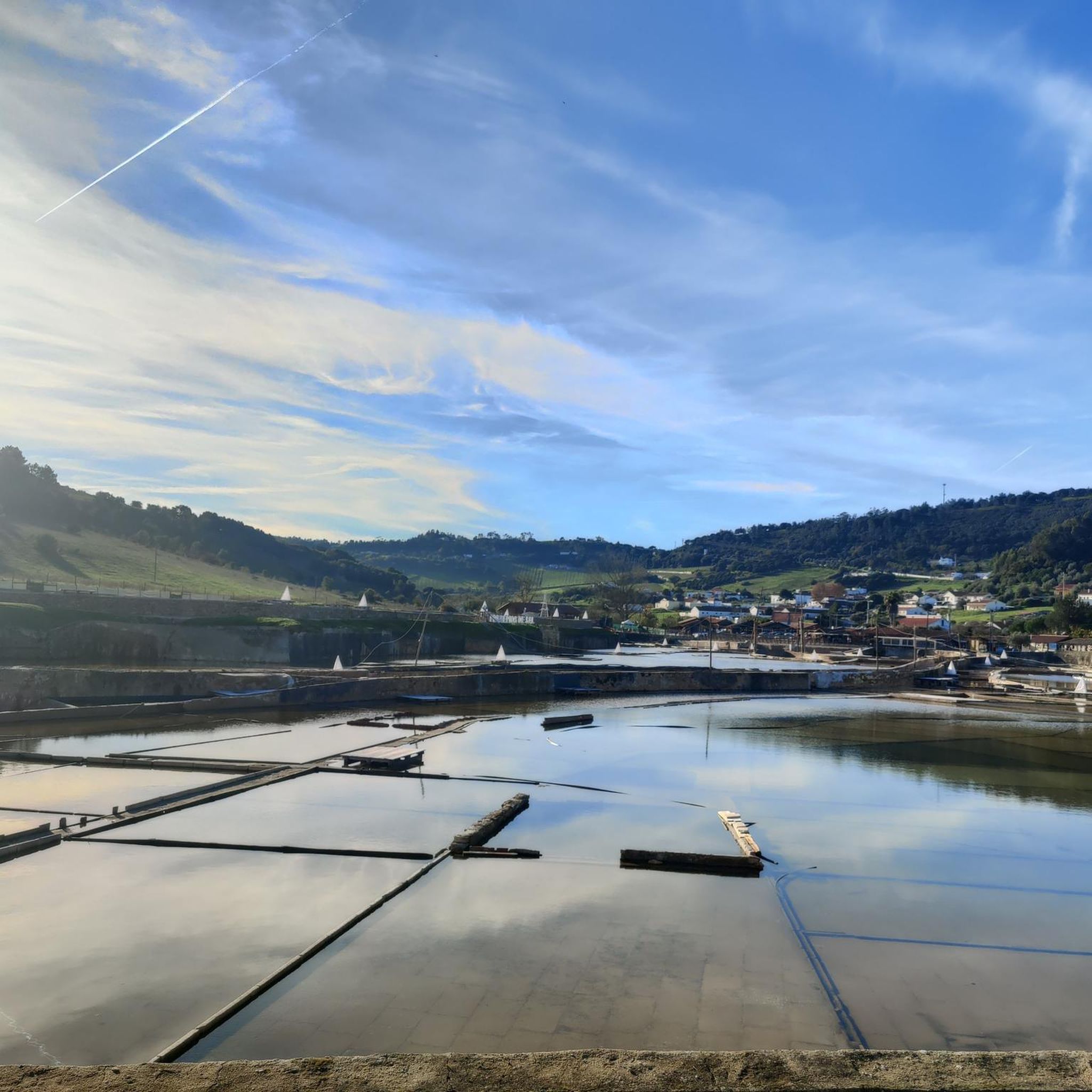
Yes, the Bocas Gorge is historically significant as the source of the Rio Maior river, which gave the city its name. Additionally, the Salinas de Rio Maior (Rio Maior Salt Pans) are Portugal's only inland salt pans, with traditional salt extraction methods dating back to at least 1177, offering a glimpse into centuries-old industry.
What natural monuments are best for wildlife observation and nature enthusiasts?
The Paúl de Manique do Intendente is an excellent choice. This lake area is a rich natural heritage site with significant biodiversity, especially avifauna. It's an ecosystem home to over 180 species, including unique ones like the striped tortoise, common caiman, otter, and black stork. The municipality has even installed infrastructure for observing its diverse fauna and flora.
Can I find any dinosaur footprints near Rio Maior?
Yes, the Monumento Natural das Pegadas de Dinossáurios de Ourém/Torres Novas, located in the eastern part of Serra de Aire, preserves an important fossil record from the Middle Jurassic period. You can see some of the largest and clearest sauropod dinosaur footprints known, some reaching up to 95 cm in length.
What are the best natural monuments for panoramic views?
For superb panoramic views, head to the Top of the eastern side of Montejunto mountain. While it can be windy and parts of the trail are technical with loose rock, the vistas are well worth it. Another great spot is the View of Montejunto, which offers stunning perspectives of the surrounding landscape.
Are there family-friendly natural monuments or activities around Rio Maior?
Absolutely! The Paúl de Manique do Intendente is categorized as family-friendly, offering a chance to observe diverse wildlife. The Grutas de Mira de Aire, with their illuminated stalactite and stalagmite formations and underground lakes, provide an immersive and captivating experience for all ages. The Dinosaur Footprints site also offers a pedagogical circuit that can be engaging for families.
What outdoor activities can I do near these natural monuments?
The region offers a variety of outdoor activities. You can explore numerous hiking trails, such as the 'Olho de Água de Alcobertas loop' or the 'Chãos Cave – Alcobertas Cave loop'. For cyclists, there are road cycling routes like the 'Salinas Rio Major – Salinas de Rio Maior loop' and touring bicycle options like the 'Óbidos Lagoon – Lagoa de Óbidos Gravel Trail loop'. You can find more details on these and other routes in the Hiking around Rio Maior, Road Cycling Routes around Rio Maior, and Cycling around Rio Maior guides.
What is the best time to visit the natural monuments around Rio Maior?
The Parque Natural das Serras de Aire e Candeeiros, which encompasses many of these monuments, is enjoyable year-round. However, spring and autumn offer pleasant temperatures for hiking and exploring the karst landscapes and caves. During summer, the Rio Maior river can dry up completely, but the salt pans remain active. Winter can be a good time for quieter visits, though some trails might be wet.
How can I reach the Parque Natural das Serras de Aire e Candeeiros by public transport?
While specific public transport routes directly to all natural monuments can be limited, the Parque Natural das Serras de Aire e Candeeiros is accessible. It's advisable to check local bus schedules from Rio Maior to nearby towns within the park's vicinity. For detailed information on reaching the park, you can consult resources like VisitPortugal.
Are there any impressive caves to visit near Rio Maior?
Yes, the Grutas de Mira de Aire are a major highlight within the Serra d'Aire, part of the PNSAC. Discovered in 1947, these are the largest tourist caves in Portugal, allowing visitors to explore 600 meters of their vast extent. You'll be amazed by the astonishing stalactite and stalagmite formations, underground lakes, and rivers, all enhanced with lighting effects.
What makes the Rio Maior Salt Pans unique?
The Salinas de Rio Maior are unique as Portugal's only inland salt pans and are considered the only fully operational industrial-level interior salt production site in Europe. The water here is seven times saltier than seawater, originating from a deep rock salt deposit. They are situated in a tufa valley at the foot of the Serra dos Candeeiros, making them a distinctive natural wonder due to their distance from the sea.
What do visitors enjoy most about the natural monuments around Rio Maior?
Visitors particularly appreciate the diverse natural beauty, from the rich biodiversity of Paúl de Manique do Intendente to the superb views from the Top of Montejunto mountain. The unique geological formations, such as the caves at Bocas Gorge and the ancient salt pans, also captivate many. The opportunity for hiking and exploring these distinct landscapes is a major draw.
Most popular attractions around Rio Maior

Get inspired with the komoot mobile app


Explore more
Extend your search for the best caves by checking out these guides of the top ones around Rio Maior:
