Top 4 Natural Monuments around Samora Correia
Best natural monuments around Samora Correia are characterized by their riverine landscapes and connection to significant wetland ecosystems. The town, located in the municipality of Benavente, offers access to the Sorraia River and is in proximity to the Tagus Estuary. This region provides diverse natural features, including extensive green areas, riverbanks, and important bird habitats. Visitors can explore areas rich in ecological value and recreational opportunities.
Best natural monuments around Samora Correia
- The most popular natural monuments is Tagus Estuary, a river that encompasses Portugal's largest wetland area. This extensive nature reserve is crucial for migratory fish and aquatic birds, making it one of Europe's significant wintering bird sites.
- Another must-see spot is Salinas do Samouco, an area with historical significance as a cod drying facility. Visitors can expect views of the surrounding landscape and learn about its past industrial use.
- Visitors also love EVOA – Birdwatching and Visitor Center, a natural monument with three freshwater wetlands. This center provides observatories and camouflaged points for birdwatching within the Tagus estuary.
- Samora Correia is known for its river systems, wetlands, and birdwatching areas. The region offers a variety of natural monuments to see and explore, from expansive estuaries to dedicated visitor centers.
- The natural monuments around Samora Correia are appreciated by the komoot community, with 21 upvotes and 9 photos shared by visitors.
Last updated: October 16, 2026
Tagus Estuary
Highlight • River
The connectivity of these habitats ensures the presence of a great diversity of living beings, such as mollusks, crustaceans, and small amphibians. It is also a nursery for various species of marine fish and a very important ecosystem for migratory fish. The estuary is also of great importance to aquatic birds, being one of the places with the most wintering birds in Europe.
Translated by Google •
Tip by

Salinas do Samouco
Highlight • Natural
Between 1930 and 1970, cod were dried there.
Cod is a fish caught in cold northern waters such as Newfoundland.
Portugal in the 1920s imported all the cod consumed. In the 1920s, Portugal experienced hunger.
To remedy this problem, the former dictator Salazar had Portugal fish its cod and dry it industrially in Portugal. The secadouro de Alcochete was one of those places.
Salazar popularized cod.
Translated by Google •
Tip by

Sign up now to discover places like this
Get recommendations on the best single tracks, peaks, & plenty of other exciting outdoor places.
EVOA – Birdwatching and Visitor Center
Highlight • Natural Monument
evoa.pt
Tip by

Ponta da Erva
Highlight • River
Translated by Google •
Tip by

Start today with a free account
Your next adventure awaits.
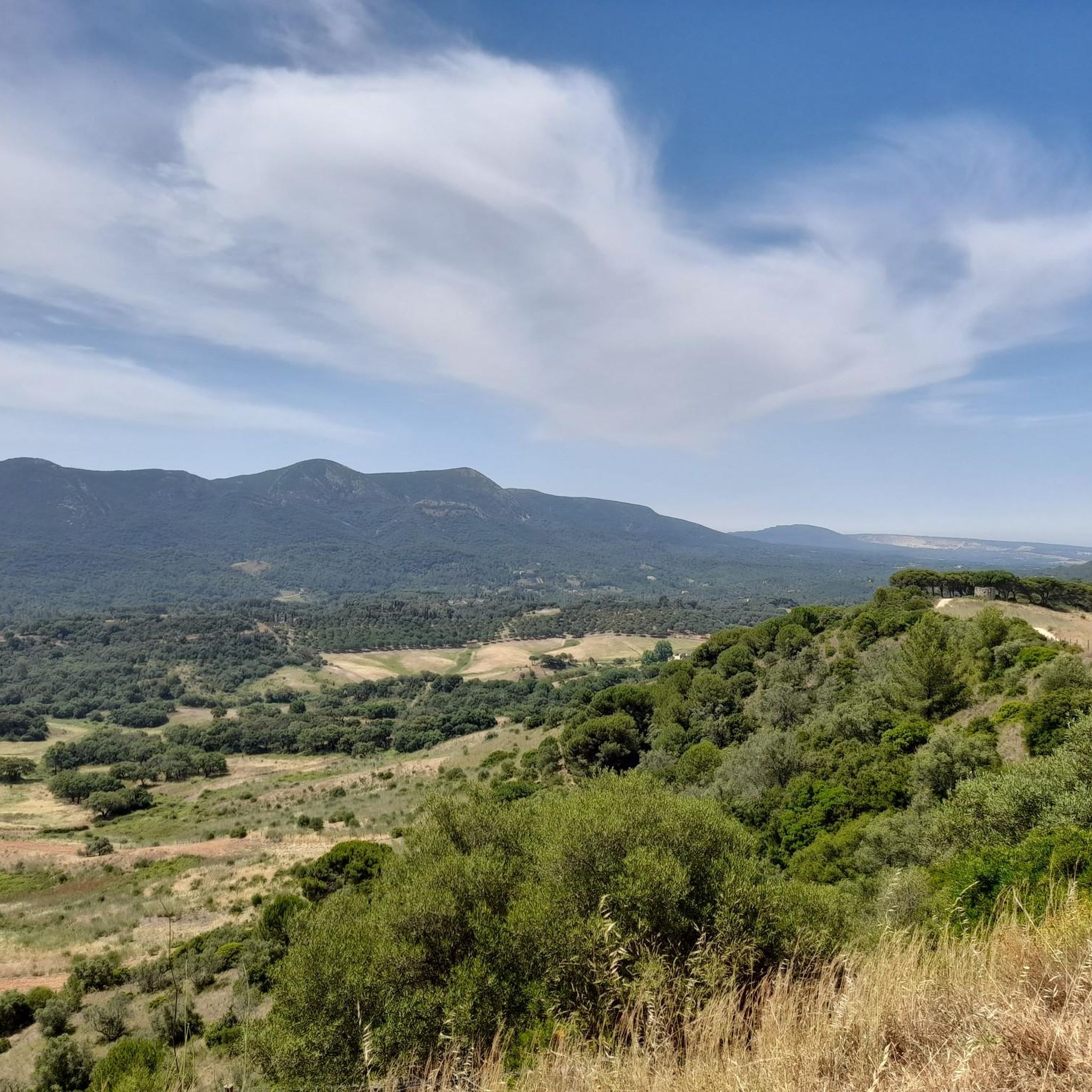
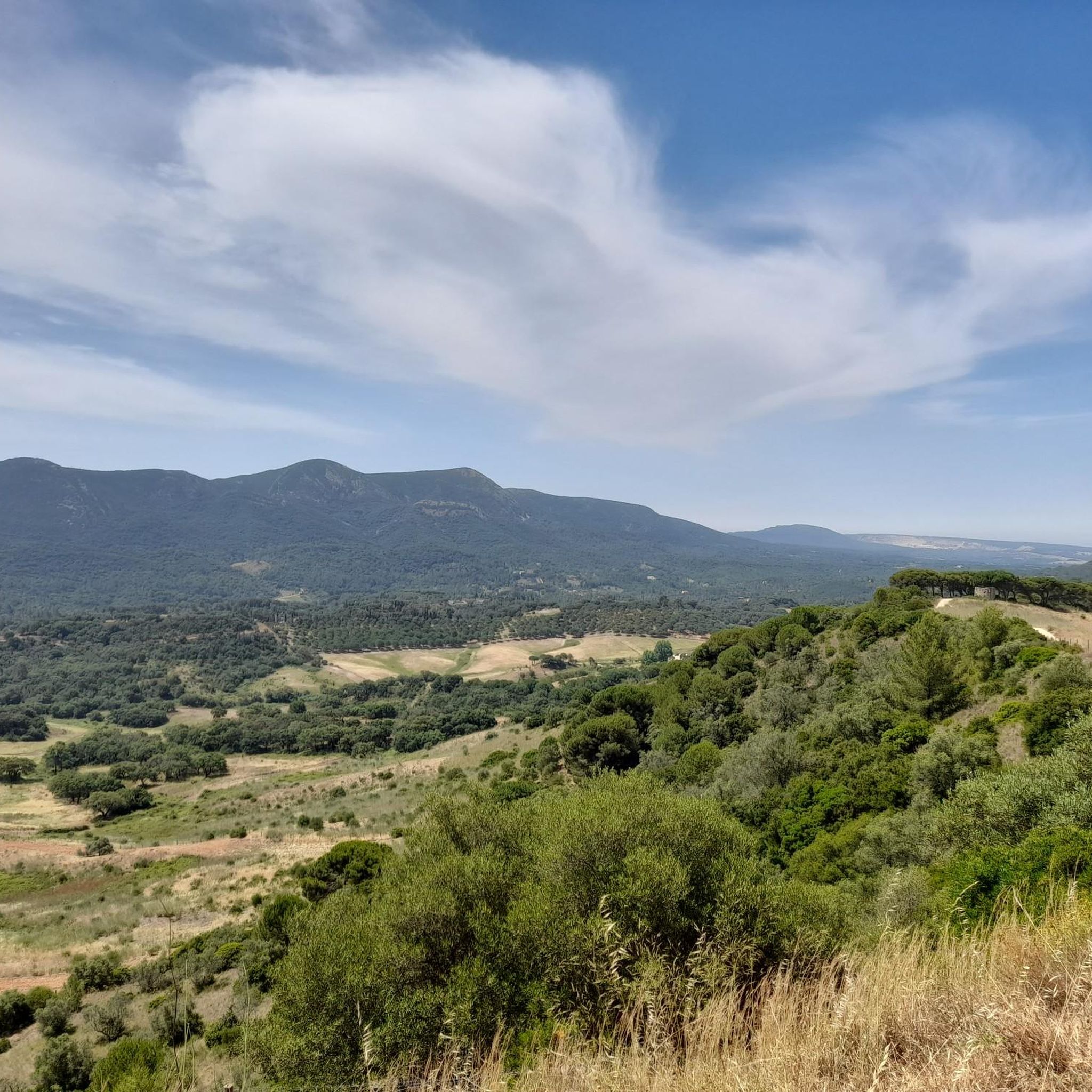
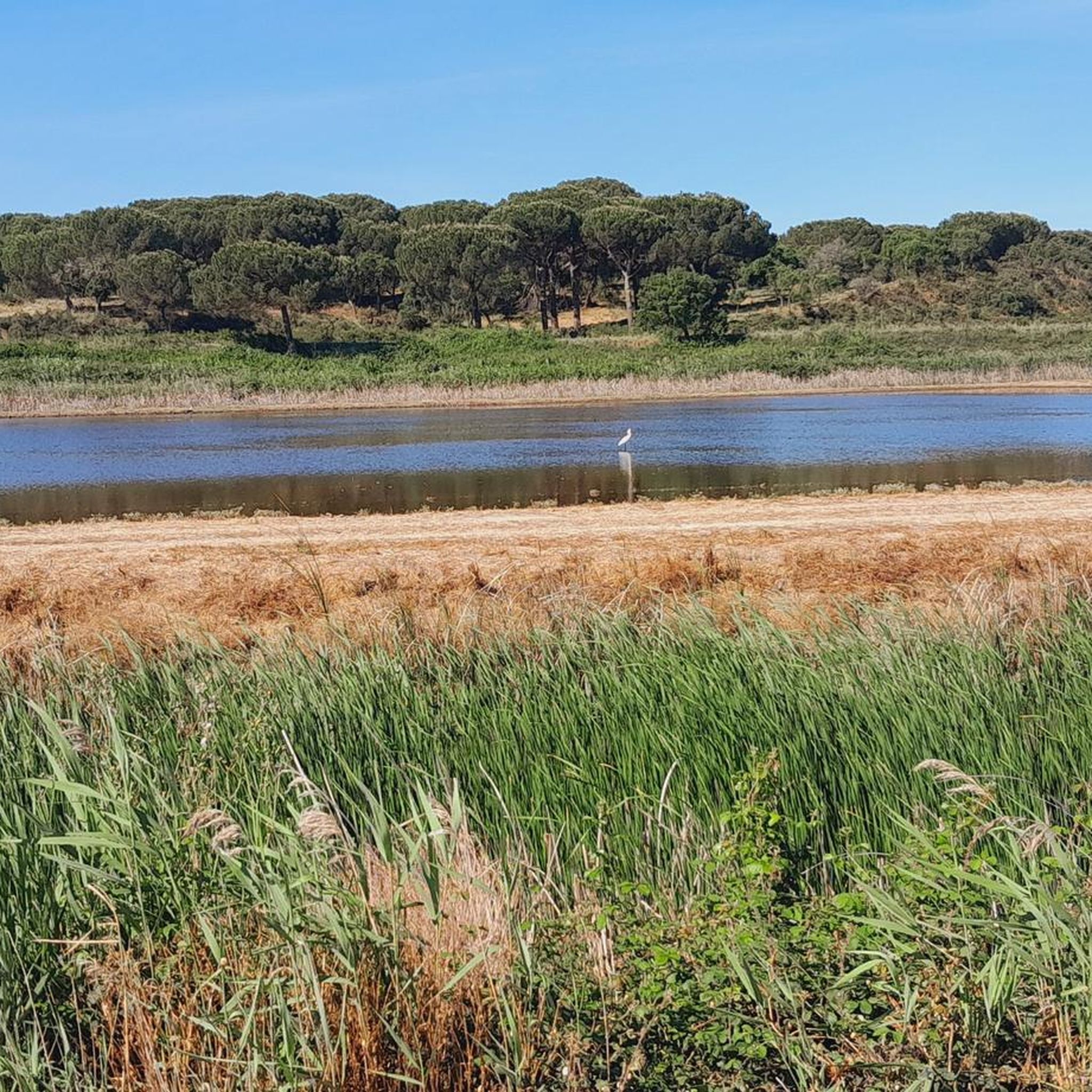
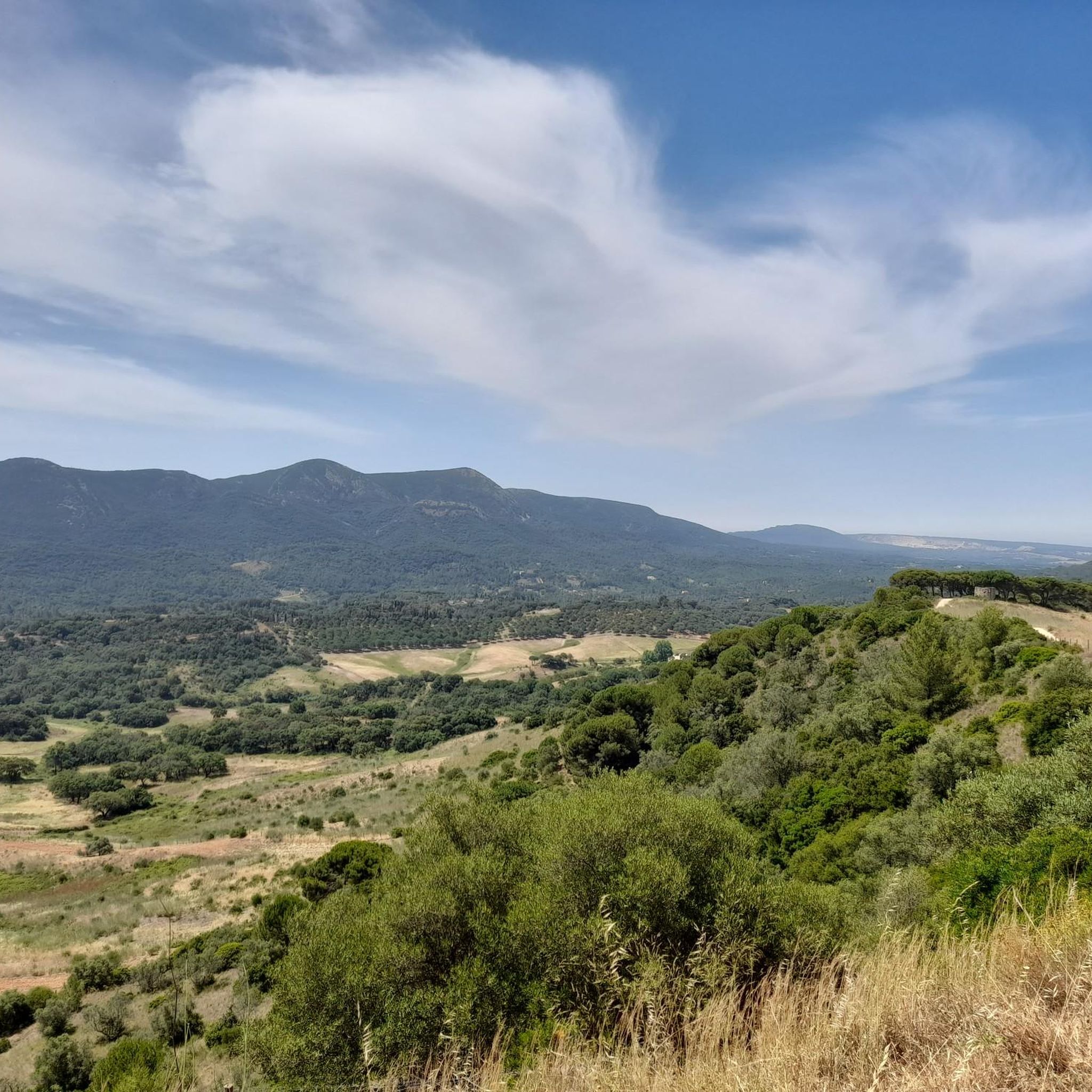

Tips from the Community

The Tagus Estuary Nature Reserve (RNET) is located in an area of high natural richness and diversity. Covering approximately 14,415 hectares, it is integrated into the largest wetland area in Portugal – the Tagus Estuary, including estuarine waters, sandbanks, salt pans, agricultural land, and cork oak forests. The connectivity of these habitats ensures the presence of a great diversity of living beings, such as mollusks, crustaceans, and small amphibians. It is also a nursery for various species of marine fish and a very important ecosystem for migratory fish. The estuary is also of great importance to aquatic birds, being one of the places with the most wintering birds in Europe.
1
0

Located in the heart of the most important wetland in Portugal, the Tagus estuary, EVOA - Visitation and Bird Watching Space allows visitors to discover and enjoy the unique heritage, existing between the marshland and the Tagus estuary. EVOA includes three freshwater wetlands, totaling 70 ha. These lagoons are very important for birds, being used as a refuge area or even as a nesting place. In order to guarantee the tranquility of the birds and maximize the experience and comfort during the visit, three observatories are available on the banks of the lagoons, several camouflaged observation points and an Interpretation Center.
1
0
Although the maps show a short path from EVOA to this location, you will find a high gate that is normally closed and cannot be passed over or sideways. To get to Ponta D'erva, follow the path along the left bank of the Sorraia.
0
0

Must stop. Beautiful view over Tejo Estuary. on the way back, stop in Espaço Evoa.
0
0
Must go. One of the most beautiful places around Lisbon.
1
0

The "secadouro de Alcochete". Between 1930 and 1970, cod were dried there. Cod is a fish caught in cold northern waters such as Newfoundland. Portugal in the 1920s imported all the cod consumed. In the 1920s, Portugal experienced hunger. To remedy this problem, the former dictator Salazar had Portugal fish its cod and dry it industrially in Portugal. The secadouro de Alcochete was one of those places. Salazar popularized cod.
16
0
Frequently Asked Questions
What are the main natural features to explore around Samora Correia?
The region around Samora Correia is characterized by its rich riverine landscapes and estuarine environments. Key natural features include the Tagus Estuary, which is a significant wetland for biodiversity, and the interconnected Sorraia and Almansor Rivers. You can also explore the Samora Correia Riverside Park, which offers green spaces along the riverbanks, and the Vala Nova, a reclaimed landscape now thriving with nature.
Are there family-friendly natural attractions in Samora Correia?
Yes, several natural attractions are suitable for families. The Samora Correia Riverside Park is ideal with its green areas, walking paths, and a children's playground. EVOA – Birdwatching and Visitor Center is also a great family-friendly option, offering an engaging way to learn about local birdlife. The Salinas do Samouco provides an interesting historical and natural landscape that can be explored by all ages.
What kind of wildlife can I expect to see in the natural areas?
The region is particularly rich in birdlife, especially around the Tagus Estuary and at EVOA – Birdwatching and Visitor Center. The Tagus Estuary Nature Reserve is one of Europe's most important wintering sites for aquatic birds, including flamingos, which can often be spotted in the rice paddies. The wetlands also support a diversity of mollusks, crustaceans, and amphibians.
When is the best time of year to visit the natural monuments around Samora Correia?
The natural monuments and riverine areas around Samora Correia can be enjoyed throughout the year. Spring and autumn offer pleasant temperatures for outdoor activities like walking and birdwatching. Even in warmer months, the Samora Correia Riverside Park provides shaded areas. For birdwatching, the winter months are particularly rewarding due to the presence of numerous migratory species in the Tagus Estuary.
Are there hiking or walking trails near these natural monuments?
Yes, there are various opportunities for walking and hiking. The Samora Correia Riverside Park features well-maintained paths along the Sorraia River. For more extensive routes, you can explore trails around the Salinas do Samouco or within the broader Tagus Estuary area. You can find detailed routes for running and cycling in the area, such as those listed in the Running Trails around Samora Correia guide.
What outdoor activities can I do near Samora Correia's natural monuments?
Beyond walking and birdwatching, the region offers excellent opportunities for cycling and mountain biking. The flat terrain along the rivers and through agricultural lands is ideal for leisurely rides or more challenging MTB adventures. You can explore various routes, including those found in the Cycling around Samora Correia guide and the MTB Trails around Samora Correia guide.
Are there any notable viewpoints in the Samora Correia area?
Yes, several spots offer scenic views of the natural surroundings. Ponta da Erva provides beautiful views over the Tagus Estuary. The Salinas do Samouco also offers expansive views of the salt pans and the estuary landscape. Additionally, the observatories at EVOA – Birdwatching and Visitor Center provide excellent vantage points for birdwatching and appreciating the wetlands.
Are there facilities like cafes or picnic areas near these natural sites?
The Samora Correia Riverside Park is located within the town, offering easy access to local amenities. The Vala Nova features a dedicated picnic area with tables and benches. EVOA – Birdwatching and Visitor Center has its own Interpretation Center, which typically includes visitor facilities. For other locations, it's advisable to bring your own refreshments or plan to visit nearby towns.
How accessible are the natural monuments around Samora Correia by public transport?
While some areas like the Samora Correia Riverside Park are easily accessible within the town, reaching more remote natural sites like parts of the Tagus Estuary Nature Reserve or specific birdwatching spots might require a car. Public transport options within the municipality of Benavente connect towns, but direct access to all natural monuments may be limited. Checking local bus schedules for specific destinations is recommended.
What makes the Tagus Estuary Nature Reserve so significant?
The Tagus Estuary Nature Reserve is Portugal's largest wetland and one of Europe's most important. It encompasses a vast area of estuarine waters, mudflats, salt marshes, and agricultural land, creating diverse habitats. This connectivity supports an incredible variety of life, serving as a crucial nursery for marine fish and a vital stopover and wintering ground for numerous migratory bird species, making it a biodiversity hotspot.
Can I visit the historic Salinas do Samouco?
Yes, the Salinas do Samouco is a fascinating site to visit. Historically, it was known as the 'secadouro de Alcochete' and played a significant role in drying cod between the 1930s and 1970s. Today, it offers a unique landscape with great views and a glimpse into the region's industrial past intertwined with its natural environment.
Most popular attractions around Samora Correia

Get inspired with the komoot mobile app


Explore more
Extend your search for the best caves by checking out these guides of the top ones around Samora Correia:
