Top 5 Natural Monuments around Vila Franca De Xira
Natural monuments around Vila Franca De Xira are primarily shaped by the Tagus River and its extensive estuary, forming one of Europe's most significant wetland ecosystems. This region is characterized by vast estuarine waters, mudflats, and salt marshes, providing a critical habitat for diverse wildlife. The landscape also features traditional agricultural lands and areas important for migratory birds. It offers a unique blend of riverine environments and protected natural areas.
Best natural monuments around Vila Franca De Xira
- The most…
Last updated: June 29, 2026
Alameda Luminous Fountain
Highlight • Monument
Translated by Google •
Tip by

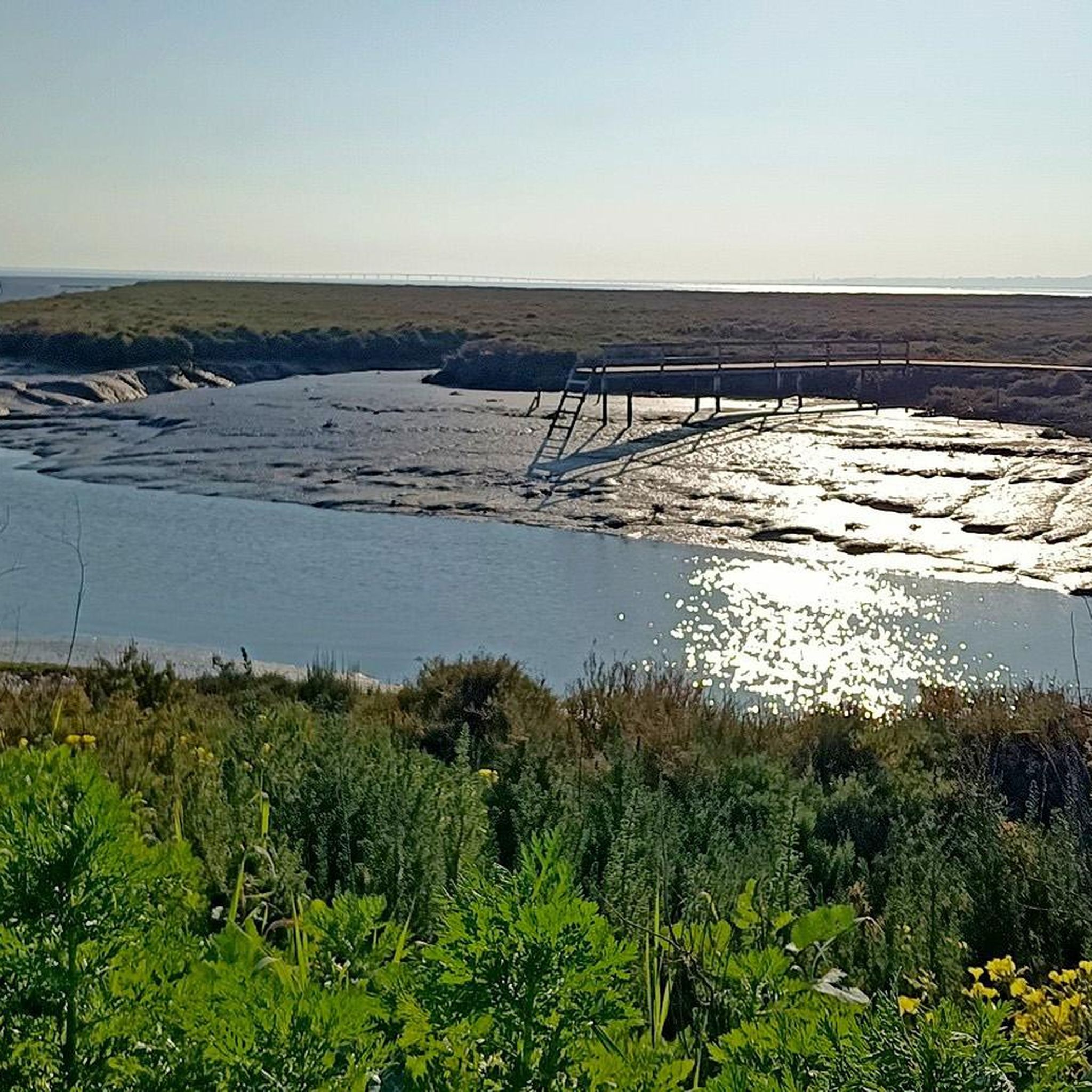
Tagus Estuary
Highlight • River
Translated by Google •
Tip by

Sign up now to discover places like this
Get recommendations on the best single tracks, peaks, & plenty of other exciting outdoor places.
Sign up for free
EVOA – Birdwatching and Visitor Center
Highlight • Natural Monument
evoa.pt
Tip by

Shaded Trail with Waterfalls
Highlight • Trail
Tip by

Ponta da Erva
Highlight • River
Translated by Google •
Tip by

Start today with a free account
Your next adventure awaits.
Login or Signup
Tips from the Community

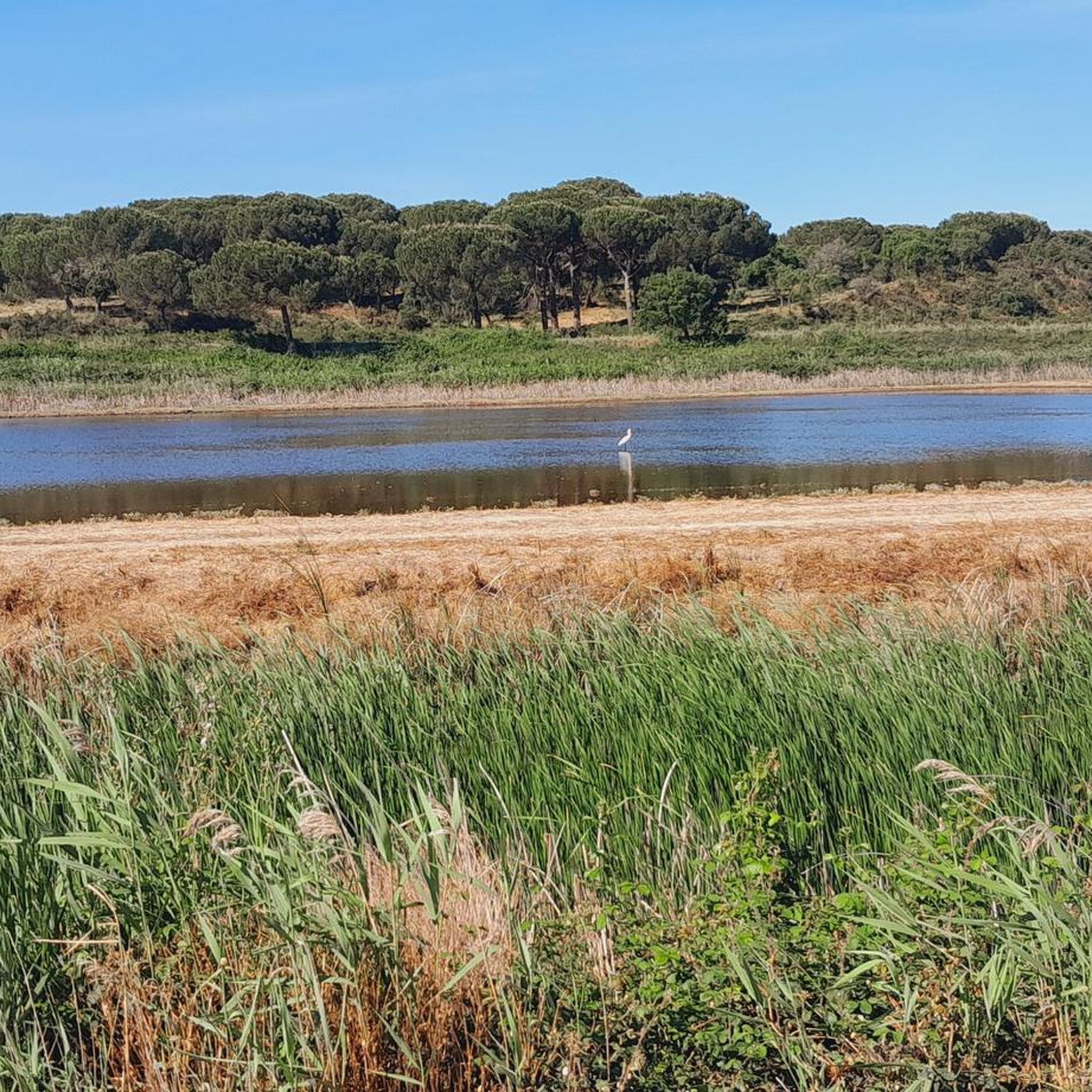
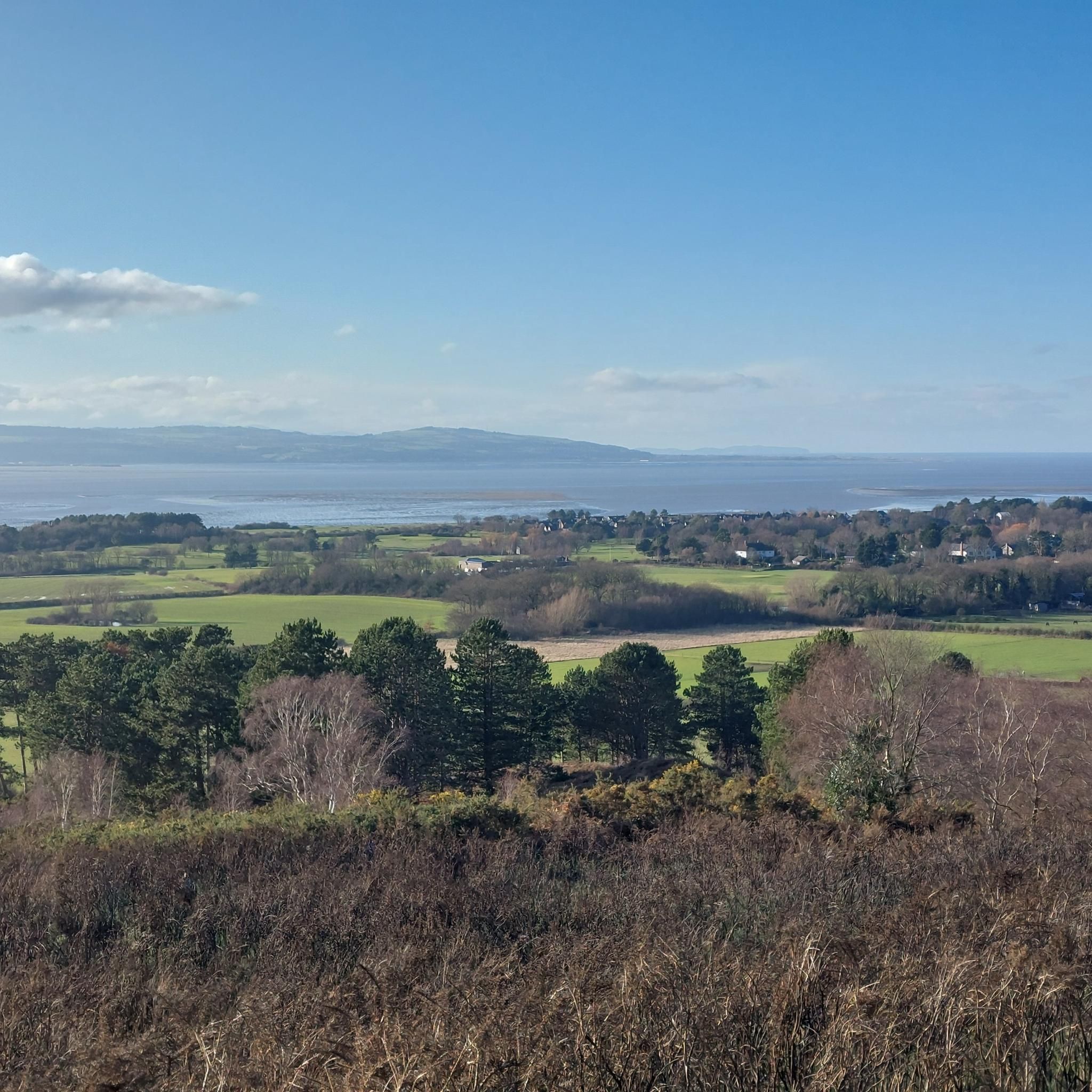
The Tagus Estuary Nature Reserve (RNET) is located in an area of high natural richness and diversity. Covering approximately 14,415 hectares, it is integrated into the largest wetland area in Portugal – the Tagus Estuary, including estuarine waters, sandbanks, salt pans, agricultural land, and cork oak forests. The connectivity of these habitats ensures the presence of a great diversity of living beings, such as mollusks, crustaceans, and small amphibians. It is also a nursery for various species of marine fish and a very important ecosystem for migratory fish. The estuary is also of great importance to aquatic birds, being one of the places with the most wintering birds in Europe.
1
0

The architectural design was designed by brothers Carlos and Guilherme Rebello de Andrade in the Portuguese Suave style, typical of the Estado Novo. The sculptures were made by Maximiano Alves (caryatids) and Diogo de Macedo (figures of the Tagus River and the Tagides), with lateral reliefs by Jorge Barradas.
5
0
The Alameda Luminous Fountain, also known as the Monumental Fountain, is one of Lisbon's most iconic monuments, located on Alameda Dom Afonso Henriques, right next to the Alameda metro station (green and red lines). It was conceived in 1938 and finally inaugurated on May 30, 1948. Its construction celebrated the regular supply of water to the eastern part of Lisbon.
5
0

Monumental 1940 fountain in a park, with sculptures of Triton & mermaids, plus evening light shows.
1
0

Located in the heart of the most important wetland in Portugal, the Tagus estuary, EVOA - Visitation and Bird Watching Space allows visitors to discover and enjoy the unique heritage, existing between the marshland and the Tagus estuary. EVOA includes three freshwater wetlands, totaling 70 ha. These lagoons are very important for birds, being used as a refuge area or even as a nesting place. In order to guarantee the tranquility of the birds and maximize the experience and comfort during the visit, three observatories are available on the banks of the lagoons, several camouflaged observation points and an Interpretation Center.
1
0
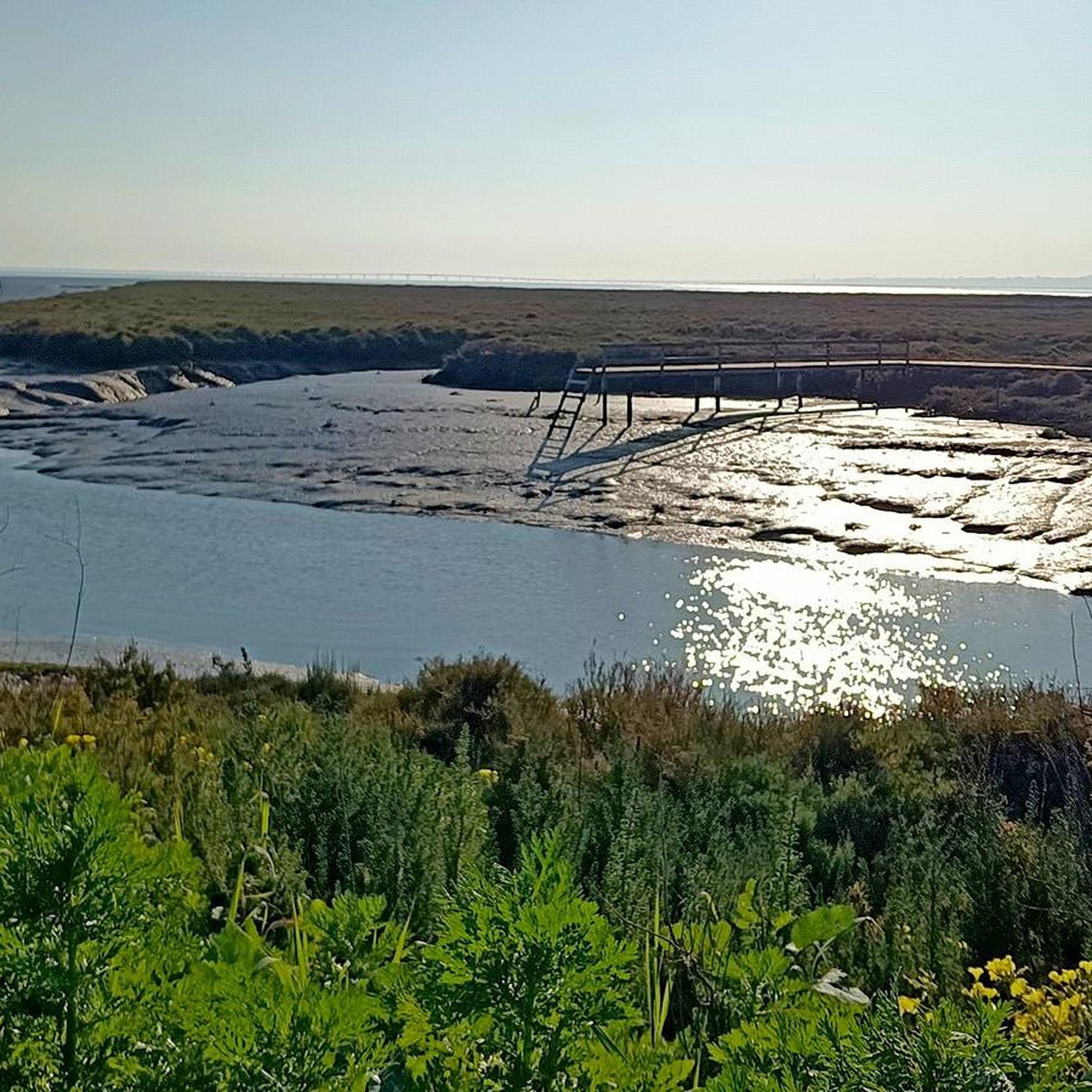
Although the maps show a short path from EVOA to this location, you will find a high gate that is normally closed and cannot be passed over or sideways. To get to Ponta D'erva, follow the path along the left bank of the Sorraia.
0
0

Must stop. Beautiful view over Tejo Estuary. on the way back, stop in Espaço Evoa.
0
0
Frequently Asked Questions
What are the most significant natural monuments to visit around Vila Franca de Xira?
The most significant natural monument is the Tagus Estuary, which is Portugal's largest wetland and a crucial ecosystem for migratory fish and aquatic birds. Within this area, the EVOA – Birdwatching and Visitor Center offers dedicated facilities to explore the marshland and observe birds. Another notable site is the Paul do Boquilobo Natural Reserve, a UNESCO Biosphere Reserve known for its extensive marshland and large heron colony.
What kind of wildlife can I expect to see in the natural monuments of Vila Franca de Xira?
The natural monuments, particularly the Tagus Estuary Natural Reserve and Paul do Boquilobo, are biodiversity hotspots. You can expect to see a wide variety of aquatic birds, including avocets (the symbol of the Tagus Estuary Reserve), flamingos, geese, sandpipers, and various species of herons and egrets, especially at Paul do Boquilobo. The estuary also serves as a nursery for marine fish species like sole and sea bass.
Are there good opportunities for birdwatching in the region?
Yes, Vila Franca de Xira is an excellent destination for birdwatching. The EVOA – Birdwatching and Visitor Center, located within the Tagus Estuary, is one of the best places in Portugal for this activity, offering observatories and an interpretation center. The Tagus Estuary itself is of European-wide importance for aquatic birds, especially during winter. Paul do Boquilobo Natural Reserve is also renowned for hosting the largest heron colony in the Iberian Peninsula.
When is the best time to visit the natural monuments for birdwatching?
The best time for birdwatching in the Tagus Estuary Natural Reserve is during the wintering season, typically from mid-November to late March, when populations can reach around 120,000 individuals. For Paul do Boquilobo, spring and winter are ideal, with herons nesting from February/March until summer. Some areas may have restricted access during nesting seasons to protect the birds.
Are there hiking or walking trails near these natural monuments?
Yes, there are several trails available. The Tagus Walkways (Passadiços do Tejo) offer pedestrian and cycling paths with scenic river views. For more structured routes, you can find various hiking trails around Vila Franca de Xira, including easy loops within the Tagus Estuary and routes along the Tejo river. The Shaded Trail with Waterfalls also offers a scenic route, though its waterfalls are seasonal.
Can I visit the natural monuments with my family?
Absolutely. The EVOA – Birdwatching and Visitor Center is family-friendly, providing an engaging experience for all ages with its interpretation center and observatories. Many of the walking paths along the Tagus Estuary are suitable for families, offering easy access to nature and wildlife observation.
What are the terrain and difficulty levels of trails in the natural monument areas?
Trails vary in difficulty. Many paths along the Tagus Estuary, such as the 'Tagus Estuary loop from Póvoa' or 'Viewpoint Over the Lagoon loop from Centro de Interpretação do EVOA', are rated as easy. Other routes, like 'From Alhandra to Vila Franca de Xira — route along the Tejo river', are moderate. Some areas, especially in wetlands like Paul do Boquilobo, can be muddy, particularly in wetter seasons.
Are there any natural viewpoints to enjoy the scenery?
Yes, the region offers several natural viewpoints. Ponta da Erva provides beautiful views over the Tejo Estuary. The Tagus Estuary itself, with its vast open landscapes, offers numerous spots to appreciate the riverine environment and observe the expansive wetlands.
What amenities are available near the natural monuments, such as cafes or accommodation?
While specific amenities vary by location, Vila Franca de Xira and surrounding towns offer cafes, restaurants, and accommodation options. Near the EVOA – Birdwatching and Visitor Center and other parts of the Tagus Estuary, you can find places to eat and stay, especially in the more populated riverside areas.
What is the best season for hiking around the natural monuments?
Spring and autumn generally offer the most pleasant weather for hiking, with milder temperatures. Winter can also be a good time, especially for birdwatching, but trails might be muddy. Summers can be hot, so early mornings or late afternoons are preferable if hiking during this season. The Shaded Trail with Waterfalls is best visited after periods of rain, typically in late autumn or winter, for the waterfalls to be active.
Is public transport available to reach the natural monuments?
Vila Franca de Xira is accessible by public transport, and some areas of the Tagus Estuary Natural Reserve can be reached via local transport options. For specific access points like the EVOA – Birdwatching and Visitor Center, it's advisable to check local bus schedules or consider driving, as direct public transport links might be limited to the main visitor centers.
Most popular routes around Vila Franca De Xira
Most popular attractions around Vila Franca De Xira

Get inspired with the komoot mobile app


Explore more
Extend your search for the best caves by checking out these guides of the top ones around Vila Franca De Xira:
