Top 3 Natural Monuments around Turcifal
Natural monuments around Turcifal offer diverse landscapes for exploration, characterized by significant natural and historical features. The region's geography includes coastal areas, river mouths, and expansive forest parks. These sites provide opportunities to observe local flora and fauna, alongside geological formations and historical structures. The natural environment around Turcifal is shaped by its proximity to the Atlantic coast and the presence of protected areas.
Best natural monuments around Turcifal
- The most popular natural monument is Tapada Nacional de Mafra,…
Last updated: May 2, 2026
Tapada Nacional de Mafra
Highlight • Forest
Translated by Google •
Tip by

Cerco Garden
Highlight • Natural
Translated by Google •
Tip by
Sign up now to discover places like this
Get recommendations on the best single tracks, peaks, & plenty of other exciting outdoor places.
Sign up for free
Forte da Archeira
Highlight • Historical Site
Translated by Google •
Tip by
Serra da Archeira Wind Farm
Highlight (Segment) • Structure
Translated by Google •
Tip by
Moinho do Gaio
Highlight • Structure
The climb is steep, but worth it for the views of the surrounding landscape.
Translated by Google •
Tip by

Sign up for free to discover even more natural monuments around Turcifal.
Sign up for free
Already have an account?
Start today with a free account
Your next adventure awaits.
Login or Signup
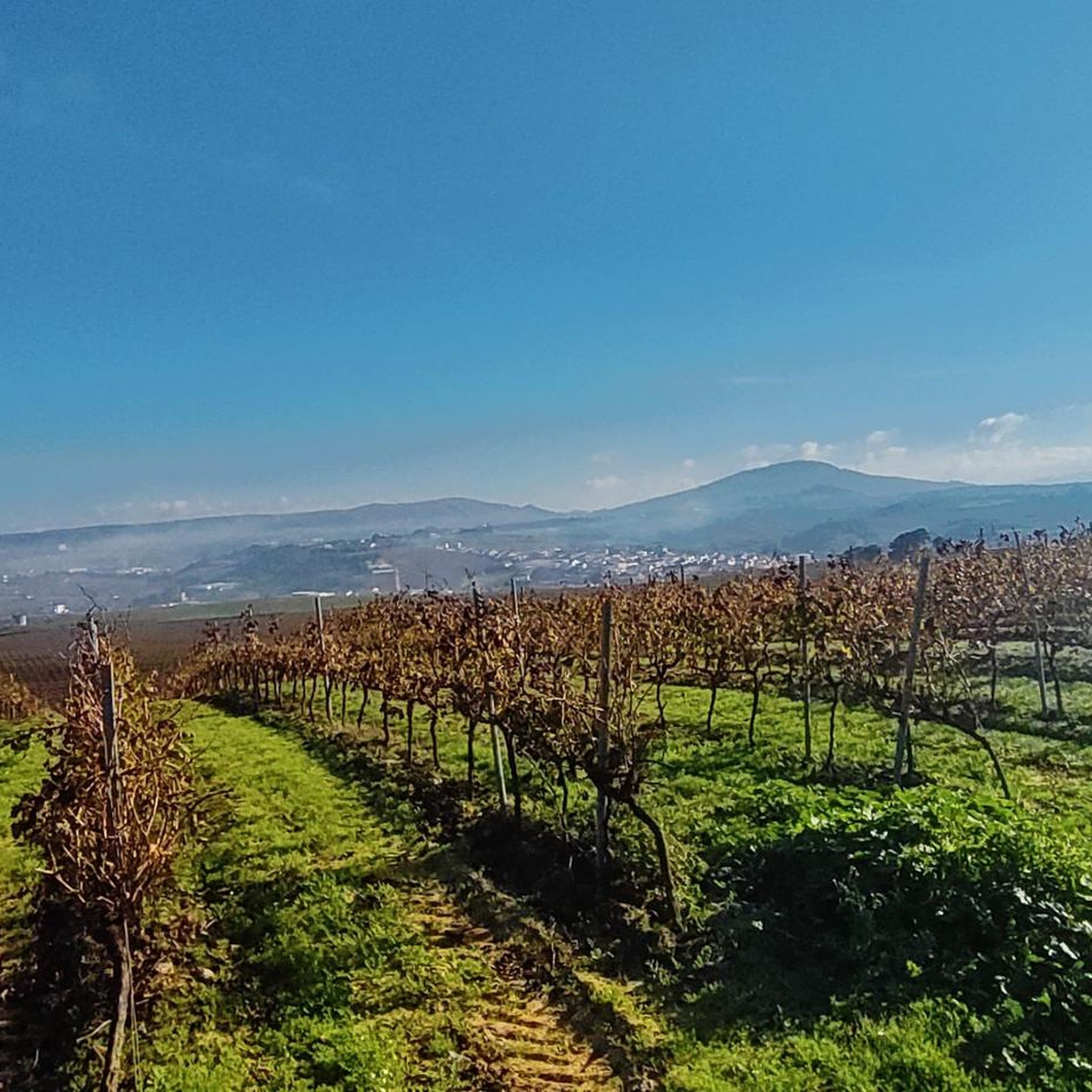
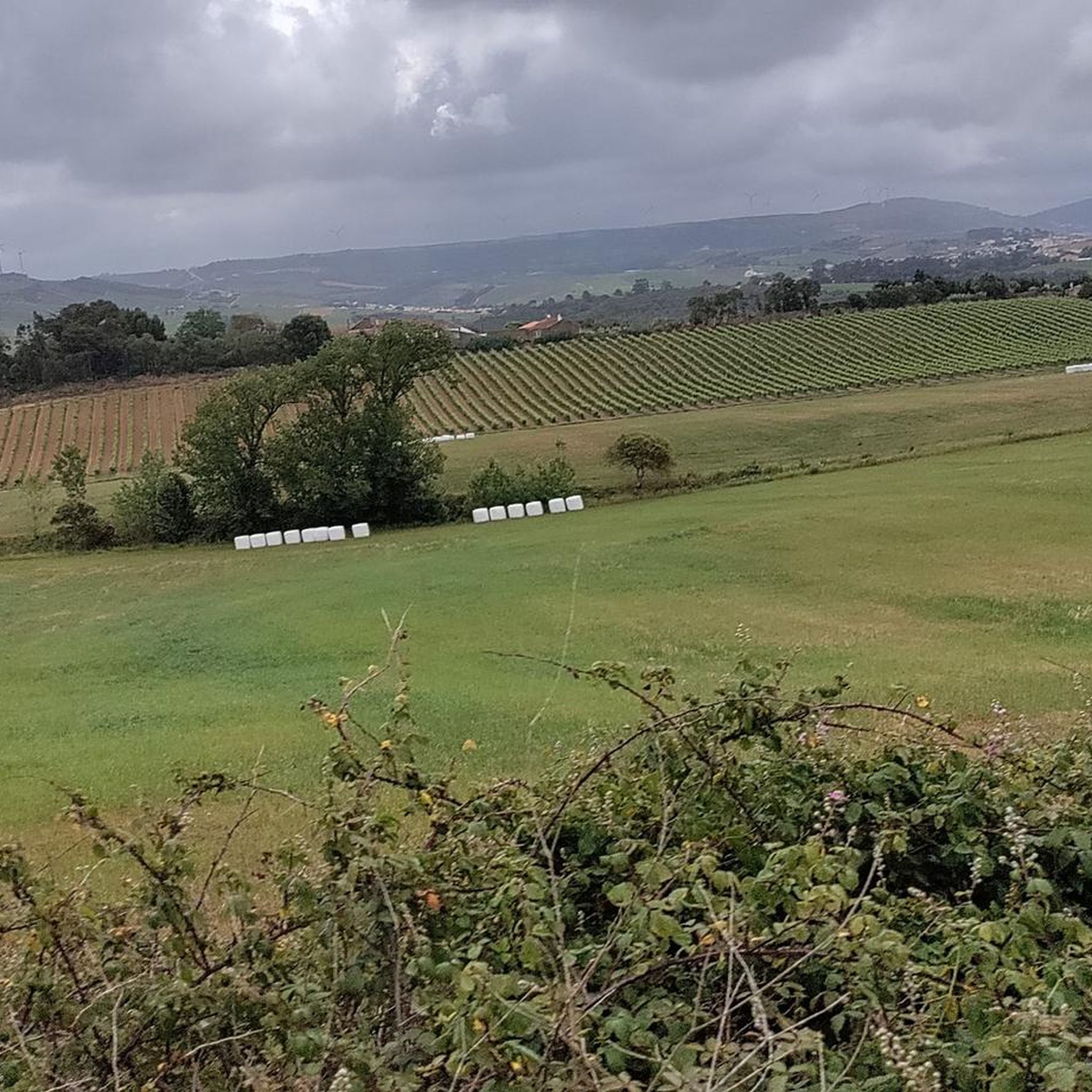
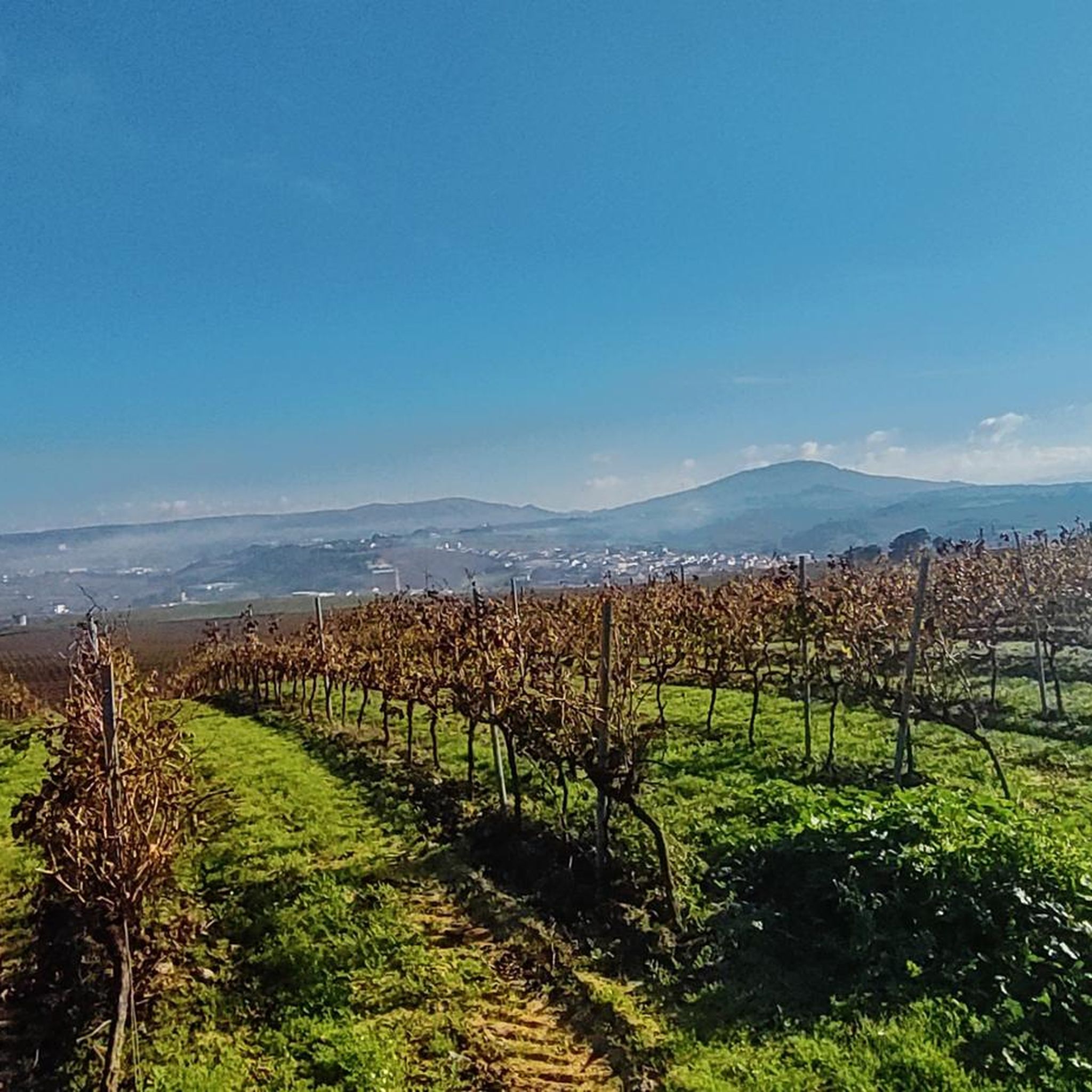
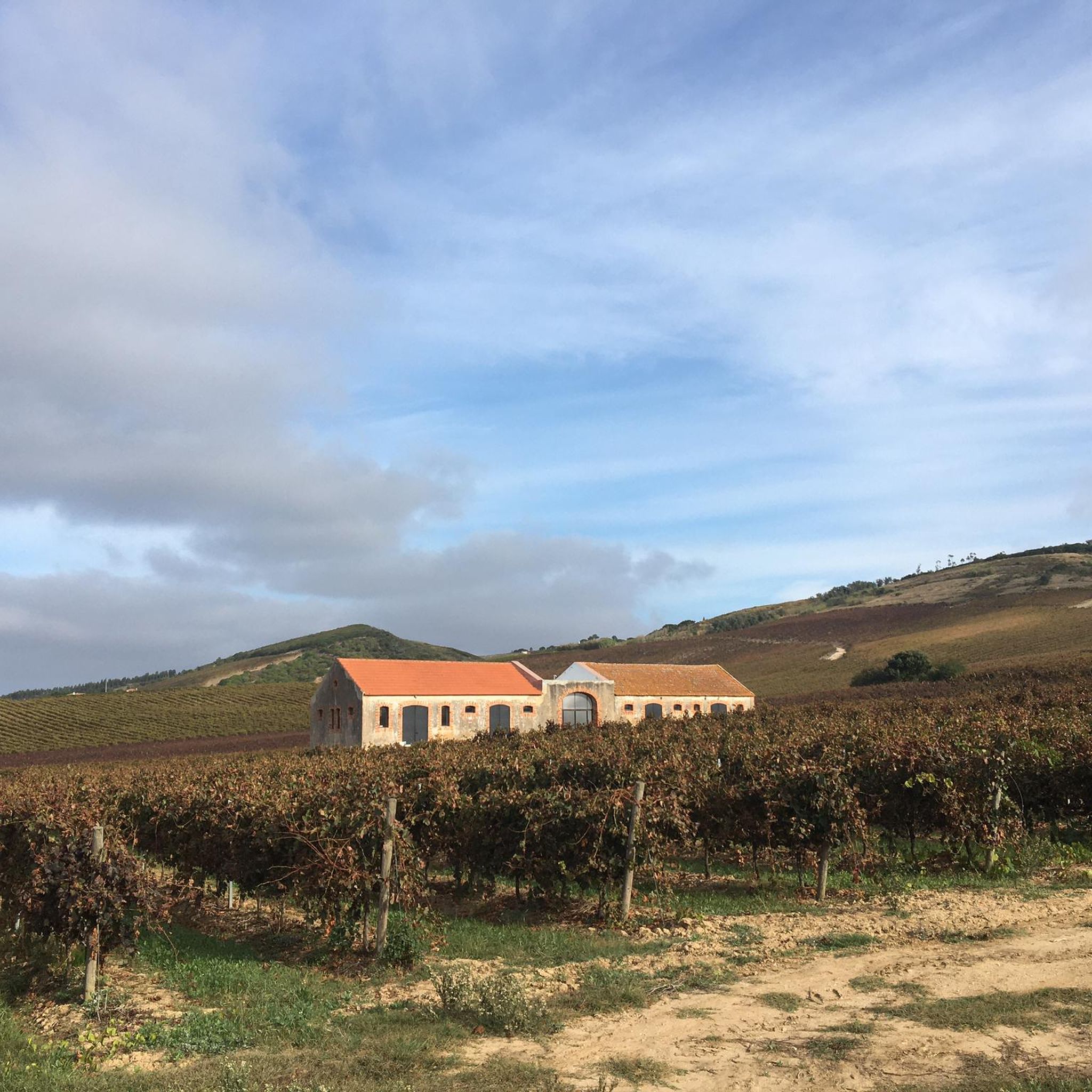

Tips from the Community

A very well-preserved windmill atop Mount Gaio. The climb is steep, but worth it for the views of the surrounding landscape.
1
0

You can hike, drive through the park in an electric car or take a carriage ride. Advance reservation is advisable.
4
3

The Tapada Nacional de Mafra, created during the reign of João V in Portugal, is a royal park measuring more than 8 km², home to several species of animals and a diverse natural habitat. Used for hunting and leisure by the Portuguese monarchy, today it offers activities such as hiking, cycling, horse riding and archery. In 2019, it was classified as a UNESCO World Heritage Site.
1
0
Forte da Archeira, part of the Lines of Towers defensive north of Lisbon during the Peninsular War, is a military fortification located at an altitude of 345 m. It was part of the 1st Defensive Line with the forts of Catefica and Feiteira. Despite not having gunboats, it has traces of a magazine. It forms part of the Lines of Torres, a system of 152 fortifications extending over 80 km, built between 1809 and 1812 to prevent the advance of Napoleonic troops.
0
0
The Jardim do Cerco, in Mafra, is a baroque example, famous for its water mirrors, paths and leafy trees (including a century-old daughter-in-law) and the Horta dos Frades. With 8 hectares, it has everything from waterfalls to medicinal plants. It is adjacent to the Mafra National Palace; right behind, more precisely. In 2019, the park became a UNESCO World Heritage Site.
4
0
The Tapada Nacional de Mafra, created during the reign of João V in Portugal, is a royal park measuring more than 8 km², home to several species of animals and a diverse natural habitat. Used for hunting and leisure by the Portuguese monarchy, today it offers activities such as hiking, cycling, horse riding and archery. In 2019, it was classified as a UNESCO World Heritage Site.
3
1
Section of the path on a gravel road that runs alongside the wind farm. The feeling of walking next to a large rotating wind blade is interesting to say the least. Panoramic views of Serra da Archeira.
1
0
Forte da Archeira, part of the Lines of Towers defensive north of Lisbon during the Peninsular War, is a military fortification located at an altitude of 345 m. It was part of the 1st Defensive Line with the forts of Catefica and Feiteira. Despite not having gunboats, it has traces of a magazine. It forms part of the Lines of Torres, a system of 152 fortifications stretching over 80 km, built between 1809 and 1812 to prevent the advance of Napoleonic troops.
2
0
Frequently Asked Questions
What are the main natural attractions near Turcifal?
The primary natural attractions in the vicinity of Turcifal include the expansive Tapada Nacional de Mafra, a UNESCO World Heritage Site known for its diverse wildlife and activities, and the Mouth of the Sizandro River, an important ecological site for birdwatching.
Are there family-friendly natural monuments to visit around Turcifal?
Yes, several natural monuments are suitable for families. The Tapada Nacional de Mafra offers activities like hiking, cycling, and electric car tours, making it enjoyable for all ages. Additionally, the Cerco Garden, with its baroque design and water features, is a pleasant and accessible option for families.
What kind of wildlife can I expect to see in the natural monuments near Turcifal?
The Tapada Nacional de Mafra is a sanctuary for diverse wildlife, including deer, wild boars, foxes, and numerous bird species. The Mouth of the Sizandro River is particularly excellent for birdwatching, with species like Kentish Plover, Common Nightingale, Water Pipit, Linnet, Eurasian Hoopoe, Eurasian Kestrel, and Iberian Grey Shrike.
Are there historical sites among the natural monuments around Turcifal?
Yes, the region combines natural beauty with historical significance. The Tapada Nacional de Mafra, originally a royal hunting ground, offers insights into Portugal's royal heritage. The Cerco Garden is a historic baroque garden. Furthermore, Forte da Archeira is a military fortification that is part of the historic Lines of Torres.
What outdoor activities can I do near these natural monuments?
Near the natural monuments, you can enjoy a variety of outdoor activities. The Tapada Nacional de Mafra offers hiking, cycling, horse riding, and archery. For more extensive options, explore the hiking routes around Turcifal, cycling tours, or gravel biking trails, which include routes like the 'Route of Charms' and the 'Ecopista do Sizandro'.
Are there good spots for birdwatching near Turcifal?
Absolutely. The Mouth of the Sizandro River is a recognized vital ecological site and an excellent location for birdwatching. Its diverse habitats, including wetlands, dunes, and riverside vegetation, attract a wide array of bird species throughout the year.
Can I find viewpoints with panoramic scenery in the area?
Yes, the region offers several viewpoints. The Cerco Garden provides scenic views, and the Forte da Archeira, situated at 345 m altitude, offers panoramic vistas. Additionally, the Serra da Archeira Wind Farm trail provides panoramic views of the Serra da Archeira, and the Moinho do Gaio offers rewarding views after a steep climb.
What is the best time to visit the natural monuments around Turcifal?
The natural monuments around Turcifal can be enjoyed year-round. However, for wildlife observation, especially birdwatching at the Mouth of the Sizandro River, winter can be particularly rewarding for spotting species like the Water Pipit and Linnet. For hiking and cycling, spring and autumn offer milder temperatures.
Are there any unique geological features to observe?
While the region is known for its diverse ecosystems, the Mouth of the Sizandro River area offers geological interest. You can observe Quaternary fluvial terraces, which reveal the river's historical path and its past navigability up to Torres Vedras during the Middle Ages.
What do visitors enjoy most about the natural monuments in this area?
Visitors particularly appreciate the rich biodiversity and the variety of activities available. The Tapada Nacional de Mafra is loved for its wildlife and opportunities for hiking and cycling, while the Mouth of the Sizandro River is highly regarded by birdwatching enthusiasts. The blend of nature and history, such as at Cerco Garden and Forte da Archeira, also draws significant interest.
Are there easy walking trails suitable for beginners near Turcifal's natural monuments?
Yes, there are options for easier walks. The Tapada Nacional de Mafra has various pathways, some of which are easy to navigate. The Mouth of the Sizandro River also offers easy walking trails for leisurely exploration. For specific routes, the Hiking around Turcifal guide includes an 'easy' rated route like the 'Hiking loop from Almeirinhos'.
Can I combine a visit to a natural monument with a cultural experience?
Definitely. The Cerco Garden is adjacent to the Mafra National Palace, allowing you to easily combine a visit to this baroque garden with exploring the historical palace. The Tapada Nacional de Mafra also has a history museum, providing a cultural context to its natural setting.
Most popular attractions around Turcifal

Get inspired with the komoot mobile app


Explore more
Extend your search for the best caves by checking out these guides of the top ones around Turcifal:
