Top 20 Natural Monuments around Sintra (São Martinho)
Best natural monuments around Sintra (São Martinho) are found within the Sintra-Cascais Natural Park, a UNESCO World Heritage site. This region features a diverse landscape, including dramatic coastal cliffs, verdant mountain ranges, and unique geological formations. The area offers a blend of natural beauty and historical significance, providing varied outdoor exploration opportunities. Its microclimate contributes to lush vegetation and distinctive atmospheric conditions.
Best natural monuments around Sintra (São Martinho)
- The most popular natural monuments is Ursa Beach, a beach…
Last updated: October 16, 2026
Pena Palace
Highlight • Castle
Translated by Google •
Tip by

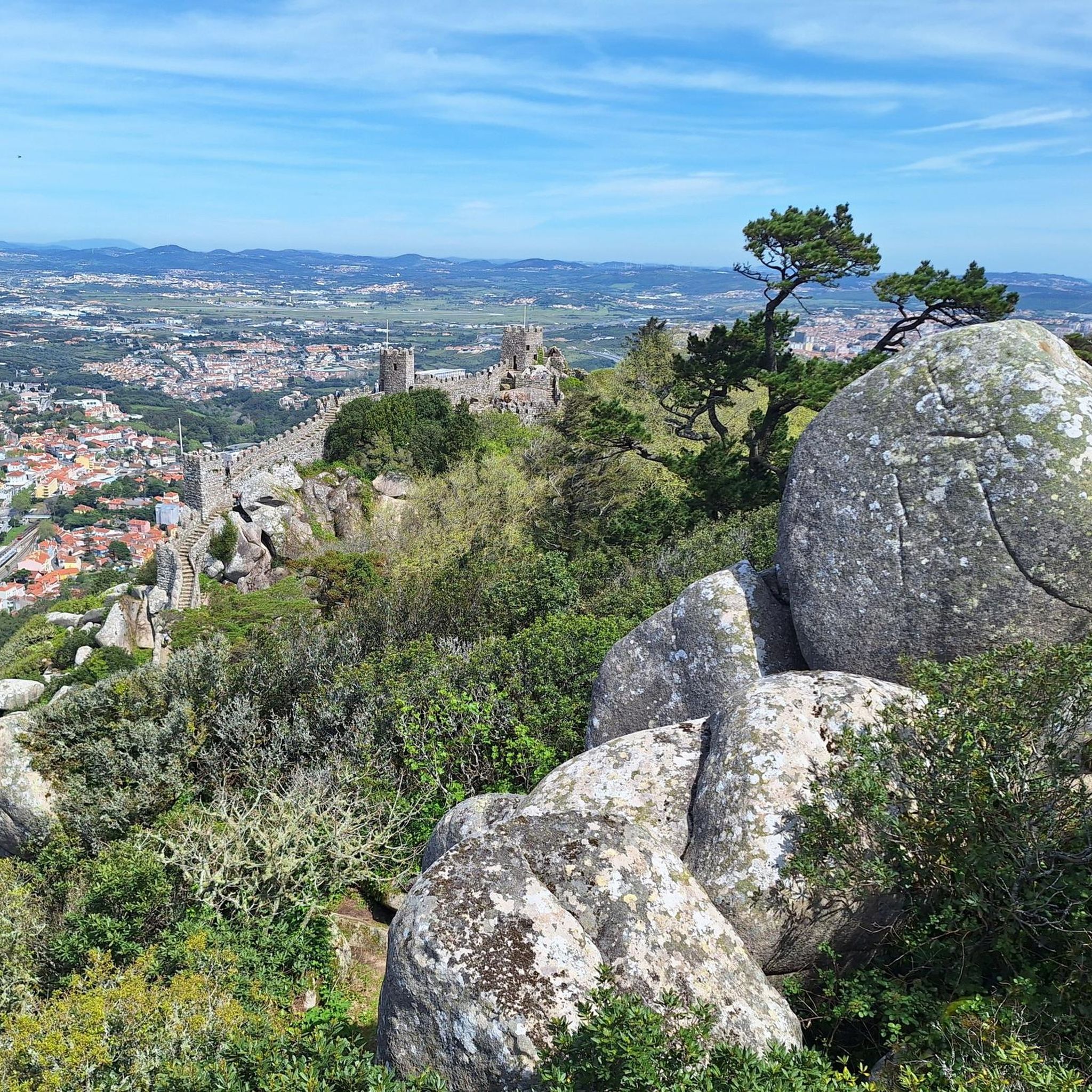
Castle of the Moors
Highlight • Castle
Translated by Google •
Tip by
Sign up now to discover places like this
Get recommendations on the best single tracks, peaks, & plenty of other exciting outdoor places.
Cabo da Roca — Westernmost point of mainland Europe
Highlight • Viewpoint
Until the 14th century, Europeans thought it was the end of the world.
The highlight of Cabo da …
Translated by Google •
Tip by

Ursa Beach
Highlight • Beach
Translated by Google •
Tip by

Boca do Inferno (Hell's Mouth)
Highlight • Gorge
Translated by Google •
Tip by

Sign up for free to discover even more natural monuments around Sintra (São Martinho).
Already have an account?
Start today with a free account
Your next adventure awaits.
Tips from the Community

The Höllenschlund lives up to its name during storms/bad weather and lashing waves. But even in 'normal weather', this is simply a wonderfully scenic spot.
0
0

Place of interest in Cascais visited by all tourists! Generally, in spring and summer, the sea is calm and Boca do Inferno has little movement. But if you get to see it in autumn or winter after a storm, the mouth roars and has an inexplicable energy 🌊
0
0

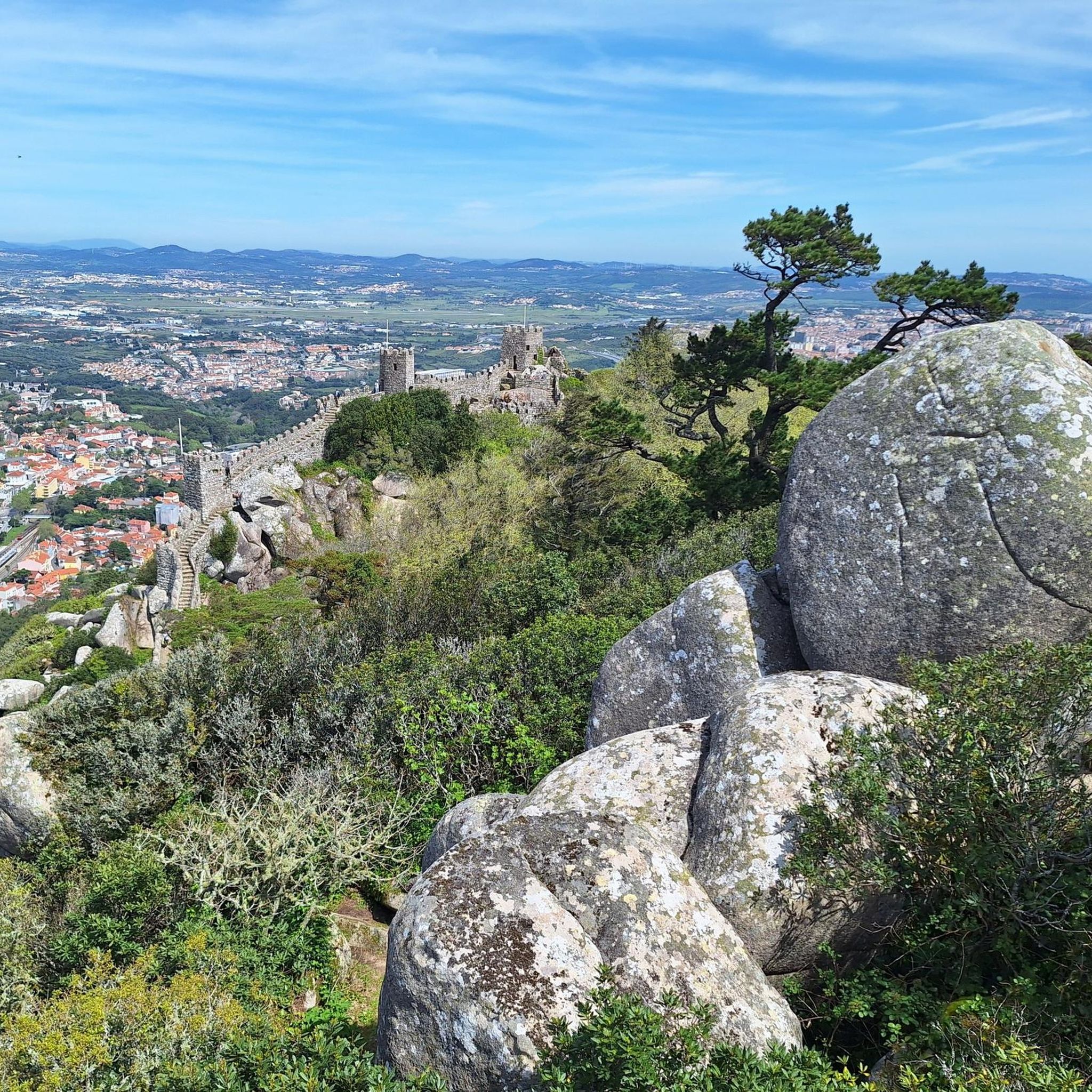
The view of Pena Palace and Sintra from the Castelo dos Mouros is one of the most spectacular in the entire region. Walking along the castle walls, you'll discover a landscape that blends history, architecture, and nature in perfect harmony.
7
0

Great view of Boca do Inferno and the mighty power of the Atlantic
0
1
Cabo da Roca is a spectacular cape located in the Sintra-Cascais Natural Park in Portugal, known as the westernmost point of continental Europe. Its rugged beauty and remote location make it a very special destination for nature lovers and those interested in dramatic landscapes.
7
0
It was originally a Hieronymite monastery founded in the 16th century, dedicated to Our Lady of Sorrow. After the 1755 earthquake, it fell into ruins and was acquired by King Ferdinand II in 1838. Between 1842 and 1854, it became a summer palace for the Portuguese royal family. In 1910, following the end of the monarchy, it passed into state hands and was opened to the public.
20
0
The Pena Palace in Sintra is one of Portugal's most spectacular monuments and a jewel of European Romanticism. Located high in the Sintra Mountains, about 25 km from Lisbon, this palace looks like something out of a fairy tale with its colorful and eclectic architecture.
21
0

Try to be there early morning to avoid the heath and too many touristists on the track.
0
1
Frequently Asked Questions
What unique natural features can I explore in Sintra (São Martinho) and its surroundings?
The region offers a diverse range of natural features. You can visit Cabo da Roca — Westernmost point of mainland Europe, a dramatic headland with spectacular ocean views. The Serra de Sintra mountain range provides lush, verdant landscapes and unique microclimates. The coastline features captivating beaches like Ursa Beach with its distinctive rock formations, Praia Grande known for dinosaur footprints, and Magoito Beach with fossil dunes. For tranquil retreats, explore Lagoa Azul or the secluded Barragem do Rio da Mula reservoir.
Are there historical sites among the natural monuments in Sintra (São Martinho)?
Yes, the area beautifully blends natural beauty with historical significance. The Castle of the Moors is a prominent historical site offering panoramic views of the Sintra mountains and coastline. Additionally, the Peninha Sanctuary, located at an altitude of 448 meters, provides historical context along with breathtaking coastal views.
What kind of hiking and outdoor activities can I do near these natural monuments?
The Serra de Sintra offers winding trails ideal for hiking and mountain biking amidst exotic flora. Many natural monuments, like Cabo da Roca and Ursa Beach, have hiking trails leading through their natural areas. For more structured routes, you can find various running trails and cycling routes in the surrounding region, including options like the Palácio Nacional da Pena circular route or the Colares Wine Trail.
Are there family-friendly natural monuments or activities in Sintra (São Martinho)?
Many natural monuments are suitable for families. Cabo da Roca is considered family-friendly, offering impressive views and a certificate to commemorate your visit. Gentle hikes around Lagoa Azul provide a peaceful setting for families. While some trails to beaches like Ursa Beach can be steep, many areas within the Sintra-Cascais Natural Park offer accessible paths for walks.
What is the best time of year to visit the natural monuments around Sintra (São Martinho)?
The Sintra-Cascais Natural Park experiences a unique microclimate, often blanketed in a mystical mist, which can occur throughout the year. Generally, spring and autumn offer pleasant temperatures for exploring. Summer can be warm, but coastal areas benefit from ocean breezes. Winter is milder but can bring more rain and the characteristic 'Sintra haze'.
How can I reach the natural monuments, and is parking available?
Many natural monuments are accessible by car, with parking often available nearby, though it can be limited at popular spots like Cabo da Roca. Public transport, such as buses, connects Sintra to various points within the natural park, including Cabo da Roca. However, reaching more secluded spots like Barragem do Rio da Mula might require a car or longer walks via forest trails.
What do visitors enjoy most about the natural monuments in Sintra (São Martinho)?
Visitors frequently praise the spectacular panoramic views, especially from sites like Castle of the Moors and Cabo da Roca. The wild landscape, the impressive rock formations at Ursa Beach, and the mystical atmosphere of the Serra de Sintra are also highly appreciated. The blend of natural beauty with historical elements creates a unique and memorable experience for outdoor enthusiasts.
Are there any hidden gems or less-known natural monuments worth exploring?
For a more secluded experience, the Barragem do Rio da Mula is a hidden reservoir nestled deep within pine-forested hills, primarily accessible via forest trails. It offers profound stillness and an ideal setting for peaceful picnics. Lagoa Azul, with its stunning turquoise waters, is another tranquil oasis favored by locals for quiet contemplation and nature photography.
Can I find trails suitable for beginners around the natural monuments?
Yes, while some trails can be challenging, there are options for beginners. The Serra de Sintra offers various winding trails, some of which are gentle. Within Pena Park, you can find numerous paths and stairs suitable for leisurely walks. For running, the Caminho das Quintas circular route (PR 5 SNT) is rated as easy.
What kind of geological formations can be observed along the Sintra (São Martinho) coastline?
The coastline within the Sintra-Cascais Natural Park is rich in geological wonders. Praia Grande features well-preserved dinosaur footprints embedded in a vertical chalk layer. Magoito Beach is known for its intriguing consolidated fossil dunes. The dramatic cliffs at Cabo da Roca plunge approximately 100 meters into the Atlantic, showcasing the raw power of nature.
Are there opportunities for water sports near the natural monuments?
Yes, the coastal beaches within the Sintra-Cascais Natural Park are popular for various water sports. Praia Grande and other beaches are well-known spots for activities like windsurfing, surfing, and bodyboarding, offering a different way to experience the natural beauty of the region.
What is the significance of the Serra de Sintra mountain range?
The Serra de Sintra forms the verdant heart of the natural park, characterized by its lush, dense vegetation and a unique microclimate that often creates a mystical mist. This 'Sintra haze' has inspired artists and poets, contributing to the region's enchanting atmosphere. It's a key area for hiking and mountain biking, offering an immersive experience amidst diverse flora.
Most popular routes around Sintra (São Martinho)
Most popular attractions around Sintra (São Martinho)

Get inspired with the komoot mobile app


Explore more
Extend your search for the best caves by checking out these guides of the top ones around Sintra (São Martinho):
