Top 20 Natural Monuments around Rio De Mouro
Best natural monuments around Rio De Mouro offer a diverse landscape to explore, characterized by historical sites nestled within natural settings and dramatic coastal formations. This region, part of the Sintra Mountains and Sintra-Cascais Natural Park, features elevated viewpoints and unique geological features. Visitors can discover a blend of cultural heritage and natural beauty, making it a compelling destination for outdoor activities.
Best natural monuments around Rio De Mouro
- The most popular natural monuments is Castle of the Moors,…
Last updated: October 16, 2026
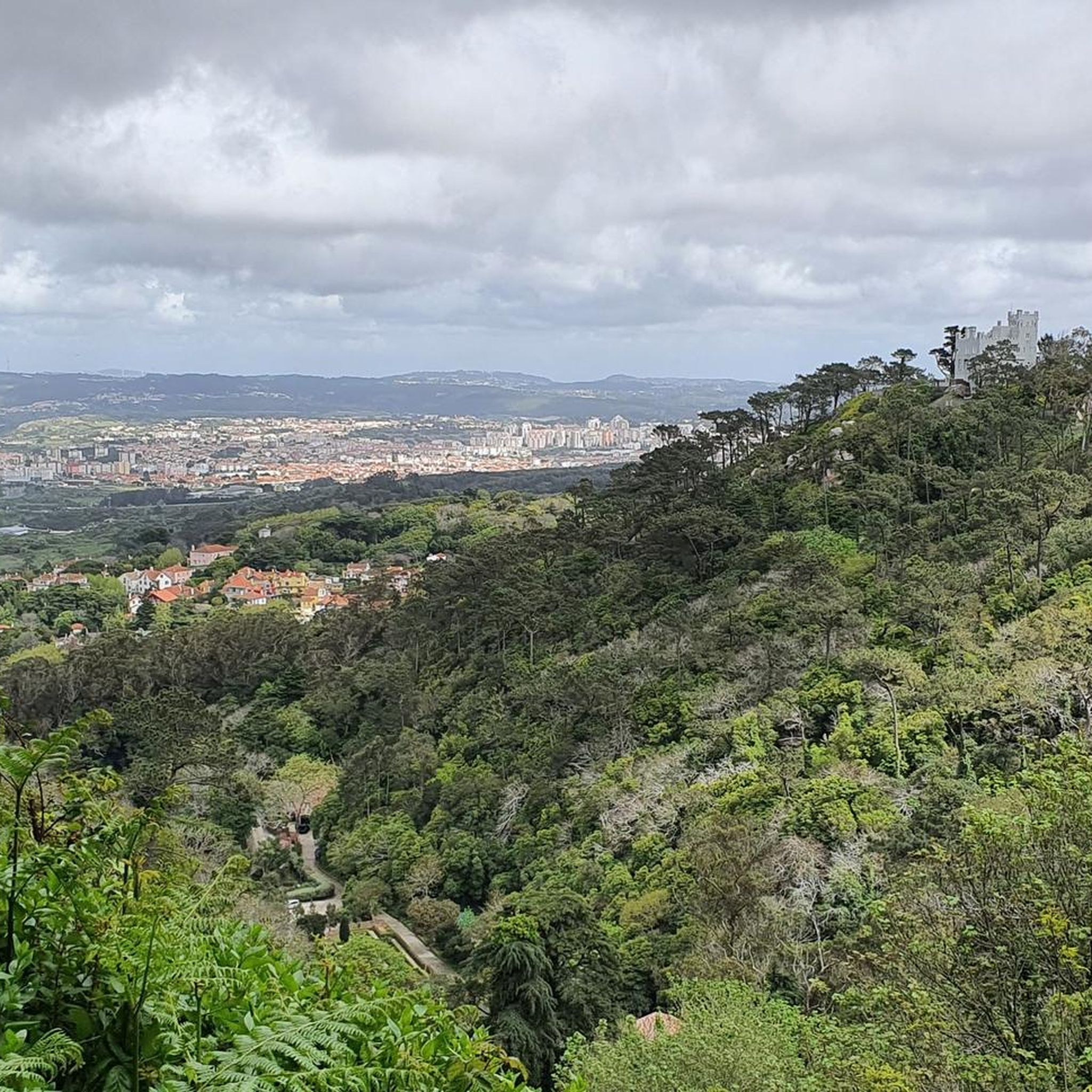
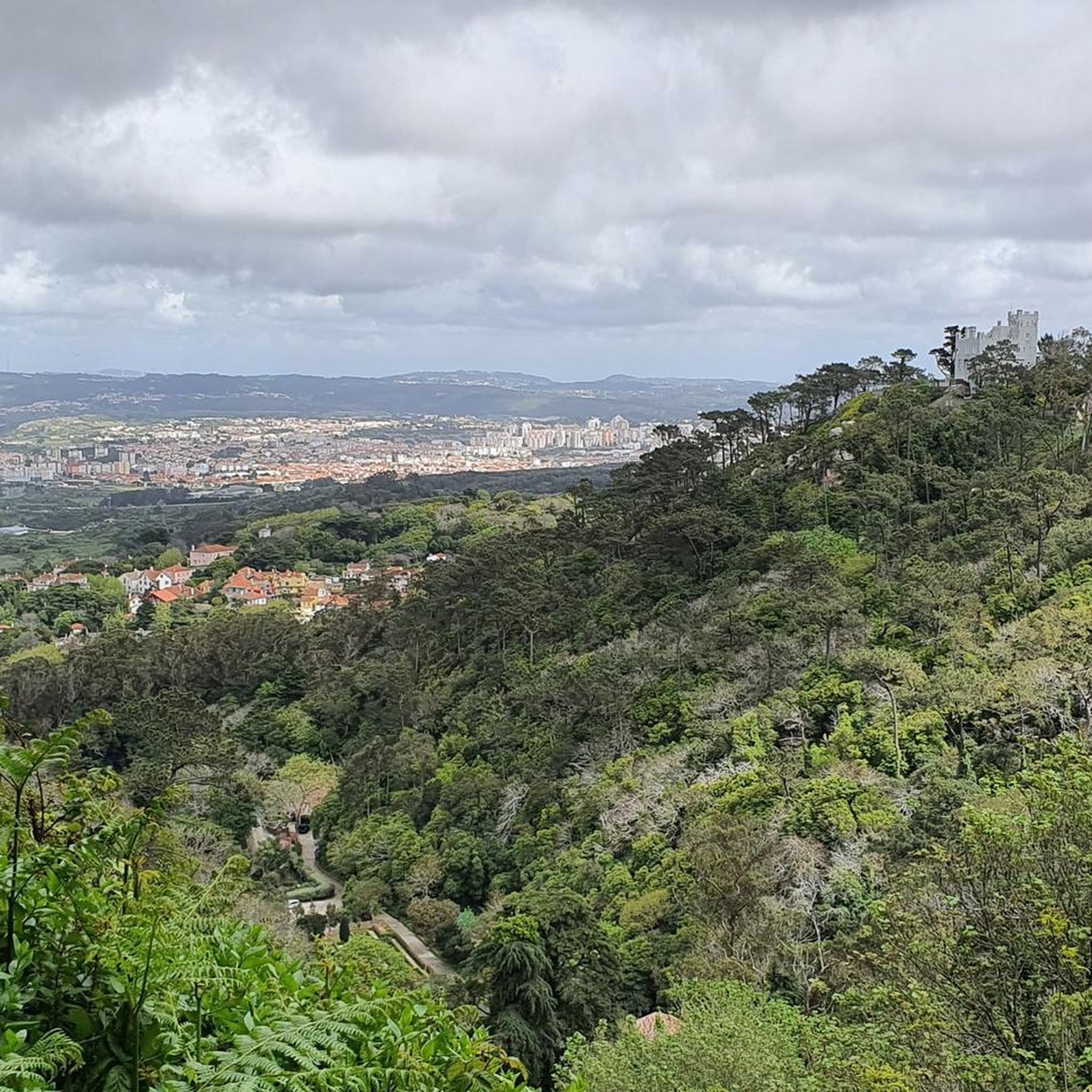
Pena Palace
Highlight • Castle
Translated by Google •
Tip by

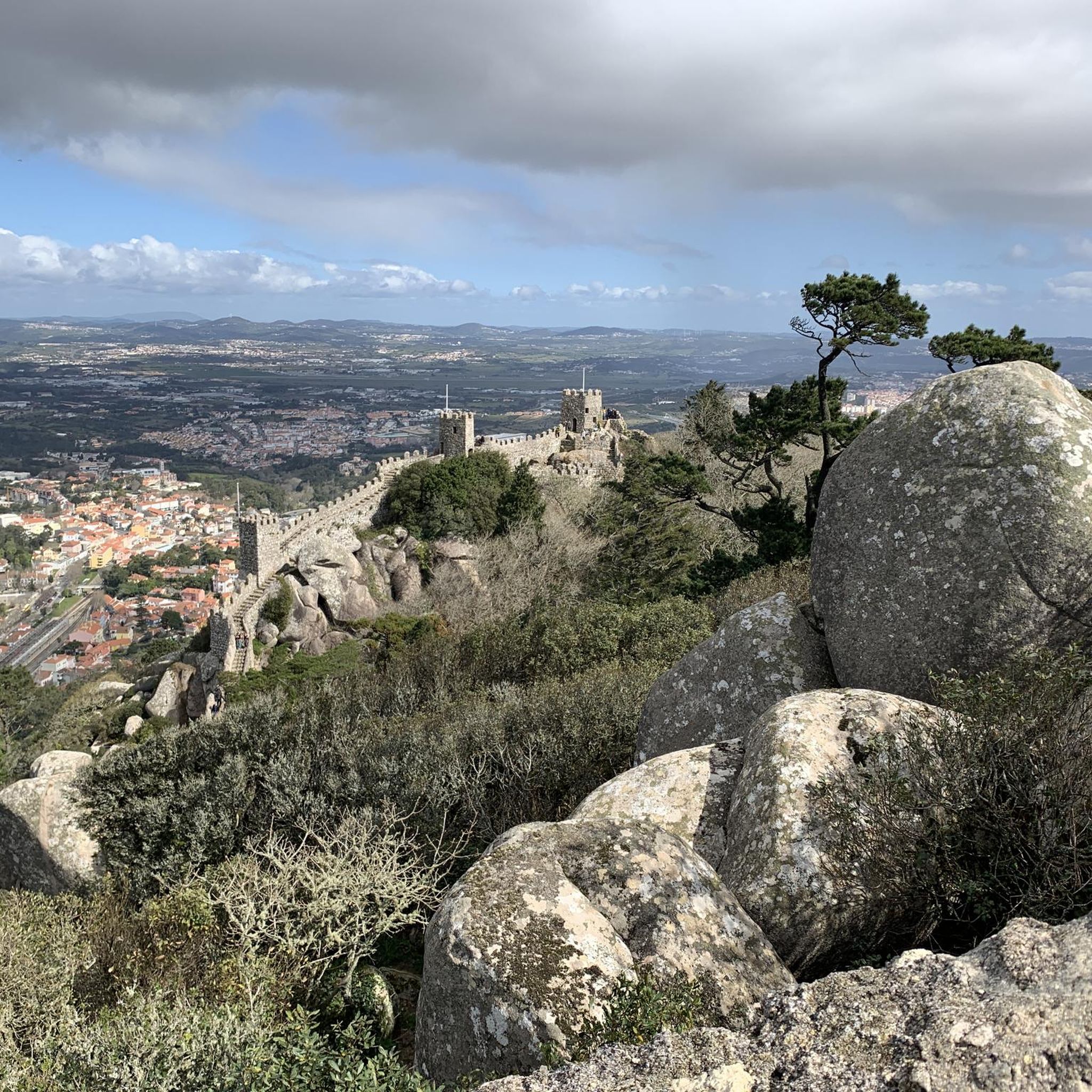
Castle of the Moors
Highlight • Castle
Translated by Google •
Tip by
Sign up now to discover places like this
Get recommendations on the best single tracks, peaks, & plenty of other exciting outdoor places.
Boca do Inferno (Hell's Mouth)
Highlight • Gorge
Translated by Google •
Tip by

Peninha Sanctuary
Highlight • Religious Site
Translated by Google •
Tip by

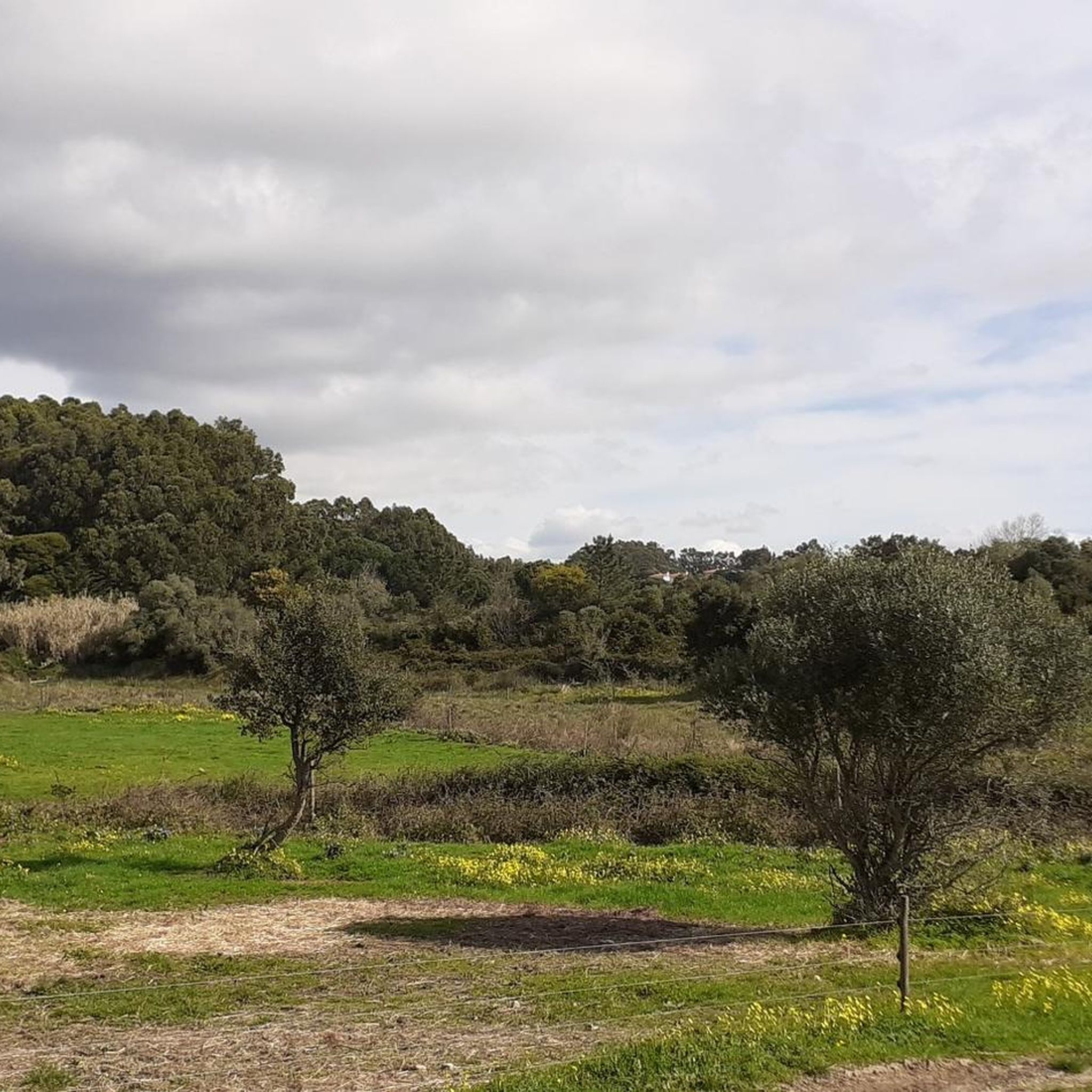
Mula River Dam
Highlight • Lake
Translated by Google •
Tip by
Sign up for free to discover even more natural monuments around Rio De Mouro.
Already have an account?
Start today with a free account
Your next adventure awaits.

Tips from the Community

Swamp with 2 parking areas where most trails begin. Take care of Nature and take your trash back!
1
0

The Höllenschlund lives up to its name during storms/bad weather and lashing waves. But even in 'normal weather', this is simply a wonderfully scenic spot.
0
0

Place of interest in Cascais visited by all tourists! Generally, in spring and summer, the sea is calm and Boca do Inferno has little movement. But if you get to see it in autumn or winter after a storm, the mouth roars and has an inexplicable energy 🌊
0
0

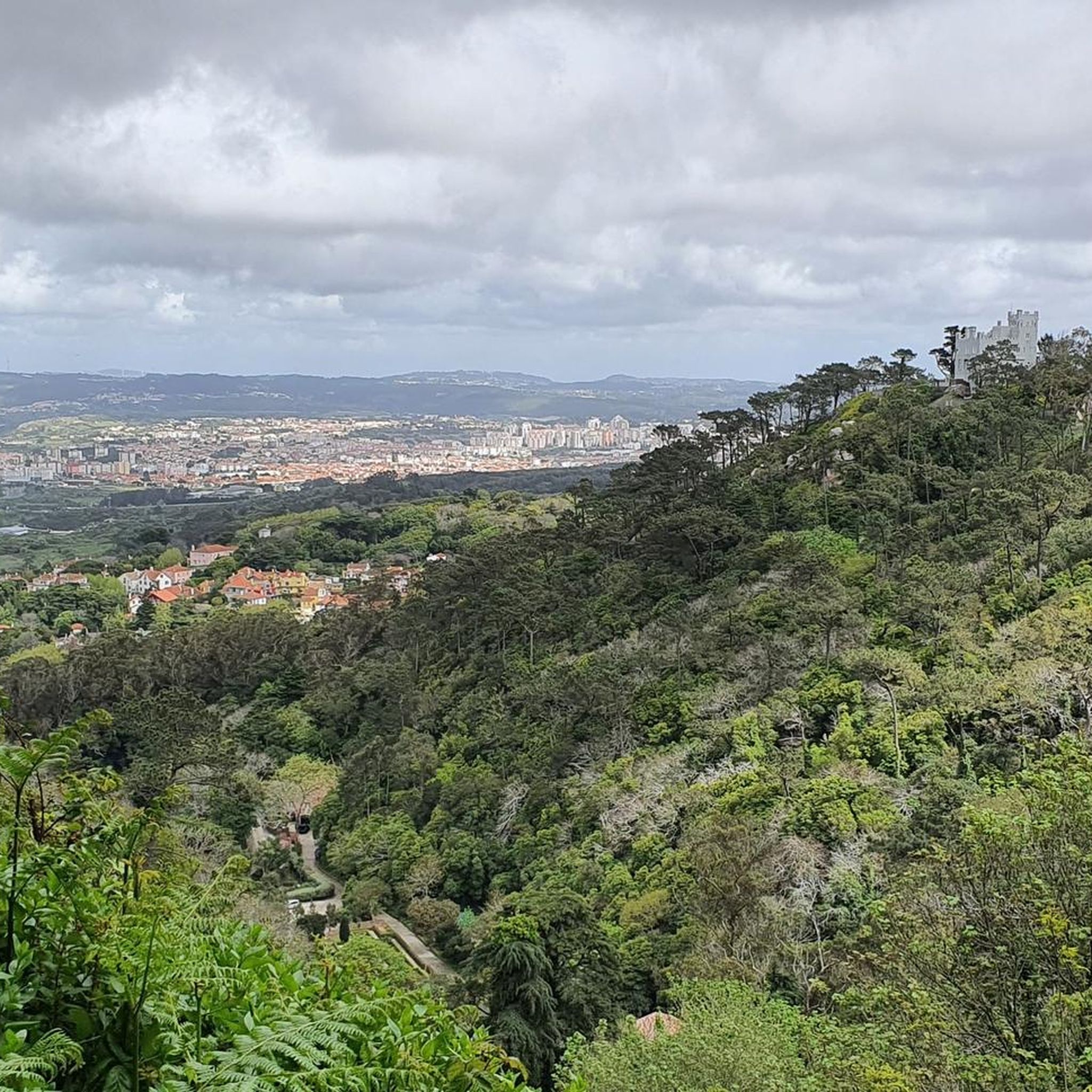
The view of Pena Palace and Sintra from the Castelo dos Mouros is one of the most spectacular in the entire region. Walking along the castle walls, you'll discover a landscape that blends history, architecture, and nature in perfect harmony.
7
0

Great view of Boca do Inferno and the mighty power of the Atlantic
0
1
It was originally a Hieronymite monastery founded in the 16th century, dedicated to Our Lady of Sorrow. After the 1755 earthquake, it fell into ruins and was acquired by King Ferdinand II in 1838. Between 1842 and 1854, it became a summer palace for the Portuguese royal family. In 1910, following the end of the monarchy, it passed into state hands and was opened to the public.
20
0
The Pena Palace in Sintra is one of Portugal's most spectacular monuments and a jewel of European Romanticism. Located high in the Sintra Mountains, about 25 km from Lisbon, this palace looks like something out of a fairy tale with its colorful and eclectic architecture.
21
0

A sanctuary built by popular devotion. High above, at an altitude of 488 meters, the Peninha Sanctuary enchants with its unshakable magic and mystique. Built by popular devotion, the Chapel of Our Lady of Penha (Peninha) arose following a supposed apparition of Our Lady to a poor shepherdess. This architectural complex also includes the centuries-old chapel of São Saturnino and an enigmatic Romantic-Revival mansion commissioned in 1918 by António Augusto Carvalho Monteiro (owner of Quinta da Regaleira). Source: parquesde sintra.pt
3
1
Frequently Asked Questions
What types of natural monuments can I explore around Rio De Mouro?
The region around Rio De Mouro, part of the Sintra Mountains and Sintra-Cascais Natural Park, offers a diverse range of natural monuments. You can find historical castles integrated into natural landscapes like the Castle of the Moors, dramatic coastal rock formations such as Boca do Inferno (Hell’s Mouth) Rock Arch, and elevated viewpoints like the Peninha Sanctuary. There are also serene natural areas like Mula River Dam and the extensive Pena Park.
Are there family-friendly natural monuments in the area?
Yes, several natural monuments around Rio De Mouro are suitable for families. The Boca do Inferno (Hell’s Mouth) Rock Arch offers a dramatic coastal experience that can be exciting for all ages. The Mula River Dam is also considered family-friendly, providing a peaceful setting to enjoy nature. Additionally, many easy hiking trails in the region are perfect for families.
What kind of historical or cultural sites are integrated with the natural monuments?
The region is rich in cultural heritage intertwined with its natural beauty. The Castle of the Moors is a historic castle offering panoramic views from its ancient walls. The Peninha Sanctuary, located on a steep hill, includes a baroque chapel and the Peninha Palace, providing both religious and historical significance alongside spectacular views. Pena Park, surrounding the majestic Palacio da Pena, is a romantic landscaped park with historical elements.
Where can I find the best panoramic views of the coastline and surrounding area?
For spectacular panoramic views, the Peninha Sanctuary is an excellent choice, standing at an altitude of 448 meters with vistas over the entire coastline. The Castle of the Moors also provides fantastic panoramic views from its walls due to its elevated position on the Sierra de Sintra. Additionally, the Pena Park offers various viewpoints within its extensive grounds.
Are there hiking trails near these natural monuments?
Yes, the area around Rio De Mouro is excellent for hiking. You can find many trails, including easy hikes, that lead to or connect various natural monuments. For specific routes and their details, you can explore the Easy hikes around Rio De Mouro guide, which features routes like the 'Castle of the Moors – Scenic view of Sintra loop from Sintra' and 'Pena Palace – Pena Park loop from Sintra'.
What other outdoor activities can I do near the natural monuments?
Beyond hiking, the region offers various cycling opportunities. You can find road cycling routes in the Road Cycling Routes around Rio De Mouro guide, with options ranging from moderate to difficult. For general cycling, the Cycling around Rio De Mouro guide provides additional touring bicycle routes, including coastal paths and loops through the landscape.
What do visitors enjoy most about the natural monuments around Rio De Mouro?
Visitors frequently praise the stunning panoramic views, especially from locations like the Castle of the Moors and Peninha Sanctuary. The dramatic natural formations, such as the sea crashing against the cliffs at Boca do Inferno (Hell’s Mouth) Rock Arch, are also highly appreciated. Many enjoy the blend of historical sites within the natural settings and the extensive network of paths for exploration, particularly within Pena Park.
Is there parking available near the natural monuments?
While specific parking details for each monument vary, many popular natural monuments and trailheads in the Sintra-Cascais Natural Park area generally have designated parking facilities. For example, Boca do Inferno (Hell’s Mouth) Rock Arch is easily accessible by car with nearby parking options. It's advisable to check local signage or specific monument websites for the most current parking information.
Can I reach these natural monuments using public transport?
Many natural monuments around Rio De Mouro, especially those closer to Sintra and Cascais, are accessible by public transport. For instance, Boca do Inferno (Hell’s Mouth) Rock Arch can be reached by city bus from Cascais. The Peninha Sanctuary can be accessed via the EN-247 road from Cascais/Malveira da Serra or Sintra/Colares, which often have bus services. For monuments within Sintra, local buses are a common way to get around.
What is the best time of year to visit the natural monuments around Rio De Mouro?
The region generally enjoys a mild climate, making it suitable for visits throughout much of the year. Spring (April to June) and early autumn (September to October) are often considered ideal, as the weather is pleasant for outdoor activities, and the landscapes are vibrant. Summer can be warm, especially in July and August, while winter brings cooler temperatures and a higher chance of rain, though it can still be beautiful for exploring.
Are there any hidden gems among the natural monuments that are less crowded?
While popular sites like the Castle of the Moors and Peninha Sanctuary can attract crowds, exploring the extensive network of paths within Pena Park can lead you to quieter corners and lesser-known viewpoints. The Mula River Dam also offers a more tranquil experience, perfect for those seeking peace and nature away from the busiest spots.
Can I bring my dog to the natural monuments and trails?
Many natural areas and trails within the Sintra-Cascais Natural Park are dog-friendly, provided dogs are kept on a leash. However, specific rules may apply to certain protected areas or inside historical monuments. It's always best to check the regulations for individual sites, such as the Pena Park or the Castle of the Moors, before your visit.
Most popular attractions around Rio De Mouro

Get inspired with the komoot mobile app


Explore more
Extend your search for the best caves by checking out these guides of the top ones around Rio De Mouro:
