Top 13 Natural Monuments around Queluz
Best natural monuments around Queluz are primarily found within its historical gardens and designed landscapes, offering a blend of natural beauty and cultural heritage. While Queluz is renowned for its National Palace, the surrounding 16-hectare gardens serve as a significant example of a cultivated natural environment. These spaces feature diverse flora, elaborate water features, and sculptural elements, providing a unique insight into 18th-century landscape design. The area's natural monuments are characterized by their integration with architectural grandeur, creating serene and…
Last updated: June 29, 2026
Monument to the Overseas Combatants 🏛️ Belém
Highlight • Monument
Translated by Google •
Tip by

Eduardo VII Park Viewpoint
Highlight • Viewpoint
Translated by Google •
Tip by

Sign up now to discover places like this
Get recommendations on the best single tracks, peaks, & plenty of other exciting outdoor places.
Sign up for free
University of Lisbon Botanical Garden
Highlight • Forest
Translated by Google •
Tip by
Monumental Fountain at Praça do Império
Highlight • Monument
Translated by Google •
Tip by

Príncipe Real Garden
Highlight • Forest
Tip by

Sign up for free to discover even more natural monuments around Queluz.
Sign up for free
Already have an account?
Start today with a free account
Your next adventure awaits.
Login or Signup

Tips from the Community

Located in the Belem district, it was inaugurated in 1994 to honor the Portuguese soldiers (10,000) who fought and died in the colonial wars.
2
0

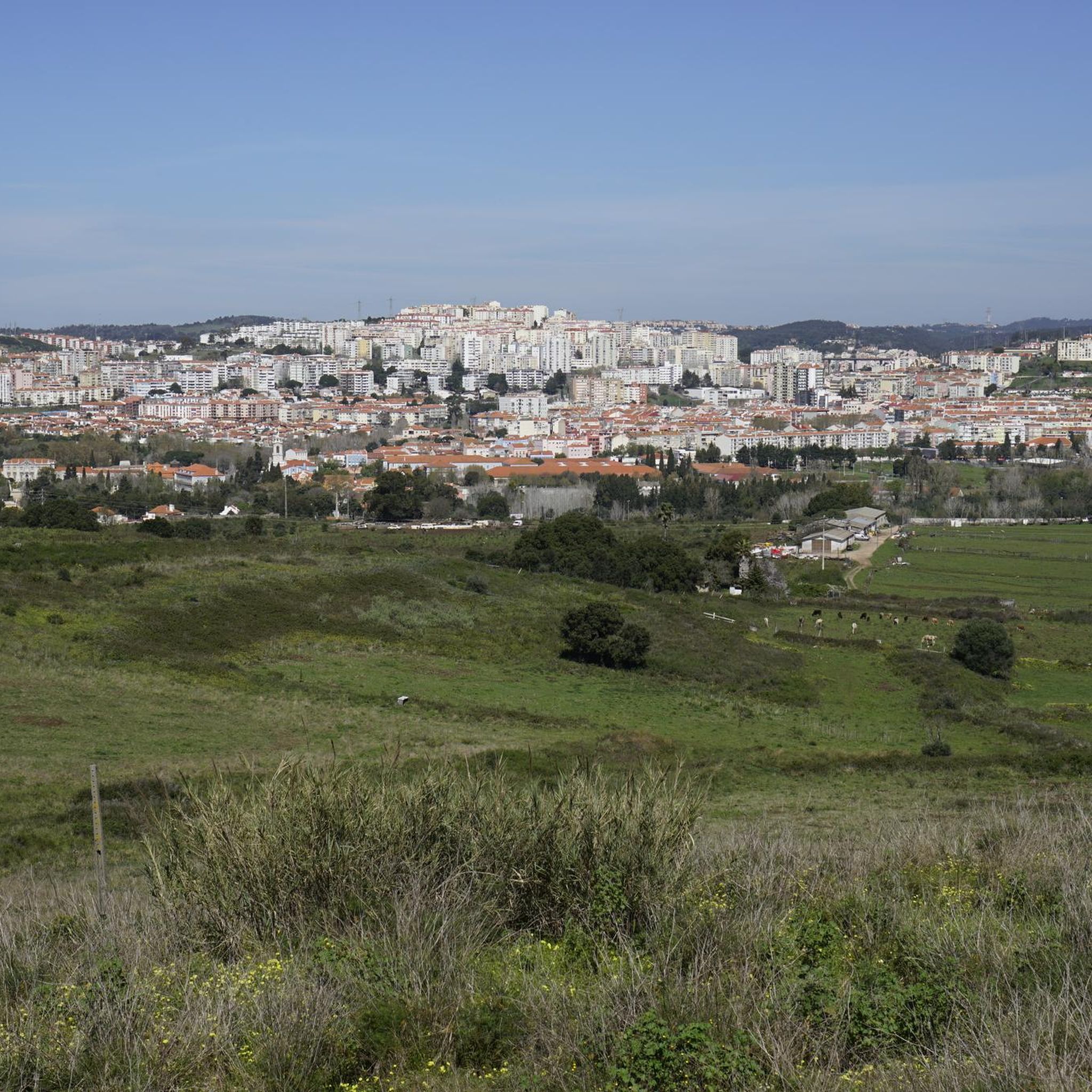
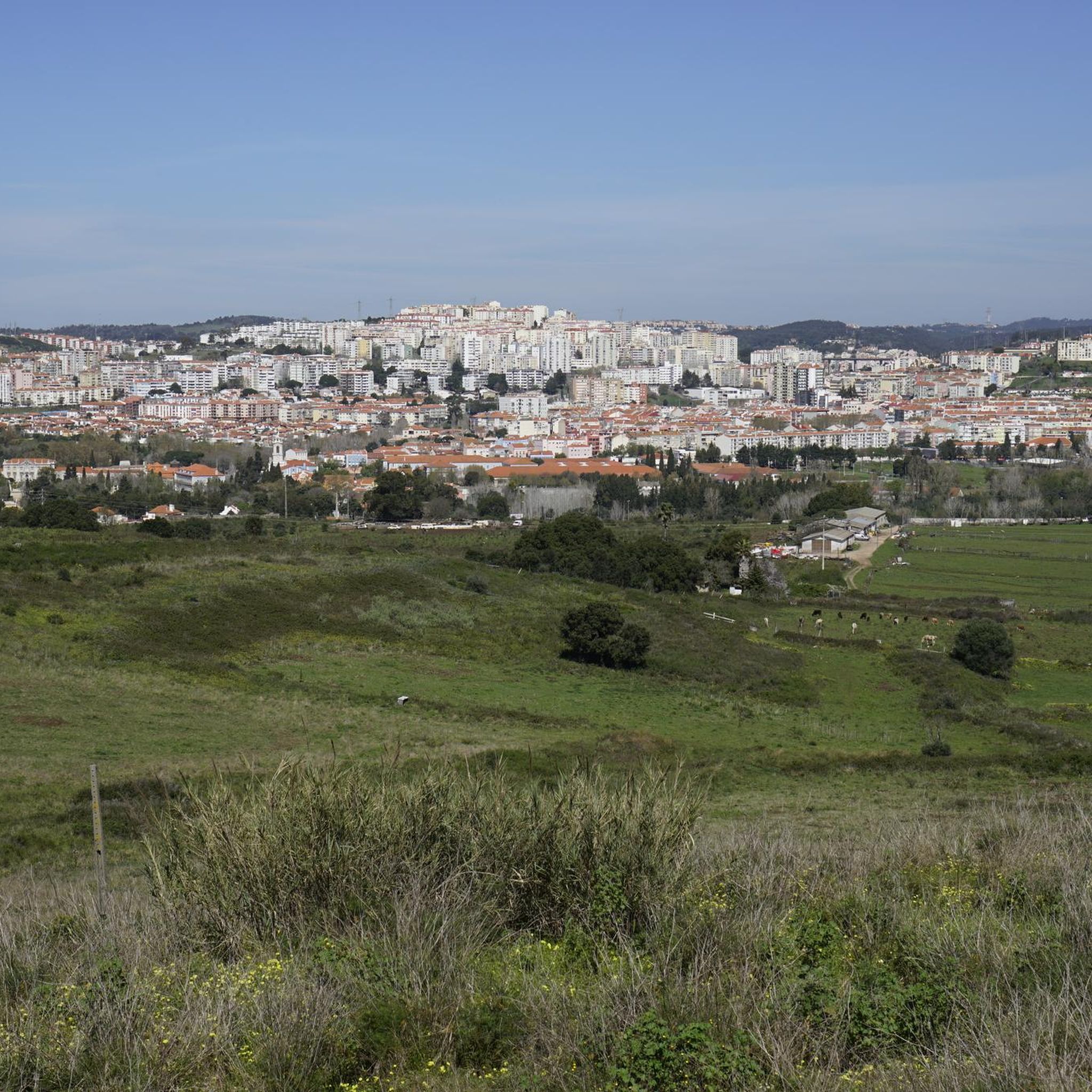
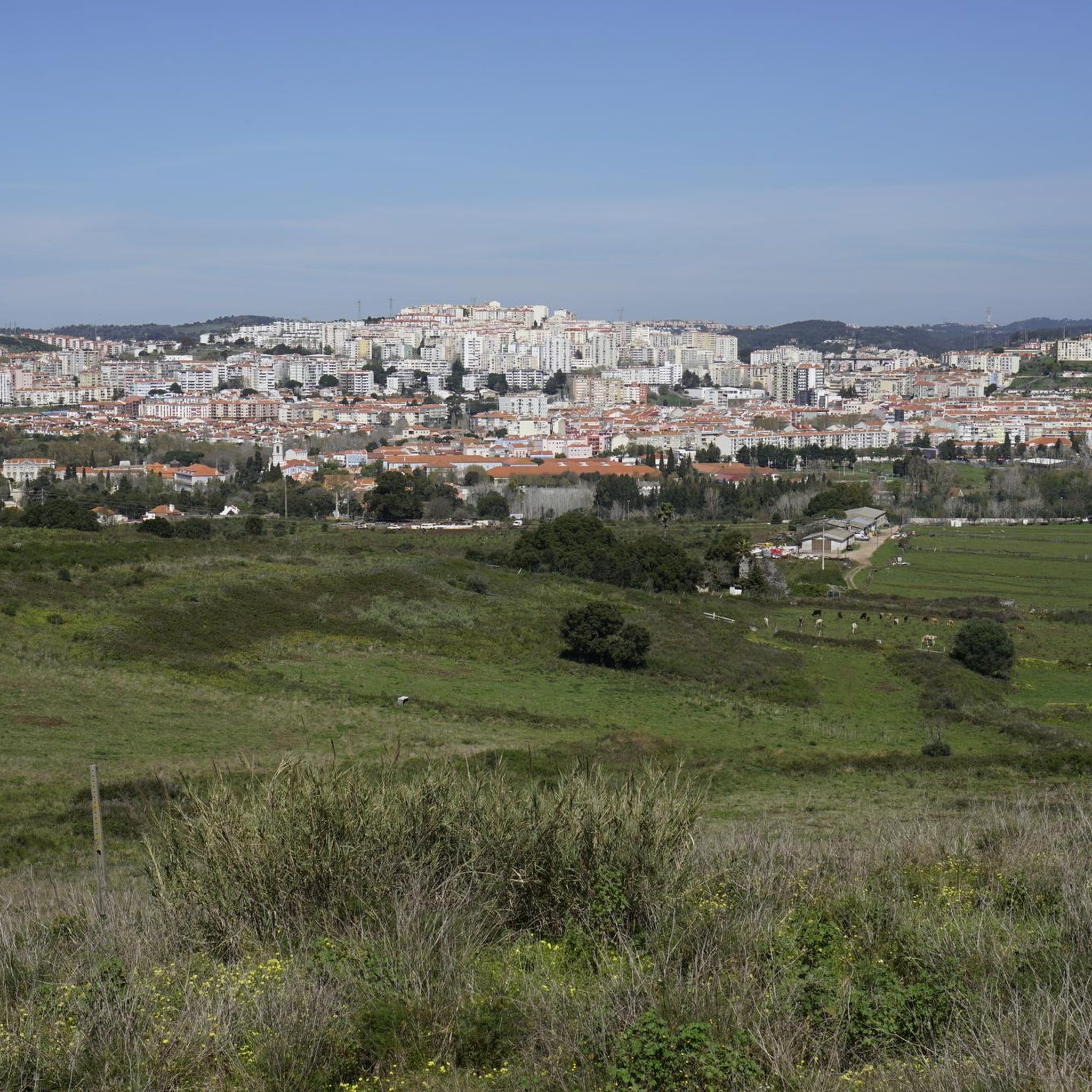
Eduardo VII Park stretches like a large green ribbon up the hill, offering plenty of space to breathe with its lawns and paths. From the top, you have a stunning view across Avenida da Liberdade all the way down to the Tagus River. Perfect for a quiet break, a picnic, or a relaxing stroll in nature right in the heart of Lisbon.
4
1

The Lisbon Botanical Garden, located in the parish of São Mamede, is one of the city's oldest and most important green spaces, with a rich history linked to scientific research and botanical conservation. Founded in 1873 at the initiative of Count Ficalho and Andrade Corvo, professors at the Lisbon Polytechnic School. Officially inaugurated in 1878, it was conceived as a scientific garden to support teaching and research in botany. It is part of the National Museum of Natural History and Science of the University of Lisbon.
3
0

The square Jardim da Praça do Império park is bordered by the Jerónimos Monastery (to the north), the Jardim de Belém and Jardim Afonso de Albuquerque parks (to the east), Avenida da Índia and the Cascais railway line (to the south), and the Belém Cultural Center (to the west). The Monument to the Discoveries (Padrão dos Descobrimentos) (to the south) and the Belém Palace (Palácio de Belém) (to the northeast) are also located nearby. José Ângelo Cottinelli Telmo designed the square, along with the monumental fountain (Fonte Monumental), in honor of the Portuguese colonial empire for the 1940 Exposition Internationale des Português (Portuguese World Exhibition). The central fountain has a diameter of almost 30 meters. The surrounding green spaces feature plants arranged to represent the coats of arms of 32 former provinces of the colonial empire. https://de.wikipedia.org/wiki/Pra%C3%A7a_do_Imp%C3%A9rio
1
1
The Monument to Overseas Combatants is a solemn tribute to the Portuguese soldiers who lost their lives during the Portuguese Colonial War (also known as the Overseas War), which took place between 1961 and 1974 in Africa.
21
0
Eduardo VII Park is one of Lisbon's most iconic green spaces, located just north of Marquis of Pombal Square and Avenida da Liberdade. It's an ideal place to stroll, relax, and enjoy spectacular views of the city.
9
0

Lisbon's central park was named as a tribute to the English monarch Edward VII, who visited Lisbon in 1903, five centuries after the Anglo-Portuguese Alliance. It ascends one of the city's hills and provides a wonderful view from the top. It's made up of symmetrical box hedging and a variety of plants, most of them found inside a cool and heated greenhouse from the 1930s, which is filled with exotic species from tropical climates. This greenhouse is one of the most important green spaces in Lisbon, considered an authentic living museum, with its small lakes and waterfalls, statuary, and hundreds of species of plants.
6
0
In a botanical garden, plants are kept looking as close as possible to what they would have in nature, without excessive human intervention (for example, pruning or cutting dry leaves). On the other hand, this ‘hands-off’ option encourages small ecosystems where insects and small animals, other plants, fungi and lichens, which are extremely important for urban biodiversity, live. In the summer, we only water what is essential. Water is a precious commodity, especially in a country like Portugal. Therefore, it is possible that water circulation is limited and that the undergrowth may become drier, especially in the summer. This is a deliberate option that does not put the plants at risk. The presence of the Garden in the heart of Lisbon mitigates the effects of rising temperatures, promoting its own microclimate and the capture of carbon dioxide.
0
1
Frequently Asked Questions
What are the primary natural features to explore in Queluz?
The most significant natural features in Queluz are found within the Gardens of the National Palace of Queluz. These historical gardens, covering 16 hectares, are a remarkable blend of landscape design and natural elements. They feature diverse flora, including native species like cork oak and gilbardeira, elaborate water features such as the monumental Canal and Medallions Lake, and a meticulously designed landscape with various garden styles.
Are there family-friendly natural monuments in Queluz?
Yes, several natural monuments around Queluz are family-friendly. The Gardens of the National Palace of Queluz offer spacious areas for exploration. Additionally, the Eduardo VII Park Viewpoint, the Príncipe Real Garden, and the University of Lisbon Botanical Garden are all noted as family-friendly, providing green spaces for relaxation and discovery.
What kind of flora can I expect to see in Queluz's natural spaces?
The Gardens of the National Palace of Queluz boast a rich floristic inventory, including spontaneous flora native to the region. You can find young cork oak (Quercus suber) and gilbardeira (Ruscus aculeatus), and even orchid species. The University of Lisbon Botanical Garden is dedicated to botanical conservation, maintaining plants in a natural state to support urban biodiversity, offering a wide variety of plant life.
Can I find historical natural monuments in Queluz?
Absolutely. The Gardens of the National Palace of Queluz are a prime example of a historical natural monument. They offer a unique insight into 18th-century landscape design and the opulent lifestyle of the Portuguese monarchy, blending natural beauty with significant historical and architectural elements. The gardens are adorned with rococo-style sculptures and historical *azulejos*.
Are there any accessible natural monuments for visitors with mobility needs?
Yes, several locations are noted for their accessibility. The Eduardo VII Park Viewpoint, the Monument to the Overseas Combatants, and the Monumental Fountain at Praça do Império are all listed as wheelchair accessible, allowing visitors with mobility needs to enjoy these sites.
What outdoor activities can I do near Queluz's natural monuments?
Near Queluz's natural monuments, you can enjoy various outdoor activities. There are many options for easy hikes, such as the Gibalta Lighthouse – Olhão loop or the Jamor Riverside Walk. For cycling enthusiasts, there are cycling routes like the Caxias Beach – Gibalta Lighthouse loop. If you prefer off-road adventures, you can explore gravel biking trails in the wider region.
What is the best time of year to visit the natural monuments in Queluz?
The best time to visit the natural monuments in Queluz, especially the historical gardens, is typically during spring (March to May) and early autumn (September to October). During these periods, the weather is mild and pleasant, ideal for strolling through the gardens and enjoying the lush greenery and blooming flowers without the intense heat of summer. The water features are also particularly refreshing during these times.
Where can I find tranquil green spaces for relaxation in Queluz?
For tranquil green spaces, the Gardens of the National Palace of Queluz offer serene settings with lush greenery and soothing water features. The Príncipe Real Garden is a cozy spot with benches and an old, protected tree, perfect for quiet contemplation. The University of Lisbon Botanical Garden also provides a forest-like environment, promoting a microclimate that mitigates rising temperatures and offers a peaceful escape.
Are there any viewpoints offering scenic panoramas near Queluz?
Yes, the Eduardo VII Park Viewpoint is a highly recommended spot. It offers expansive and impressive views over the city of Lisbon, providing a spectacular urban panorama. It's an ideal place to stroll, relax, and enjoy the scenery.
What makes the water features in the Gardens of the National Palace of Queluz special?
The water features in the Gardens of the National Palace of Queluz are a defining element, showcasing a sophisticated hydraulic system. The monumental Canal, also known as the Great Lake, was completed in 1775 and was famously used for royal entertainment, including gondola rides. It's adorned with *azulejos* depicting historical scenes. The Medallions Lake, designed in 1764, is octagonal with a complex system of fountains and water jets, embellished with statues of Apollo and Diana, adding to the gardens' aesthetic and historical value.
Can I find cafes or restaurants near the natural monuments in Queluz?
Yes, if you visit the Príncipe Real Garden, you'll find many cafes and ice cream shops nearby, making it a convenient spot to grab a refreshment and enjoy the garden's atmosphere. For the Gardens of the National Palace of Queluz, there are facilities within the palace complex or in the immediate vicinity.
What do visitors enjoy most about the natural monuments around Queluz?
Visitors particularly enjoy the harmonious integration of nature and architecture, especially within the Gardens of the National Palace of Queluz, which offers a journey through history and a glimpse into royal life. The tranquility and aesthetic beauty of the lush greenery, intricate water features, and classical sculptures are also highly appreciated. The Eduardo VII Park Viewpoint is loved for its spectacular city views, while the University of Lisbon Botanical Garden is valued for its scientific importance and contribution to urban biodiversity.
Most popular attractions around Queluz

Get inspired with the komoot mobile app


Explore more
Extend your search for the best caves by checking out these guides of the top ones around Queluz:
