Top 20 Natural Monuments around Massamá
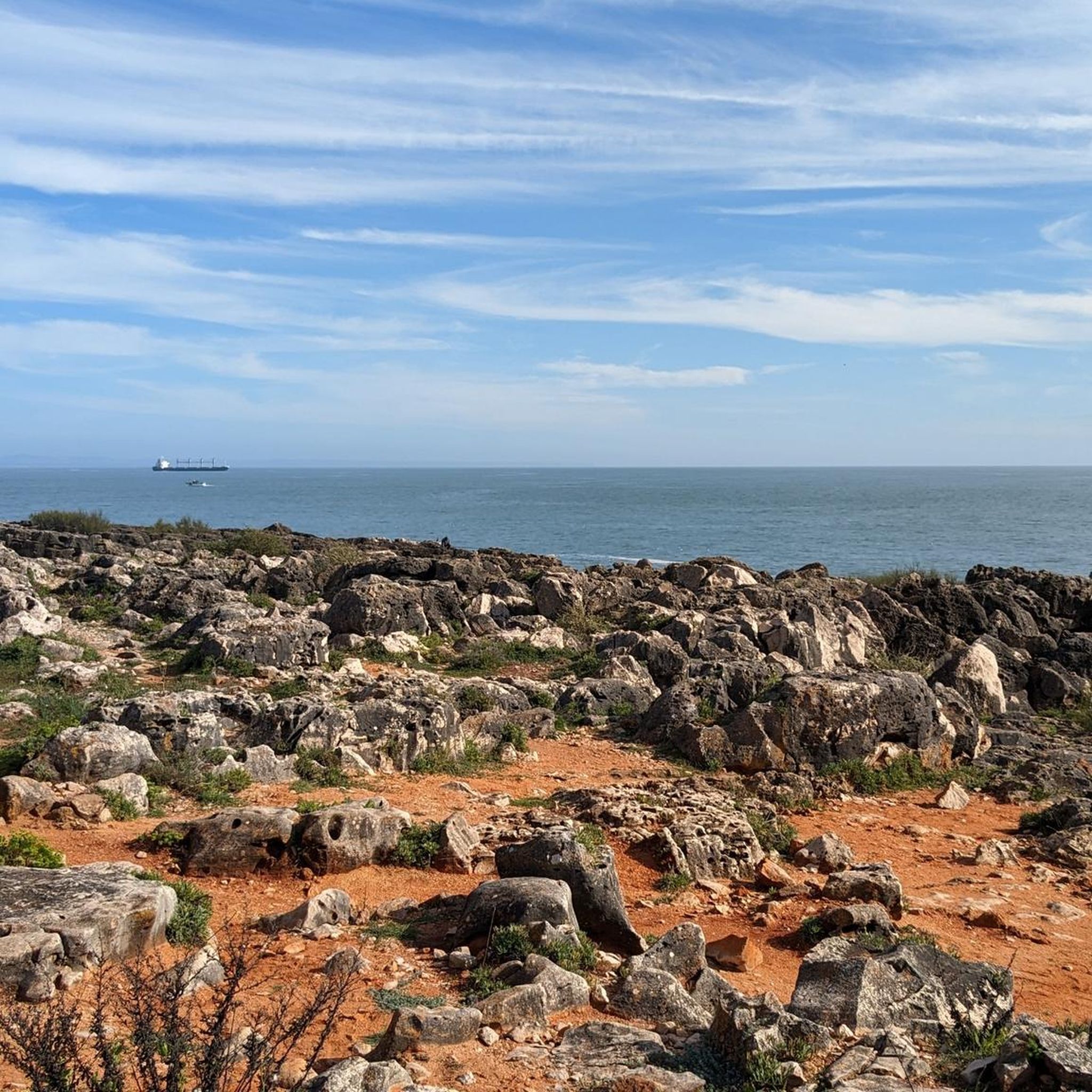
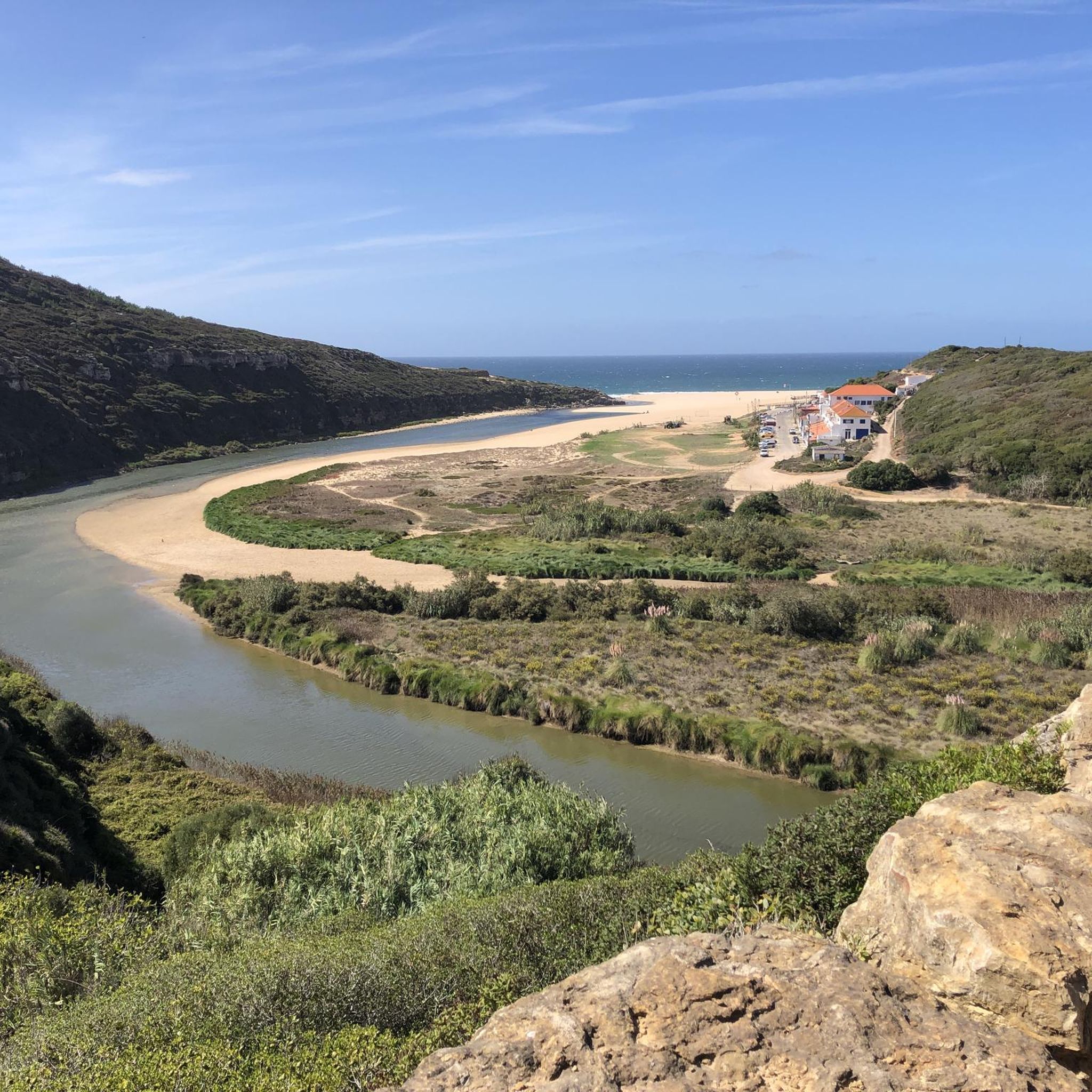
Best natural monuments around Massamá are found in the nearby Sintra-Cascais Natural Park, an expansive area approximately 25 km from Lisbon. This park encompasses the Serra de Sintra Mountain Range and extends to the coast, offering a diverse range of natural attractions. Visitors can explore mountains, forests, and wild beaches, providing varied landscapes for outdoor activities. The region's unique microclimate supports a rich biodiversity, making it a significant natural destination.
Best natural monuments around Massamá
- The most popular natural monuments…
Last updated: August 23, 2026
Pena Palace
Highlight • Castle
Translated by Google •
Tip by

Castle of the Moors
Highlight • Castle
Translated by Google •
Tip by
Sign up now to discover places like this
Get recommendations on the best single tracks, peaks, & plenty of other exciting outdoor places.
Sign up for free
Monument to the Overseas Combatants 🏛️ Belém
Highlight • Monument
Translated by Google •
Tip by
Waterfall Lake
Highlight • Lake
Translated by Google •
Tip by

Monumental Fountain at Praça do Império
Highlight • Monument
Translated by Google •
Tip by

Sign up for free to discover even more natural monuments around Massamá.
Sign up for free
Already have an account?
Start today with a free account
Your next adventure awaits.
Login or Signup

Tips from the Community

The Lake of the Waterfall (sometimes called the Lake with the Waterfall or the Lake of the Stone Steps) is one of the most photogenic and magical spots in Quinta da Regaleira. It forms part of the network of grottoes, tunnels, and symbolic gardens designed by Luigi Manini for Antonio Monteiro. This lake is usually reached through the underground tunnels that connect the Initiation Well with other parts of the estate; one of these tunnels leads directly to a hidden waterfall that flows into this lake.
1
0

Located in the Belem district, it was inaugurated in 1994 to honor the Portuguese soldiers (10,000) who fought and died in the colonial wars.
2
0

The waterfall pool resembles a small natural basin, into which the water flows in gentle cascades – perfect for a short break while enjoying the interplay of water and rock. The water flow varies depending on the season, which also changes the atmosphere of the spot. Please stay on the paths and respect the sensitive shoreline so that this idyllic place remains intact.
4
1

Lago da Cascada is a mystical green lake. It can be admired and explored from every angle. Whether from the bridge, from above, or from the grotto... every view reveals a new side of the lake and its waterfall.
2
1
The view of Pena Palace and Sintra from the Castelo dos Mouros is one of the most spectacular in the entire region. Walking along the castle walls, you'll discover a landscape that blends history, architecture, and nature in perfect harmony.
7
0

The square Jardim da Praça do Império park is bordered by the Jerónimos Monastery (to the north), the Jardim de Belém and Jardim Afonso de Albuquerque parks (to the east), Avenida da Índia and the Cascais railway line (to the south), and the Belém Cultural Center (to the west). The Monument to the Discoveries (Padrão dos Descobrimentos) (to the south) and the Belém Palace (Palácio de Belém) (to the northeast) are also located nearby. José Ângelo Cottinelli Telmo designed the square, along with the monumental fountain (Fonte Monumental), in honor of the Portuguese colonial empire for the 1940 Exposition Internationale des Português (Portuguese World Exhibition). The central fountain has a diameter of almost 30 meters. The surrounding green spaces feature plants arranged to represent the coats of arms of 32 former provinces of the colonial empire. https://de.wikipedia.org/wiki/Pra%C3%A7a_do_Imp%C3%A9rio
1
1
The Monument to Overseas Combatants is a solemn tribute to the Portuguese soldiers who lost their lives during the Portuguese Colonial War (also known as the Overseas War), which took place between 1961 and 1974 in Africa.
21
0
It was originally a Hieronymite monastery founded in the 16th century, dedicated to Our Lady of Sorrow. After the 1755 earthquake, it fell into ruins and was acquired by King Ferdinand II in 1838. Between 1842 and 1854, it became a summer palace for the Portuguese royal family. In 1910, following the end of the monarchy, it passed into state hands and was opened to the public.
20
0
Frequently Asked Questions
What are the main natural attractions near Massamá?
The primary natural attractions near Massamá are found within the expansive Sintra-Cascais Natural Park. This park encompasses the Serra de Sintra Mountain Range, offering lush greenery and unique microclimates, and extends to the coast with dramatic features like Cabo da Roca and wild beaches. You can explore diverse landscapes from mountains and forests to coastal formations.
Are there any historical natural monuments to visit around Massamá?
Yes, several sites combine natural beauty with historical significance. The Castle of the Moors, located on the Sierra de Sintra, offers spectacular panoramic views from its ancient walls. Similarly, Pena Park, surrounding the Palacio da Pena, is a beautifully landscaped historical park with numerous paths, caves, and diverse plant species.
What kind of natural features can I expect to see in the Sintra-Cascais Natural Park?
The Sintra-Cascais Natural Park boasts a wide array of natural features. You'll find the mountainous terrain of the Serra de Sintra, dramatic coastal cliffs at Cabo da Roca, and stunning wild beaches like Praia da Adraga and Praia Grande. The park also features enchanting forests, and serene lakes such as Lagoa Azul and Barragem do Rio da Mula, offering diverse ecosystems to explore.
Are there family-friendly natural monuments or activities near Massamá?
Absolutely. The Pedra do Sal Environmental Interpretation Center in São Pedro do Estoril is a family-friendly facility dedicated to promoting natural heritage, located in a national biosphere protection zone. The Sintra-Cascais Natural Park itself offers many areas suitable for families, including easy trails and green spaces for picnics. Local parks in Massamá like Parque da Quinta das Flores also provide recreational options.
What outdoor activities can I do near these natural monuments?
The region offers a variety of outdoor activities. The Sintra-Cascais Natural Park is excellent for hiking and mountain biking, with numerous trails winding through its diverse landscapes. You can find options for easy hikes, gravel biking, and running trails, catering to different fitness levels. Coastal areas are also popular for walks and enjoying the sea views.
What is the best time of year to visit the natural monuments around Massamá?
The Sintra-Cascais Natural Park, being close to the coast, benefits from a unique microclimate. Spring (April to June) and early autumn (September to October) are generally ideal, offering pleasant temperatures for outdoor activities and lush landscapes. Summers can be warm, especially inland, while winters are mild but can be rainy.
How can I reach the Sintra-Cascais Natural Park from Massamá using public transport?
From Massamá, you can typically take a train to Sintra, which is a key gateway to the Sintra-Cascais Natural Park. From Sintra, local buses or taxis can take you to various points of interest within the park, such as the historic center, the castles, or specific trailheads. Planning your route in advance is recommended.
Are there any unique geological features in the area?
Yes, the coastal areas of the Sintra-Cascais Natural Park are home to fascinating geological features. Praia Grande is notable for its visible dinosaur footprint tracks on its southern cliff, a significant paleontological site. You can also find consolidated fossil dunes in areas like Magoito and Oitavos, and calcareous stone fields eroded by seawater near Cabo Raso.
What do visitors enjoy most about the natural monuments near Massamá?
Visitors frequently highlight the spectacular and impressive views, especially from sites like the Castle of the Moors. The mystical atmosphere of Pena Park with its many hiking trails and diverse flora is also highly praised. The tranquility and natural beauty of the Sintra-Cascais Natural Park, offering a rich blend of mountains, forests, and wild beaches, are consistently appreciated.
Are there any natural monuments that are wheelchair accessible?
While much of the rugged natural park terrain is not fully wheelchair accessible, some areas and specific sites offer better accessibility. The Monument to the Overseas Combatants and the Monumental Fountain at Praça do Império, both in Belém, are noted as wheelchair accessible. When planning a visit, it's advisable to check specific accessibility details for your chosen destination within the park.
Can I find amenities like cafes or restaurants near the natural monuments?
Yes, especially in and around the main tourist hubs within the Sintra-Cascais Natural Park, such as Sintra town. You'll find various cafes, restaurants, and accommodation options. For example, the Pedra do Sal Environmental Interpretation Center includes a bar with a terrace overlooking the sea. However, more remote trails within the park may have limited facilities, so it's wise to carry water and snacks.
What kind of wildlife can be observed in the Sintra-Cascais Natural Park?
The park's diverse ecosystems, from dense forests to rugged coastlines, support a rich biodiversity. You can observe various bird species, including raptors and seabirds along the coast. The unique microclimate fosters a range of flora, and while larger mammals are shy, you might spot smaller wildlife. The park is a protected area, making it an important habitat for many species.
Most popular attractions around Massamá

Get inspired with the komoot mobile app


Explore more
Extend your search for the best caves by checking out these guides of the top ones around Massamá:
