Top 11 Natural Monuments around Peral
Best natural monuments around Peral are characterized by a diverse landscape, including mountainous terrain and river valleys. The region features the Serra de Montejunto, known for its karst formations and elevated viewpoints. This area offers a variety of natural attractions, from geological features shaped by erosion to significant water bodies. Exploring these sites provides insight into the natural history and geographical structure of the region.
Best natural monuments around Peral
- The most popular natural monuments is Serra de Montejunto Watchtower…
Last updated: August 23, 2026
Serra de Montejunto Watchtower
Highlight • Viewpoint
Translated by Google •
Tip by

Gravel Bend
Highlight • Natural Monument
Translated by Google •
Tip by

Sign up now to discover places like this
Get recommendations on the best single tracks, peaks, & plenty of other exciting outdoor places.
Sign up for free
Buddha Eden
Highlight • Monument
Translated by Google •
Tip by
Arnóia River
Highlight • River
Nicely situated in the valley
Translated by Google •
Tip by

Montejunto - Squirrel Trail
Highlight (Segment) • Trail
Translated by Google •
Tip by
Sign up for free to discover even more natural monuments around Peral.
Sign up for free
Already have an account?
Start today with a free account
Your next adventure awaits.
Login or Signup

Tips from the Community

The Arnóia River rises in the Serra de Todo o Mundo and flows for 30 km before flowing into the Óbidos Lagoon. A dam was built about one and a half kilometres from Óbidos, in the Horta Valley, whose reservoir was used to irrigate the area's crops.
1
0

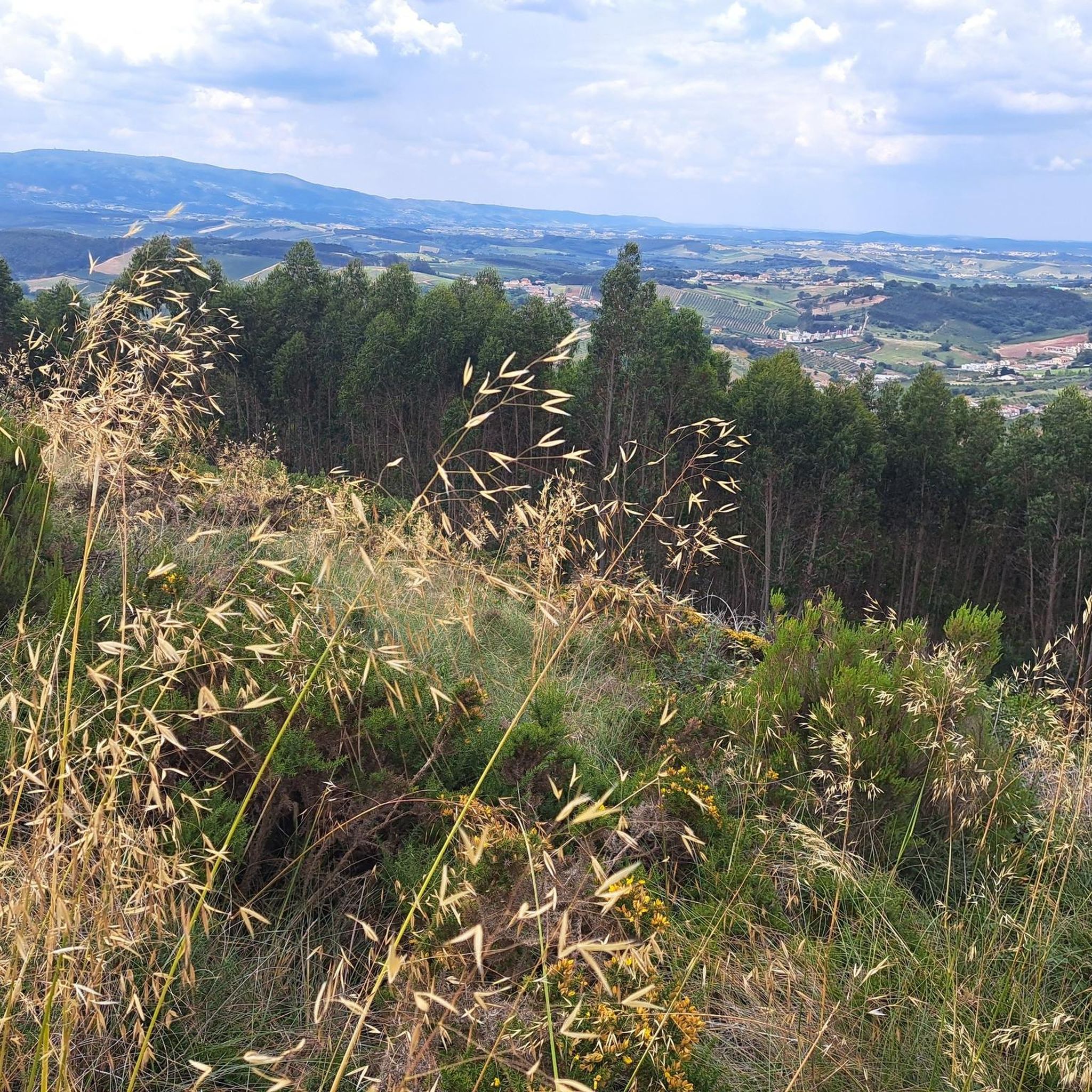
The Serra de Montejunto Forest Watch Station can be accessed via a pastoral trail from the picnic park. It offers a beautiful panorama of the region north of the Serra.
3
0

What they have conjured up is gigantic
1
0
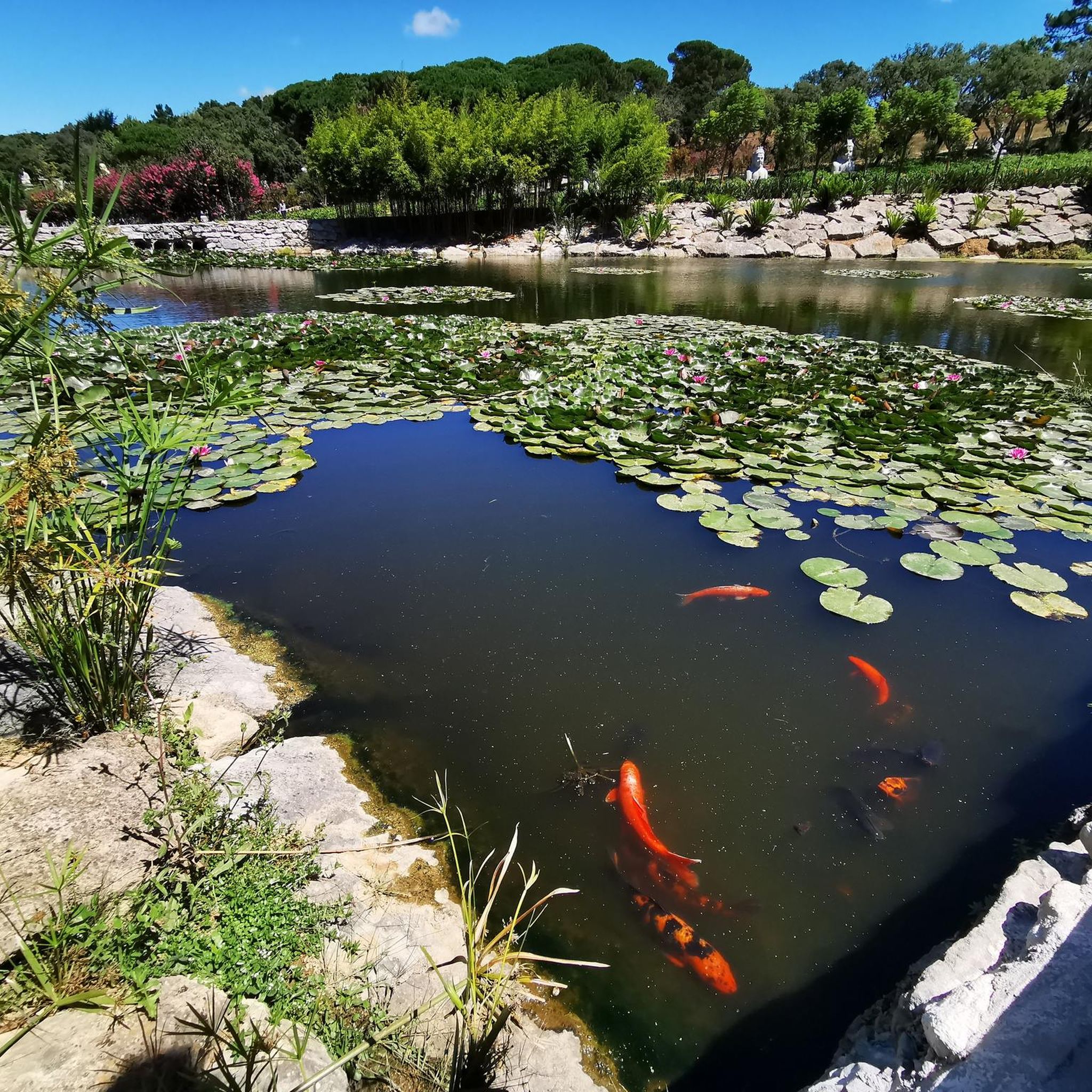
The Buddha Eden Garden, covering approximately 35 hectares, was created in protest against the destruction of the Giant Buddhas of Bamyan, in what was one of the greatest acts of cultural barbarity, erasing from memory masterpieces of the late period of Gandhara Art. Among Buddhas, pagodas, terracotta statues and various sculptures carefully placed among the vegetation, it is estimated that more than 6,000 tons of marble and granite were used to build this monumental work. The central staircase is the focal point of the garden, where the golden Buddhas calmly welcome visitors. In the central lake, you can see KOI fish and sculpted dragons rising from the water. You will also have the opportunity to observe the approximately 600 hand-painted terracotta soldiers, each one unique, some of which are buried, just as they were 2,200 years ago.
2
0
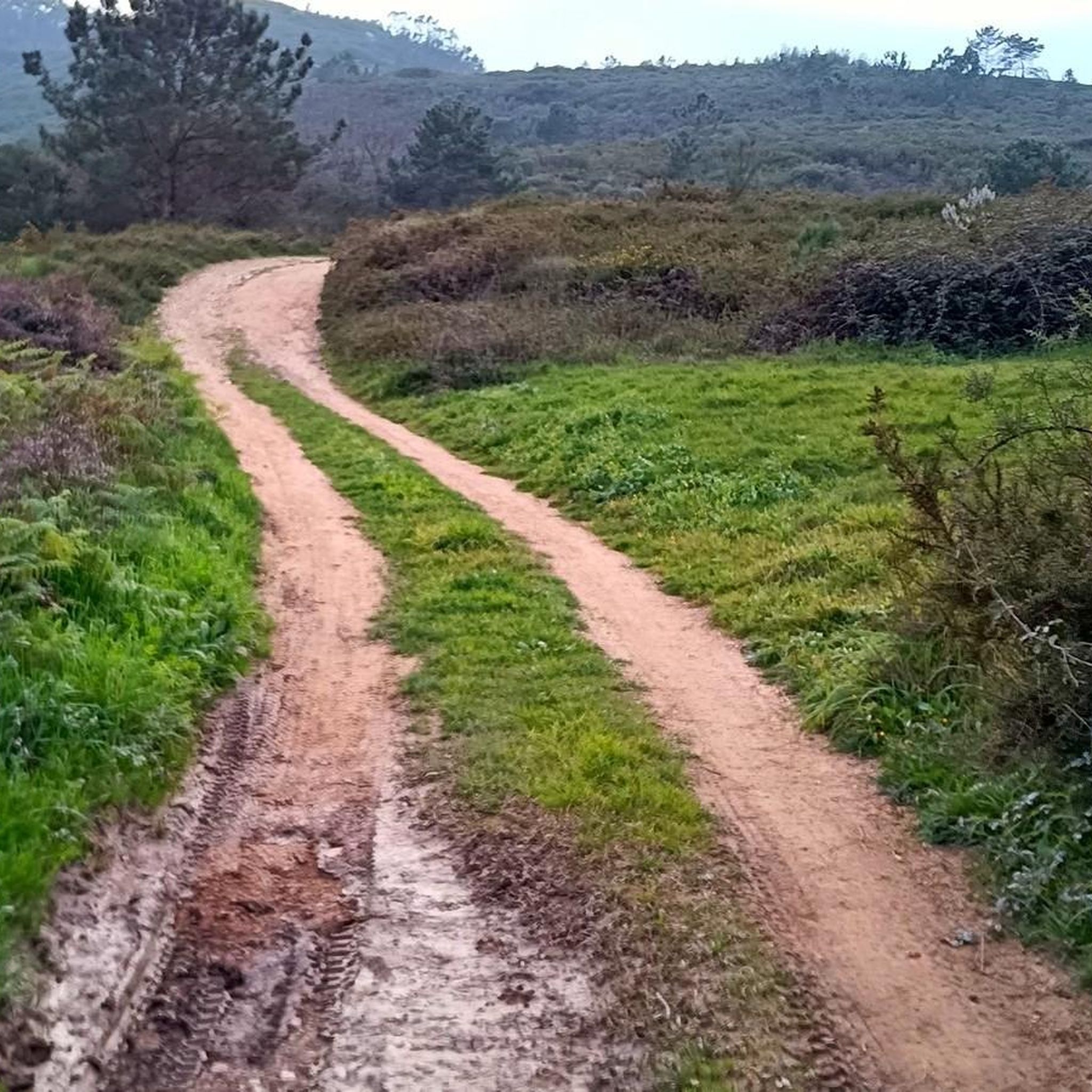
I mentioned that on my previous suggestion for this place. There is an alternative to the blackberry vines: a little before you start to find them, turn left to a little footpath that goes between the trees, it is sloping and can be slippery in winter.
2
0

This trail was great fun, but unfortunately blackberry vines have joined the ferns near the end and made the passing a bit complicated.
3
0
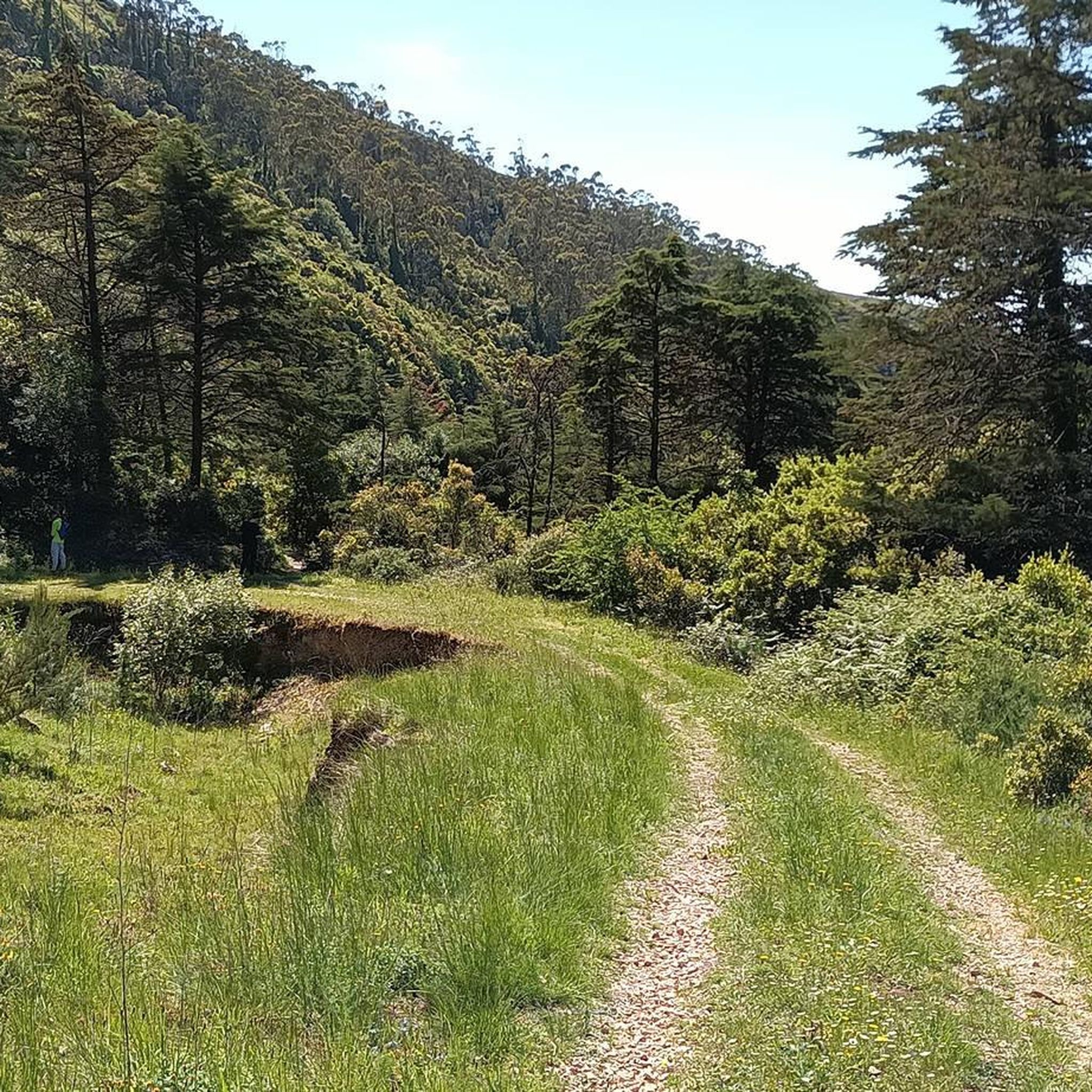
The karst landscape of Montejunto constitutes the extreme southwest of the Estremenho Limestone Massif. Deep valleys, lakes, gravel pits and lapiás are some of the formations found here, testimonies of various geological eras. Water has been the protagonist in erosion phenomena over time. Several deposits of gravel pits result from the cracking of the outcrops caused by the expansion of the water which, when freezing, breaks the rock into small parts. Source: https://montejunto.pt/natureza/paisagens/
3
0
Small trail that goes through the stunning vegetation that surrounds it. At the end, the trail seems to have no way out, carefully pass between the ferns that are probably taller than you and that block visibility. Visit and respect and Nature.
3
0
Frequently Asked Questions
What kind of natural features can I expect to see around Peral?
The natural monuments around Peral are characterized by a diverse landscape, including mountainous terrain and river valleys. You'll find significant karst formations, such as those at Gravel Bend, which showcase deep valleys, gravel pits, and lapiás formed by water erosion. The region also features prominent viewpoints like the Serra de Montejunto Watchtower, and important water bodies like the Arnóia River, which flows for 30 km and includes a dammed lake.
Are there family-friendly natural monuments in the Peral area?
Yes, the Arnóia River is categorized as family-friendly. Its valley setting and dammed lake offer a pleasant environment for families to explore and enjoy nature.
What are some popular hiking trails near the natural monuments around Peral?
The Serra de Montejunto area, home to several natural monuments, offers various hiking opportunities. You can explore trails like the 'Route of the Windmills' or the 'Trilho da Quinta da Serra — circular route in Serra de Montejunto'. For more options, you can find detailed routes in the Hiking around Peral guide.
Can I find any viewpoints among the natural monuments in Peral?
Absolutely. The region is known for its stunning viewpoints. The Serra de Montejunto Watchtower offers a beautiful panorama of the region north of the Serra. Another significant spot is the Salvé Rainha Viewpoint, also known as the 'balcony of Estremadura', which provides extensive views of the geological structure and landscapes of Montejunto.
What geological formations are notable in the natural monuments around Peral?
The karst landscape of Montejunto is a highlight, particularly at Gravel Bend. Here, you can observe deep valleys, gravel pits, and lapiás, which are geological formations created by the long-term erosive action of water. These features are testimonies to various geological eras and the impact of water on the limestone massif.
What outdoor activities, besides hiking, can I do near the natural monuments around Peral?
Beyond hiking, the area around Peral offers opportunities for mountain biking and general cycling. You can find various routes, such as the 'Vale Cornaga Trail – Buddha Eden loop' for mountain biking or the 'Óbidos Lagoon – Lagoa de Óbidos Gravel Trail loop' for cycling. Explore more options in the MTB Trails around Peral and Cycling around Peral guides.
Are there any natural monuments around Peral that offer unique perspectives or less-known spots?
The Montejunto - Squirrel Trail offers a unique experience through stunning vegetation. While it can be a bit challenging with dense ferns and blackberry vines in places, it provides an immersive walk through nature. There are also alternative footpaths for a different perspective.
What kind of wildlife might I encounter near the natural monuments in Peral?
While specific wildlife details for the immediate Peral natural monuments are not extensively documented, the broader region, particularly areas like La Peral in Asturias (known for its natural park), can be home to diverse wildlife. In such natural settings, it's possible to encounter various bird species, small mammals, and insects. Always observe from a distance and respect their natural habitat.
Are there any historical or archaeological sites near the natural monuments around Peral?
While the natural monuments themselves are geological, the wider region of Spain has notable historical sites. For instance, the Dolmen of Guadalperal, sometimes called the 'Spanish Stonehenge,' is a megalithic monument visible when water levels are low. Although not a natural formation, its ancient history makes it an interesting nearby point of interest. You can learn more about it on Wikipedia.
What should I bring when visiting the natural monuments around Peral?
When visiting the natural monuments, especially those involving trails or viewpoints, it's advisable to bring comfortable walking shoes, water, and appropriate clothing for the weather. If you plan to explore trails like the Montejunto - Squirrel Trail, long pants might be useful due to dense vegetation. Don't forget a camera to capture the panoramic views from spots like the Serra de Montejunto Watchtower.
What makes the Serra de Montejunto area significant for natural monuments?
The Serra de Montejunto is a key area for natural monuments around Peral due to its unique geological structure. It represents the extreme southwest of the Estremenho Limestone Massif, showcasing significant karst formations, deep valleys, and the effects of erosion over geological eras. It's also home to the highest viewpoint in Portuguese Estremadura, offering unparalleled panoramic views.
Most popular attractions around Peral

Get inspired with the komoot mobile app


Explore more
Extend your search for the best caves by checking out these guides of the top ones around Peral:
