Top 8 Natural Monuments around Alcobaça
Best natural monuments around Alcobaça are primarily found within the Parque Natural das Serras de Aire e Candeeiros, a significant limestone region. This natural park, partly extending into Alcobaça, is known for its karst geomorphology, including extensive cave systems and surface formations like sinkholes and lapiás. The area also features sites of paleontological importance, such as the Dinosaur Footprints Natural Monument. These natural features provide opportunities for exploring geological formations and diverse ecosystems.
Best natural monuments around Alcobaça
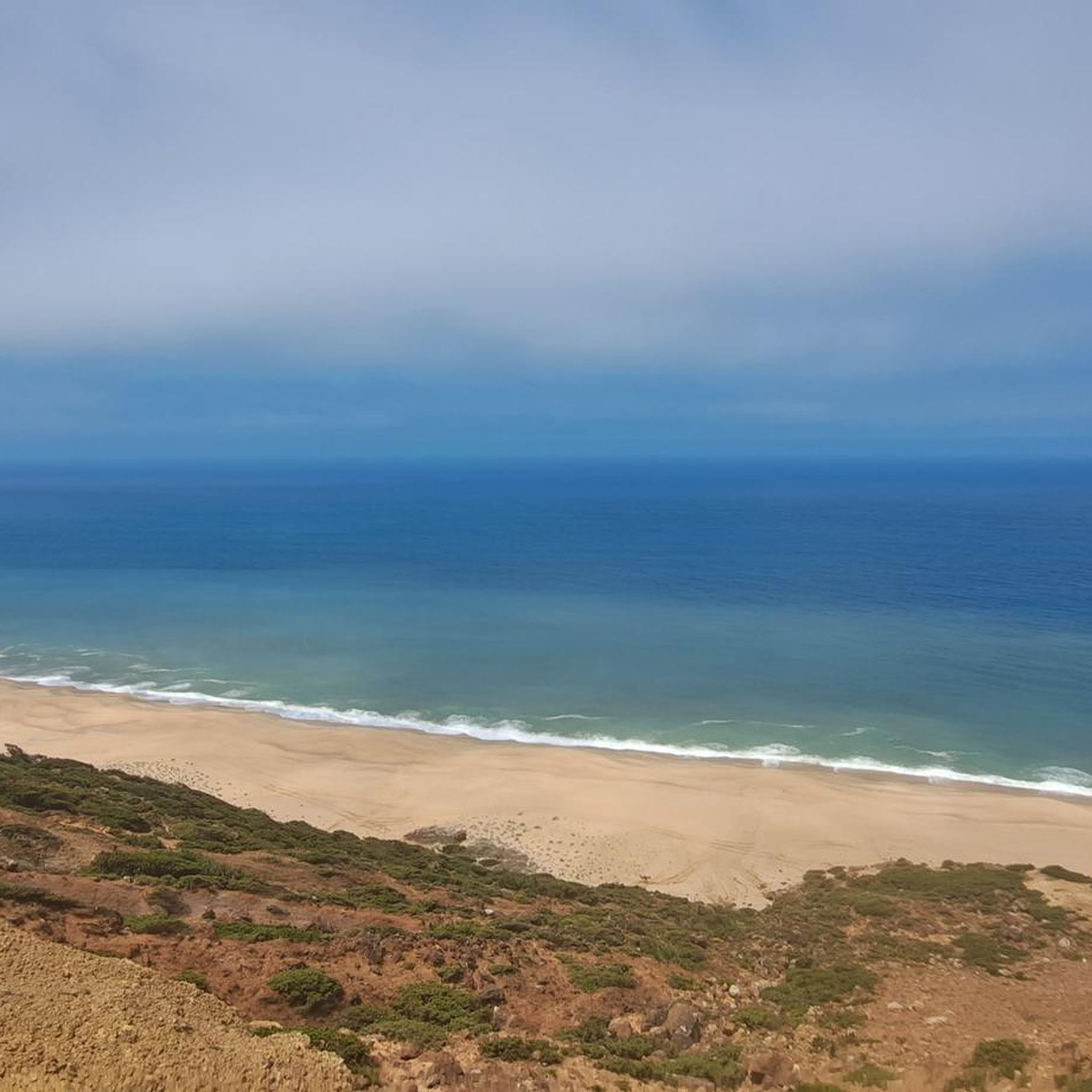
- The most popular natural monuments is Mount Saint Bartholomew, a viewpoint and natural monument that offers outstanding panoramic views of Nazaré and the surrounding area. The ascent to this summit is attractive, though it can be challenging with sandy sections.
- Another must-see spot is Panoramic platform at the top of the funicular 🚠, a viewpoint and natural monument. Visitors can expect sweeping vistas of the coast and the beach town below from these overhanging cliffs.
- Visitors also love Fonte Pena da Colvina, a natural monument and family-friendly spot. This fountain historically served locals and now functions as a stopping point with a picnic area, offering a place to cool off during walks.
- Alcobaça is known for its diverse natural monuments, including significant geological formations, viewpoints, and historical water sources. The region offers a variety of natural monuments to see and explore, from karst landscapes to coastal vistas.
- The natural monuments around Alcobaça are appreciated by the komoot community, with 12 upvotes and 5 photos shared across the highlights.
Last updated: June 29, 2026
Fonte Pena da Colvina
Highlight • Natural Monument
Today it serves as a stopping point to cool off during the walk and, if you wish, you can take advantage of the place to eat whatever you have prepared at home. There is a picnic area next to the fountain.
The place name Pena da Gouvinha suggests that barbarians passed through here. Gouvinha is a personal name of Germanic origin, still documented in the 12th century as Gaudina.
Translated by Google •
Tip by

Gateway to the world’s biggest waves
Highlight • Natural Monument
Over the past decade, interest in Nazaré as a surfing location has increased, particularly attracting the attention of giant wave surfers from around the world.
The first surfer to gain attention was Hugo Vau, who on January 17, 2008, rode a wave that many of those present that day consider to be the largest wave ever surfed in Nazaré. Known as "Big Mama", this wave is the largest ever recorded by the Portuguese Navy's ocean buoys. There is a video of Hugo Vau surfing it, but the poor quality of the images is cited as a reason for not awarding the Portuguese surfer a world record.
It was only in 2010, with the arrival of famous American big-wave surfer Garrett McNamara, that the world's attention was once again focused on Nazaré. Especially after McNamara won the Guinness World Record for the largest wave surfed in November 2011, after catching a 23.77 meter swell.
Translated by Google •
Tip by

Sign up now to discover places like this
Get recommendations on the best single tracks, peaks, & plenty of other exciting outdoor places.
Sign up for free
Mount Saint Bartholomew
Highlight • Viewpoint
Translated by Google •
Tip by

Panoramic platform at the top of the funicular 🚠
Highlight • Viewpoint
Tip by

Serro Ventoso Swing
Highlight • Viewpoint
Translated by Google •
Tip by

Sign up for free to discover even more natural monuments around Alcobaça.
Sign up for free
Already have an account?
Start today with a free account
Your next adventure awaits.
Login or Signup

Tips from the Community

There was a big storm here. Since then, the tower on the summit has collapsed. Nevertheless, you can still get up well. But beware: many paths indicated here in the forest and surrounding area have been severely damaged by the storm. There are fallen trees everywhere on the paths and the paths are barely visible.
0
0

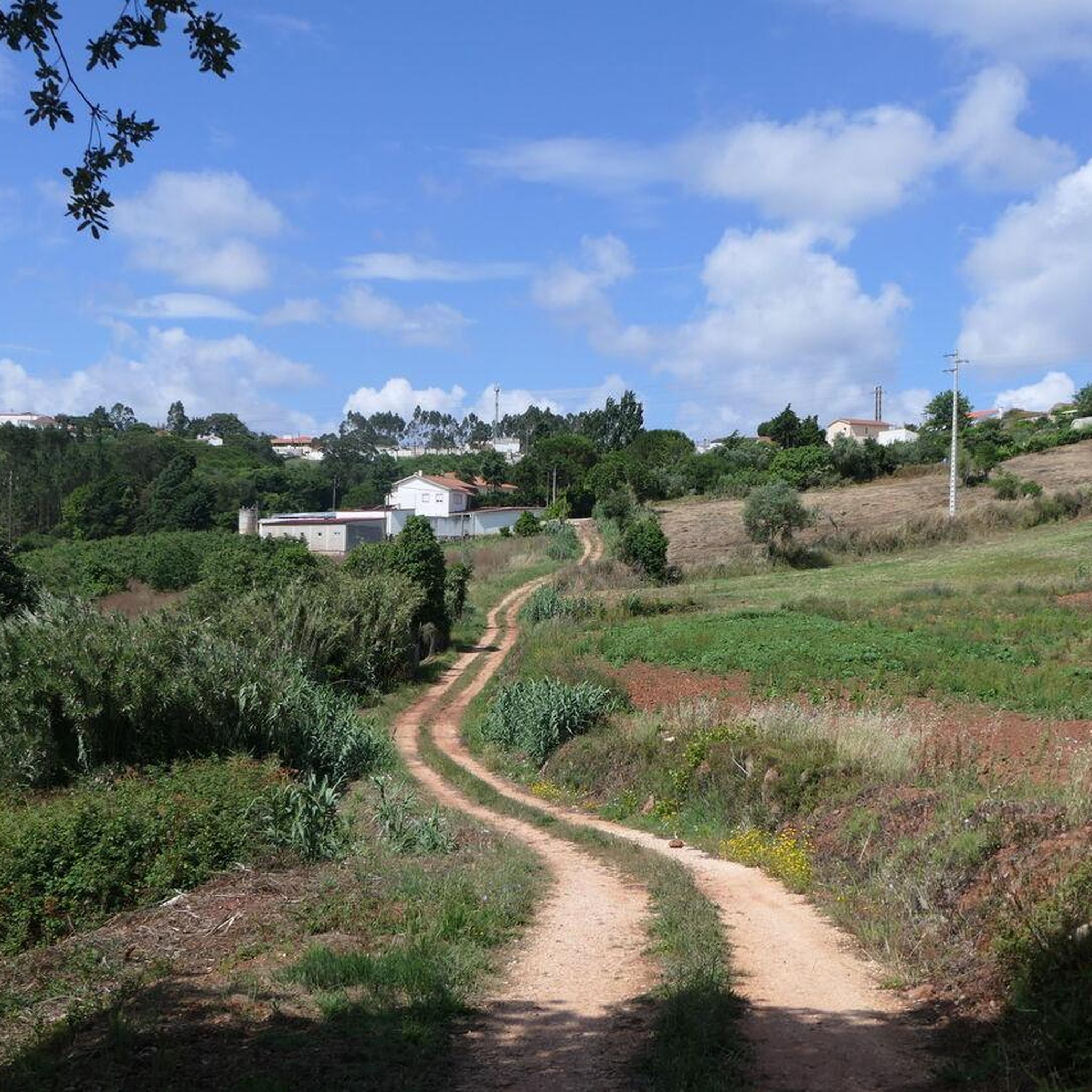
The Pena da Gouvinha fountain used to serve the locals. There was a queue to fill the bottles, so much so that it was decided that each resident could only take eight bottles of water and would have to “give others a chance”. Today it serves as a stopping point to cool off during the walk and, if you wish, you can take advantage of the place to eat whatever you have prepared at home. There is a picnic area next to the fountain. The place name Pena da Gouvinha suggests that barbarians passed through here. Gouvinha is a personal name of Germanic origin, still documented in the 12th century as Gaudina.
3
0

Although big wave surfing in Nazaré is recent, Portugal's most famous fishing village has been a popular surfing spot for decades, with video recordings showing American surfers enjoying the waves here in the late 1960s. Over the past decade, interest in Nazaré as a surfing location has increased, particularly attracting the attention of giant wave surfers from around the world. The first surfer to gain attention was Hugo Vau, who on January 17, 2008, rode a wave that many of those present that day consider to be the largest wave ever surfed in Nazaré. Known as "Big Mama", this wave is the largest ever recorded by the Portuguese Navy's ocean buoys. There is a video of Hugo Vau surfing it, but the poor quality of the images is cited as a reason for not awarding the Portuguese surfer a world record. It was only in 2010, with the arrival of famous American big-wave surfer Garrett McNamara, that the world's attention was once again focused on Nazaré. Especially after McNamara won the Guinness World Record for the largest wave surfed in November 2011, after catching a 23.77 meter swell.
1
0

Outstanding panoramic view of Nazaré and the surrounding area. The ascent here is sweaty, no matter from which direction, but very attractive. Sturdy shoes are mandatory. Ascent from the east runs partly over very sandy ground. This makes the whole thing very exhausting in the right heat. There are also some steep inclines here that have to be mastered over sand.
4
1
Very cool highlight at the summit. A chilled swing with which you can enjoy the gigantic panoramic view even more. Of course, the whole thing is also a very nice photo highlight. The ascent from the west is easily feasible via a rocky trail. It's quite steep uphill but not a problem if you are fit enough.
0
1

If walking with young kids, be mindful of the staircase to the left of the spring that leads to an elevated sitting area. It has a weak fence.
2
1

Wonderful view of Nazare beach from Sition de Nazare
1
0

Frequently Asked Questions
What are the main geological features of the natural monuments around Alcobaça?
The natural monuments around Alcobaça are primarily characterized by the unique karst geomorphology of the Parque Natural das Serras de Aire e Candeeiros. This area features extensive limestone formations, including over 1,300 identified caves, dramatic surface formations like sinkholes (covões), lapiás (superficial fractures), and large karst depressions known as poljes.
Are there any significant paleontological sites among the natural monuments?
Yes, the Parque Natural das Serras de Aire e Candeeiros hosts the Dinosaur Footprints Natural Monument. This site is globally important for its well-preserved Middle Jurassic sauropod dinosaur tracks, some dating back 175 million years, offering a rare glimpse into prehistoric life.
What kind of wildlife can be found in the natural monuments area?
The Parque Natural das Serras de Aire e Candeeiros is home to diverse flora and fauna. Notably, its extensive cave systems provide refuge for 18 identified species of bats, which are considered the park's symbol.
What are some of the most impressive cave systems near Alcobaça?
Within the Parque Natural das Serras de Aire e Candeeiros, several impressive cave systems are open to the public. The Mira de Aire Caves are among the largest and most famous in Portugal, known for their stunning stalactites, stalagmites, and underground waterways. The Alvados Caves and Santo António Caves also offer fascinating geological formations and guided tours.
Are there opportunities for hiking or walking near the natural monuments?
Yes, the Parque Natural das Serras de Aire e Candeeiros offers numerous pedestrian walking trails for exploring its unique landscapes. For easy walks, you can find options like the Fonte Pena da Colvina – Abandoned Guard House loop or the Mount Saint Bartholomew – View from São Brás Hill loop.
What are some popular viewpoints to visit for scenic panoramas?
For breathtaking views, consider visiting Mount Saint Bartholomew, which offers outstanding panoramic views of Nazaré. The Panoramic platform at the top of the funicular also provides sweeping vistas of the coast and beach town below. Additionally, the Serro Ventoso Swing, located in the heart of the Serras de Aire e Candeeiros Natural Park, offers an excellent view that can reach the Atlantic Ocean on clear days.
Are there any family-friendly natural monuments or activities?
Absolutely. Fonte Pena da Colvina is a family-friendly spot with a picnic area, perfect for a stop during a walk. The Panoramic platform at the top of the funicular in Nazaré is also great for families, offering easy access to stunning coastal views. The Gateway to the world’s biggest waves in Nazaré provides an exciting insight into the area's surfing culture, which can be fascinating for all ages.
What is the best time of year to visit the natural monuments around Alcobaça?
The natural monuments, especially the cave systems and outdoor trails, can be visited year-round. However, spring and autumn offer milder temperatures, which are ideal for hiking and exploring the surface karst formations. Summer can be warm, but the caves provide a cool escape. Winter might bring some rain, but the poljes in the Parque Natural das Serras de Aire e Candeeiros can fill with water, creating unique landscapes.
Can I go cycling near the natural monuments?
Yes, there are several cycling opportunities. You can explore various routes, including those for touring bicycles and road cycling. For example, you might enjoy the View of Nazaré Coastline – Windmill 🌀 loop for touring or the Alcobaça Town Hall – Praia de São Martinho do Porto loop for road cycling.
What do visitors enjoy most about the natural monuments in this region?
Visitors particularly appreciate the outstanding panoramic views from spots like Mount Saint Bartholomew and the Panoramic platform at the top of the funicular. The unique geological formations, especially the extensive cave systems and the paleontological significance of the Dinosaur Footprints Natural Monument, are also highly valued for their educational and awe-inspiring qualities. The Fonte Pena da Colvina is loved as a refreshing stop with a picnic area.
Are there any natural monuments related to the famous Nazaré waves?
While not a natural monument in the traditional geological sense, the Gateway to the world’s biggest waves in Nazaré is a significant natural phenomenon. It highlights the unique underwater canyon that creates the colossal waves, attracting big-wave surfers and spectators from around the globe. It's a must-see for understanding the natural forces at play in this iconic coastal area.
Most popular attractions around Alcobaça

Get inspired with the komoot mobile app


Explore more
Extend your search for the best caves by checking out these guides of the top ones around Alcobaça:
