Top 20 Natural Monuments around Tavira (Santa Maria)
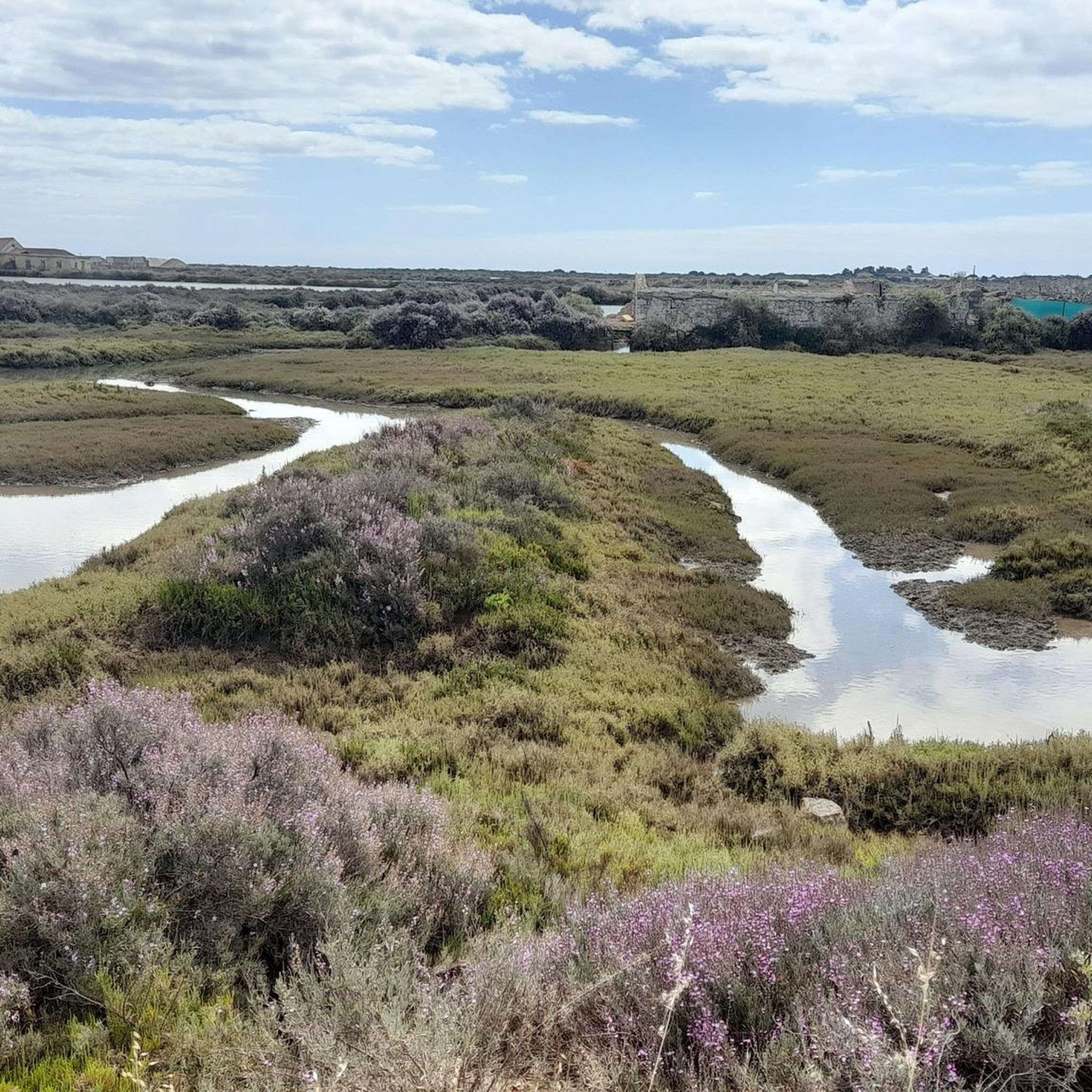
Best natural monuments around Tavira (Santa Maria) are primarily found within the Ria Formosa Natural Park, a protected wetland system. This region features a dynamic landscape of barrier islands, salt marshes, and sand banks. The area is recognized for its biodiversity, particularly as a habitat for migratory birds and marine life. Tavira (Santa Maria) offers a blend of coastal and agricultural natural environments for exploration.
Best natural monuments around Tavira (Santa Maria)
- The most popular natural monuments is Anchor Cemetery,…
Last updated: August 23, 2026
Castelo de Tavira Gardens
Highlight • Castle
Translated by Google •
Tip by

Anchor Cemetery, Praia do Barril
Highlight • Monument
Translated by Google •
Tip by

Sign up now to discover places like this
Get recommendations on the best single tracks, peaks, & plenty of other exciting outdoor places.
Sign up for free
Anchor Cemetery (Cemitério das Âncoras)
Highlight • Monument
Translated by Google •
Tip by

Ilha de Cabanas de Tavira Beach
Highlight • Beach
Cabanas is home to many cafes, restaurants and holiday apartments along the …
Translated by Google •
Tip by

Cacela Beach
Highlight • Beach
Translated by Google •
Tip by

Sign up for free to discover even more natural monuments around Tavira (Santa Maria).
Sign up for free
Already have an account?
Start today with a free account
Your next adventure awaits.
Login or Signup
Tips from the Community

The formal gardens are very pretty and there are also free public toilets there. From the battlements there are good views over Tavira.
1
0

The Anchor Cemetery is an impressive collection of over 200 rusty ship anchors on the beach of Praia do Barril, near Tavira, Algarve, Portugal. These anchors were once used in tuna fishing, thus serving as a reminder of the region's maritime past.
5
0
The Anchor Cemetery (Cemitério das Âncoras) in Tavira is located near Praia do Barril, on the coast of the former fishing village of Santa Luzia. It consists of hundreds of rusty anchors set in the sand as a tribute to the fishermen who once fished for tuna in this region. When tuna fishing disappeared in the 1960s, the anchors were left behind—now they form an impressive and symbolic monument to Tavira's maritime history. It's a special place, especially at sunset, when the light falls on the anchors.
3
0

The garden at Castelo de Tavira is beautiful. The grounds are very well-maintained and feature an interesting botanical selection. It's like being in paradise.
2
0

The Cemetery of Anchors (Cemitério das Âncoras) behind Praia do Barril commemorates the region's former tuna fishing industry, which was abandoned in 1969 due to a lack of fish. The rusty anchors, reportedly 248 in number, were used to secure the often kilometer-long nets in the sea. The "capital" of tuna fishing at that time was nearby Tavira.
1
0
The Cemetery of Anchors (Cemitério das Âncoras) behind Praia do Barril commemorates the region's former tuna fishing industry, which was abandoned in 1969 due to a lack of fish. The rusty anchors, reportedly 248 in number, were used to secure the often kilometer-long nets in the sea. The "capital" of tuna fishing at that time was nearby Tavira.
2
0
The Ilha de Tavira stretches from Tavira to approximately Fuseta. It is 11 kilometers long. The three main beaches with amenities are Praia da Ilha de Tavira in the east, Praia da Terra Estreita to the west, and Praia do Barril a little further west. Walking a little further west, you'll reach a stretch of beach with the unofficial name "Praia do Homem Nu" (Naked Man's Beach). The meaning is self-explanatory. While swimming and sunbathing naked is illegal in Portugal, it is tolerated here.
2
0

The medieval Castle of Tavira dominates over the mouth of the river Gilão. The settlement in the parish of Santiago has developed as an important sea port since antiquity, with its predecessors dating back to the 8th century BC, passing through the hands of Phoenicians, Greeks, Celts, Carthaginians, Romans, Moors and the Portuguese crown. Free access to the grounds.
4
0
Frequently Asked Questions
What kind of natural landscapes can I expect to see around Tavira (Santa Maria)?
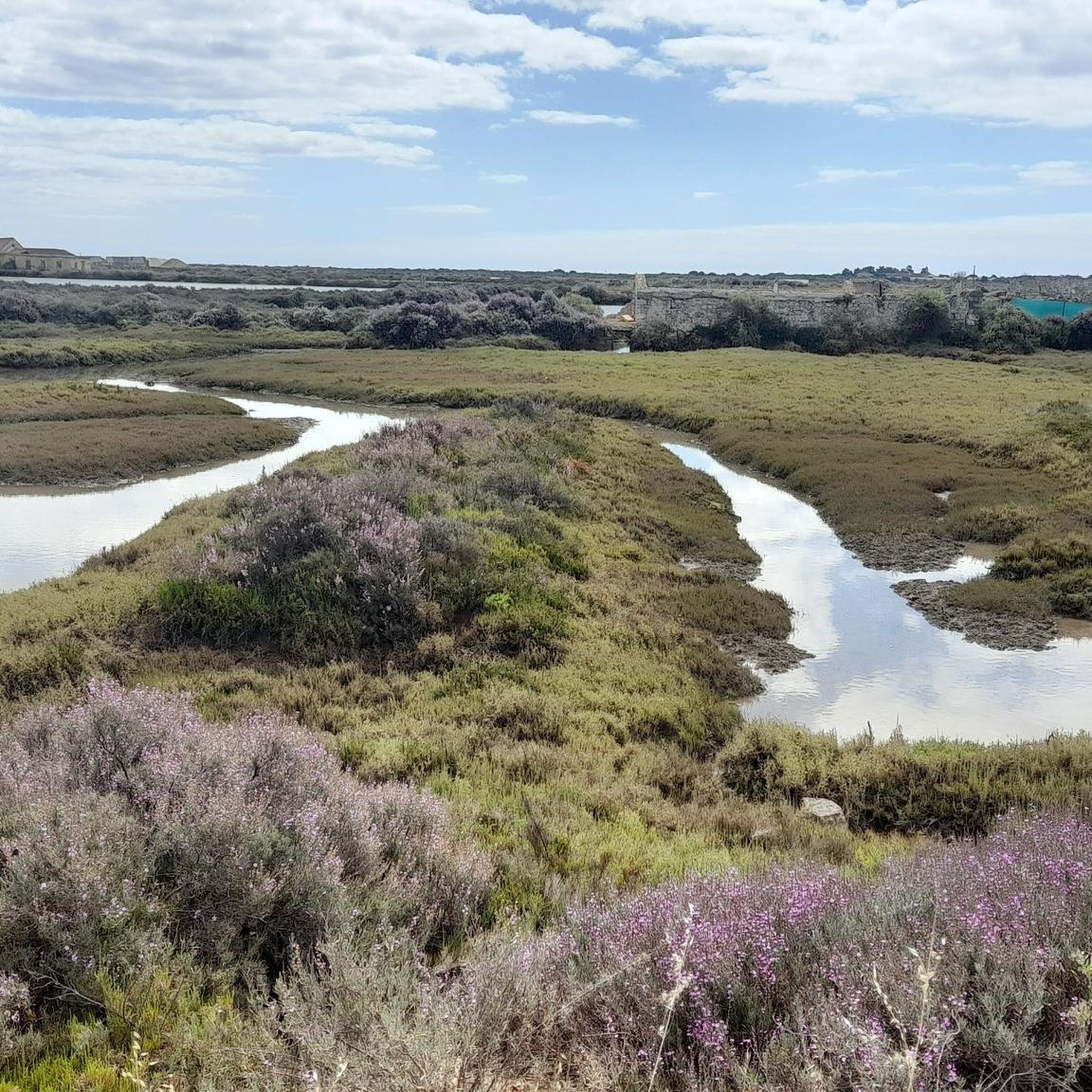
The region is dominated by the Ria Formosa Natural Park, an expansive coastal lagoon system featuring barrier islands, salt marshes, sand banks, and dunes. Inland, the Barrocal region offers a distinct landscape of orchards, olive groves, and streams, providing a blend of coastal and agricultural natural environments.
Are there any specific natural monuments known for their unique features or historical significance?
Yes, within the Ria Formosa, you can find the unique Anchor Cemetery, Praia do Barril, which displays over 200 rusty ship anchors, a poignant reminder of the region's fishing heritage. Another notable site is the Castelo de Tavira Gardens, a historical site with remnants of a Moorish fortification and a botanical garden offering views of the old town.
What opportunities are there for wildlife spotting in the natural monuments?
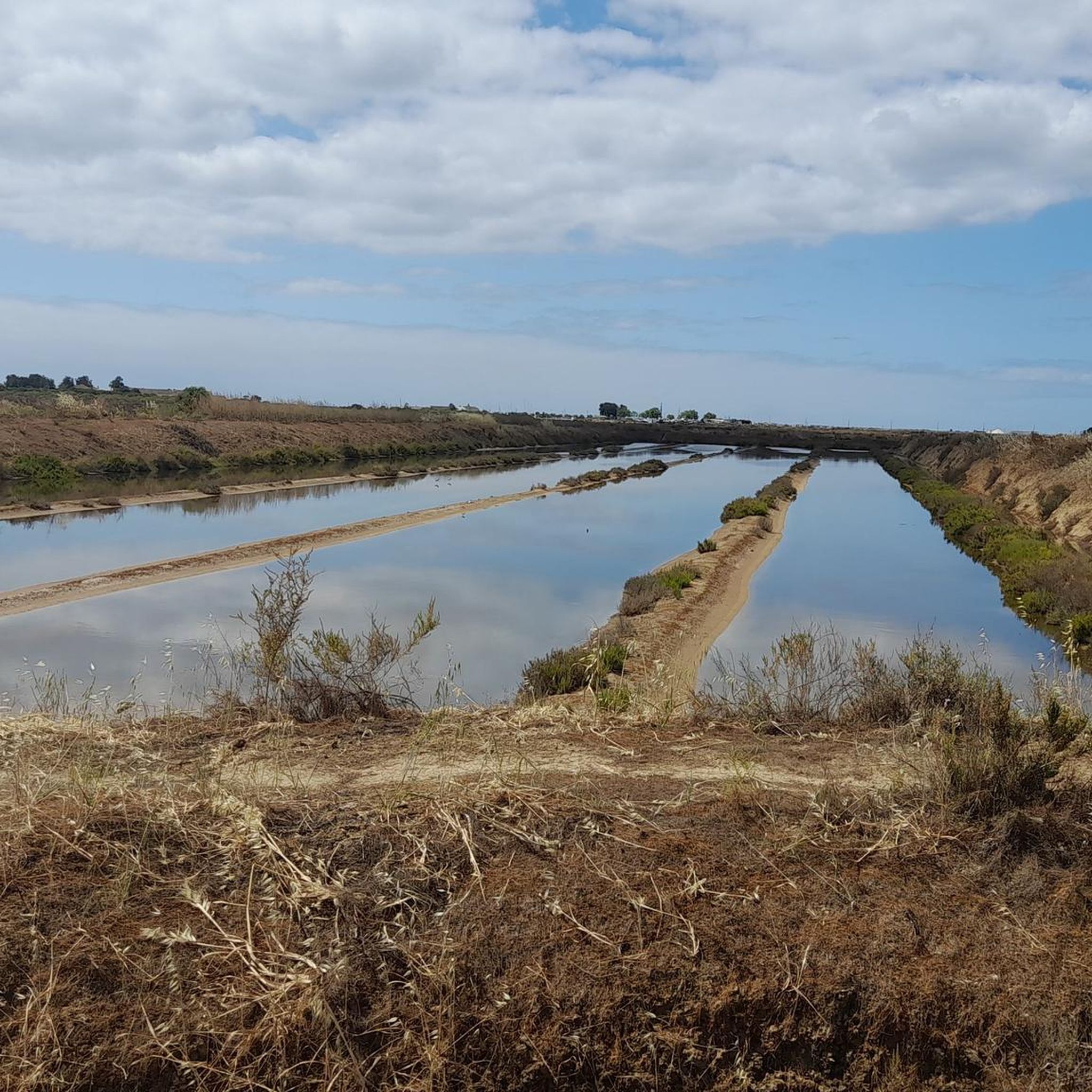
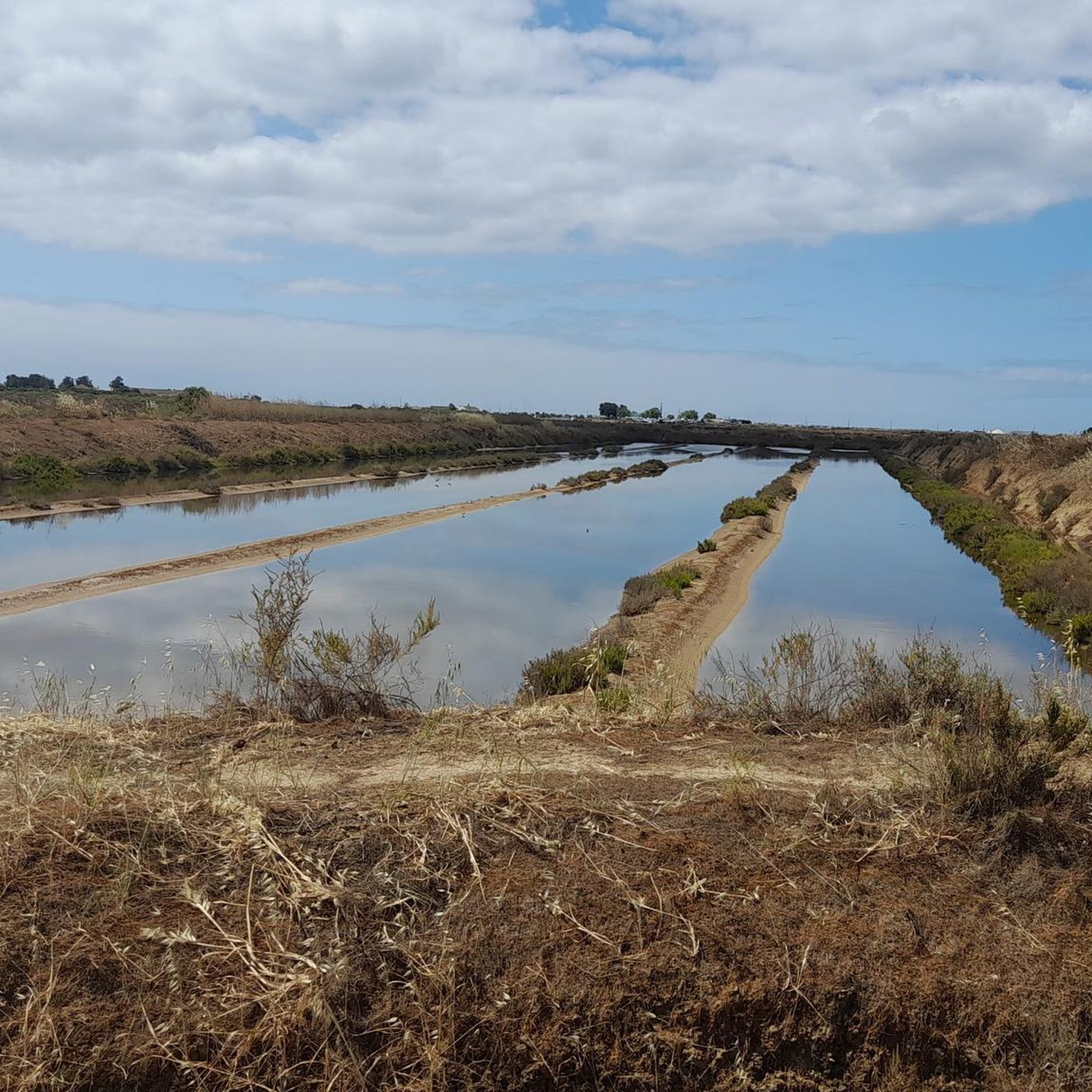
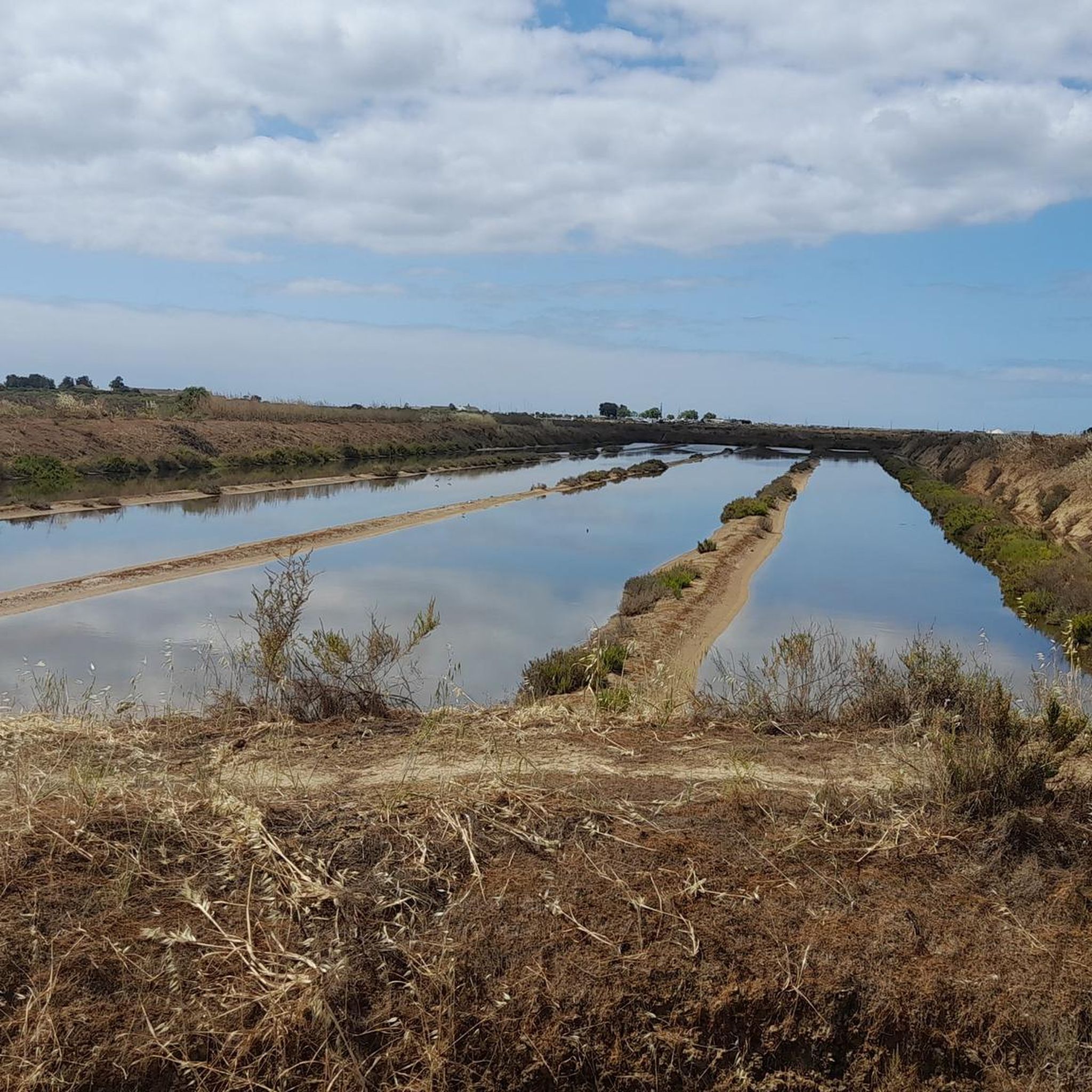
The Ria Formosa Natural Park is a crucial habitat for migratory birds, making it one of Portugal's most important areas for birdwatching. You can often spot flamingos and white storks, and the park is also home to one of the world's largest communities of seahorses. The salt pans between Tavira and Ilha de Tavira are particularly good for observing flamingos. For a different experience, the Conceição de Tavira Forest Perimeter Leisure Park is known for its small herd of fallow deer.
Are there family-friendly natural monuments to visit in Tavira (Santa Maria)?
Absolutely. Many of the natural monuments are suitable for families. Ilha de Cabanas de Tavira Beach and Manta Rota Beach are excellent choices, offering calm, shallow waters ideal for children and extensive sandy areas for play. The Castelo de Tavira Gardens also provides a family-friendly historical and natural experience.
What kind of outdoor activities can I do near these natural monuments?
The area around Tavira (Santa Maria) offers diverse outdoor activities. You can enjoy gravel biking, cycling, and running. For example, there are gravel biking routes like 'Ria Formosa Salt Pans – Coastal tower Luz de Tavira loop' and cycling routes such as 'Salinas de Tavira – View of the Ria Formosa lagoon loop'. Running trails include 'Coreto Garden in Tavira – Republic Square, Tavira loop'. You can find more details on these activities in our dedicated guides for gravel biking, cycling, and running trails.
What are the best natural monuments for beach lovers?
The barrier islands within the Ria Formosa Natural Park are perfect for beach enthusiasts. Ilha de Cabanas de Tavira Beach offers an 8 km long sandy beach accessible by boat, ideal for long walks and water sports. Manta Rota Beach is known for its huge sandy area and lukewarm, calm waters, making it very popular. Cacela Beach, also part of Ria Formosa, is a pretty little beach on an island, reachable by boat or swimming.
How can I access the barrier islands and beaches within Ria Formosa Natural Park?
Many of the barrier islands, such as Ilha de Tavira and Ilha de Cabanas de Tavira Beach, are accessible by ferry or short water taxi rides from the mainland. These services typically depart from towns like Tavira or Cabanas de Tavira, providing a convenient way to reach the pristine beaches and natural environments.
What is the best time of year to visit the natural monuments around Tavira (Santa Maria)?
The spring and autumn months (April-May and September-October) are generally ideal. The weather is pleasant for outdoor activities, and these periods offer excellent opportunities for birdwatching in Ria Formosa as migratory birds pass through. Summer can be very hot and crowded, while winter is milder but some services might be reduced.
Are there any natural monuments suitable for dog walking?
While specific regulations can vary, many of the extensive beaches and trails within the Ria Formosa Natural Park, especially during the off-season, can be suitable for dog walking. It's always recommended to keep dogs on a leash and be mindful of protected areas, especially during bird nesting seasons. The less crowded stretches of beaches like those on Ilha de Tavira or Ilha de Cabanas can be good options.
What do visitors enjoy most about the natural monuments in Tavira (Santa Maria)?
Visitors frequently praise the pristine, clean sandy beaches and the tranquil, unspoiled nature of the barrier islands. The exceptional biodiversity, particularly the birdwatching opportunities in Ria Formosa, is also a major highlight. Many appreciate the chance to explore the unique labyrinth of channels and islands by boat, offering a peaceful connection with the environment.
Are there any natural monuments that offer good viewpoints?
Yes, the Castelo de Tavira Gardens provides excellent views of the old town of Tavira. Additionally, many spots along the barrier islands and within the Ria Formosa Natural Park offer picturesque vistas of the lagoon system, the ocean, and the dynamic coastal landscape.
Can I find any 'hidden gems' or less-known natural spots in the area?
Beyond the main attractions, exploring the quieter spots on Ilha de Tavira, such as Praia do Barril (beyond the main tourist area) or Praia da Terra Estreita, can offer a more secluded experience. The Barrocal region, with its charming agricultural landscapes and the waterfalls of Vale da Assêca, also provides a different, less-trafficked natural environment compared to the coastal areas.
Most popular routes around Tavira (Santa Maria)
Most popular attractions around Tavira (Santa Maria)

Get inspired with the komoot mobile app


Explore more
Extend your search for the best caves by checking out these guides of the top ones around Tavira (Santa Maria):
