Top 11 Natural Monuments around Faro (São Pedro)
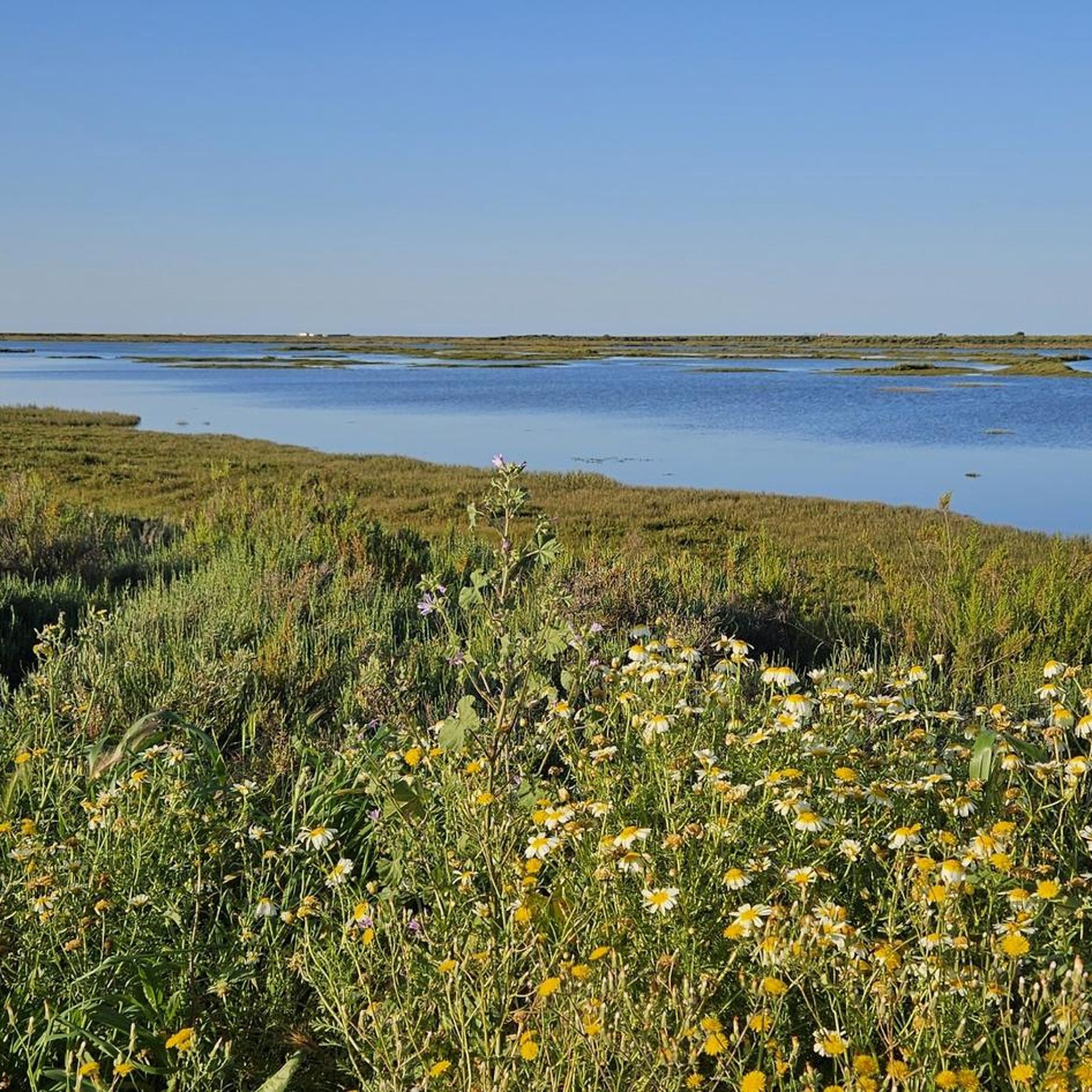
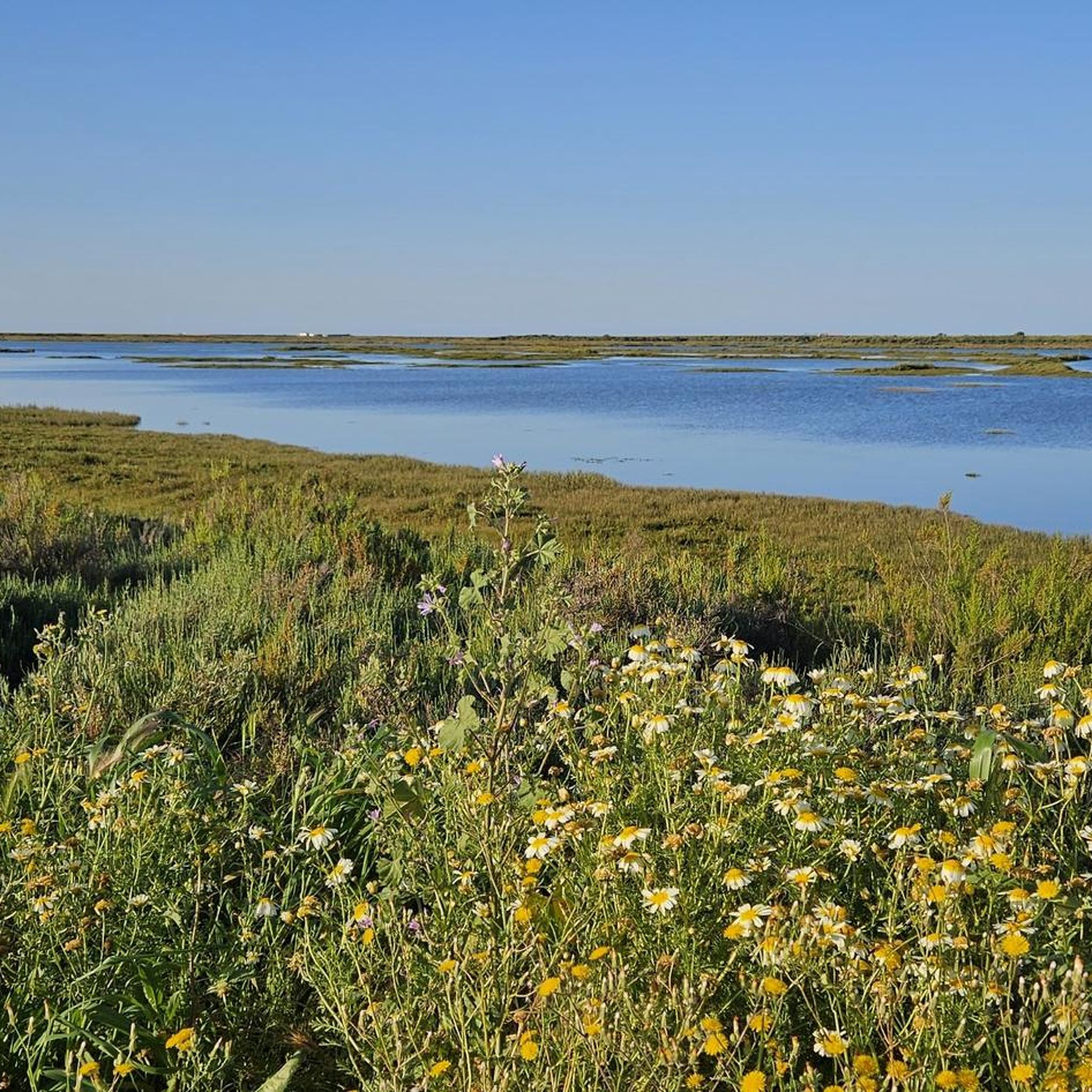
Best natural monuments around Faro (São Pedro) are primarily located within the Ria Formosa Natural Park, a protected wetland stretching approximately 60 kilometers along the Algarve coastline. This region features a dynamic landscape of islands, salt marshes, tidal flats, and lagoons. Recognized as one of Portugal's seven natural wonders, it serves as a significant area for diverse wildlife, including numerous bird species. The area offers varied natural features for exploration and appreciation.
Best natural monuments around Faro (São Pedro)
- The…
Last updated: July 13, 2026
Ria Formosa Natural Park
Highlight • Natural Monument
Tip by

Ria Formosa Natural Park
Highlight • Natural Monument
Translated by Google •
Tip by

Sign up now to discover places like this
Get recommendations on the best single tracks, peaks, & plenty of other exciting outdoor places.
Sign up for free
Birdwatching 🐦 Ancão Estuary, Natural Park
Highlight • Viewpoint
Tip by

Ria Formosa Natural Park
Highlight (Segment) • Natural Monument
Translated by Google •
Tip by

Culatra Beach
Highlight • Beach
Translated by Google •
Tip by

Sign up for free to discover even more natural monuments around Faro (São Pedro).
Sign up for free
Already have an account?
Start today with a free account
Your next adventure awaits.
Login or Signup
Other adventures around Faro (São Pedro)

Tips from the Community

Culatra Island lies within the Ria Formosa Natural Park in the Gulf of Cádiz. Together with its neighboring islands, it forms a chain of islands, interrupted only by a few channels and tidal creeks, creating a natural barrier for the lagoon between the islands and the mainland. The island boasts a beautiful sandy beach 🏖️ and offers several places to eat and drink! 🍺😋
2
0

This park is definitely worth a visit. We discovered so much! Herons, all kinds of ducks and geese, flamingos, and there are also turtles and crabs to see. Beautiful!
5
0

At low tide it is teeming, crabs are active everywhere 🦀
0
0

Beautiful interesting surroundings, you can watch birds here by bike or on foot
6
0

The Ria Formosa, a wetland of international importance, is a labyrinth of channels, islands, marshes and sandbanks that stretches for 60 km, specifically between the beaches of Garrão and Manta Rota, on the Algarve coast. Its diverse ecosystems attract a wide variety of animals, including, of course, numerous species of birds such as the purple crake, the park's symbol. If you want to admire this bird with its magnificent plumage and learn all about the protected area, start your visit with a visit to the Marim Environmental Education Centre. There you will receive information on the most suitable hiking trails and the shelters where you can hide to observe the different species in their natural environment. The park also organizes trips on an old boat that was originally used for tuna fishing. https://www.visitportugal.com/en/content/parque-natural-da-ria-formosa
1
1
Giant replica of a shore crab.
1
0
Great lagoon, besides flamingos we could also observe storks and various heron species (including little egrets).
5
0
Its diverse ecosystems attract a wide variety of animals, including numerous bird species such as the purple crake, the park's symbol. If you want to admire this bird with its magnificent plumage and learn all about the protected area, start your visit with a visit to the Marim Environmental Education Centre. There you will receive information on the best hiking trails and the shelters where you can hide to observe the different species in their natural environment. The park also organises trips on an old boat originally used to catch tuna. One of the friendliest and most trusting animals you will come across here is the Portuguese Water Dog. This is a long-haired breed of dog that used to help fishermen with their work, diving to the nets and bringing in the fish that got caught in them. In addition to fishing, salt production and the gathering of mollusks and shellfish are traditional activities of the inhabitants of the estuary, who have never lacked ingenuity and craftsmanship. This is how the recipes for delicious gastronomic specialties such as fish soup and rice with razor clams were created, which you can try in the restaurants by the sea. visitportugal.com/de/content/parque-natural-da-ria-formosa
3
0
Frequently Asked Questions
What natural features can I expect to see in the natural monuments around Faro (São Pedro)?
The natural monuments around Faro (São Pedro) are primarily centered within the Ria Formosa Natural Park. This protected wetland offers a dynamic landscape of islands, salt marshes, tidal flats, and lagoons. You'll find extensive white sandy beaches, crystal-clear waters, and diverse ecosystems including umbrella pine forests and saltpans.
What are some of the most unique natural monuments to visit in the region?
Beyond the Ria Formosa Natural Park itself, consider visiting Ilha Deserta (Desert Island), which is largely uninhabited and holds the distinction of being the southernmost point of mainland Portugal, offering pristine beaches and excellent birdwatching. Another unique spot is Ilha do Farol (Lighthouse Island), known for its iconic 1851 lighthouse and charming village.
Are there good opportunities for birdwatching in the natural monuments around Faro (São Pedro)?
Yes, the region is a significant hotspot for birdwatching. The Ria Formosa Natural Park hosts over 300 different bird species. Specifically, the Birdwatching 🐦 Ancão Estuary, Natural Park and the Ludo Trail and Quinta do Ludo are renowned for exceptional birdwatching, where you can observe species like Greater Flamingos, Spoonbills, and storks from wooden footbridges and observation points.
Where can I find beaches for relaxation or swimming near Faro (São Pedro)?
The area boasts several beautiful beaches. Praia de Faro is an extensive sandy beach perfect for long walks. Ilha Deserta offers vast expanses of pristine white sand and tranquil waters. Ilha do Farol also features beautiful white sandy beaches and inviting turquoise waters ideal for swimming and water sports. Culatra Beach, located within the Ria Formosa, is another beautiful sandy option.
Are there family-friendly natural monuments around Faro (São Pedro)?
Many natural monuments in the region are family-friendly. The Ria Formosa Natural Park offers accessible trails and opportunities for wildlife viewing. The Birdwatching 🐦 Ancão Estuary, Natural Park has wooden footbridges suitable for various ages. Ilha do Farol is known for its calm, family-friendly waters and relaxed atmosphere, while Ilha Deserta provides a peaceful escape with easy walks.
What outdoor activities can I do near these natural monuments?
The natural monuments around Faro (São Pedro) offer a variety of outdoor activities. You can enjoy hiking and cycling along trails like the Ludo Trail or sections of the Ecovia do Algarve. Water sports such as paddleboarding and kayaking are popular around the islands. For more specific routes, you can explore MTB Trails, Road Cycling Routes, and Easy Hikes in the wider Faro (São Pedro) area.
What is the best time to visit the natural monuments in Faro (São Pedro)?
The natural monuments in Faro (São Pedro) can be enjoyed year-round. Spring and autumn offer pleasant temperatures for hiking and birdwatching, with fewer crowds. Summer is ideal for beach activities and water sports, though it can be warmer and busier. Winter provides excellent conditions for birdwatching, especially for migratory species, and tranquil walks.
Are there accessible natural monuments for visitors with mobility considerations?
The Ludo Trail and Quinta do Ludo, located within the Ria Formosa Natural Park, features trails that are generally flat and accessible, making them suitable for many visitors. The Birdwatching 🐦 Ancão Estuary, Natural Park also has well-maintained wooden footbridges.
What do visitors enjoy most about the natural monuments around Faro (São Pedro)?
Visitors frequently highlight the untouched natural environment, serene atmosphere, and exceptional birdwatching opportunities. The extensive sandy beaches, like Praia de Faro, are popular for long, peaceful walks. The diverse ecosystems and the chance to see wild flamingos and other rare bird species are also highly appreciated.
Can I find places to eat or stay near the natural monuments?
Yes, while some islands like Ilha Deserta are largely uninhabited, it does feature the Restaurante o Estaminé. Culatra Island offers several places to eat and drink. Ilha do Farol has a charming village with traditional fishing cottages and holiday homes. The main town of Faro (São Pedro) and other nearby coastal towns provide a wide range of cafes, restaurants, and accommodation options.
How can I reach the islands within the Ria Formosa Natural Park?
Islands like Ilha Deserta, Ilha do Farol, and Culatra Island are typically accessed by ferry or boat tours from Faro or Olhão. These services provide a convenient way to explore the unique island environments within the Ria Formosa Natural Park.
Most popular routes around Faro (São Pedro)
Most popular attractions around Faro (São Pedro)

Get inspired with the komoot mobile app


Explore more
Extend your search for the best caves by checking out these guides of the top ones around Faro (São Pedro):
