Top 9 Natural Monuments around Chorense
Natural monuments around Chorense are concentrated in a region known for its natural beauty, particularly due to its proximity to the Peneda-Gerês National Park. This Portuguese civil parish, located within the municipality of Terras de Bouro, serves as a gateway to diverse landscapes. The area features dramatic mountain terrain, lush forests, and numerous rivers, offering various natural attractions. Visitors can explore granite massifs, ancient pathways, and unique ecosystems within this setting.
Best natural monuments around Chorense
- The most popular natural…
Last updated: October 16, 2026
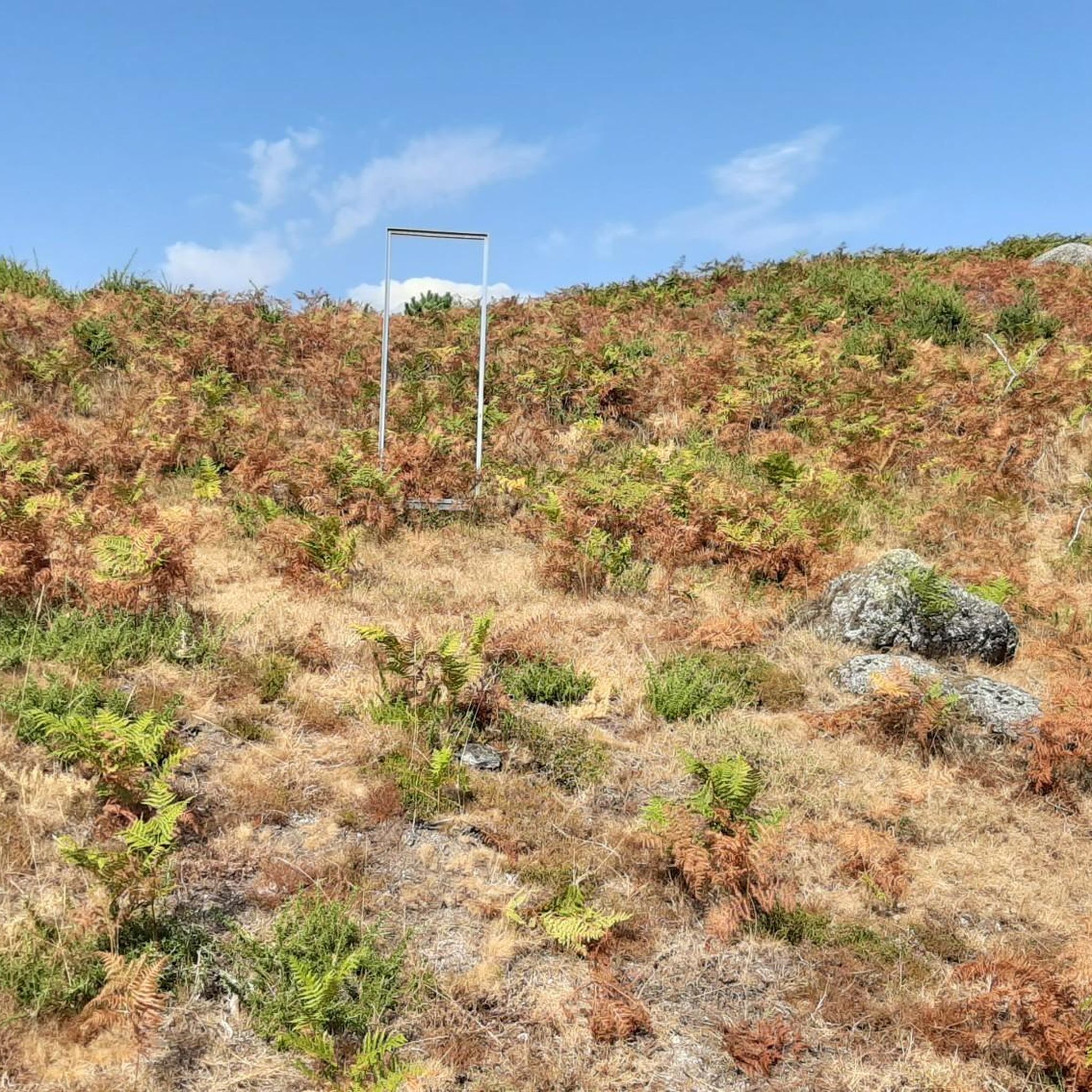
Fenda da Calcedónia
Highlight • Gorge
Translated by Google •
Tip by

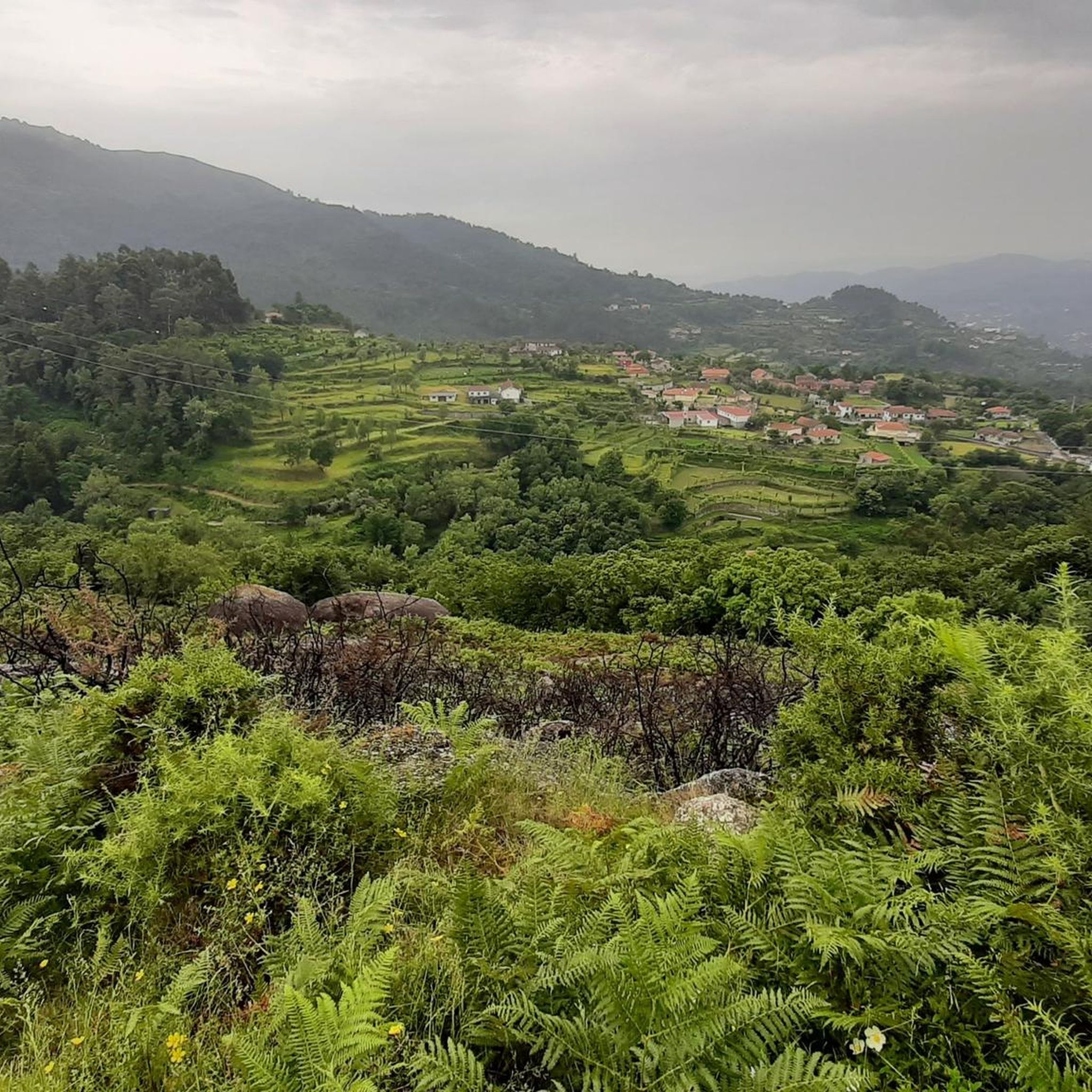
Granite Rock Formations of Peneda-Gerês National Park
Highlight • Natural Monument
Translated by Google •
Tip by

Sign up now to discover places like this
Get recommendations on the best single tracks, peaks, & plenty of other exciting outdoor places.
Cascata do Ribeiro de Gemesura
Highlight • Waterfall
Translated by Google •
Tip by

Ascent to the Rock Crevice (Reserva da Biosfera Transfronteira Gerês-Xurés)
Highlight (Segment) • Climb
We walk it anti-clockwise, which turns out to be a good decision.
The ascent is much steeper this way, …
Translated by Google •
Tip by

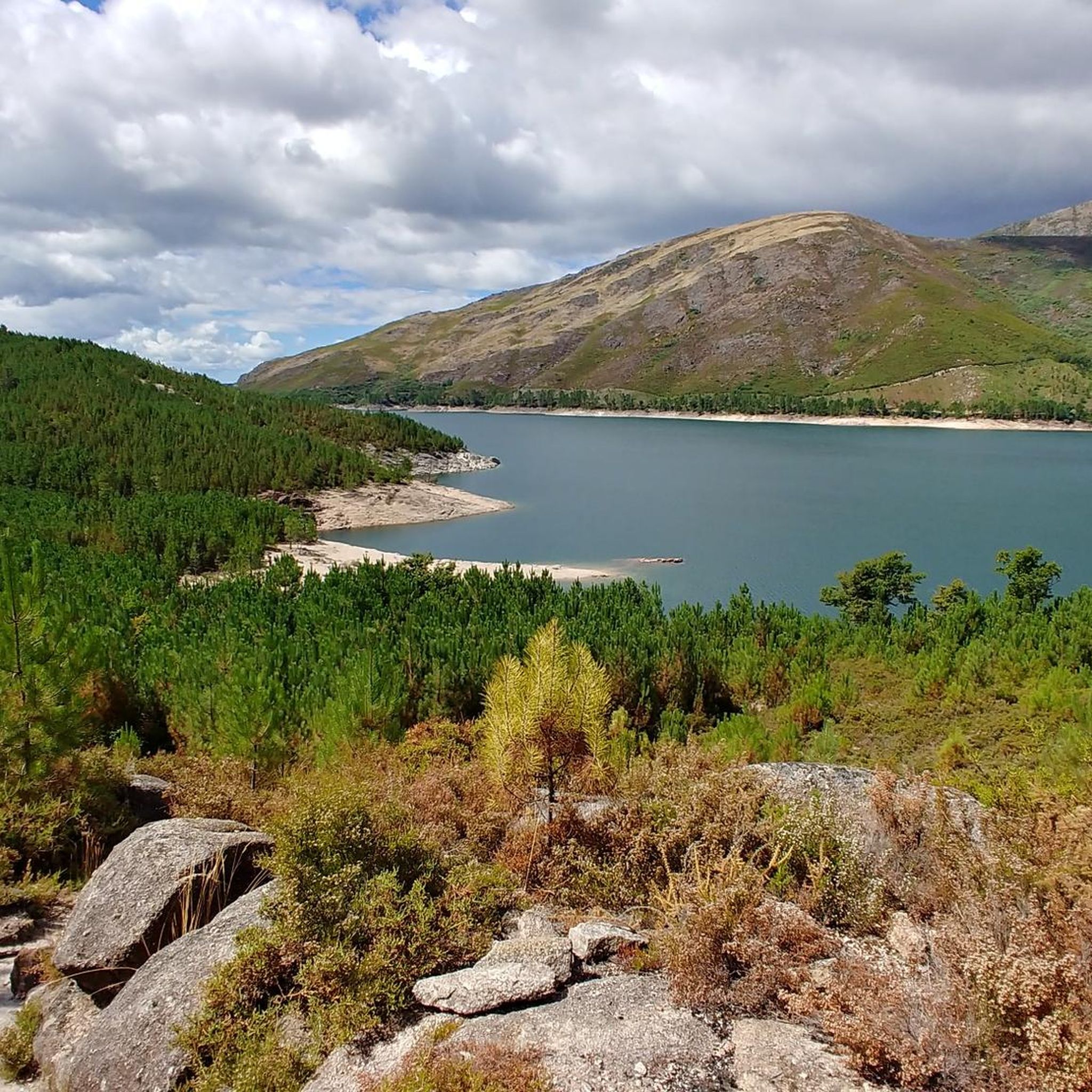
View from Miradouro da Pedra Bela overlooking the Rio Gerês reservoir
Highlight • Viewpoint
Translated by Google •
Tip by

Sign up for free to discover even more natural monuments around Chorense.
Already have an account?
Start today with a free account
Your next adventure awaits.

Tips from the Community

The Chalcedony Trail (PR1 TBR – Trilho da Cidade da Calcedonia) is one of the most iconic routes in Peneda-Gerês National Park, located in Covide (Braga), within the municipality of Terras de Bouro. It leads to the ruins of the City of Chalcedony, an ancient pre-Roman hill fort high in the mountains. It offers panoramic views over the Homem River valley and the Gerês mountains. The trail passes through native forests, rocky areas, and natural viewpoints.
2
0

A beautiful hiking area with breathtaking rock formations.
0
0

A very beautiful waterfall with a loud noise from the falling water, located next to the Vilarinho das Furnas Dam, more or less halfway along the sand road that serves the site of the old village of Vilarinho.
0
0

The Calcedonia Crack is one of those passages that seems to have come straight out of an old fairy tale: a monumental crack between two granite giants. For those who like a challenge, the route involves climbing and jumping between huge blocks fitted together at the base. Going up is easier than going down: there is more support, more traction, and less hesitation. There is no need to cross it (the trail elegantly skirts the crack) but, for the more adventurous, facing this crack is almost a ritual: a mix of adrenaline, vertigo and raw landscape that leaves its mark on those who pass by.
1
1

Can sometimes be easily reached by car.
1
0
As the climb progresses, the granite boulders become increasingly imposing, sculpting the landscape with impressive shapes and dimensions. To the south, Curvaceira rises, the highest point in the area, at 919 metres above sea level. To the north, a wide view opens up over the Covide valley. Here, Barrosã cows roam freely across the hills, while the mountain landscape reveals itself in all its grandeur above 800 metres. But this is also the most challenging part of the climb: narrow trails, a steep incline and some rocks that require a bit of climbing.
2
0

Today we decide to take the designated hiking trail PR 1. We walk it anti-clockwise, which turns out to be a good decision. The ascent is much steeper this way, but in our opinion it is easier to go up than down - especially the smaller climbs over the large boulders. The descent is then longer, but also flatter and quite easy to walk. A head for heights, surefootedness and good footwear are a must! - As are long trousers; no matter how warm it is! The trail is very narrow in places and overgrown with blackberries and nasty gorse on the left and right.
1
0

We hiked the Covid loop (yellow and red lines) clockwise. The ascent was OK. The rocky landscape was spectacular. The Slut was also impressive, but considering the many rocks, it was just another somewhat more exclusive highlight among many. The descent, however...described in Komoot as well-maintained hiking trails, no special skills required. It's an overgrown trail with (very) high steps and scree sections. Very good fitness and surefootedness are required to safely navigate it. The less than three hours for the loop is also very ambitious. At the end of the descent, there was a dog park with some very aggressive dogs running loose on the trail; we felt like we barely made it through unscathed. Next time, I'd turn around at the Slut and take the same route back. Be sure to bring plenty of drinks. Great scenery, very tiring.
2
0
Frequently Asked Questions
What are some notable natural monuments to visit near Chorense?
The region around Chorense, particularly within the Peneda-Gerês National Park, offers several impressive natural monuments. Highlights include the expansive views from Miradouro da Pedra Bela overlooking the Rio Gerês reservoir, the unique Granite Rock Formations of Peneda-Gerês National Park, and the dramatic gorge of Fenda da Calcedónia. Other popular spots include the refreshing Blue Pool (Poço Azul) and the stunning Fecha de Barjas Waterfall (Tahiti Waterfall), both ideal for swimming.
What kind of natural features can I expect to see around Chorense?
The natural monuments around Chorense are characterized by diverse landscapes. You can expect to see dramatic mountain terrain, lush forests, and numerous rivers and waterfalls. Specific features include impressive granite rock formations, deep gorges, serene lakes and reservoirs, and various viewpoints offering panoramic vistas over valleys and mountains.
What outdoor activities can I do near these natural monuments?
The area is excellent for outdoor enthusiasts. You can enjoy extensive hiking, cycling, and mountain biking. For hiking, there are routes like the Roman Milestone XXVI – Fenda da Calcedónia loop from Covide. Cycling options include the Caniçada Reservoir – Porta do Homem Border Crossing loop from Rio Caldo. Mountain biking trails such as the Homem River Waterfall – Río Caldo Hot Springs loop from Campo do Gerês are also available. For more details on routes, explore the hiking, cycling, and MTB guides around Chorense.
Are there hiking trails suitable for different difficulty levels?
Yes, the region offers trails ranging from moderate to challenging. For instance, the route to Fenda da Calcedónia is part of an iconic route in Peneda-Gerês National Park, with sections requiring good fitness and surefootedness due to high steps and scree. The Granite Rock Formations of Peneda-Gerês National Park also involve challenging climbs with narrow trails and steep inclines. However, there are also moderate options like the Roman Milestone XXVI – Fenda da Calcedónia loop.
What is the best time of year to visit the natural monuments around Chorense?
The warmer months are ideal for enjoying natural swimming spots like the Blue Pool and Fecha de Barjas Waterfall. For hiking and exploring the mountainous terrain, spring and autumn offer pleasant temperatures and vibrant scenery. Winter hiking is possible, but some trails may be more challenging due to weather conditions, and sturdy footwear is always recommended.
Are there family-friendly natural monuments or trails?
Yes, some natural monuments are considered family-friendly. The View from Miradouro da Pedra Bela overlooking the Rio Gerês reservoir is a popular and accessible viewpoint suitable for families. The Cascata do Ribeiro de Gemesura is also noted as family-friendly, though it requires a walk of about 1.5 km as car access is restricted.
Can I bring my dog to the natural monuments?
While many natural areas in Portugal are dog-friendly, specific regulations may apply within the Peneda-Gerês National Park. It's generally advisable to keep dogs on a leash, especially in areas with wildlife or livestock (like the Barrosã cows roaming freely). Always check local signage for any restrictions.
What are the parking options for visiting these sites?
Parking availability varies by location. Popular viewpoints like Miradouro da Pedra Bela usually have designated parking areas. For more remote natural monuments or trailheads, parking might be less formal, often along roadsides or in small village lots. For places like Cascata do Ribeiro de Gemesura, car access might be restricted, requiring a walk from a nearby parking spot.
Is public transport available to reach natural monuments?
Public transport options directly to many natural monuments around Chorense, especially those deep within the Peneda-Gerês National Park, are limited. It is often more convenient to reach these sites by car. However, some villages within the region may have bus connections, from which you can then access trails or attractions.
Are there any historical or cultural sites integrated with the natural monuments?
Yes, the Peneda-Gerês National Park, which encompasses many of the natural monuments, is also rich in history. It features traditional villages and ancient Roman roads, such as the Via Nova (Geira). The trail to Fenda da Calcedónia, for example, leads to the ruins of the City of Chalcedony, an ancient pre-Roman hill fort high in the mountains, offering a blend of natural beauty and historical intrigue.
Can I spot wildlife near the natural monuments?
The Peneda-Gerês National Park is known for its diverse wildlife. Visitors have opportunities for wildlife observation, including wild garrano horses, roe deer, and golden eagles. Barrosã cows also roam freely across the hills in areas like the Granite Rock Formations of Peneda-Gerês National Park, adding to the natural experience.
What do visitors particularly enjoy about the natural monuments around Chorense?
Visitors frequently praise the breathtaking scenery, the opportunity for refreshing swims in natural pools and waterfalls, and the challenging yet rewarding hiking experiences. The panoramic views from viewpoints like Miradouro da Pedra Bela are highly appreciated, as are the unique rock formations and the serene atmosphere of the natural environments. The community has shared over 50 photos and given more than 40 upvotes, highlighting the area's appeal.
Most popular attractions around Chorense

Get inspired with the komoot mobile app


Explore more
Extend your search for the best caves by checking out these guides of the top ones around Chorense:
