Top 4 Natural Monuments around Salvada
Best natural monuments around Salvada showcase a landscape shaped by the Guadiana River, featuring significant waterfalls, river valleys, and viewpoints. The region offers diverse natural attractions, from dramatic gorges to expansive river views. These natural features provide opportunities for exploring the area's geological formations and riverine ecosystems. Salvada's natural monuments highlight the unique interplay of water and rock in its terrain.
Best natural monuments around Salvada
- The most popular natural monuments is Pulo do Lobo Waterfall, a waterfall that…
Last updated: June 29, 2026
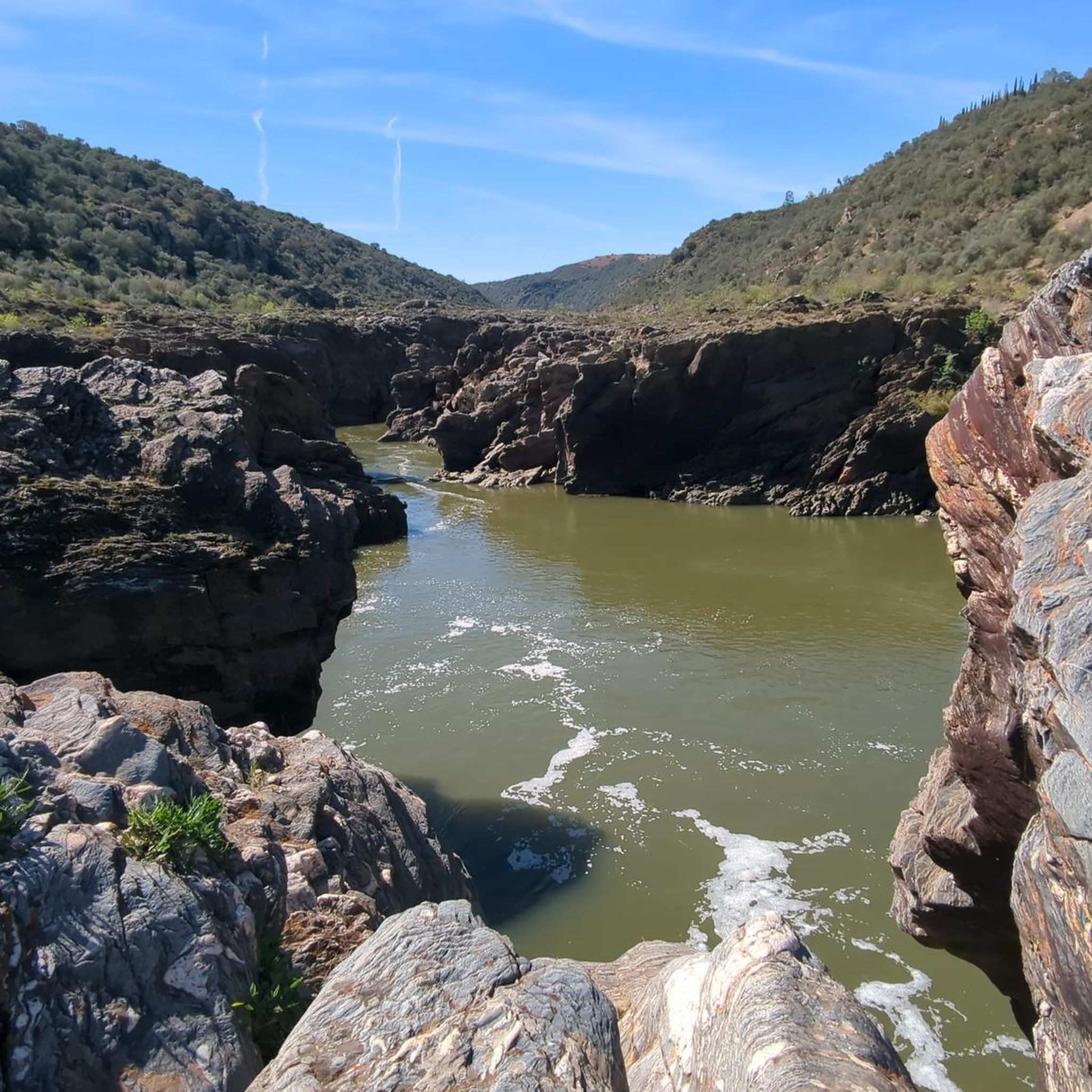
Pulo do Lobo Waterfall
Highlight • Waterfall
Translated by Google •
Tip by

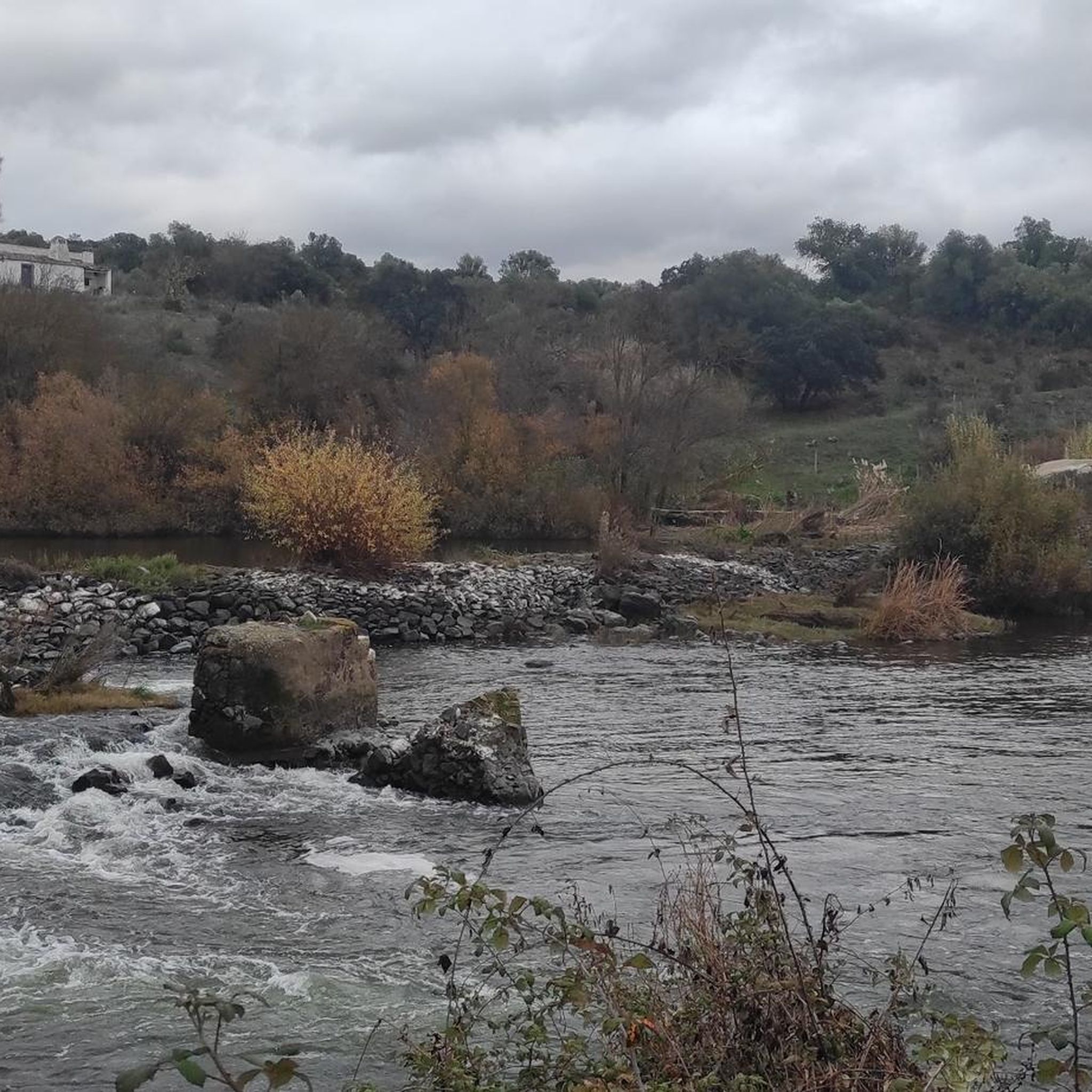
Guadiana River
Highlight • River
Tip by
Sign up now to discover places like this
Get recommendations on the best single tracks, peaks, & plenty of other exciting outdoor places.
Sign up for free
View of the Guadiana River from Anta das Pias
Highlight • Viewpoint
Translated by Google •
Tip by

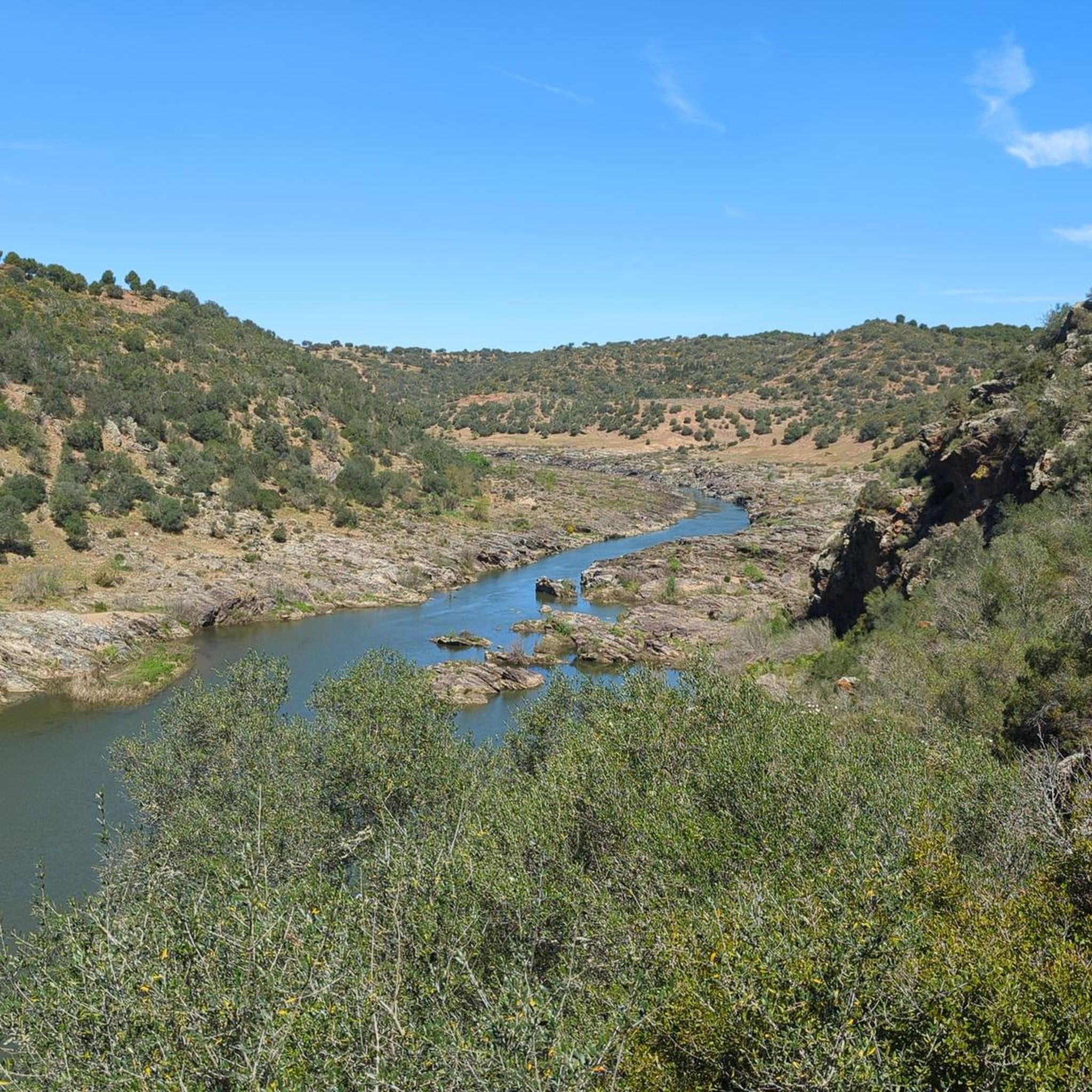
View of the Guadiana Valley
Highlight • Viewpoint
Translated by Google •
Tip by
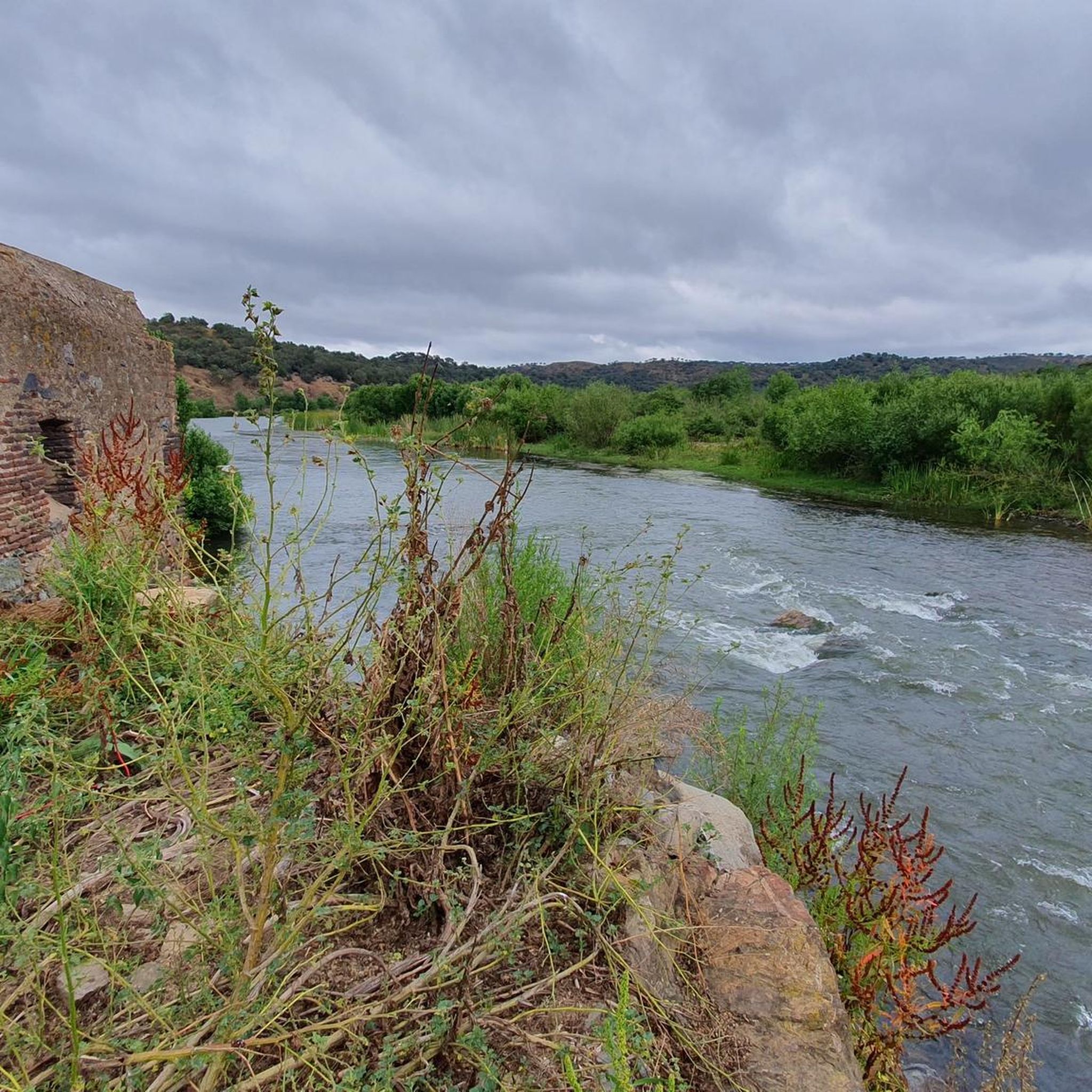
Along the Guadiana River
Highlight (Segment) • River
Translated by Google •
Tip by
Start today with a free account
Your next adventure awaits.
Login or Signup
Tips from the Community

In the Guadiana Valley Natural Park, the main protagonist is, of course, the river that gives it its name. The fourth largest in the Iberian Peninsula, the Guadiana rises in Spain, crosses the south of Portugal from east to west to Badajoz and then flows down towards the Atlantic. Within the park, the river displays all its wild beauty: winding, serene and surrounded by breathtaking landscapes.
4
0

You can access Pulo do Lobo from either side of the river: from Aldeia da Amendoeira, on the Mértola-Beja road (left bank), or from Serpa, in the village of Vale de Poços, where you'll find signs indicating exactly where to turn right (right bank). Both paths are well signposted, and both have several viewpoints. The best view of the waterfall, however, is undoubtedly from the viewpoint on the right bank. Further ahead, you'll see Pego dos Sáveis, the spot where the water suddenly calms down again, forming a tranquil lake.
4
0

On the map, the Guadiana is the fourth longest river in the Iberian Peninsula and the fourth largest river, it flows through two nations; Spain and Portugal, running from east to west along the southern sub-plateau, this at the level of the Spanish city known as Badajoz then heads south, a direction that will continue until it reaches its mouth in the Atlantic Ocean.
9
0
Pulo do Lobo. This is the largest waterfall in southern Portugal and is located on the Guadiana River, upstream from Mértola. The waters fall from a height of over 20 metres and, surrounded by a sea of foam, descend the rocky gorge to the bottom, emptying into a lake between the rocks. The banks of the waterfall are so narrow that, according to legend, even a wolf could cross them in one leap. Hence the name Pulo do Lobo. The landscape of Pulo do Lobo is spectacular, the riverbed after the waterfall is completely exposed, in rock, between which the Guadiana River meanders, in a groove created over thousands of years. Access to Pulo do Lobo can be from the east or west. To the east, take a detour on the road that connects Serpa to Mértola. Access to the waterfall is difficult and you have to walk, crossing the rocky riverbed to reach the waterfall. We recommend caution. To the west, take a detour on the road that connects Beja to Mértola and continue to the village of Amendoeira da Serra, following the signs to Pulo do Lobo. You will then reach Herdade de Pulo do Lobo, open the gate and it is about 1000m on a dirt road to the waterfall. Access is prohibited to heavy vehicles. Access to the waterfall from the west is easier, and there is even a structure to better observe the waterfall.
5
0
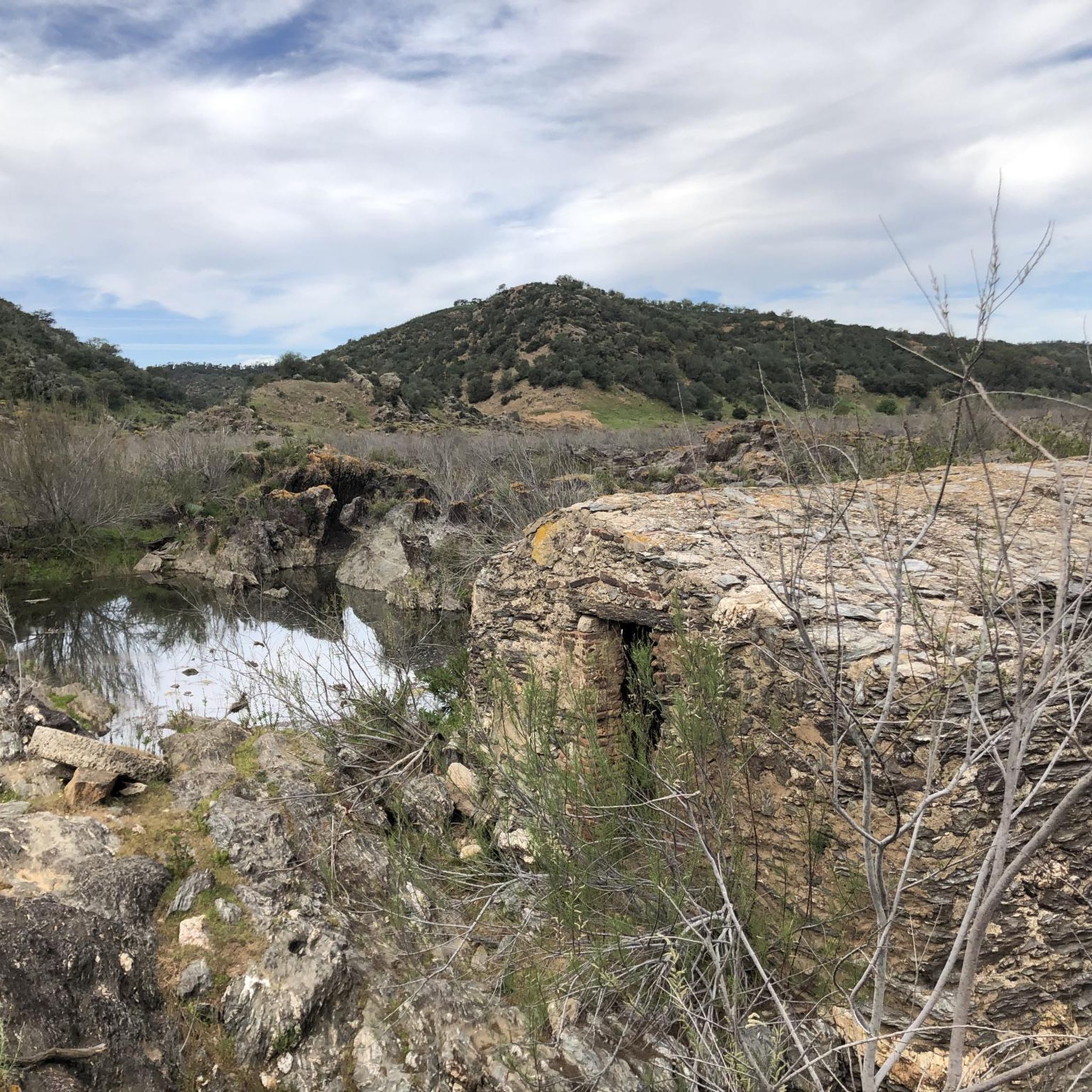
A dolmen measuring 2 m by 1.20 m, dating from the 3rd millennium BC. It has a trapezoidal chamber and a small corridor facing east. It was built with small, small local schist pillars. It also has a slab that partially covers the burial chamber. It was the subject of an intervention to enhance its value, through a landscape architecture project carried out by the Association for the Defence of the Heritage of Mértola. It is one of the points of interest before visiting Pulo do Lobo. It has suffered damage resulting from agricultural work and, despite being part of a visiting circuit, it exposes some weaknesses as tourists walk on top of the dolmen's lid and pillars.
0
0
These are the untamed lands of Pulo do Lobo, where shale forms steep cliffs and the Guadiana River runs wild. Here, in the heart of the Guadiana Valley Natural Park, the landscape is breathtaking, a haven of biodiversity where even the elusive Iberian lynx finds its home.
2
0
The Anta das Pias, built between the 5th and 3rd millennia BC, sits on a hill overlooking the Guadiana River, close to the trail that leads to Pulo do Lobo. This small, trapezoidal dolmen has a short corridor formed by schist pillars and a slab that partially covers the burial chamber. Rare in the region, it is a valuable prehistoric vestige that has withstood the test of time, preserving the memory of ancient civilizations.
2
0
To get a better view of the waterfall, choose the viewpoint on the right bank.
4
0
Frequently Asked Questions
What are the most prominent natural monuments to visit around Salvada?
The most prominent natural monuments in the Salvada area are centered around the magnificent Guadiana River. Key highlights include the impressive Pulo do Lobo Waterfall, known for its dramatic 20-meter drop and the legend of a wolf's leap. You can also enjoy various viewpoints overlooking the Guadiana Valley, offering breathtaking vistas of the river's wild beauty.
Are there any family-friendly natural monuments or activities near Salvada?
Yes, the Guadiana River itself is considered family-friendly, offering serene landscapes for gentle exploration. While the Pulo do Lobo Waterfall involves some walking, the access from the west (via Amendoeira da Serra) is generally easier, making it more accessible for families to observe the waterfall from designated structures.
What kind of natural features can I expect to see in the Salvada region?
The Salvada region is dominated by the Guadiana River and its surrounding landscape. You'll encounter dramatic waterfalls like Pulo do Lobo, deep gorges, and expansive river valleys. The area is characterized by shale cliffs and a rich biodiversity, being part of the Guadiana Valley Natural Park.
Are there historical or archaeological sites combined with natural monuments?
Yes, you can find historical elements intertwined with the natural beauty. For instance, the View of the Guadiana River from Anta das Pias offers a glimpse of an ancient dolmen, dating back to the 5th to 3rd millennia BC. This prehistoric vestige sits on a hill overlooking the Guadiana River, near the trail to Pulo do Lobo, combining natural views with archaeological interest.
What outdoor activities can I do near these natural monuments?
Beyond exploring the natural monuments themselves, the Salvada area offers a variety of outdoor activities. You can find numerous MTB Trails around Salvada, Running Trails around Salvada, and Road Cycling Routes around Salvada, catering to various skill levels from easy to difficult.
What is the best way to access the Pulo do Lobo Waterfall?
You can access Pulo do Lobo Waterfall from either the east or west bank of the Guadiana River. The eastern access, from the road connecting Serpa to Mértola, involves a more challenging walk across a rocky riverbed. The western access, via Amendoeira da Serra (from the Beja to Mértola road), is generally easier, leading to Herdade de Pulo do Lobo and a dirt road to the waterfall, with structures for better viewing.
Are there good viewpoints for photography in the Salvada natural monuments area?
Absolutely. The Pulo do Lobo Waterfall offers spectacular photographic opportunities, especially from the viewpoint on the right bank. Additionally, various viewpoints overlooking the Guadiana Valley provide stunning panoramic shots of the river, shale cliffs, and the natural park's wild beauty.
What should I know about the Guadiana River in this region?
The Guadiana River is the fourth longest in the Iberian Peninsula, flowing through both Spain and Portugal. In the Salvada area, particularly within the Guadiana Valley Natural Park, it showcases its wild and untamed beauty, meandering through a landscape of shale cliffs and forests. It's a significant natural monument itself, offering serene and picturesque views.
What kind of wildlife can be found in the Guadiana Valley Natural Park?
The Guadiana Valley Natural Park, which encompasses many of Salvada's natural monuments, is a haven for biodiversity. It's known for its untamed lands where the elusive Iberian lynx finds its home, alongside a variety of other mammals and birds, making it a great spot for nature observation.
Are there any trails that follow the Guadiana River?
Yes, there are trails that allow you to explore Along the Guadiana River. These trails offer intermediate difficulty and provide opportunities to experience the river's winding, serene beauty within the Guadiana Valley Natural Park. They often lead to viewpoints and other natural features.
Most popular attractions around Salvada

Get inspired with the komoot mobile app


Explore more
Extend your search for the best caves by checking out these guides of the top ones around Salvada:
