Top 20 Natural Monuments around Ribeira Seca
Best natural monuments around Ribeira Seca highlight the Azores' volcanic origins and lush biodiversity, particularly on São Jorge and São Miguel islands. The landscape features impressive waterfalls, serene lakes, and unique geological formations. Visitors can explore more than 20 natural monuments, offering diverse opportunities for outdoor activities.
Best natural monuments around Ribeira Seca
- The most popular natural monuments is Window of Hell Waterfall, a waterfall that is reached via an exciting hike through several tunnels. A flashlight is highly…
Last updated: June 29, 2026
Window of Hell Waterfall
Highlight • Waterfall
Translated by Google •
Tip by

Cabrito Waterfall
Highlight • Waterfall
Translated by Google •
Tip by

Sign up now to discover places like this
Get recommendations on the best single tracks, peaks, & plenty of other exciting outdoor places.
Sign up for free
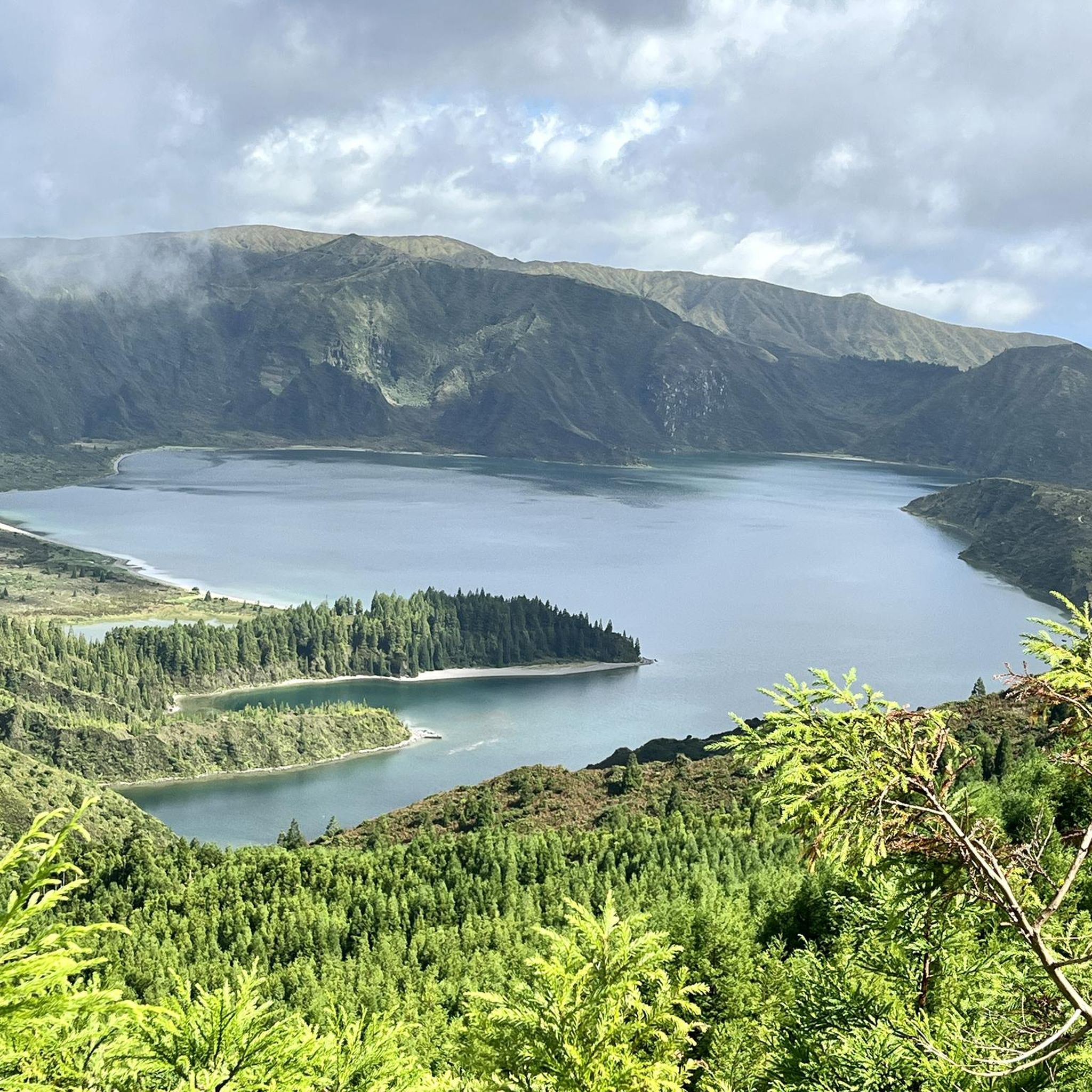
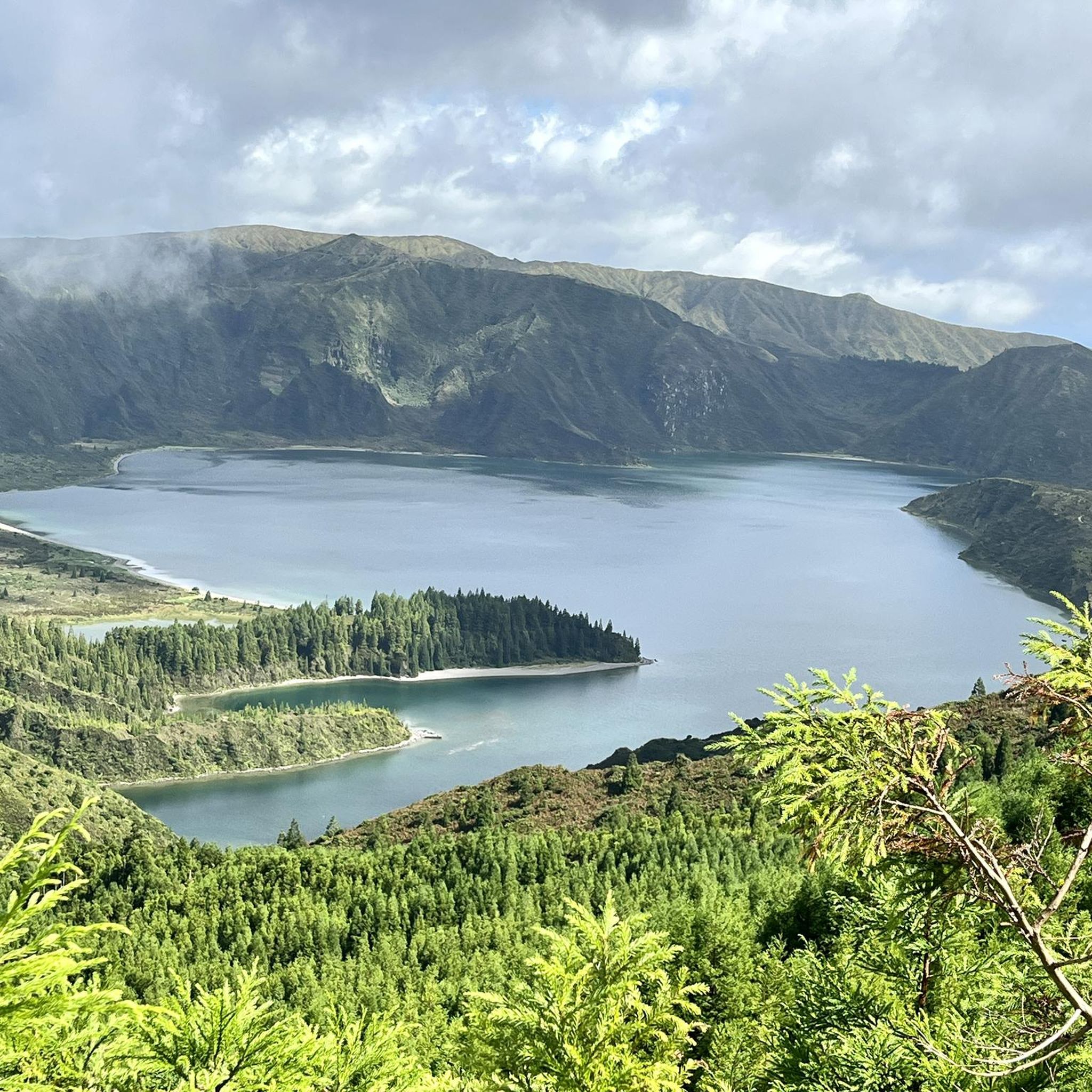
Lagoa do Fogo (Lagoon of Fire)
Highlight • Lake
Translated by Google •
Tip by
Water Collection System of Lagoa do Fogo
Highlight • Structure
Translated by Google •
Tip by
Steep descent to Lagoa do Fogo
Highlight • Trail
Translated by Google •
Tip by

Sign up for free to discover even more natural monuments around Ribeira Seca.
Sign up for free
Already have an account?
Start today with a free account
Your next adventure awaits.
Login or Signup
Tips from the Community


The descent down to the lake in the crater is an absolute dream. The unique flora in the crater leaves us in awe. However, what we descend, we have to climb back up again on the way back. A short, but worthwhile tour!
3
0

Amazing views of Lagoa do Fogo. A steep descent with up to 900 steps takes you directly to the lake. The hike takes about 30 minutes and leads through stunning scenery. The climb is strenuous, but the walk is worth it.
3
0

It is very beautiful here.
0
0

Very nice view of the lake. Path down is not closed. (09/2024)
0
0

Passing by the dam you will enter in the valley of Ribeira da Praia, an open area, with big slopes on both sides, with several points of water abstraction. This construction, initiated in 1984, intended to abstract the major part of the water springs from the filtering of Lagoa do Fogo and was concluded in 1998.
0
0


Beautiful waterfall. When it rains a lot, the circular route is not possible because the path further down is then washed away by the stream.
2
0
Frequently Asked Questions
What unique geological features can I explore around Ribeira Seca?
The region around Ribeira Seca, particularly on São Jorge and São Miguel islands, is rich in unique geological formations. You can discover 'fajãs' like Fajã de Santo Cristo, which are small coastal plains formed by cliff collapses, offering isolated beauty and traditional Azorean life. Volcanic origins are evident in sites like Lagoa do Fogo (Lagoon of Fire), a stunning crater lake, and the highest point on São Jorge, Pico da Esperança, which provides panoramic views of the volcanic landscape.
Are there hiking opportunities near the natural monuments around Ribeira Seca?
Yes, there are numerous hiking opportunities. For example, the scenic route to Fajã dos Cubres is a rewarding hike ending at an idyllic coastal plain. You can also find trails leading to Window of Hell Waterfall, an exciting hike through tunnels. For more options, explore the Hiking around Ribeira Seca guide, which includes routes like the Ponta do Cintrão Trail.
What kind of terrain should I expect on trails around Ribeira Seca's natural monuments?
The terrain varies significantly. Trails can range from easy walks to challenging ascents. For instance, the hike to Window of Hell Waterfall involves tunnels and well-laid paths, while some routes, like the descent to Lagoa do Fogo, can be medium-heavy and require sturdy shoes. Some fajãs, like Fajã de Além, are accessed via 3-hour hiking paths, adding to their adventurous appeal. Always check the difficulty rating for specific routes.
Are there family-friendly natural monuments to visit near Ribeira Seca?
Absolutely. Window of Hell Waterfall is considered family-friendly, offering an exciting hike through tunnels. Cabrito Waterfall is also suitable for families and can be combined with a hike in the area. Additionally, Ribeira dos Caldeirões Natural Park on São Miguel, with its impressive waterfalls and historical watermills, provides a peaceful setting for nature strolls that families can enjoy.
Can I find opportunities for wild swimming near Ribeira Seca's natural monuments?
Yes, there are spots where you can enjoy wild swimming. At Cabrito Waterfall, visitors are encouraged to pack bathing suits as you can get into the water. Congro Lagoon is also mentioned as suitable for bathing, offering a serene and secluded experience.
What are some of the most beautiful viewpoints among the natural monuments?
The region offers several breathtaking viewpoints. Lagoa do Fogo (Lagoon of Fire) provides stunning views over the lake and its surrounding landscapes from 580 meters altitude. Pico da Esperança, the highest point on São Jorge, offers unparalleled panoramic views of the island. Many fajãs, like Fajã dos Cubres, also serve as picturesque seaside viewpoints after a rewarding hike.
What historical or cultural elements can be found alongside the natural monuments?
The natural monuments often intertwine with local history and culture. Ribeira dos Caldeirões Natural Park on São Miguel features five 16th-century watermills, some still operational, offering a glimpse into the region's past. Fajã de Além on São Jorge maintains an isolated, traditional lifestyle with historic water mills and goods transported by cables, showcasing a unique cultural heritage alongside its natural beauty.
Are there any natural monuments that are particularly remote or offer a traditional Azorean experience?
Yes, Fajã de Além on São Jorge Island is a prime example. Located on the north coast, it's characterized by natural drinking water streams and a historic water mill. It houses around 20 homes, mainly occupied on weekends, and maintains an isolated, traditional lifestyle where goods are transported by cables and animals. Accessing it via a 3-hour hiking path adds to its remote and adventurous appeal.
What activities can I do at Ribeira dos Caldeirões Natural Park?
Ribeira dos Caldeirões Natural Park, located in Achada, Nordeste on São Miguel, is known for its impressive waterfalls and historical watermills. Besides enjoying nature strolls amidst ancient ecosystems and spotting endemic birds like the Azores bullfinch, it's a popular spot for canyoning along the Guilherme River.
What do visitors enjoy most about the natural monuments around Ribeira Seca?
Visitors frequently praise the stunning natural beauty and the sense of adventure. For instance, the hike to Window of Hell Waterfall is described as 'very nice and exciting' due to its tunnels. The views from Lagoa do Fogo are consistently highlighted as 'beautiful.' Many appreciate the tranquility and the opportunity to connect with nature, often combining visits with local hikes.
Are there any natural monuments that are particularly good for photography?
Many natural monuments offer fantastic photographic opportunities. The dramatic two-stage Cabrito Waterfall in its narrow gorge is highly photogenic. Lagoa do Fogo (Lagoon of Fire), with its changing colors depending on the sunlight, provides stunning landscape shots. The isolated beauty of the fajãs, like Fajã de Santo Cristo, also offers unique photographic subjects.
What other outdoor activities can I do near these natural monuments?
Beyond hiking, the region offers various outdoor activities. You can find mountain biking trails, such as those listed in the MTB Trails around Ribeira Seca guide, which includes routes like the Ribeira Grande Beachfront loop. Canyoning is also popular in areas like Ribeira dos Caldeirões Natural Park. The diverse landscape supports a range of adventures.
Most popular attractions around Ribeira Seca

Get inspired with the komoot mobile app


Explore more
Extend your search for the best caves by checking out these guides of the top ones around Ribeira Seca:
