Top 6 Natural Monuments around gmina Ustronie Morskie
Natural monuments around gmina Ustronie Morskie showcase the region's diverse natural heritage, from ancient trees to coastal river estuaries. The area is known for its significant arboreal specimens, including centuries-old oaks and beeches. These sites are often accessible via dedicated tourist routes, providing opportunities for exploration. The landscape combines forest environments with the Baltic Sea coastline.
Best natural monuments around gmina Ustronie Morskie
- The most popular natural monuments is Red River Estuary, a river and beach area where the…
Last updated: October 16, 2026
Warcisław Pedunculate Oak
Highlight • Natural Monument
Translated by Google •
Tip by

Wave Fountain in Stefana Żeromskiego Park
Highlight • Monument
Translated by Google •
Tip by

Sign up now to discover places like this
Get recommendations on the best single tracks, peaks, & plenty of other exciting outdoor places.
Red River Estuary
Highlight • River
Translated by Google •
Tip by

Antoni Plane Tree in Park Podworski, Rusowo
Highlight • Natural Monument
Translated by Google •
Tip by

Hortulus Thematic Gardens
Highlight (Segment) • Structure
Sign up for free to discover even more natural monuments around gmina Ustronie Morskie.
Already have an account?
Start today with a free account
Your next adventure awaits.
Popular around gmina Ustronie Morskie
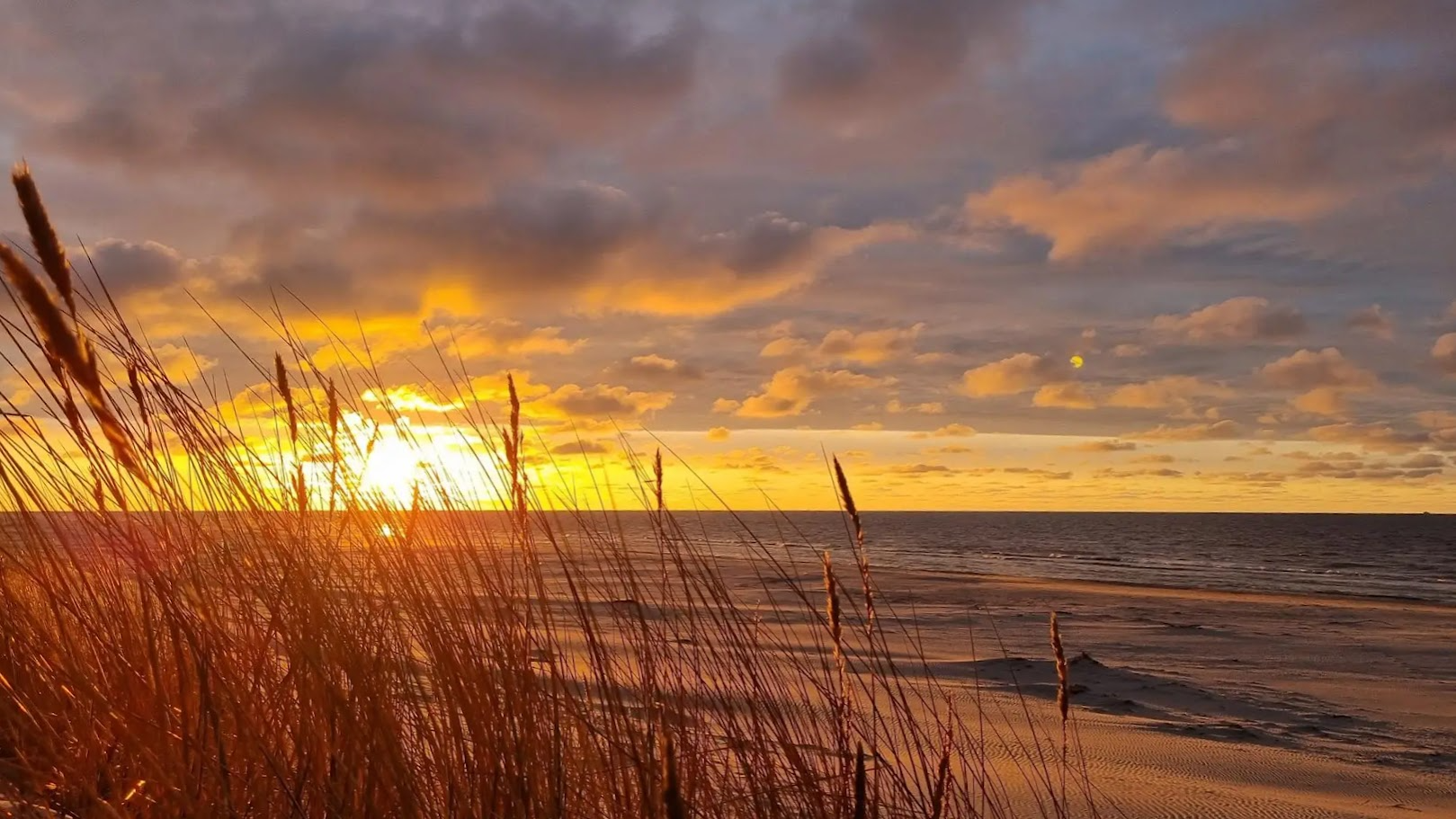
Seaside Trail – the beauty and majesty of the Baltic beaches
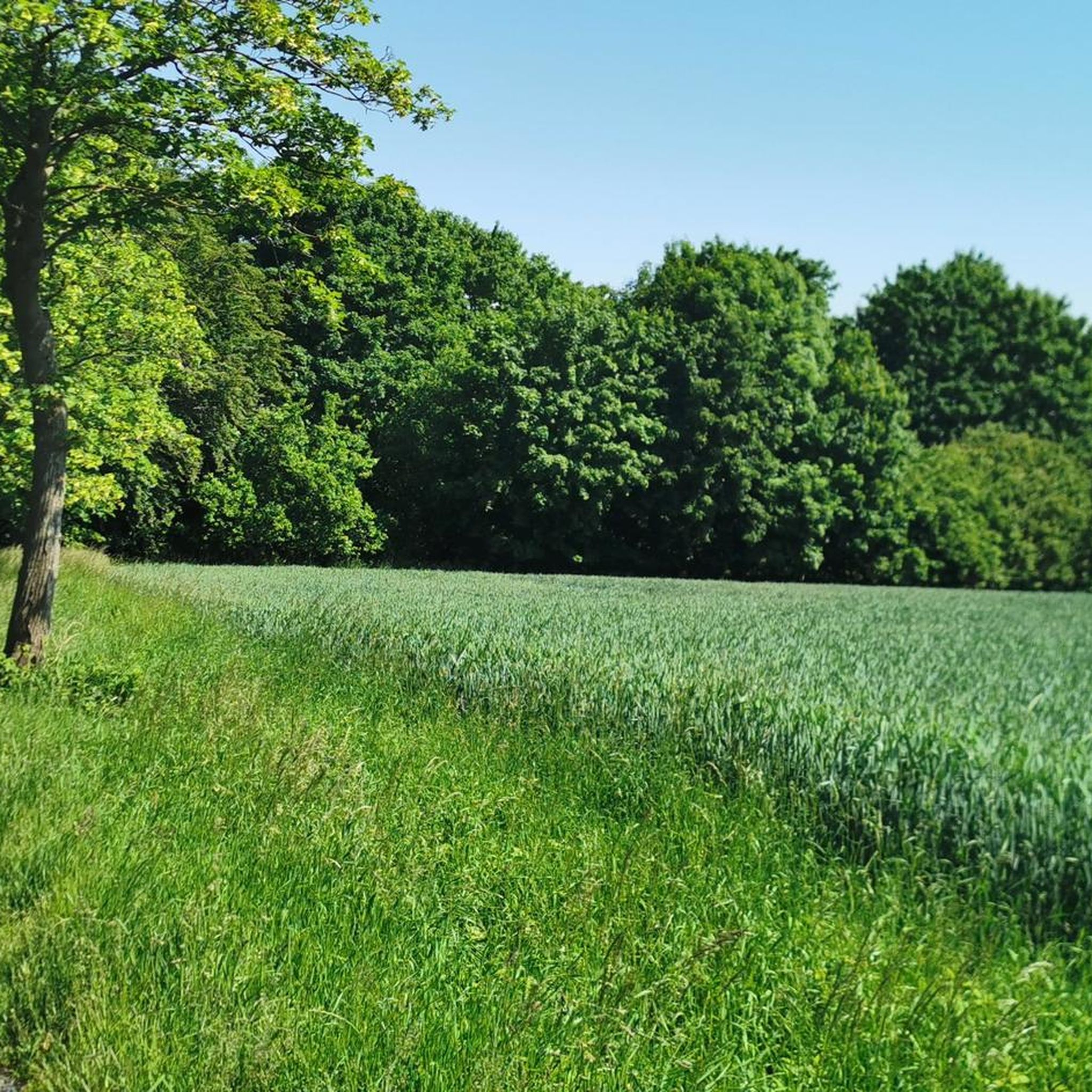
Cycling around gmina Ustronie Morskie
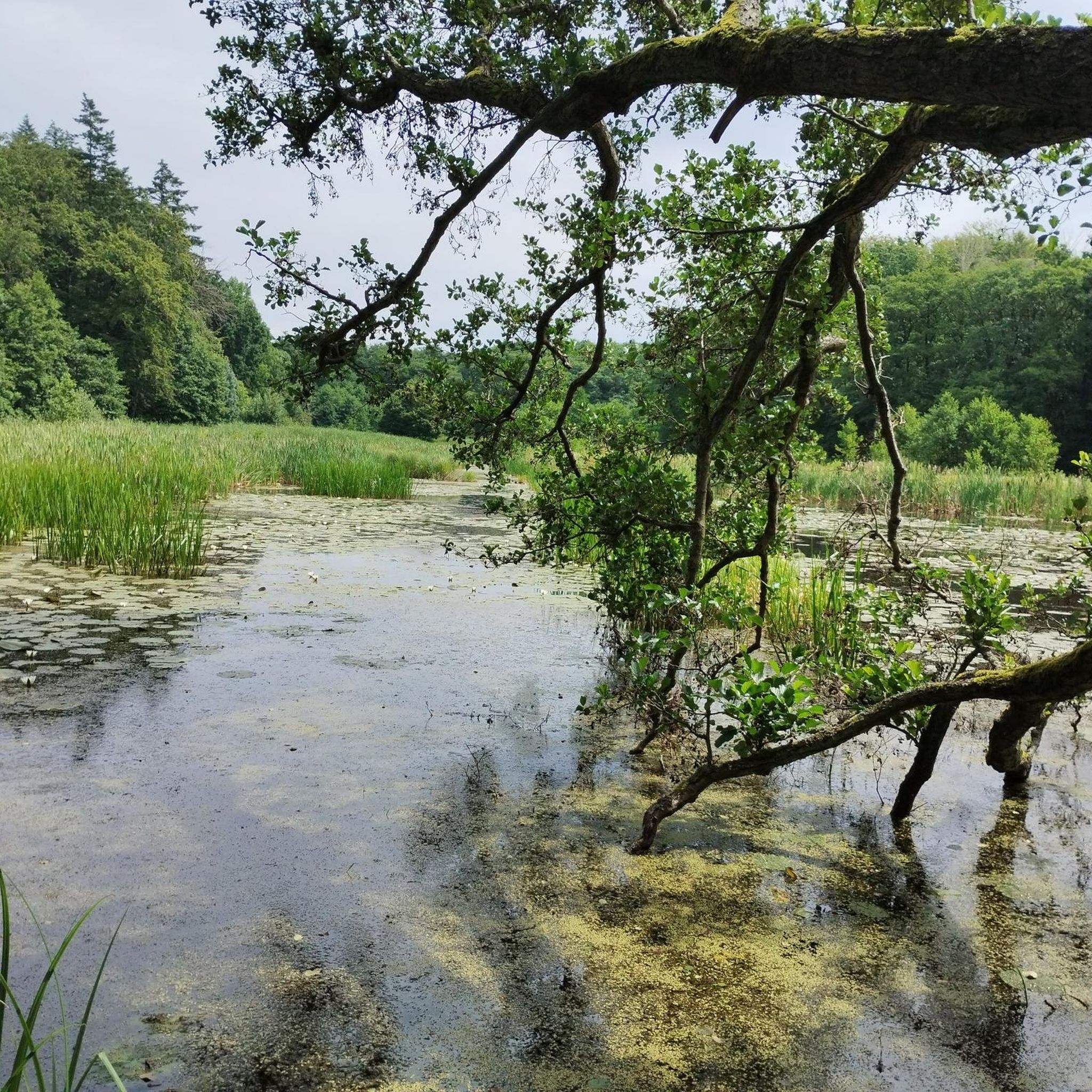
Hiking around gmina Ustronie Morskie
Running Trails around gmina Ustronie Morskie
Road Cycling Routes around gmina Ustronie Morskie
MTB Trails around gmina Ustronie Morskie

Gravel biking around gmina Ustronie Morskie
Other adventures around gmina Ustronie Morskie

Tips from the Community

Beautiful fountain, it's impressive.
0
0

The Wave Fountain in Stefana Żeromskiego Park is a small but very atmospheric work of art in the middle of the green coastal park of Kołobrzeg. Its curved shape is reminiscent of the movement of the Baltic Sea waves and blends harmoniously into the tranquil park landscape. The fountain is a pleasant intermediate stop for a breather, surrounded by old trees, walking paths, and benches that invite you to rest.
2
0

A beautiful spot worth visiting, where the Czerwona River flows into the Baltic Sea. A beautiful golden beach and a great place for a picnic.
1
0

Beautiful fountain and gathering place for pigeons.
1
0

A nice corner, recommended
1
0

Nice contribution to art
2
0

In the manor park (19th century) you can see eight monumental trees, including: linden trees, ash trees, and oaks. It is worth paying special attention to the maple-leaved plane tree named "Antoni", as it is one of the oldest representatives of this species in Poland. The park also partially preserves a building resembling the tower of a Teutonic castle with a moat surrounding it, as well as the outline of the palace foundations. You can easily find places to rest in the park.
0
0

approx. 640 year old oak tree in the forest
0
0
Frequently Asked Questions
What are the most significant natural monuments to visit in Gmina Ustronie Morskie?
The region is renowned for its ancient trees. Key natural monuments include the impressive Warcisław Pedunculate Oak, one of Poland's oldest oaks, and the historically significant Bolesław Oak (now represented by its clone). Additionally, two majestic common beeches in Sianożęty have recently been recognized for their exceptional size. The Red River Estuary is also a popular natural spot where the Czerwona River meets the Baltic Sea.
Are there any natural monuments with historical significance in the area?
Absolutely. The Warcisław Pedunculate Oak, estimated to be 640 to 900 years old, is named after Duke Warcisław III and is steeped in local legends about medieval gatherings. The Bolesław Oak, though toppled, was named in honor of King Bolesław Chrobry, and efforts are underway to plant its clone, continuing its legacy. The Antoni Plane Tree in Park Podworski, Rusowo, located within a 19th-century manor park, is also one of the oldest of its species in Poland.
What kind of outdoor activities can I do near these natural monuments?
Many natural monuments, especially the ancient oaks, are accessible via dedicated tourist routes. The 32 km Blue Tourist Trail, for instance, leads directly to the sites of the Bolesław and Warcisław oaks, making them ideal for hiking and cycling. You can find various routes for different sports in the area, such as easy hikes and gravel biking. For more detailed routes, explore guides like Easy hikes around gmina Ustronie Morskie or Gravel biking around gmina Ustronie Morskie.
Are the natural monuments in Gmina Ustronie Morskie family-friendly?
Yes, several natural monuments are suitable for families. The Warcisław Pedunculate Oak and the Red River Estuary are both categorized as family-friendly. The Blue Tourist Trail, which connects the ancient oaks, is well-marked and suitable for leisurely excursions with children. The Antoni Plane Tree in Park Podworski, Rusowo is also located in a park with places to rest, making it pleasant for families.
What is the best way to access the ancient oak natural monuments?
The ancient oaks, including the Warcisław Oak, are best accessed via the specially created 32 km Blue Tourist Trail. This route is well-marked and suitable for both hikers and cyclists, leading directly to the sites from Ustronie Morskie. For the Warcisław Pedunculate Oak specifically, access is good via fire roads, which are mainly made of concrete plates and easy to cover by most types of bikes.
What makes the ancient trees in this region ecologically important?
These ancient trees, such as the Warcisław Oak and the beeches, are vital ecological powerhouses. They act as 'biodiversity hotspots,' supporting more species than many other native trees. Their vast branches, hollow trunks, and decaying wood provide crucial habitats for thousands of species, including fungi, invertebrates (like rare beetles), and lichens. They play a fundamental role in nutrient recycling and support diverse life, including birds and mammals, making their preservation crucial for local biodiversity.
Can I bring my dog to the natural monuments and trails?
While specific regulations for each natural monument may vary, generally, outdoor trails and natural areas in Poland are dog-friendly, provided dogs are kept on a leash. The Blue Tourist Trail, which connects the ancient oaks, is a natural environment suitable for walks with leashed dogs. Always ensure to clean up after your pet.
What is the best season to visit the natural monuments in Gmina Ustronie Morskie?
The natural monuments, especially the ancient trees, offer beauty throughout the year. Spring brings fresh foliage and blooming undergrowth, while summer provides lush greenery and pleasant weather for outdoor activities. Autumn showcases vibrant colors, and even winter can offer a serene, unique experience, especially for hiking. The Blue Tourist Trail is accessible in most seasons, though conditions may vary.
Are there any unique geological features among the natural monuments?
While the primary natural monuments in Gmina Ustronie Morskie are arboreal, the region's landscape combines forest environments with the Baltic Sea coastline. The Red River Estuary, where the Czerwona River flows into the Baltic Sea, offers a dynamic natural feature with its golden beach and the interaction of river and sea waters.
How long should I plan for a visit to the natural monuments?
The duration of your visit depends on which monuments you wish to see and your chosen activity. A visit to a single ancient oak like the Warcisław Pedunculate Oak might take an hour or two, including travel time to the site. If you plan to explore the 32 km Blue Tourist Trail connecting the oaks by foot or bike, it could be a half-day or full-day excursion. Shorter walks are also possible, focusing on specific sections of the trail or individual sites.
What should I bring when visiting the natural monuments and trails?
When visiting the natural monuments and trails, it's advisable to wear comfortable walking shoes suitable for varied terrain. Depending on the season, bring appropriate clothing, including layers. Water, snacks, and a camera are recommended. If you plan to cycle the Blue Tourist Trail, ensure your bike is in good condition. For the Red River Estuary, beach essentials might be useful.
Are there any other notable natural monuments besides the oaks and beeches?
Beyond the ancient oaks and beeches, the Red River Estuary is a significant natural monument, offering a beautiful golden beach where the Czerwona River meets the Baltic Sea. It's a great spot for a picnic or a beach walk, showcasing a different aspect of the region's natural heritage.
Most popular routes around gmina Ustronie Morskie
Most popular attractions around gmina Ustronie Morskie

Get inspired with the komoot mobile app


Explore more
Extend your search for the best caves by checking out these guides of the top ones around gmina Ustronie Morskie:
