Top 6 Natural Monuments around gmina Kołobrzeg
Best natural monuments around gmina Kołobrzeg include coastal dunes, ancient trees, and protected wetlands. This region in Poland offers diverse natural landscapes, from the Baltic Sea coast to inland forests and peat bogs. It is home to 6 natural monuments, providing opportunities for outdoor exploration and appreciating unique ecosystems. The area features significant sites for flora and fauna conservation.
Best natural monuments around gmina Kołobrzeg
- The most popular natural monuments is Dźwirzyno Sand Dunes and Viewpoint, a viewpoint that…
Last updated: August 23, 2026
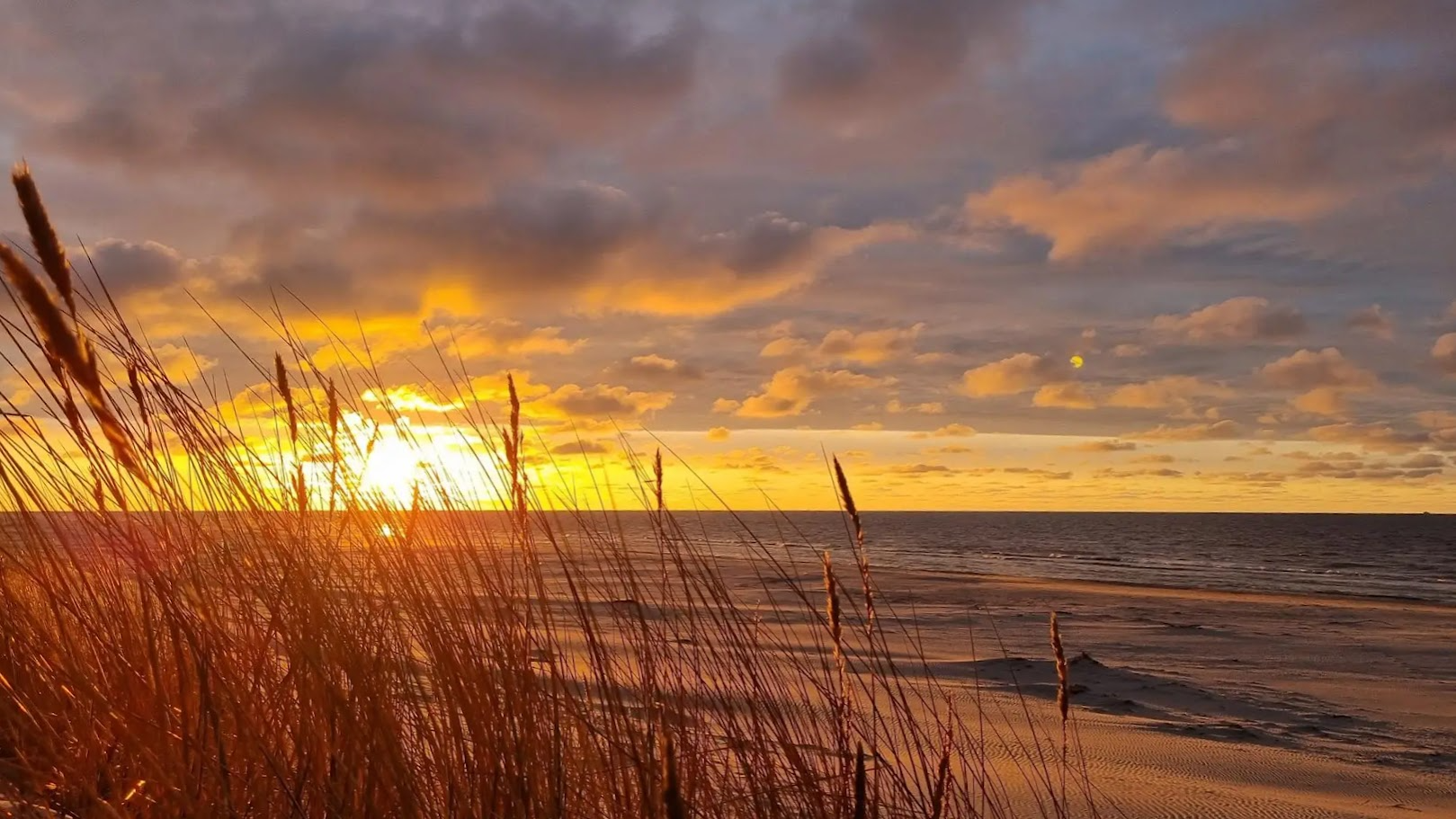
Dźwirzyno Sand Dunes and Viewpoint
Highlight • Viewpoint
Translated by Google •
Tip by

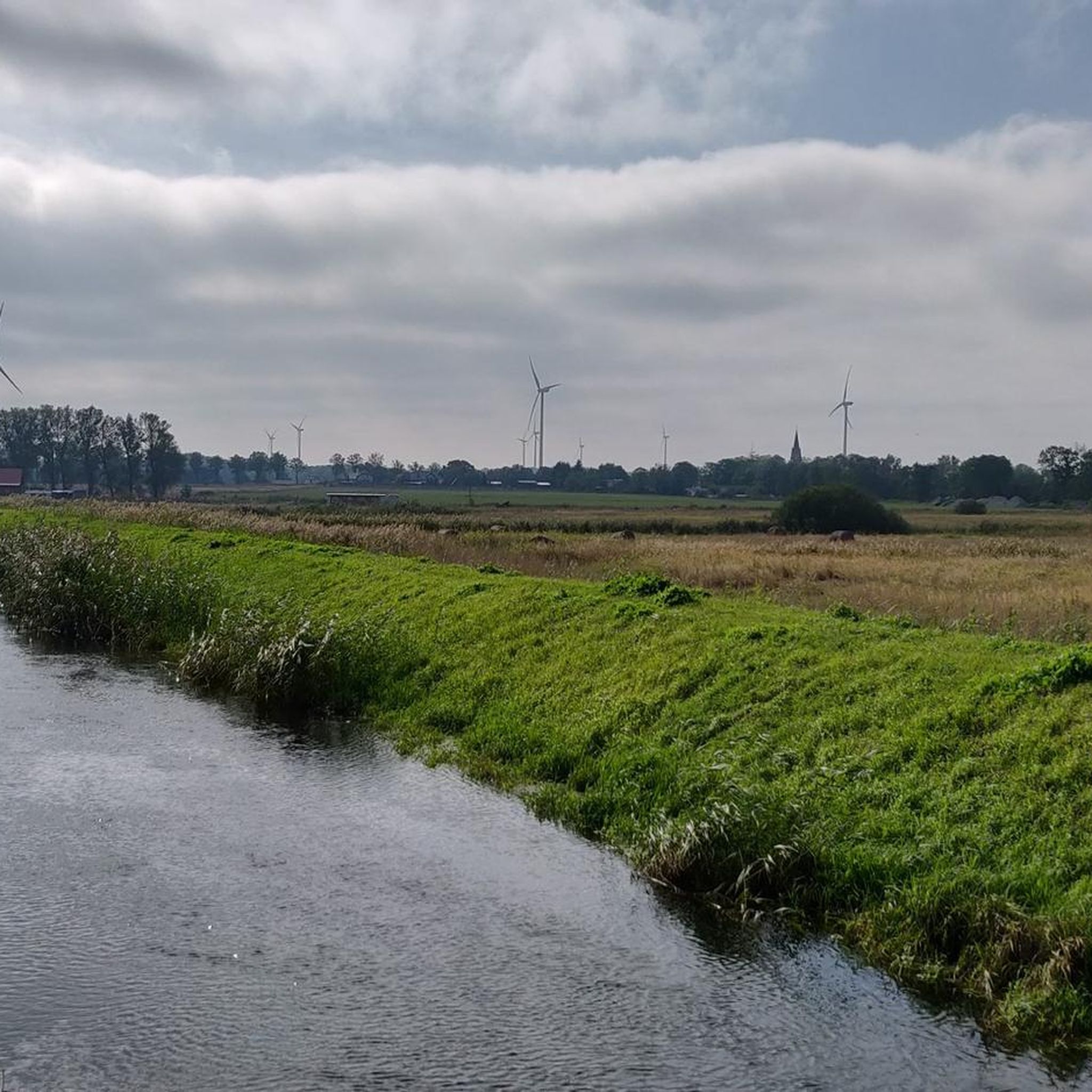
Warcisław Pedunculate Oak
Highlight • Natural Monument
Translated by Google •
Tip by

Sign up now to discover places like this
Get recommendations on the best single tracks, peaks, & plenty of other exciting outdoor places.
Sign up for free
Wave Fountain in Stefana Żeromskiego Park
Highlight • Monument
Translated by Google •
Tip by

Antoni Plane Tree in Park Podworski, Rusowo
Highlight • Natural Monument
Translated by Google •
Tip by

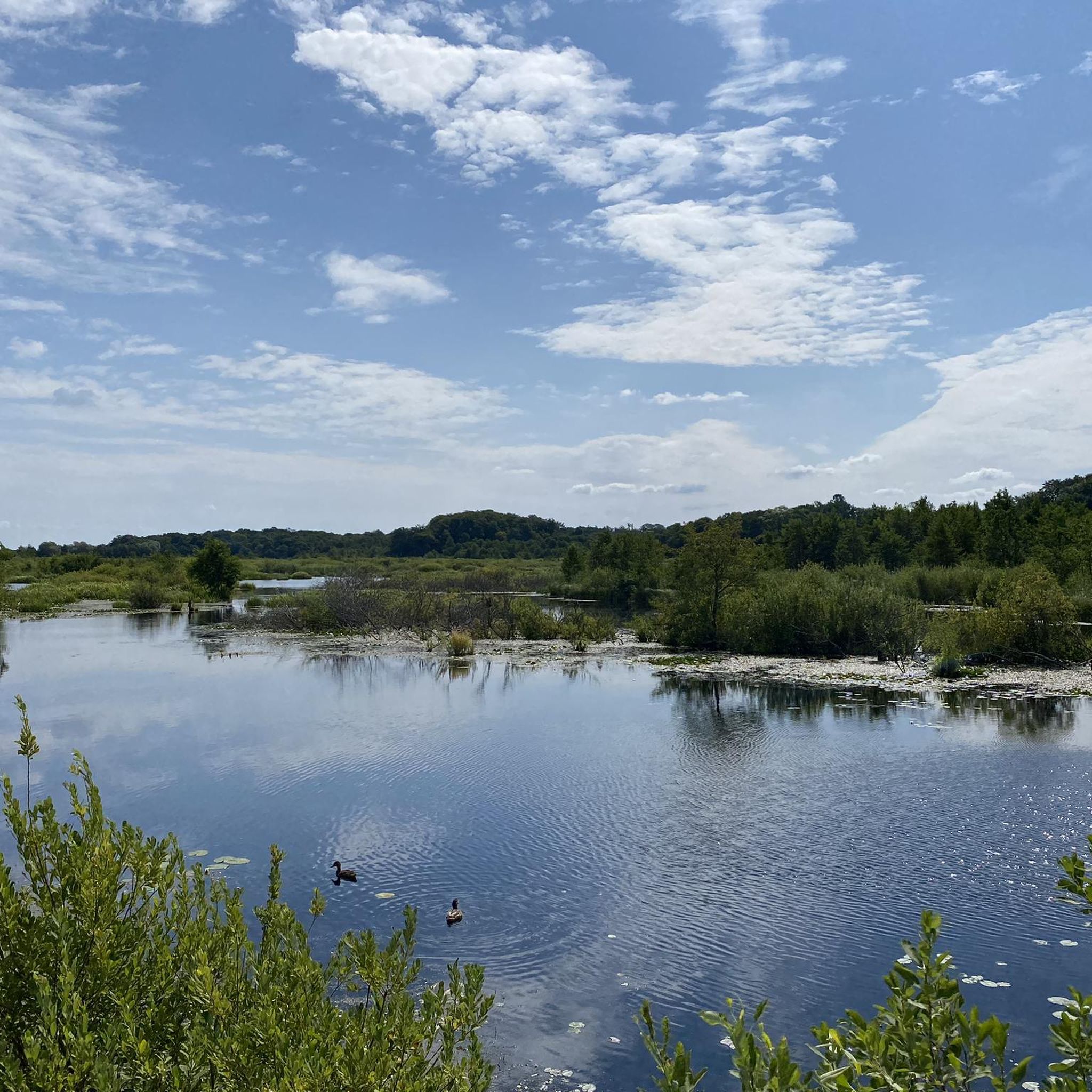
Low Bog
Highlight • Natural
Translated by Google •
Tip by

Sign up for free to discover even more natural monuments around gmina Kołobrzeg.
Sign up for free
Already have an account?
Start today with a free account
Your next adventure awaits.
Login or Signup
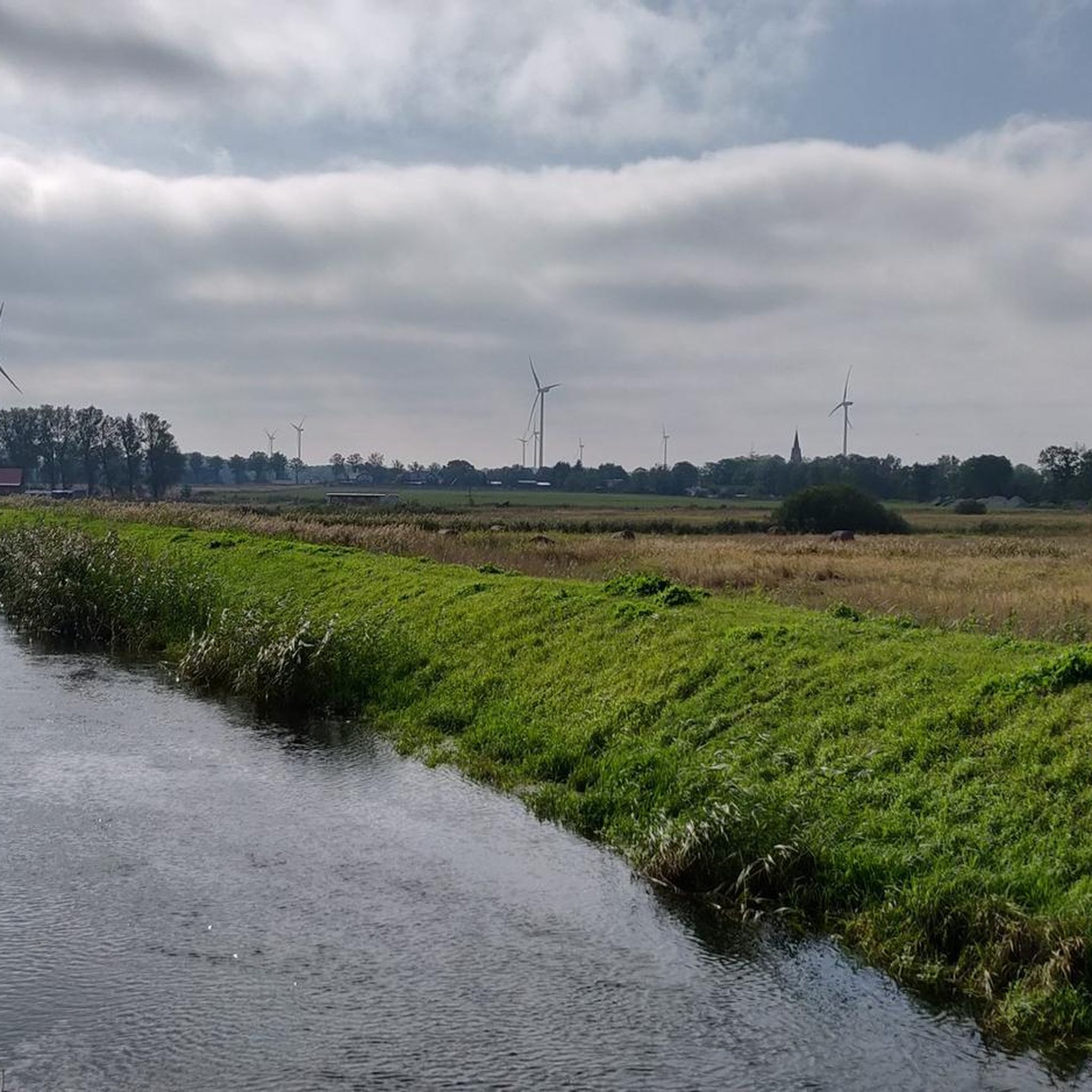
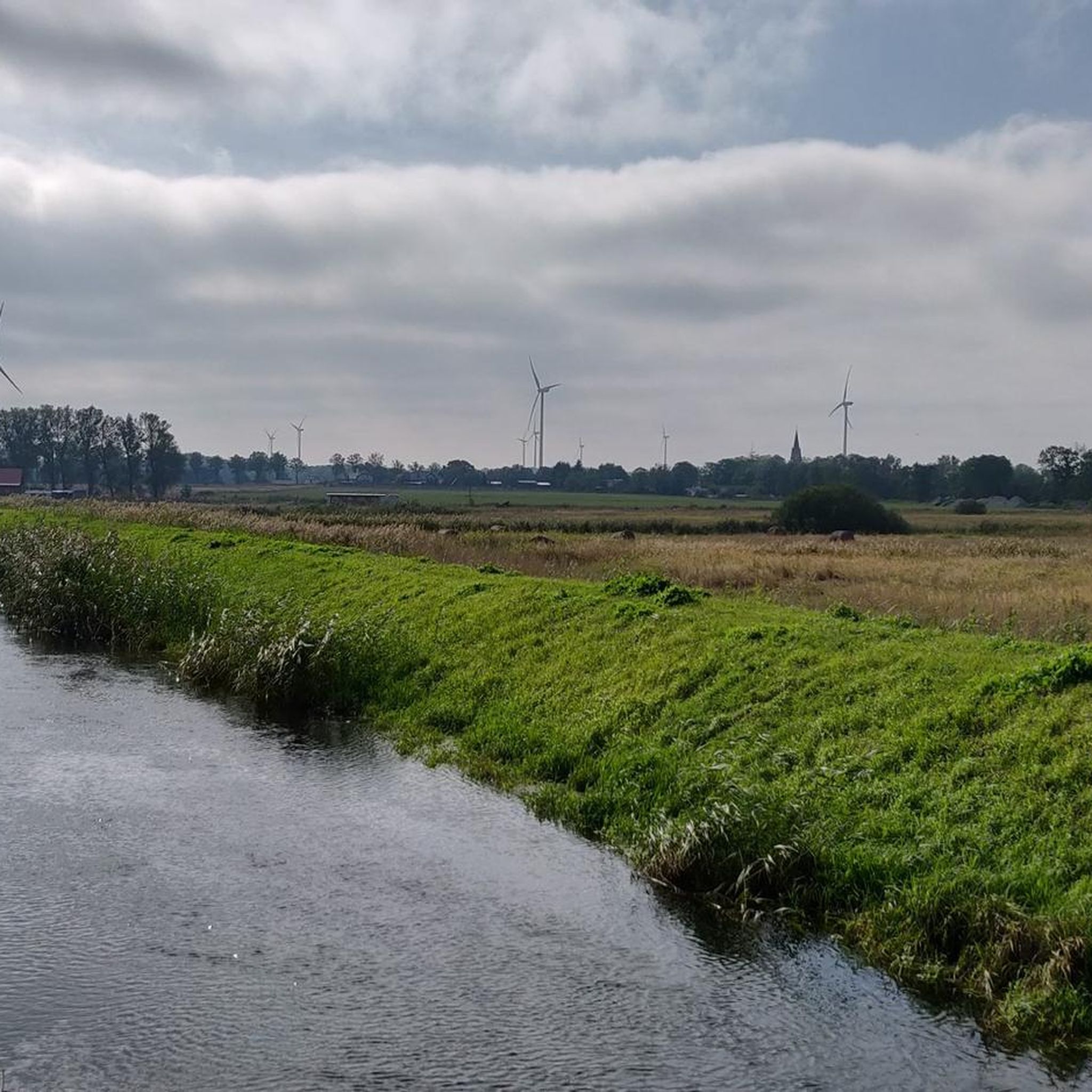

Other adventures around gmina Kołobrzeg

Tips from the Community


Beautiful fountain, it's impressive.
0
0

The Wave Fountain in Stefana Żeromskiego Park is a small but very atmospheric work of art in the middle of the green coastal park of Kołobrzeg. Its curved shape is reminiscent of the movement of the Baltic Sea waves and blends harmoniously into the tranquil park landscape. The fountain is a pleasant intermediate stop for a breather, surrounded by old trees, walking paths, and benches that invite you to rest.
2
0


An interesting area: a peat bog with a good information board about peat: how it is formed and about the flora in such areas.
1
0

Beautiful fountain and gathering place for pigeons.
1
0

A nice corner, recommended
1
0

A peat bog worth seeing with lush flora and fauna.
1
0
Frequently Asked Questions
What unique natural features can I expect to see among the natural monuments in gmina Kołobrzeg?
The region offers a diverse range of natural features. You can explore dynamic coastal landscapes like the Dźwirzyno Sand Dunes and Viewpoint, which includes a wandering dune. Inland, you'll find ancient trees such as the magnificent Warcisław Pedunculate Oak, one of Poland's oldest, and unique wetland ecosystems like the Low Bog with its distinct flora and fauna.
Are there hiking trails or walks available to explore these natural monuments?
Yes, there are various options for walks and hikes. For instance, a blue hiking trail leads directly to the ancient oaks "Bolesław" and "Warcisław" near Ustronie Morskie. The Dźwirzyno Sand Dunes are also part of a scenic coastal bike path, which is great for walking. For more general hiking options, you can find easy hikes around gmina Kołobrzeg that may pass by these natural areas.
What kind of outdoor activities can I do near these natural monuments?
Beyond exploring the monuments themselves, the region offers excellent opportunities for cycling and hiking. The coastal areas, including the Dźwirzyno Sand Dunes, are popular for cycling, with routes like the R10 cycle path. You can find various cycling routes and road cycling routes around gmina Kołobrzeg that pass through or near these natural attractions. There are also easy hikes available.
Are the natural monuments in gmina Kołobrzeg suitable for families with children?
Many of the natural monuments are family-friendly. For example, the Dźwirzyno Sand Dunes and Viewpoint offer a bike path that is described as a little adventure, especially for children. The Warcisław Pedunculate Oak and the Low Bog are also suitable for families, providing educational opportunities about nature. The Antoni Plane Tree in Park Podworski, Rusowo, located within a 19th-century manor park, offers places to rest and explore.
When is the best time of year to visit the natural monuments in gmina Kołobrzeg?
The natural monuments can be enjoyed throughout the year, but each season offers a different experience. Spring and summer are ideal for lush greenery, birdwatching in areas like Ekopark Wschodni and Pyszka Wetlands, and enjoying coastal activities. Autumn brings beautiful colors to the forests, especially around the ancient oaks. Even in winter, some areas like the Dźwirzyno Sand Dunes can offer a serene, stark beauty, though some paths might be wet or less accessible.
What is the terrain like around the natural monuments in gmina Kołobrzeg?
The terrain varies significantly. Coastal areas like the Dźwirzyno Sand Dunes feature sandy paths and coastal bike trails. Inland, around the ancient oaks, you might encounter forest paths, some of which can be overgrown or wet, though fire roads made of concrete plates offer easier access. Wetland areas like the Low Bog often have wooden paths or boardwalks to protect the delicate ecosystem and provide visitor access.
Are any of the natural monuments accessible for wheelchairs or strollers?
Some areas offer better accessibility. The Dźwirzyno Sand Dunes and Viewpoint is listed as wheelchair accessible, likely due to its well-maintained coastal bike path. The Wave Fountain in Stefana Żeromskiego Park is also noted as wheelchair accessible. For other natural areas, accessibility might be limited to main paths or designated viewing points, so it's advisable to check specific conditions if full accessibility is required.
Can I bring my dog to the natural monuments in gmina Kołobrzeg?
While specific rules for each monument can vary, generally, natural areas in Poland are often dog-friendly, especially on marked trails and paths, provided dogs are kept on a leash. It's always best to check local signage at each specific natural monument for any restrictions, particularly in protected areas like Ekopark Wschodni, to ensure the safety of wildlife and other visitors.
Are there any historical or cultural sites near the natural monuments?
Yes, the region has some historical connections. For example, the Antoni Plane Tree in Park Podworski, Rusowo is located within a 19th-century manor park, which partially preserves a building resembling a Teutonic castle tower and the outline of palace foundations. The ancient oaks "Bolesław" and "Warcisław" near Ustronie Morskie also carry centuries of history, with the Warcisław oak named in honor of a Duke of West Pomerania.
What do visitors enjoy most about the natural monuments in gmina Kołobrzeg?
Visitors frequently appreciate the scenic beauty and tranquility. The bike path through the Dźwirzyno Sand Dunes is often highlighted as one of the most beautiful sections of the R10 cycle route. The Warcisław Pedunculate Oak is admired for its impressive age and size, while the Low Bog is valued for its unique flora and fauna and informative displays. The overall appeal lies in the diverse natural landscapes and the opportunity for peaceful outdoor exploration.
Is parking available at the natural monuments?
Parking availability varies by location. For popular spots like the Dźwirzyno Sand Dunes, you can typically find parking in nearby Dźwirzyno. For more remote natural monuments, such as the ancient oaks, access might involve parking in a nearby village or designated forest parking areas, often requiring a short walk to the site. It's recommended to check specific locations for detailed parking information.
Can I reach these natural monuments by public transport?
Reaching some natural monuments by public transport is possible, especially those closer to towns like Kołobrzeg or Ustronie Morskie. Local bus services operate in the region, connecting various villages and towns. However, for more secluded sites like certain wetland areas or specific ancient trees deep within forests, public transport might only get you to a nearby point, requiring a walk or cycle for the final leg of the journey.
Most popular routes around gmina Kołobrzeg
Most popular attractions around gmina Kołobrzeg

Get inspired with the komoot mobile app


Explore more
Extend your search for the best caves by checking out these guides of the top ones around gmina Kołobrzeg:
