Top 18 Natural Monuments around Kroczyce
Best natural monuments around Kroczyce are found within the picturesque Kraków-Częstochowa Upland, a region characterized by its unique geological formations. The area features extensive limestone rocks and numerous cave systems, offering diverse natural landscapes. This makes Kroczyce a destination for exploring natural beauty and geological features.
Best natural monuments around Kroczyce
- The most popular natural monuments is Okiennik Wielki, a natural monument consisting of a group of limestone rocks. The most recognizable element is a rock with a "window"…
Last updated: June 29, 2026
Ogrodzieniec Castle
Highlight • Castle
Translated by Google •
Tip by

Okiennik Wielki
Highlight • Natural Monument
Translated by Google •
Tip by

Sign up now to discover places like this
Get recommendations on the best single tracks, peaks, & plenty of other exciting outdoor places.
Sign up for free
Mirów Castle
Highlight • Castle
Translated by Google •
Tip by

Sanctuary of Our Lady of Skałka
Highlight • Religious Site
Translated by Google •
Tip by

Zborów Mountain
Highlight • Summit
Translated by Google •
Tip by

Sign up for free to discover even more natural monuments around Kroczyce.
Sign up for free
Already have an account?
Start today with a free account
Your next adventure awaits.
Login or Signup

Tips from the Community

It's getting done, it will be done, it will be nice
0
0


Ogrodzieniec Castle in Podzamcze is the largest and one of the best-preserved strongholds on the Trail of the Eagles' Nests and the Trail of Jurassic Strongholds. The impressive ruins tower over the area and offer numerous viewing terraces and chambers, towers and courtyards open to the public. It is a popular tourist attraction with catering facilities and bicycle-friendly infrastructure. In the season, it is worth visiting the castle first thing in the morning or late in the afternoon to avoid the crowds. Access by bike is possible via the asphalt road from the Podzamcze side or via a more off-road option through the Towarne Mountains.
3
1
Ogrodzieniec Castle in Podzamcze is the largest and one of the best-preserved strongholds on the Trail of the Eagles' Nests. The impressive ruins tower over the area and offer numerous viewing terraces and chambers, towers and courtyards open to the public. It is a popular tourist attraction with catering facilities and bicycle-friendly infrastructure. During the season, it is worth visiting the castle first thing in the morning or late in the afternoon to avoid the crowds. Access by bike is possible via the asphalt road from the Podzamcze side or via a more off-road option through the Towarne Mountains.
4
0

The origins of defensive architecture in Podzamcze date back to the time of Bolesław III Wrymouth, when a defensive stronghold was built on the rocky hill of Birów Mountain, manned by a guard force to protect the border against incursions from Czech princes. Instead of this structure, destroyed during King Łokietek's struggle for the throne of Kraków, Casimir the Great built a Gothic castle on Janowski Hill in the mid-14th century. Władysław Jagiełło gifted it to Włodek of Charbinowice, of the Sulima coat of arms, in 1386. The stronghold changed hands several times, ending up in the hands of the Boner family in the first half of the 16th century, among the wealthiest and most influential in Poland at the time. At the initiative of Seweryn Boner, the castle was rebuilt between 1530 and 1545 into a magnificent Renaissance-style structure. The ambitious owners modeled their plans on Wawel Castle, ultimately furnishing one of the most magnificent residences in the Polish-Lithuanian Commonwealth with great splendor. After the Boner family's male line died out, the castle changed hands again many times. Unfortunately, the building also fell victim to invasions and disasters, which caused increasing damage. In 1587, Ogrodzieniec Castle was captured by the forces of Archduke Maximilian, a pretender to the Polish throne. In 1655, during the Deluge, Swedish troops stationed there caused a fire that destroyed a significant portion of the castle. In 1702, the building fell victim to another fire, also started by Swedish troops, this time stationed there during the Great Northern War. From then on, the castle declined, as the costs of reconstruction exceeded the capabilities of subsequent owners. In the early 19th century, the last residents abandoned the building, and its walls were dismantled and used as building materials. Since the early 20th century, a number of initiatives have been undertaken to preserve the picturesque ruins. They are now open to the public, and mass events are held there. The ruins have served as film locations several times, including for Andrzej Wajda's "The Knight," "Janosik," and "Revenge," as well as Netflix's "The Witcher."
6
3
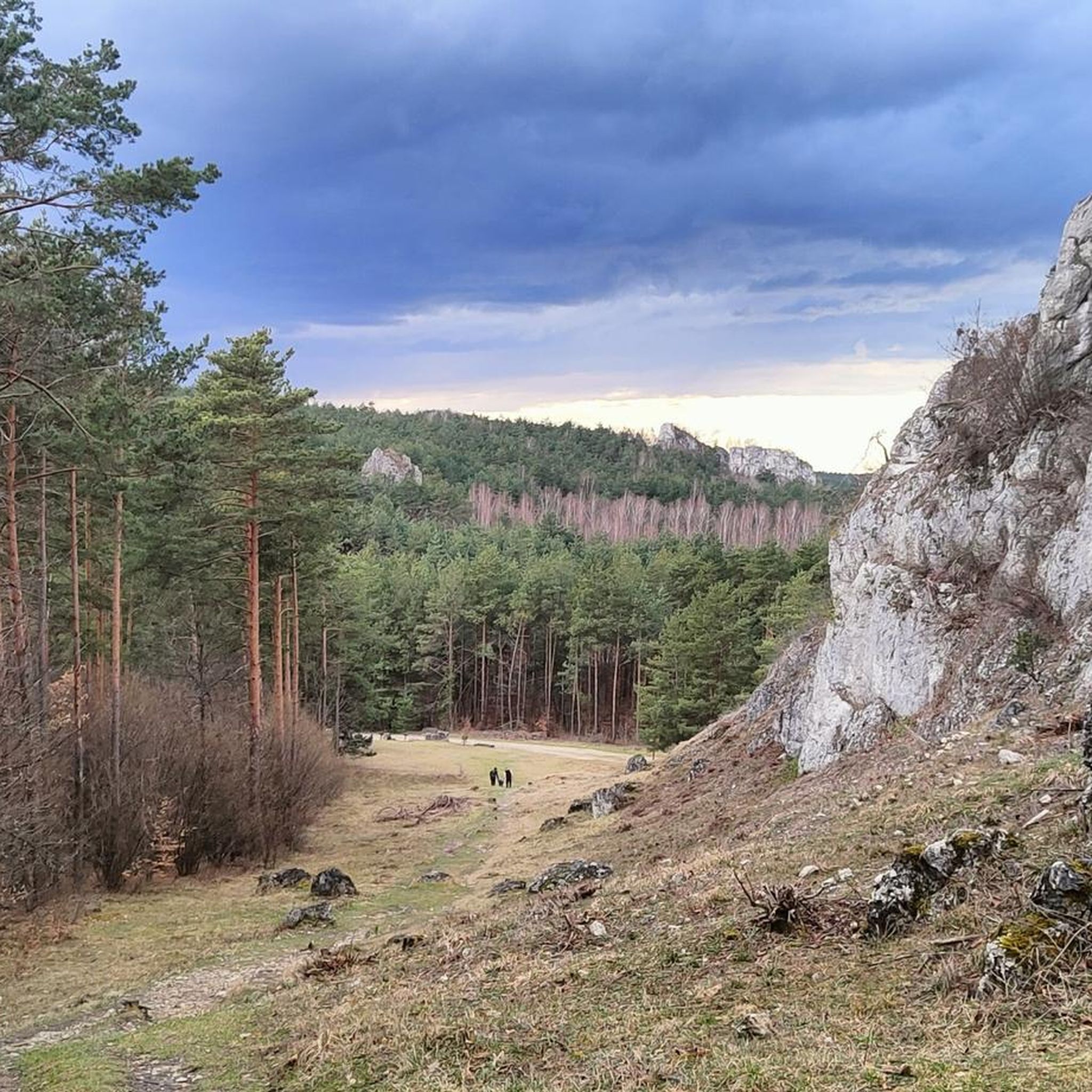
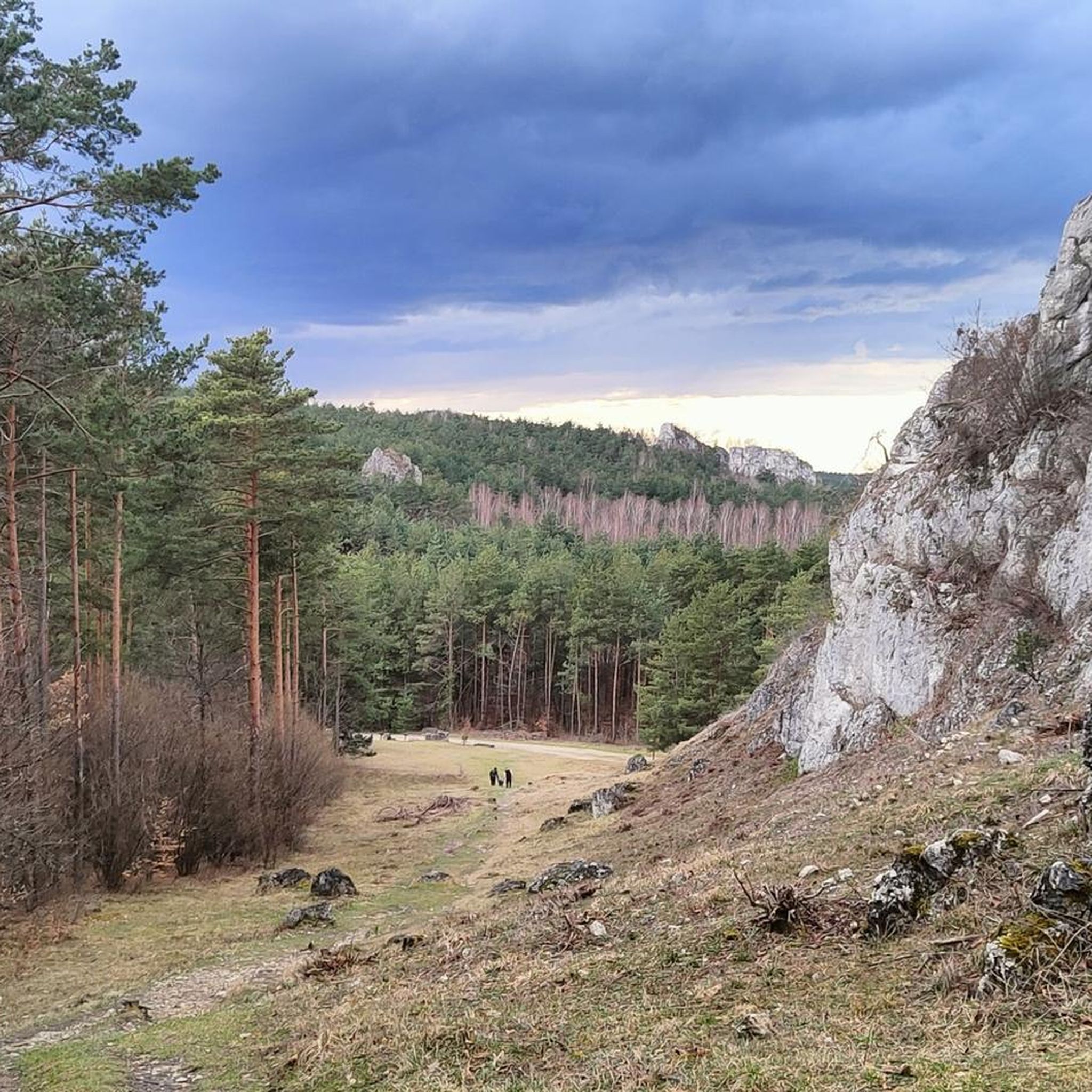
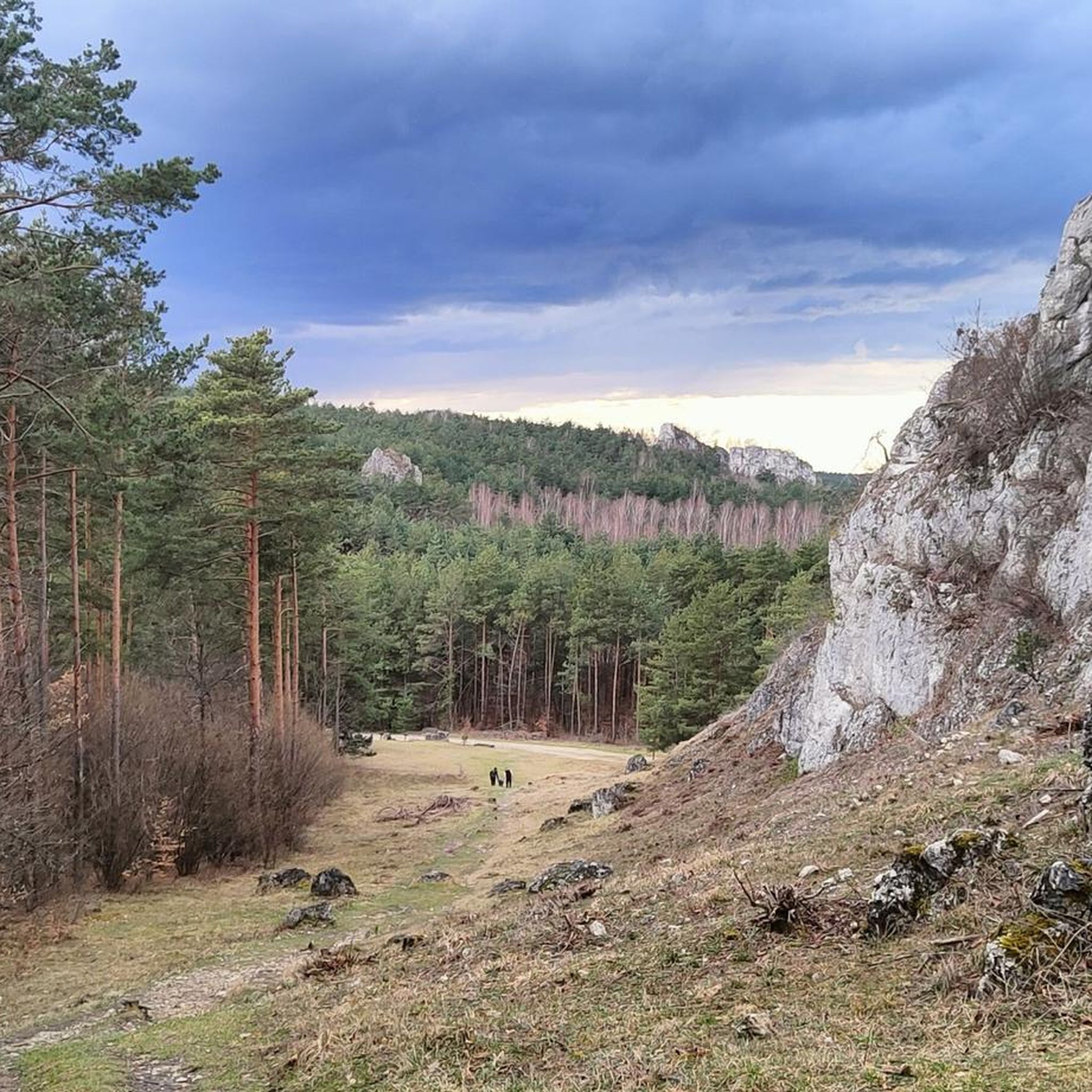
Góra Zborów is one of the most picturesque places in the Kraków-Częstochowa Upland. It is a limestone hill 462 m above sea level, known for its unusual rock formations that attract climbers and hiking enthusiasts. At the top there is a viewpoint from which there is a panorama of the surrounding forests and castles of the Trail of the Eagles' Nests. Nearby you can visit the Głęboka Cave, accessible with a guide. It is worth wearing comfortable shoes, because the terrain is rocky and steep in places.
1
0

Currently the area is fenced and ticketed. The castle is undergoing renovation work.
0
1

Frequently Asked Questions
What unique geological features can I explore around Kroczyce?
The Kroczyce region, part of the Kraków-Częstochowa Upland, is renowned for its distinctive limestone rock formations and extensive cave systems. You can explore areas like the Kroczyce Rocks and Podlesice Rocks, known for their unique shapes, or visit Zborów Mountain, which features picturesque rock formations and a nature reserve.
Are there any historical natural monuments in the Kroczyce area?
Yes, several natural monuments in the area have significant historical connections. For instance, Okiennik Wielki, famous for its large rock 'window,' was once the site of a 12th–13th century defensive wooden stronghold, and archaeological finds suggest prehistoric human habitation. Additionally, Mirów Castle, one of the oldest defensive structures in the Upland, is built directly into the rock formations.
What are the best natural monuments for families with children?
Families can enjoy several natural monuments. Ogrodzieniec Castle, while a castle, is considered a natural monument due to its integration with bizarre rock formations and offers an engaging historical experience. The Sanctuary of Our Lady of Skałka, a Marian sanctuary built around a rock chapel, is also noted as family-friendly.
Can I go caving or explore caves near Kroczyce?
The Kroczyce commune is home to at least eight caves, offering exciting opportunities for spelunking enthusiasts. Notable caves include Kroczyce Cave, Gleboka, Wielkanocna, Piaskowa, Wielka Studnia Szpatowcow, Sulmowa, Zabia, and Berkowa. Zborów Mountain also has many caves, including the nearby Głęboka Cave, which is accessible with a guide.
What kind of outdoor activities can I do near the natural monuments?
The region around Kroczyce is ideal for various outdoor activities. You can find numerous trails for hiking, cycling, and mountain biking. For specific routes, explore the guides for MTB Trails around Kroczyce, Gravel biking around Kroczyce, and Cycling around Kroczyce.
Are there any viewpoints offering panoramic scenery?
Yes, several natural monuments provide excellent viewpoints. Zborów Mountain features a viewpoint with a panorama of surrounding forests and castles. Both Okiennik Wielki and Mirów Castle also offer spectacular views from their elevated rock formations.
What is the best time of year to visit the natural monuments in Kroczyce?
The Kraków-Częstochowa Upland, including Kroczyce, is beautiful year-round. Spring and autumn offer pleasant temperatures for hiking and exploring the rock formations and caves, with vibrant foliage or blooming wildflowers. Summer is also popular for outdoor activities, while winter can transform the landscape into a picturesque, snow-covered scene, though some trails might be more challenging.
What is the Zborow Mountain Nature Reserve known for?
The Zborow Mountain Nature Reserve, located within the Kroczyce commune, is celebrated for being one of the most beautiful clusters of limestone rocks in the uplands, featuring fantastical shapes. It's a popular spot for hikers and climbers, offering unique geological formations and a rich natural environment.
Are there any natural monuments with historical or archaeological significance?
Absolutely. Okiennik Wielki is particularly significant, with archaeological findings of flint tools dating back approximately 60,000 years, indicating prehistoric human habitation in a natural cave below its famous 'window.' Kroczyce Cave, discovered in 1937, also yielded pottery fragments and relics suggesting it may have served as a cemetery during an ancient epidemic.
What is the Eagles' Nests Landscape Park, and how does it relate to Kroczyce?
Kroczyce is situated within the extensive Eagles' Nests Landscape Park, an area known for its highly protected natural environments. This park encompasses many of the region's natural monuments and historical castle ruins, making it a significant attraction for those seeking natural scenery and outdoor adventures.
What should I wear when visiting the natural monuments, especially in winter?
For general visits, comfortable walking shoes are essential, as the terrain can be rocky and steep in places, particularly around Zborów Mountain. In winter, dress in warm, layered clothing, including waterproof outer layers, and wear sturdy, insulated hiking boots to navigate potentially icy or snowy paths safely.
Are there any natural monuments that are particularly good for climbing?
The limestone rock formations around Kroczyce, especially at Zborów Mountain and the Kroczyce Rocks/Podlesice Rocks, are popular among climbers. These areas offer diverse routes and challenges for various skill levels, with their distinctive shapes and natural features.
Most popular routes around Kroczyce
Most popular attractions around Kroczyce

Get inspired with the komoot mobile app


Explore more
Extend your search for the best caves by checking out these guides of the top ones around Kroczyce:
