Top 6 Natural Monuments around Parchowo
Best natural monuments around Parchowo include a diverse landscape characterized by significant natural protected areas. The region features unique ecological formations such as Baltic-type domed high peat bogs, dystrophic lakes, and pristine lobelia lakes. These areas offer opportunities to experience well-preserved natural landscapes and observe protected species. Parchowo and its surrounding Gmina are home to 6 natural monuments.
Best natural monuments around Parchowo
- The most popular natural monuments is Stone Circles and Burial Mounds of Węsiory, a historical site…
Last updated: June 29, 2026
Stone Circles and Burial Mounds of Węsiory
Highlight • Historical Site
Archaeologists have also found burials of major members of the Gothic tribes here.
Translated by Google •
Tip by

Arboretum in Sławno
Highlight • Forest
Translated by Google •
Tip by

Sign up now to discover places like this
Get recommendations on the best single tracks, peaks, & plenty of other exciting outdoor places.
Sign up for free
Modre Lobelia Lake
Highlight • Lake
Translated by Google •
Tip by

Wda River
Highlight • River
Translated by Google •
Tip by

Devil's Stone
Highlight • Natural Monument
Translated by Google •
Tip by

Start today with a free account
Your next adventure awaits.
Login or Signup
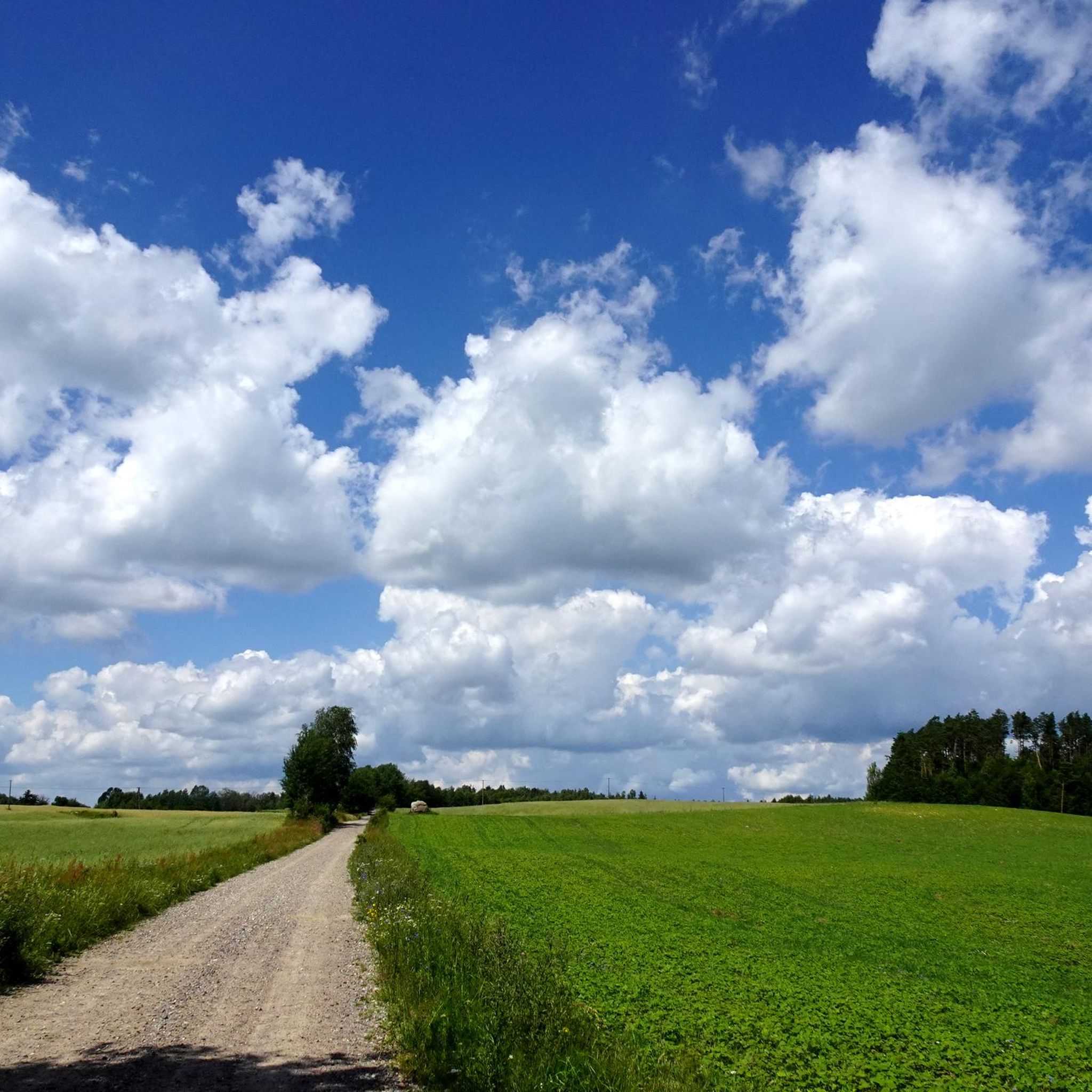
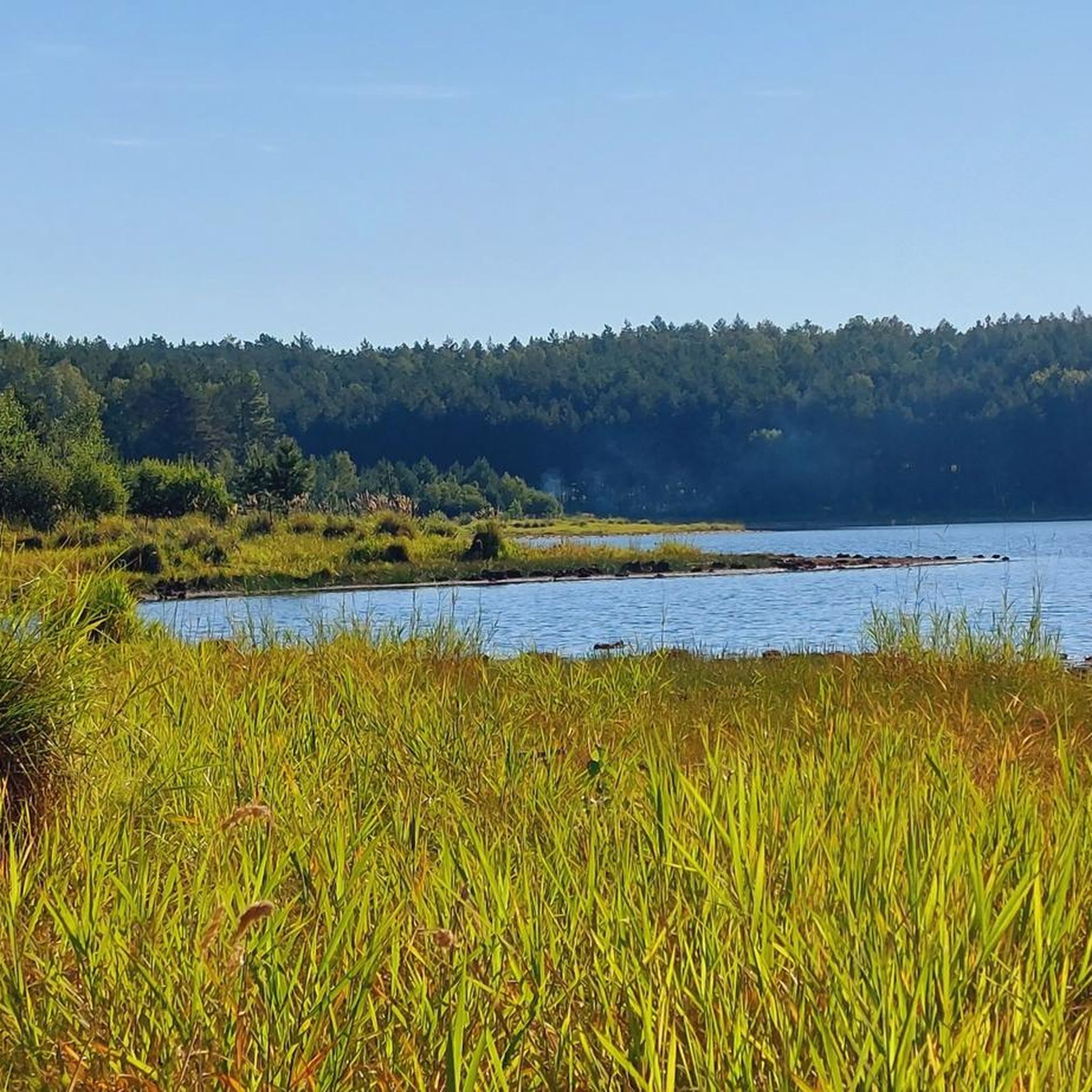
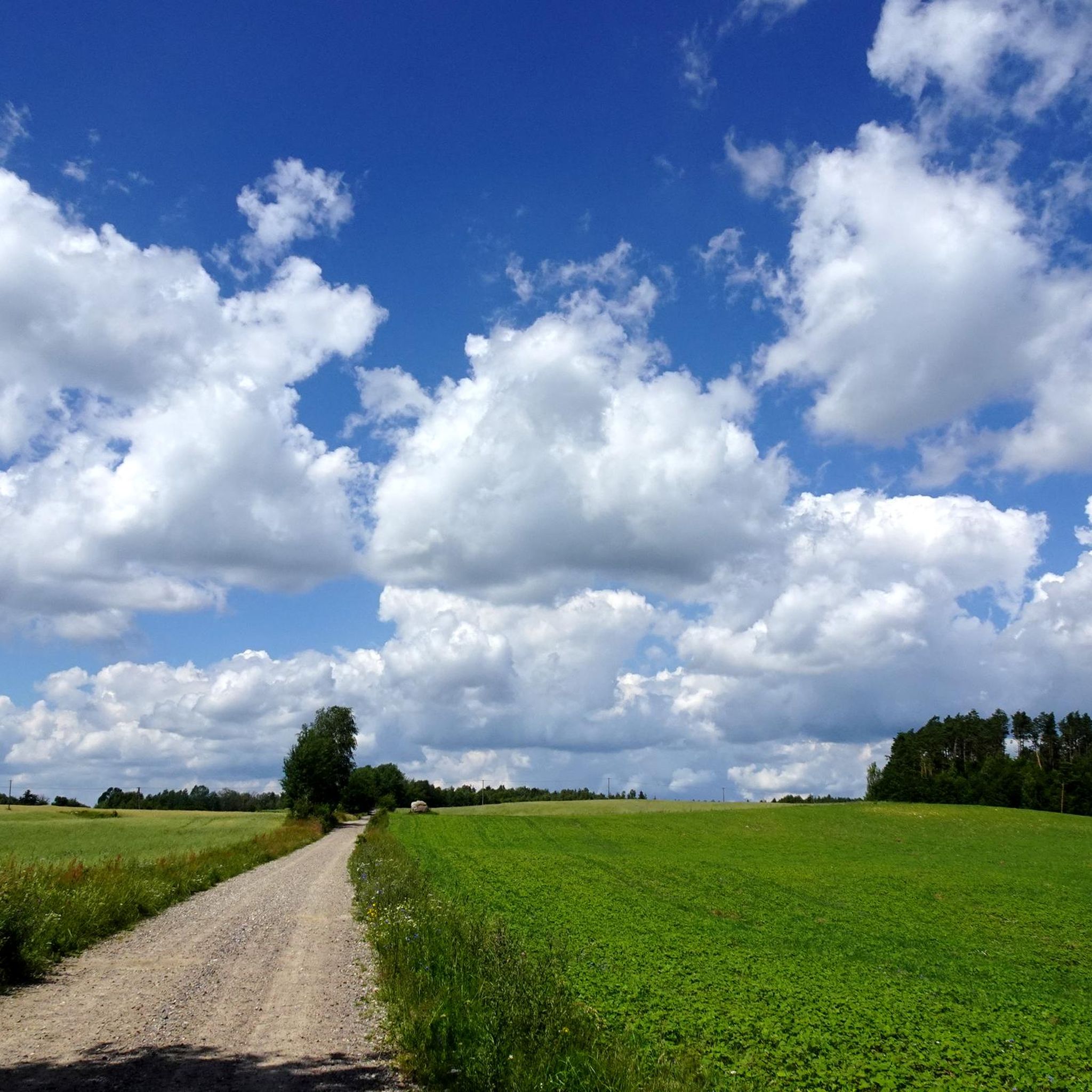

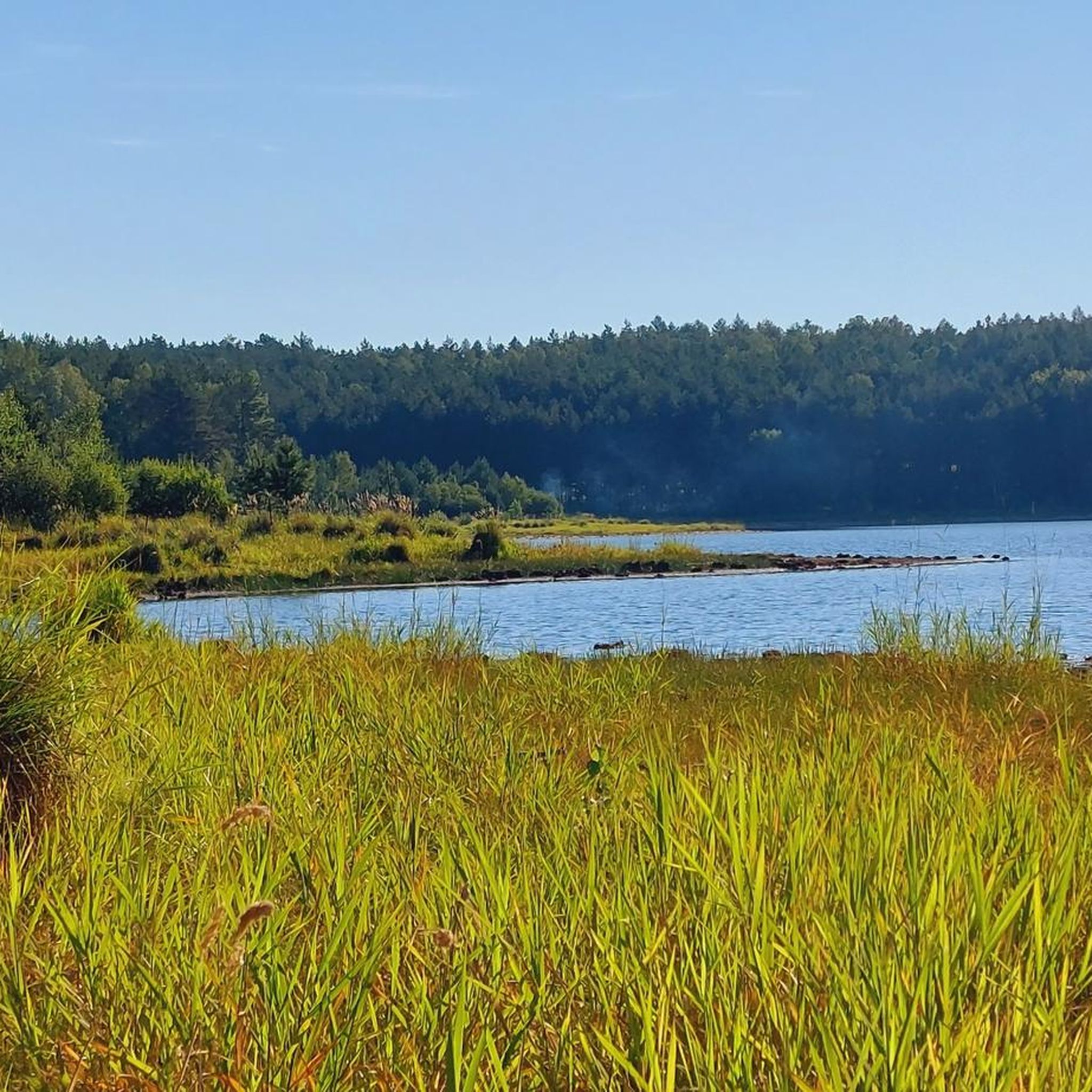
Tips from the Community

And again the devil lost a stone... this time in Owśnica! This time, according to legend, the devil was flying to destroy a nearby church. He was flying with the stone, but lightning struck it. He released the stone, but as he tried to grab it again, he was frightened by the sunlight and hid in a boulder. Then a local priest drove an iron cross into the hole in the stone, and the devil remained there until 2025! This stone is one of the largest erratic boulders in Kashubia, with a circumference of 13.2 meters, a width of 4.7 meters, and a height of over 2.2 meters.
1
0

In a valley with high and steep banks, flows the Wda River, used for tourism. It flows out of Lake Krężno near Bytów at an altitude of 160 m above sea level. The section from Lake Wdzydze to the Żurskie Reservoir (the mouth of the Prusina River) constitutes the middle course of the river. It is characterized by a large drop (approx. 0.72 ‰), numerous meanders and narrowings. Along its entire course, the Wda receives numerous tributaries. The most important of them are the Ryszka (catchment area: 103.5 km2), Sobińska Struga (103.3 km2) and Prusina (101.2 km2). Below the Wda's outflow from Lake Wdzydze, there is a lock that dams and regulates the waters of the river below the lake. The river below the above-mentioned lake is canalized, constituting the so-called Wda Channel, and its waters are used to irrigate the Czerskie Meadows with an area of 103.5 km2. 500 ha and supplying fish ponds in Uręża (Szczęsny 1992). The middle section of the Wda flows through the forested areas of the Park with large fragments of natural deciduous forests. The Wda here meanders strongly and its valley is cut 10-15 m into the surface of the sandur. The most scenic section of the Wda is located between the mouth of the Brzezianka and the town of Tleń, where the river swiftly makes its way through the forests in a narrow and winding, gorge-like bed. At a distance of about 5 km below the mouth of the Brzezianka, it forms a loop, called the “Krzywe Koło” forest area. The landscape values of this area, enhanced by magnificent fragments of natural deciduous forests, are among the most beautiful in the Tuchola Forest. https://www.csw.pl/aktualnosci/dla-turysty/przyroda/2018/08/31/rzeka-wda/
2
0

Beautiful nature trail to the lake. Next to it is a parking lot where you can rest and leave your bikes. In the forest there are blueberry fields.
3
0

Ancient stone circles from 4000 B.C. A mysterious and mystical place. Surrounded by the care of local associations.
1
0

In a small section of forest, south of the village of Węsiory, there are several stone circles and burial mounds, which even have some megaliths placed there. Experts disagree as to whether this mystical place is the work of the Goths from the 1st to 3rd centuries or whether the tombs and stone circles were built 4,000 to 8,000 years ago.
1
0

Stone circles in Węsiory were probably built many thousands of years BC. This is indicated by lichens on stones. Archaeologists have also found burials of major members of the Gothic tribes here.
1
0

Fenced area with designated passage routes, on which there are educational boards, and in the vicinity of many described species and varieties of plants. 47 species of deciduous trees and shrubs (275 total) and 58 species of coniferous trees and shrubs (579 total). They are mostly native species and introduced as several varieties of thuja, junipers, maples, firs, etc. There is a picnic shelter in the area.
1
0
Frequently Asked Questions
What unique natural features can I explore around Parchowo?
The Parchowo region is known for its diverse natural features, including Baltic-type domed high peat bogs, dystrophic lakes, and pristine lobelia lakes. You can also find significant erratic boulders like the Devil's Stone, which is one of the largest in Kashubia, and the scenic Wda River, which meanders through forested areas.
Are there any family-friendly natural monuments in the Parchowo area?
Yes, several natural monuments are suitable for families. The Arboretum in Sławno offers designated passage routes with educational boards and a picnic shelter, making it great for a leisurely family outing. Modre Lobelia Lake also features a beautiful nature trail and parking, ideal for families to enjoy the pristine waters and surrounding blueberry fields.
What historical natural monuments can be found near Parchowo?
The most prominent historical natural monument is the Stone Circles and Burial Mounds of Węsiory. This mystical site features ancient stone circles and burial mounds, with some structures potentially dating back thousands of years BC. It's a place rich in local legend and historical significance, believed by some to be connected to Gothic tribes.
What kind of plant life can I expect to see at the natural monuments?
The region boasts rich biodiversity. At the Arboretum in Sławno, you can observe 47 species of deciduous trees and shrubs and 58 species of coniferous trees and shrubs. The Jeziora Jelenie Nature Reserve, protecting lobelia lakes, is home to rare and strictly protected aquatic flora such as lake lobelia (Lobelia dortmanna), quillwort (Isoetes lacustris), and shore-weed (Littorella uniflora).
Are there opportunities for birdwatching in the natural reserves?
Yes, the Jeziorka Chośnickie Nature Reserve is a designated Natura 2000 site and a significant biodiversity hotspot. It's an attractive destination for birdwatchers, with numerous bird species including cranes, nutcrackers, black woodpeckers, and eagle owls.
What outdoor activities are available near the natural monuments around Parchowo?
You can find various outdoor activities. For hiking, explore easy routes like the Guścierz Mały loop or the Jezioro Gowidlińskie loop. If you prefer cycling, there are moderate road cycling routes such as the Kaszuby River loop. Running enthusiasts can find trails around Lake Mausz. You can find more details on these activities in the easy hikes, road cycling routes, and running trails guides for Parchowo.
What makes the lobelia lakes in the Parchowo region special?
Lobelia lakes, such as Modre Lobelia Lake and those within the Jeziora Jelenie Nature Reserve, are rare and characterized by exceptionally clean waters. This purity supports specific, sensitive plant species like lake lobelia, quillwort, and shore-weed, which are strictly protected relic species, making these lakes crucial for biodiversity conservation.
Can I learn about the ecology of the natural reserves?
Yes, the Jeziorka Chośnickie Nature Reserve offers educational opportunities. A short educational path has been established within the reserve, allowing visitors to explore its unique features and learn about its ecological significance, particularly regarding its Baltic-type domed high peat bog and dystrophic lakes.
What do visitors enjoy most about the natural monuments around Parchowo?
Visitors appreciate the diverse and well-preserved natural landscapes. Highlights like the Stone Circles and Burial Mounds of Węsiory are valued for their mystical atmosphere and historical depth. The Arboretum in Sławno is enjoyed for its educational value and variety of plant species, while Modre Lobelia Lake is loved for its beautiful nature trail and pristine environment.
Is the Wda River suitable for tourism or recreation?
Yes, the Wda River is actively used for tourism. It flows through a valley with high and steep banks, offering scenic views. The middle section, particularly between the mouth of the Brzezianka and Tleń, is considered very picturesque, with the river meandering swiftly through forests in a narrow, gorge-like bed.
What is the significance of the Jeziorka Chośnickie Nature Reserve?
Established in 1985, the Jeziorka Chośnickie Nature Reserve is significant for its unique ecosystems, including a Baltic-type domed high peat bog and seven dystrophic lakes. It's a Natura 2000 site, crucial for numerous bird species, and offers an educational path to explore its ecological importance.
What is the Jeziora Jelenie Nature Reserve protecting?
The Jeziora Jelenie Nature Reserve, established to protect two mid-forest lobelia lakes (Jelenie Duże and Jelenie Małe), safeguards rare aquatic ecosystems. These lakes are known for their exceptionally clean waters and support valuable, strictly protected plant populations like lake lobelia, quillwort, and shore-weed.
Most popular routes around Parchowo
Most popular attractions around Parchowo

Get inspired with the komoot mobile app


Explore more
Extend your search for the best caves by checking out these guides of the top ones around Parchowo:
