Top 10 Natural Monuments around Domaradz
Best natural monuments around Domaradz are found within Poland's Subcarpathian Voivodeship, showcasing a diverse natural landscape. The region features ancient trees, significant rock formations, and protected forest areas, reflecting its rich ecological heritage. These natural landmarks provide opportunities for exploration and appreciation of the local environment. The area's natural features contribute to its appeal for outdoor activities.
Best natural monuments around Domaradz
- The most popular natural monument is Prządki Nature Reserve, a natural monument established to preserve a group…
Last updated: June 29, 2026
Prządki Nature Reserve
Highlight • Natural Monument
Translated by Google •
Tip by

Mójka Nature Reserve
Highlight • Forest
Two nature trails run through the reserve: one …
Translated by Google •
Tip by
Sign up now to discover places like this
Get recommendations on the best single tracks, peaks, & plenty of other exciting outdoor places.
Sign up for free
Lourdes Grotto in Czarnorzecko-Strzyżowski Landscape Park
Highlight • Religious Site
Translated by Google •
Tip by

Royal Mountain
Highlight • Summit
Translated by Google •
Tip by
Three Waters Waterfall in Kombornia
Highlight • Waterfall
Translated by Google •
Tip by
Sign up for free to discover even more natural monuments around Domaradz.
Sign up for free
Already have an account?
Start today with a free account
Your next adventure awaits.
Login or Signup
Tips from the Community

More information and photos: https://goryaktywnie.pl/rezerwat-przadki https://rzeszowpodkarpackie.com/rezerwat-przadki/ https://czarnorzeki.pl/rezerwat-przadki/ https://podkarpackie.travel/produkt/rezerwat-przadki
0
0

The Mojeka nature reserve was established in 196 to protect the beech and fir forest and the beaver living in wetland communities. Two nature trails run through the reserve: one loop - the Beaver Trail and two loops - the Deer Trail.
1
0
The Mojeka nature reserve was established in 196 to protect the beech and fir forest and the beaver living in wetland communities. Two nature trails run through the reserve: one loop - the Beaver Trail and two loops - the Deer Trail.
2
0
The Trzy Wody Waterfall in Kombornia is the largest waterfall in the Czarnorzecko-Strzyżowski Landscape Park. It is made of large sandstone blocks and is approximately 5 m high.
2
0
Królewska Góra (554 m above sea level) is a peak covered with beech forest in the Dynowskie Foothills near Czarnorzki. It is located in the Czarnorzecko-Strzyżowski Landscape Park.
3
0
Prządki nature reserve named after prof. Henryk Świdziński is an inanimate nature reserve established in 1957 in order to preserve a group of sand rocks distinguished by characteristic forms created as a result of aeolian (i.e. wind) erosion. The name of the reserve comes from a legend that says that the rocks are girls who spun flax on holiday days and were punished for it.
2
0

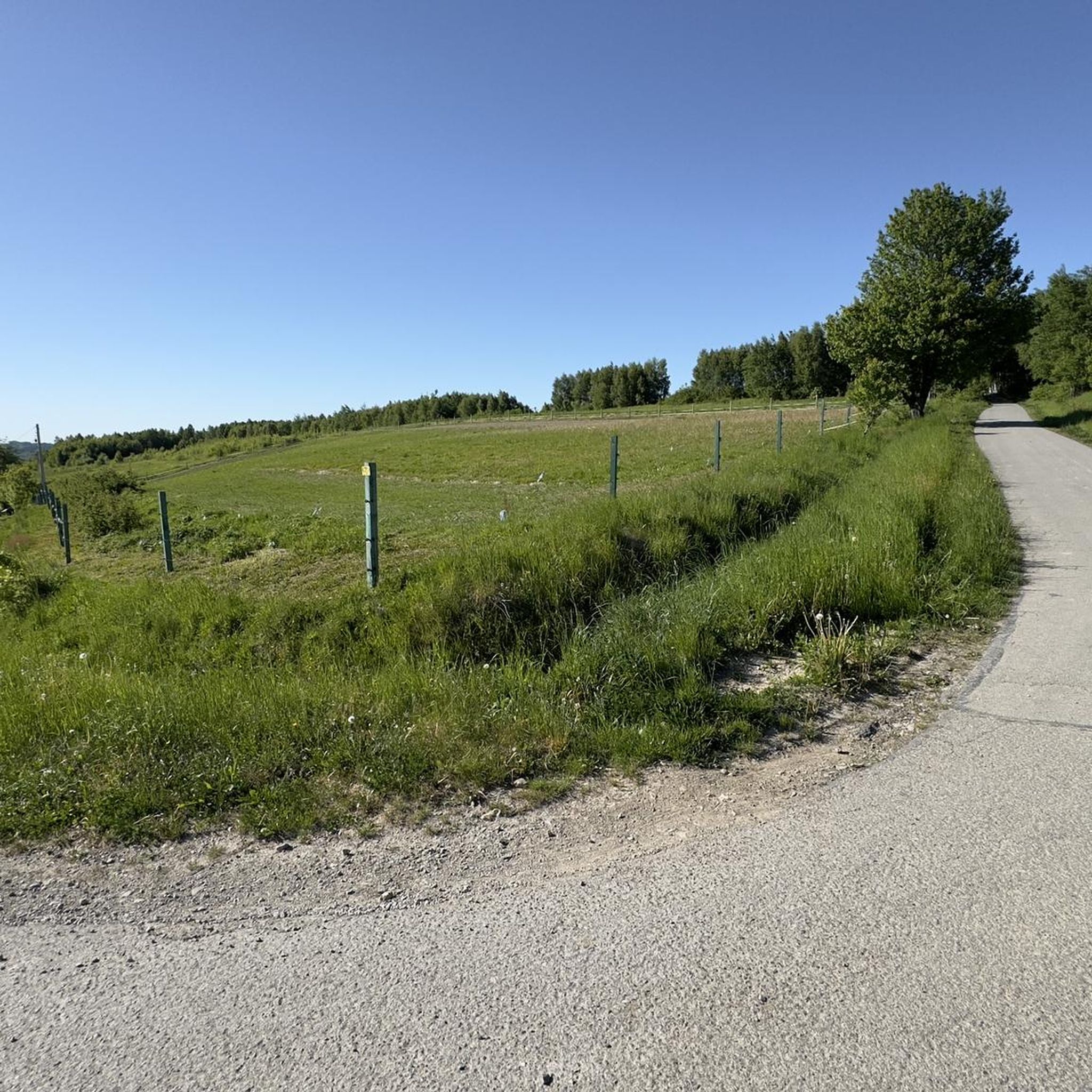
A dangerous place due to the combination of pedestrian, bicycle and car traffic on the narrow road that curves over the hill. Be very careful, especially in the presence of children. Moreover, groups of pilgrims come to the grotto from time to time, because of the lack of a pavement, moving along the road.
0
0

Frequently Asked Questions
What types of natural monuments can I find around Domaradz?
The Domaradz area is rich in diverse natural monuments, primarily featuring ancient trees, unique rock formations, and protected forest areas. You can explore sites like the Prządki Nature Reserve with its distinctive sand rocks, the Mójka Nature Reserve protecting beech and fir forests, and ancient oak and lime trees in Domaradz and Golcowa.
Are there any unique geological features to explore?
Yes, the Prządki Nature Reserve is a prime example. It was established to preserve a group of sand rocks with characteristic forms created by wind erosion. These formations are quite unique and are steeped in local legend.
Which natural monuments are suitable for families?
Several natural monuments are family-friendly. Both the Prządki Nature Reserve and the Mójka Nature Reserve are categorized as family-friendly, offering accessible trails and interesting natural features for all ages to enjoy.
Can I bring my dog to the natural monuments?
While specific regulations for each monument vary, generally, natural reserves and outdoor areas in Poland allow dogs on a leash. It's always best to check local signage at each specific natural monument for any restrictions, especially within protected nature reserves.
What kind of wildlife can be observed in the natural reserves?
The Mójka Nature Reserve, for instance, was established to protect not only its beech and fir forest but also the beaver population living in its wetland communities. Visitors might also spot various bird species and other forest animals.
Are there hiking trails associated with these natural monuments?
Absolutely. The natural monuments are often integrated into hiking networks. For example, the Mójka Nature Reserve features two nature trails: the Beaver Trail and the Deer Trail. You can find more hiking options in the area by visiting the Hiking around Domaradz guide.
What are some easy hiking options near the natural monuments?
For easier walks, consider the Mójka Deer Trail (6.75 km) or the Yellow Nature Trail to Trzy Wody Waterfall (2.04 km). Both are rated as easy and offer a pleasant way to experience the natural surroundings. More easy routes are available in the Easy hikes around Domaradz guide.
Where can I find impressive viewpoints?
For panoramic views, head to Royal Mountain. This summit, covered with beech forest, is located within the Czarnorzecko-Strzyżowski Landscape Park and offers excellent vantage points over the surrounding area.
What is the best time of year to visit the natural monuments around Domaradz?
Spring and autumn are generally ideal for visiting. In spring, the forests are lush and vibrant, while autumn offers stunning foliage colors. Summer is also pleasant, though it can be warmer. Winter visits are possible, especially for those interested in snowy landscapes, but some trails might be more challenging.
Are there any historical natural monuments in the area?
Yes, the region is known for its ancient trees that serve as living historical markers. The ancient oaks within the church complex in Domaradz and the impressive large-leaved lime trees in Golcowa, some recognized as natural monuments since 1953, are prime examples of the area's natural heritage.
How long should I plan for a visit to the natural monuments?
The duration of your visit depends on which monuments you choose to see. A single site like Prządki Nature Reserve or Mójka Nature Reserve could take 1-3 hours to explore thoroughly, especially if you walk the trails. To visit multiple locations, plan for a full day or even several days.
Are there any waterfalls to see?
Yes, the Three Waters Waterfall in Kombornia is the largest waterfall in the Czarnorzecko-Strzyżowski Landscape Park. It's approximately 5 meters high and formed by large sandstone blocks, offering a scenic natural attraction.
What are some challenging hiking trails near the natural monuments?
For a more challenging experience, consider the Czarnorzeki - Sucha Góra - Prządki Reserve Loop, which is over 20 km long and rated as difficult. You can find more demanding routes in the Hiking around Domaradz guide.
Most popular attractions around Domaradz

Get inspired with the komoot mobile app


Explore more
Extend your search for the best caves by checking out these guides of the top ones around Domaradz:
