Top 15 Natural Monuments around Izbicko
Best natural monuments around Izbicko are found within the commune's extensive forests, which cover nearly a third of its total area in the Opole Voivodeship of Poland. This region offers diverse natural attractions and ecological sites. The landscape features valuable forest areas and ancient oak stands, contributing to its ecological richness. Izbicko provides opportunities for outdoor activities such as walking and cycling along numerous forest paths.
Best natural monuments around Izbicko
- The most popular natural monuments is Amphitheater on Góra…
Last updated: October 16, 2026
Amphitheater on Góra Świętej Anny
Highlight • Monument
Translated by Google •
Tip by

Chapel on the Marshes
Highlight • Religious Site
Translated by Google •
Tip by

Sign up now to discover places like this
Get recommendations on the best single tracks, peaks, & plenty of other exciting outdoor places.
Boże Oko Chapel and Bench, Park Krajobrazowy Góra Św. Anny
Highlight • Religious Site
Translated by Google •
Tip by

Mount Saint Anne
Highlight • Volcano
Translated by Google •
Tip by

Zakrzowska Szpica
Highlight • Historical Site
Translated by Google •
Tip by
Sign up for free to discover even more natural monuments around Izbicko.
Already have an account?
Start today with a free account
Your next adventure awaits.
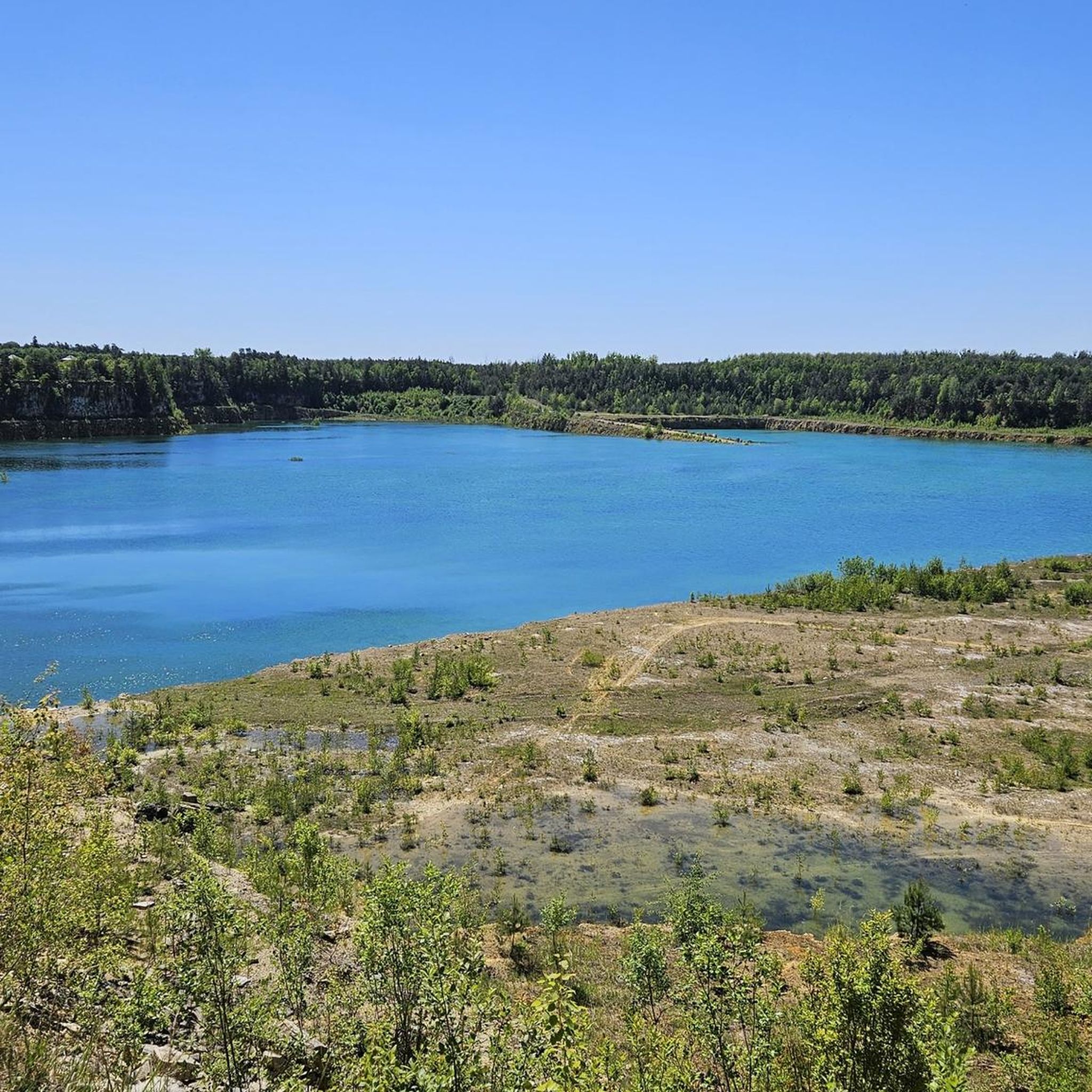
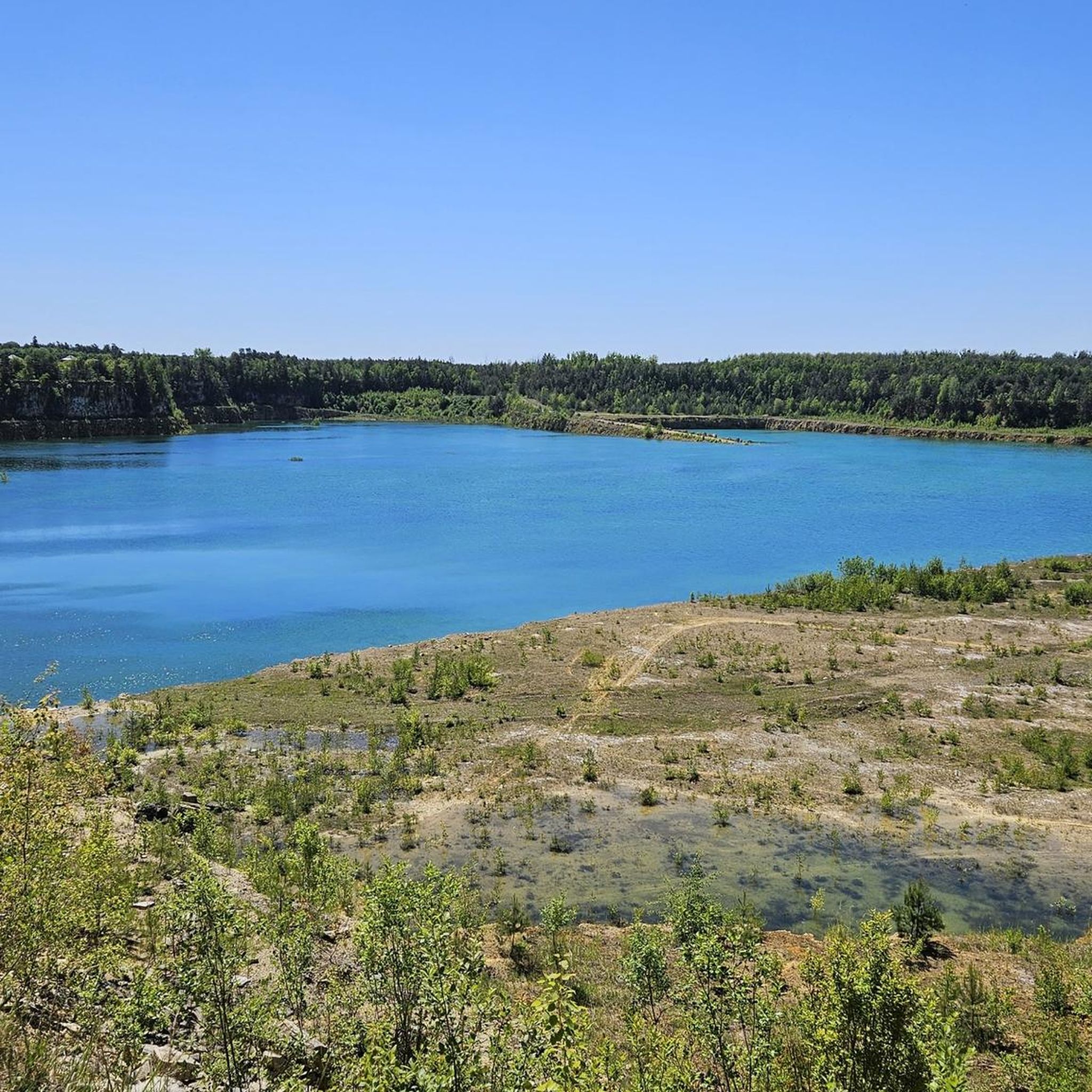
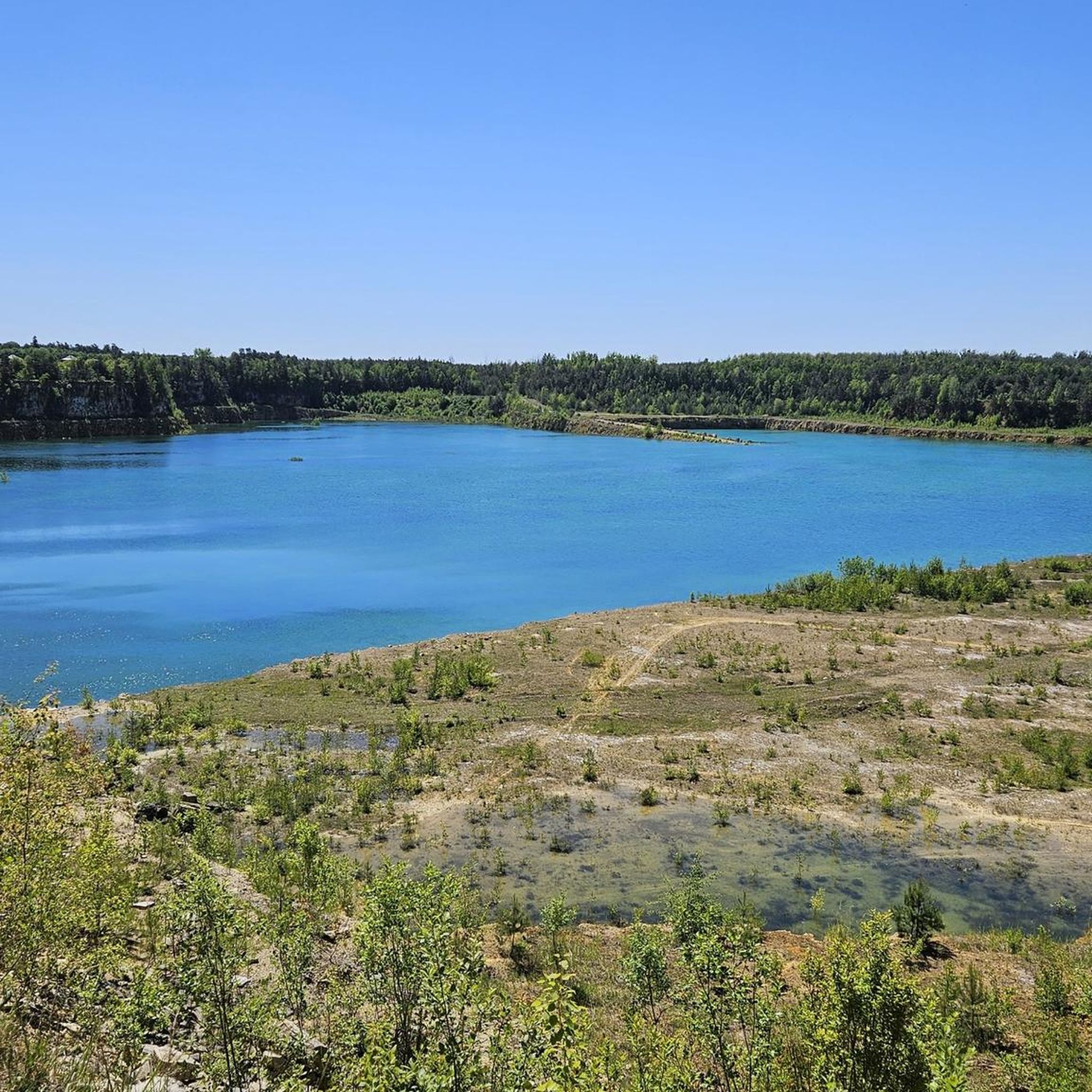

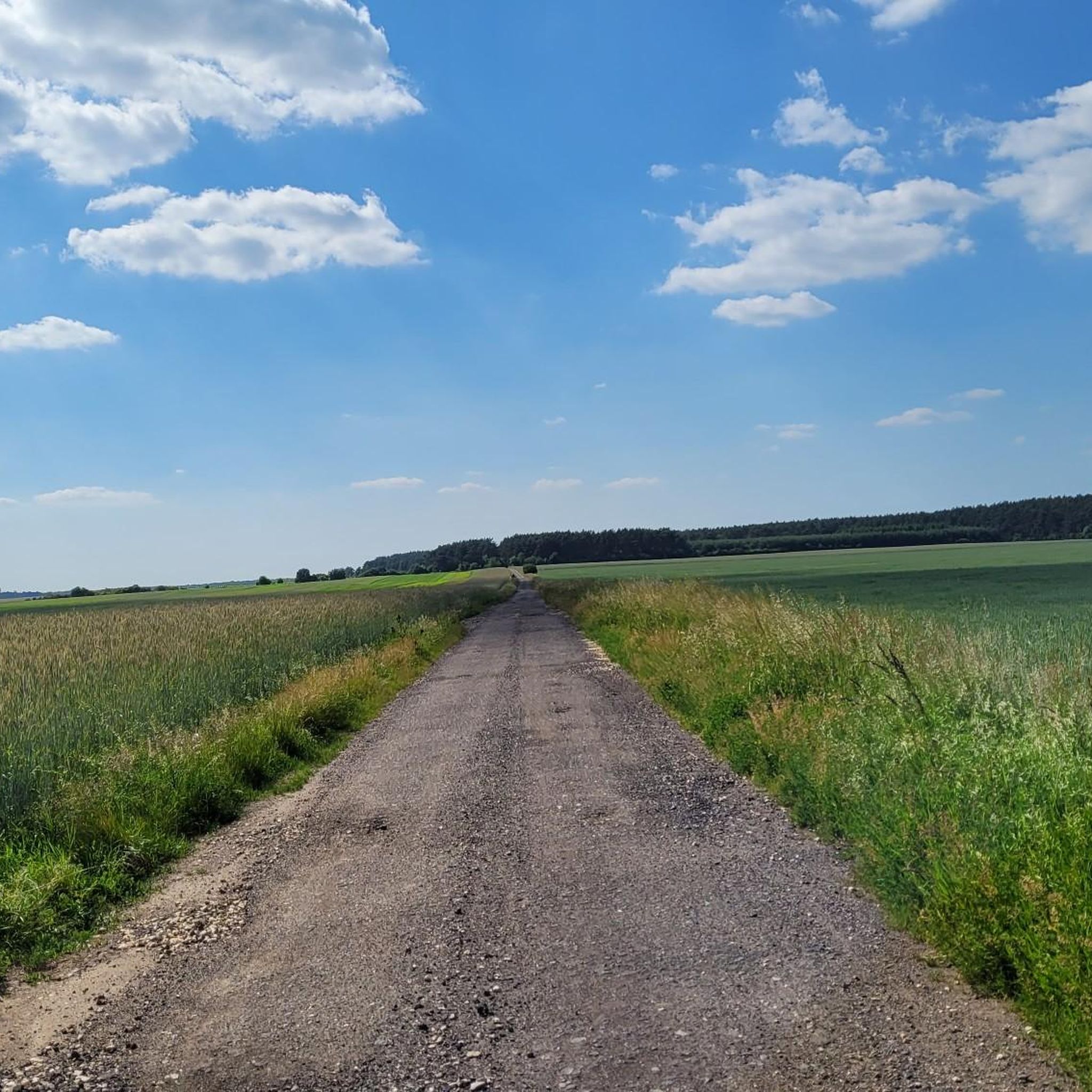
Tips from the Community

There's a fairly long climb up to St. Anne's Mountain, and you can descend through nearby forests toward Opole (or Kamień Śląski, to be precise).
0
0

A few benches in front of the nature reserve.
2
1

The amphitheater on St. Anne's Mountain was built in 1934–1938 on the site of a former quarry. It was designed by Franz Böhmer and Georg Petrich and could accommodate around 50,000 spectators. The stands were made of local Gogolin limestone. Above the amphitheater was a mausoleum for Germans who died in the Third Silesian Uprising, which was destroyed after the war. In 1955, the Monument to the Uprising by Xawery Dunikowski was unveiled in its place. Today, the amphitheater still attracts tourists with its monumental architecture and historical significance.
2
0

The landscape of the reserve is enhanced by deep ravines, sinkholes and dry valleys with wide bottoms. The reserve is a habitat of an upland forest, in which there are numerous beech stands with an estimated age of 130-150 years. The trees reach a height of over 30 meters. Many of them are monumental specimens. In addition to beeches, there are birches, hornbeams, larches, spruces and pines. In the local forests there are 120 species of vascular plants, including the protected greater helleborine and the forest nesting beetle. You can also find 44 species of breeding birds here, including: buzzards, grey-headed, black and middle-grown woodpeckers, ravens and collared flycatchers.
0
1


Next to it there is a board with bicycle paths and a stream with clean water.
0
2

It's worth visiting if you're in the area, a nice viewpoint
0
0
Perfectly visible from the highway, also known for the fact that for many years, every Sunday in May, Fr. prof. Joachim Piecuch celebrates Marian services there in German. A large group of residents of Gogolin, Krapkowice, the Karłubiec district, Zdzieszowice and surrounding villages gather then. The chapel, built in 1801 in the fields, is the common property of local residents. The Marian chapel was built next to a water spring that springs naturally from the ground. The water collects in a small well and is widely believed to have healing properties. According to E. Boronczyk's publication (Karłubiec 1302 - 2008, pp. 170-171), it was probably founded by the Gaszyns from Żyrowa, to commemorate the miraculous recovery of sight by the counts' child. According to oral tradition, Mary was supposed to show Countess Gaszyn this special place. During World War II, Stanisław Wojtala, as a soldier on the Eastern Front, vowed to visit the chapel every week if he returned safely from the war. Older residents remember how at any time of the year, even in winter, in the deepest snow, he would make his way to the chapel...
1
1
Frequently Asked Questions
What unique natural features can I explore in Izbicko?
Izbicko is known for its extensive forests, which cover nearly a third of its total area. You can explore valuable forest areas like the Tęczynów Nature Reserve, which protects lowland beech and subcontinental hornbeam stands, and ancient oak stands, particularly around the local fish ponds. The region also features natural springs, such as the one next to the Chapel on the Marshes, believed to have healing properties.
Are there any nature reserves worth visiting in the Izbicko area?
Yes, the Tęczynów Nature Reserve, located between Otmice and Szymiszów, is a significant natural monument. This 33-hectare forest area is crucial for protecting lowland beech and subcontinental hornbeam stands. It's also home to a rich forest floor with rare and protected species, including four types of orchids, martagon lily, and common self-heal.
What kind of historical sites are considered natural monuments in Izbicko?
While primarily man-made, sites like the Amphitheater on Góra Świętej Anny and the Chapel on the Marshes are situated within natural settings and are often highlighted as natural monuments. The Amphitheater is a well-preserved structure with impressive acoustics, while the Chapel is known for its location next to a natural spring with purported healing properties.
Are there family-friendly natural monuments around Izbicko?
Yes, several natural monuments in the area are suitable for families. The Amphitheater on Góra Świętej Anny, the Chapel on the Marshes, and the Boże Oko Chapel and Bench, Park Krajobrazowy Góra Św. Anny are all categorized as family-friendly. These locations offer a mix of natural beauty and historical interest that can be enjoyed by all ages.
What outdoor activities can I do near Izbicko's natural monuments?
The Izbicko area offers various outdoor activities, especially around its natural monuments and extensive forests. You can enjoy walking and cycling along numerous forest paths. For more structured routes, consider exploring the nearby cycling routes like the 'Kamień Śląski Railway Station – Sanatorium Kamień Śląski loop' or running trails such as the 'Dziki Run Route loop'. You can find more details on these activities in the Cycling around Izbicko and Running Trails around Izbicko guides.
Are there any significant old trees or forests to see?
Absolutely. Izbicko is home to impressive old oak stands, particularly those growing around the local complex of fish ponds, which add to the picturesque scenery. Additionally, the Boże Oko Chapel and Bench area within Park Krajobrazowy Góra Św. Anny features numerous beech stands estimated to be 130-150 years old, with many trees reaching over 30 meters in height.
What makes the <a href="https://www.komoot.com/highlight/6692856" target="_blank" rel="noopener">Boże Oko Chapel and Bench</a> a natural monument?
While the chapel itself is a religious building, its location within the Park Krajobrazowy Góra Św. Anny makes it a natural monument. This landscape reserve is characterized by deep ravines, sinkholes, and dry valleys, along with ancient beech forests. It's a habitat for upland forest species and offers a rich botanical environment, making the entire setting a significant natural feature.
What do visitors enjoy most about the natural monuments in Izbicko?
Visitors appreciate the serene environment and diverse flora found in Izbicko's natural monuments. The well-preserved structures like the Amphitheater on Góra Świętej Anny and the unique natural springs at the Chapel on the Marshes are frequently mentioned. The opportunity for peaceful outdoor activities like walking and cycling through the extensive forest paths is also a major draw.
Can I find any unique geological features in the Izbicko area?
The landscape around Izbicko, particularly within the Park Krajobrazowy Góra Św. Anny where the Boże Oko Chapel and Bench is located, features interesting geological formations. These include deep ravines, sinkholes, and dry valleys with wide bottoms, which contribute to the unique character of the natural monuments in the region.
Is there a natural monument that is also a good viewpoint?
Yes, the Amphitheater on Góra Świętej Anny and Boże Oko Chapel and Bench, Park Krajobrazowy Góra Św. Anny are both categorized as viewpoints. While the Amphitheater offers a unique perspective of its historical structure within nature, the area around Boże Oko Chapel provides scenic views of the surrounding landscape reserve with its ancient forests and geological features.
What is the best time to visit Izbicko's natural monuments?
The natural monuments in Izbicko, with their extensive forests and diverse flora, are generally beautiful to visit throughout the warmer months, from spring to autumn. Spring offers blooming wildflowers and fresh greenery, while autumn provides vibrant fall foliage. These seasons are ideal for walking, cycling, and enjoying the serene outdoor environment.
Are there any other natural monuments or reserves nearby, like Kamień Śląski Nature Reserve?
Yes, the Kamień Śląski Nature Reserve is another natural monument in the vicinity. It's known for its natural beauty and is described as a refuge for ground squirrels, offering a different natural experience compared to the forest reserves closer to Izbicko.
Most popular attractions around Izbicko

Get inspired with the komoot mobile app


Explore more
Extend your search for the best caves by checking out these guides of the top ones around Izbicko:
