Top 15 Natural Monuments around Radom
Natural monuments around Radom primarily feature ancient trees and significant natural areas within east-central Poland. The region's landscape includes forests, valleys, and water bodies, providing diverse natural settings. These protected sites contribute to the local biodiversity and offer opportunities for outdoor activities. Radom's natural heritage is characterized by its ecological significance and tranquil environments.
Best natural monuments around Radom
- The most popular natural monuments is Siczki Reservoir, a lake located in Jedlnia-Letnisko, on the border of the Kozienicki Landscape Park and the Jedlnia Nature Reserve. It is an ideal place for sports, recreation, and fishing.
- Another must-see spot is Jagiełło Oak – Kozłów Parking, a natural monument featuring a huge oak at the beginning of the Royal Inn of King Władysław Jagiełło. Visitors can expect a well-kept forest car park nearby, serving as a starting point for activities like running, cycling, and Nordic walking.
- Visitors also love Trzy Stawy (Three Ponds) in Kozienicki Park Krajobrazowy, a series of ponds within the Kozienicki Landscape Park. It offers a peaceful, photogenic setting suitable for picnics and quiet stops during wilderness trips.
- Radom is known for its ancient trees, significant forest complexes, and serene water bodies. These include individual oaks designated as natural monuments and larger natural areas like the Kapturski Forest.
- The natural monuments around Radom are appreciated by the komoot community, with 9 photos and 35 upvotes across the highlighted locations.
Last updated: June 29, 2026
Siczki Reservoir
Highlight • Lake
Translated by Google •
Tip by

Jagiełło Oak – Kozłów Parking
Highlight • Natural Monument
Translated by Google •
Tip by

Sign up now to discover places like this
Get recommendations on the best single tracks, peaks, & plenty of other exciting outdoor places.
Sign up for free
Dąb Niepodległości Nature Monument
Highlight • Natural Monument
The inscription on the stone:
NATURE MONUMENT
"OAK OF INDEPENDENCE"
RECOGNIZED AND ESTABLISHED
FOR A MEMORIAL
100 ANNIVERSARY
RECOVERING INDEPENDENCE
THROUGH POLAND
Hooded forest
27 April 2018
The logo of the State Forests in the upper right corner.
GPS coordinates: 51˚ 25 '39.19 "N 21˚ 7' 59.5" E
How to get to the oak:
Walking down Janiszewska Street, we come to the building of the Forest Inspectorate and turn left. We go through the wooden gate visible in the photo below and keep going straight about 200 meters until we see a fork in the road in front of us, visible in the next photo. The right branch is the green trail. We do not go there - we choose the left branch, at the end of which you can see an oak.
Translated by Google •
Tip by

Trzy Stawy (Three Ponds) in Kozienicki Park Krajobrazowy
Highlight • Lake
Translated by Google •
Tip by
Stanisław Werner Memorial
Highlight • Monument
Translated by Google •
Tip by
Sign up for free to discover even more natural monuments around Radom.
Sign up for free
Already have an account?
Start today with a free account
Your next adventure awaits.
Login or Signup
Tips from the Community

...a place for a picnic or a suitable drink after stocking up at the shop in Kieszko :-)
0
0

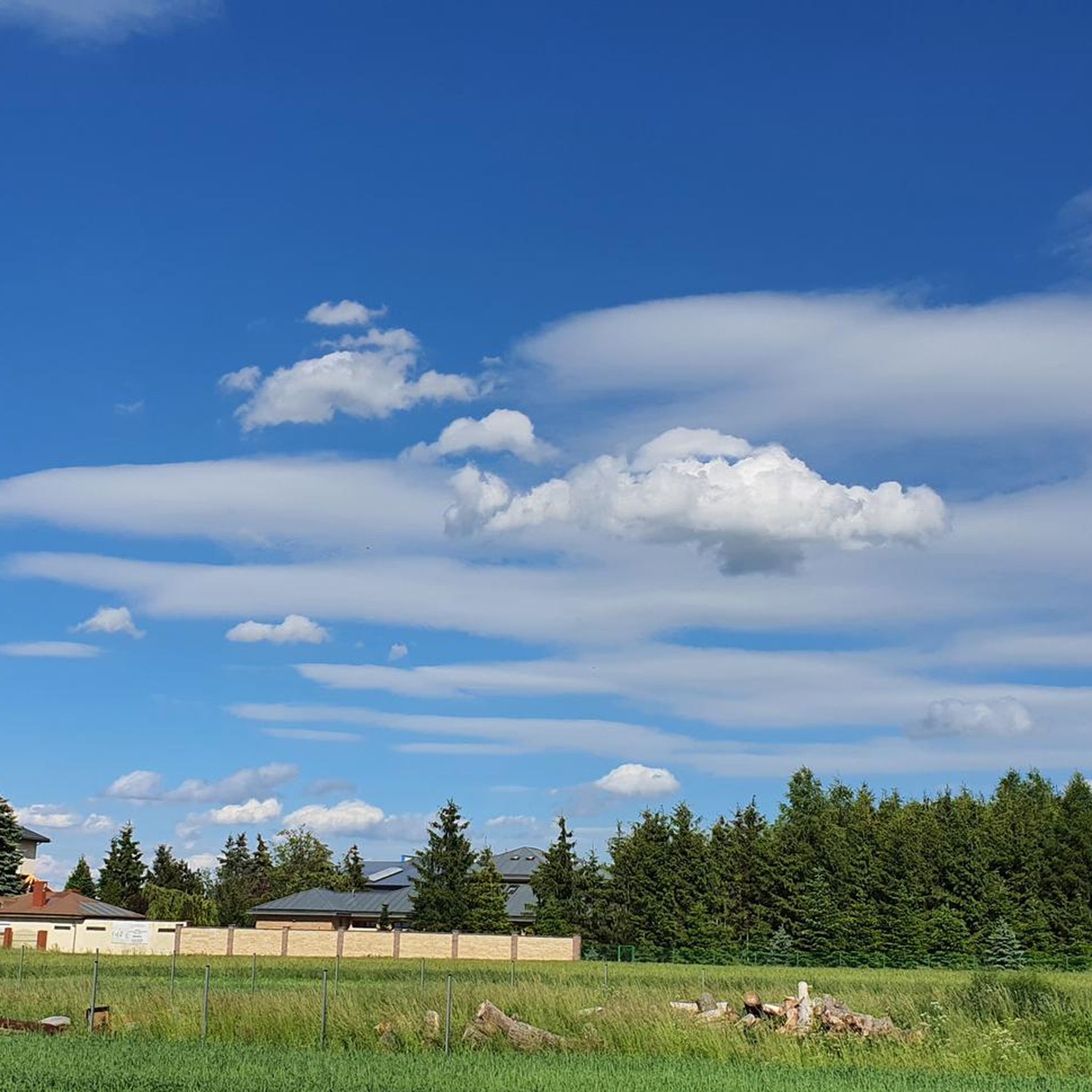
Zalew Siczki is located in Jedlnia-Letnisko, on the border of the Kozienicki Landscape Park and the Jedlnia Nature Reserve. Andrzej Kowalczewski. An ideal place for sports, recreation and fishing.
2
0


Monument to Stanisław Werner, a hero fighting for freedom and independence of Poland from the Russian partition. He became famous in the execution of the death sentence on the head of the Radom Governorate, Colonel von Płotto. The attempt was successful, but Stanisław Werner was immediately arrested and imprisoned afterwards. Despite the interrogations, Stanisław did not release any other comrades involved in the attack, so there were no more arrests. By the judgment of the Tsarist Military Military Court, he was sentenced to death by shooting. The sentence was carried out in the Kapturski Forest at 7.00 a.m. on December 20, 1906. The family, despite requests, was refused to release the body. Stanisław's letter to his mother on the day before the execution of the sentence is very touching. He died at the age of 18. The symbolic grave is located in the cemetery at B. Limanowskiego Street in Radom. The monument was founded on the 80th anniversary of Stanisław's death by scouts from the Radom Unit. I heartily recommend the history and places of memory of our hero.
0
0
In March 2018, the pedunculate oak growing in the Kapturski Forest obtained the status of a natural monument and received the name "Independence Oak". The unveiling ceremony took place on April 27, 2018. The inscription on the stone: NATURE MONUMENT "OAK OF INDEPENDENCE" RECOGNIZED AND ESTABLISHED FOR A MEMORIAL 100 ANNIVERSARY RECOVERING INDEPENDENCE THROUGH POLAND Hooded forest 27 April 2018 The logo of the State Forests in the upper right corner. GPS coordinates: 51˚ 25 '39.19 "N 21˚ 7' 59.5" E How to get to the oak: Walking down Janiszewska Street, we come to the building of the Forest Inspectorate and turn left. We go through the wooden gate visible in the photo below and keep going straight about 200 meters until we see a fork in the road in front of us, visible in the next photo. The right branch is the green trail. We do not go there - we choose the left branch, at the end of which you can see an oak.
1
0
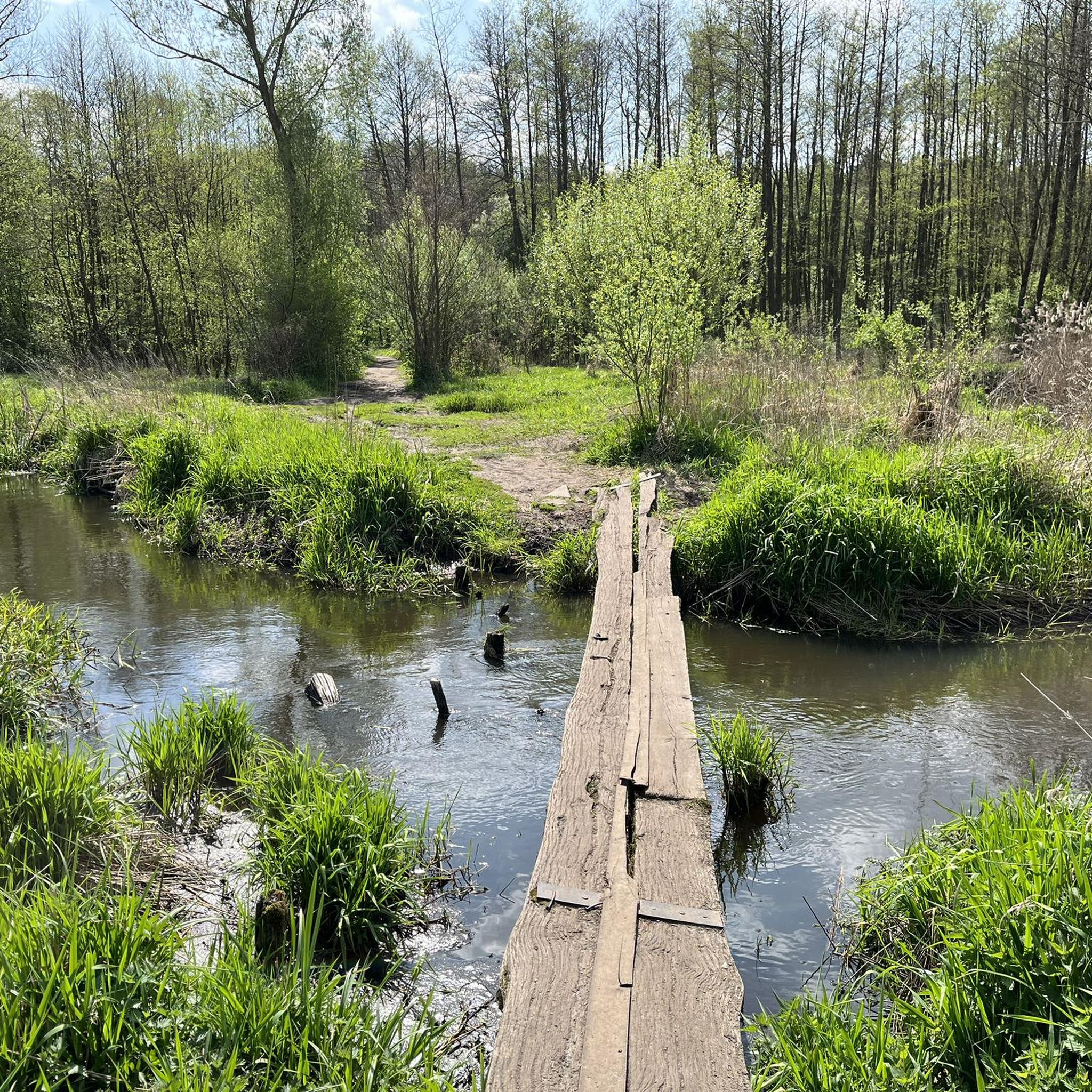
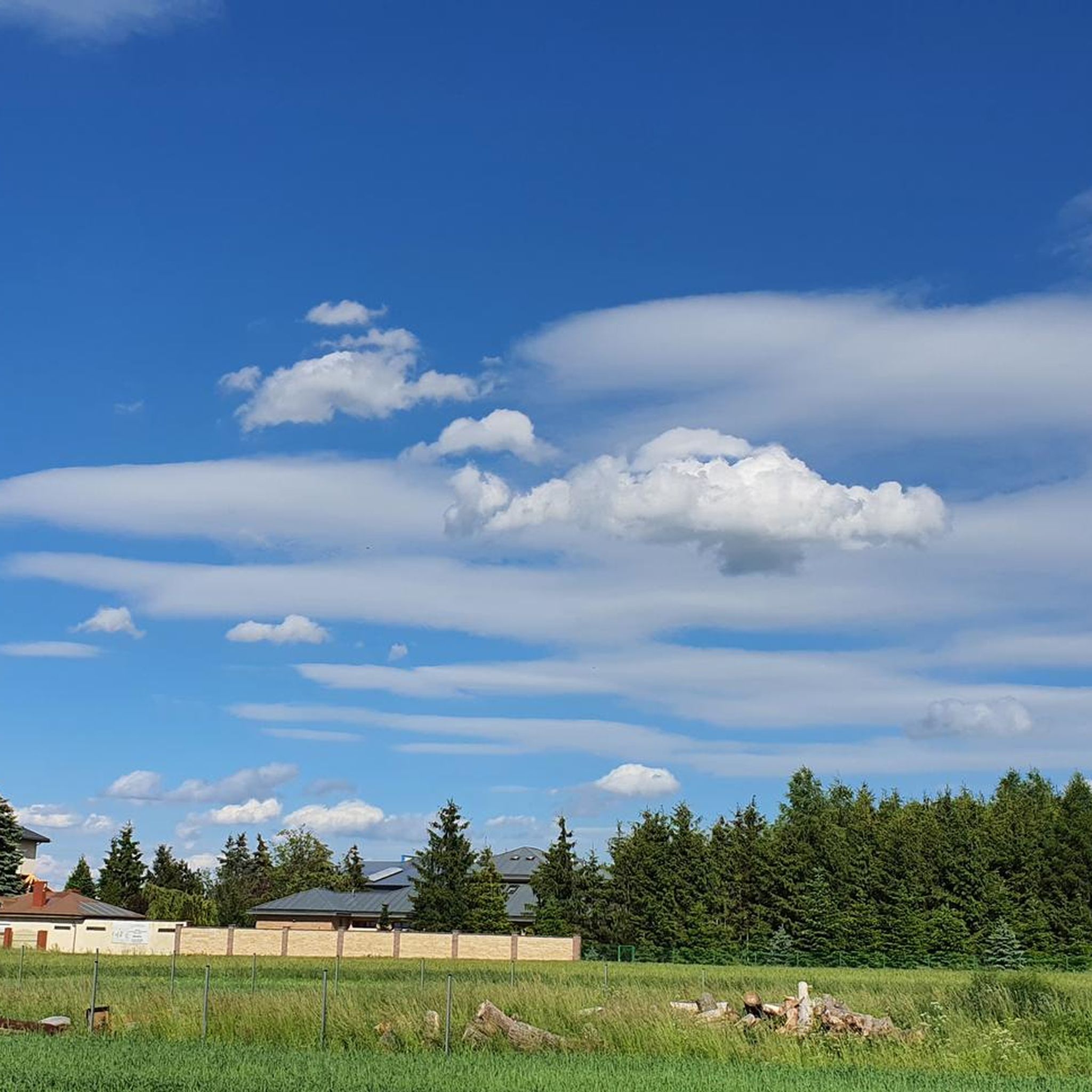
A very nice place at any time of the year, photogenic, peaceful, just for a stopover during trips to the wilderness
0
0
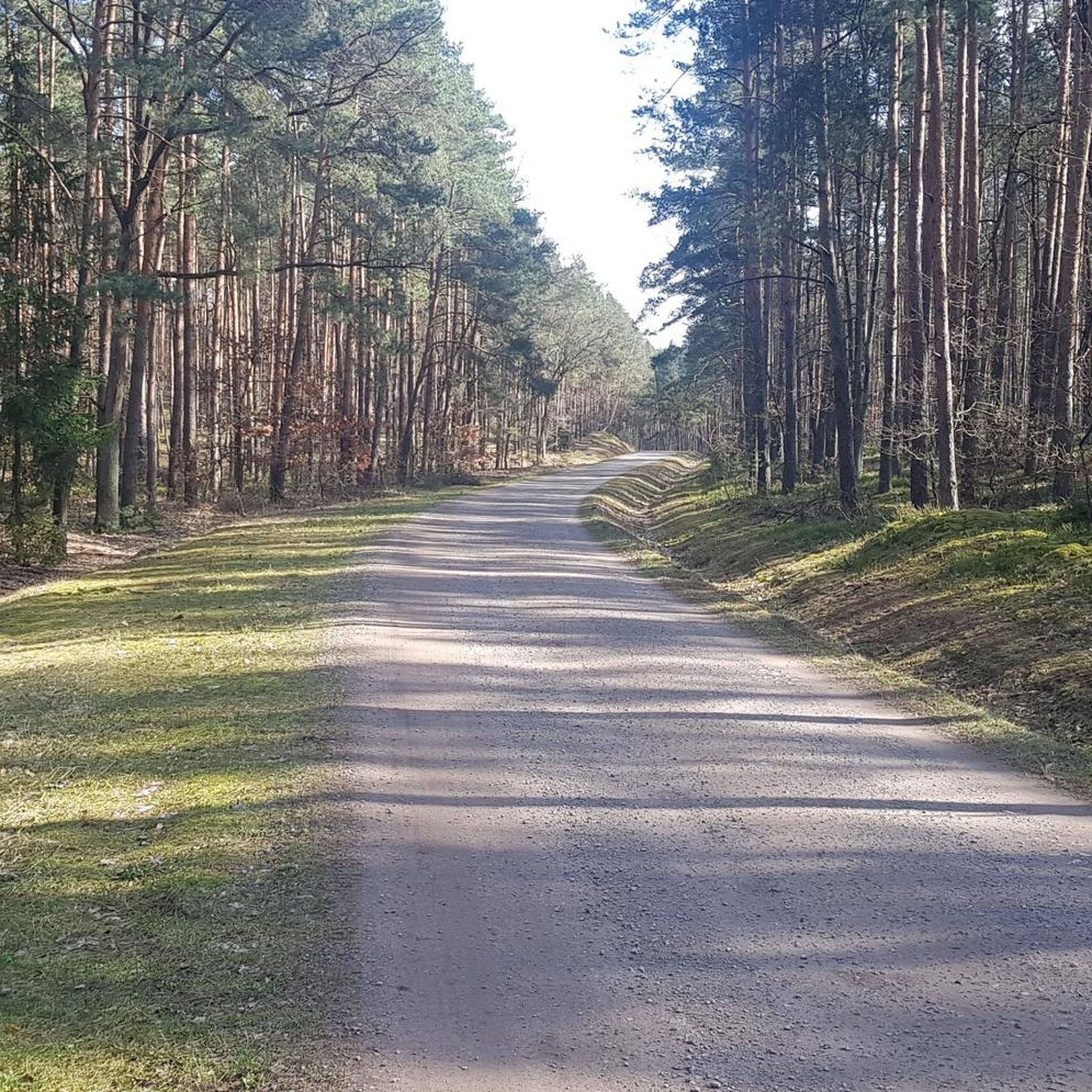
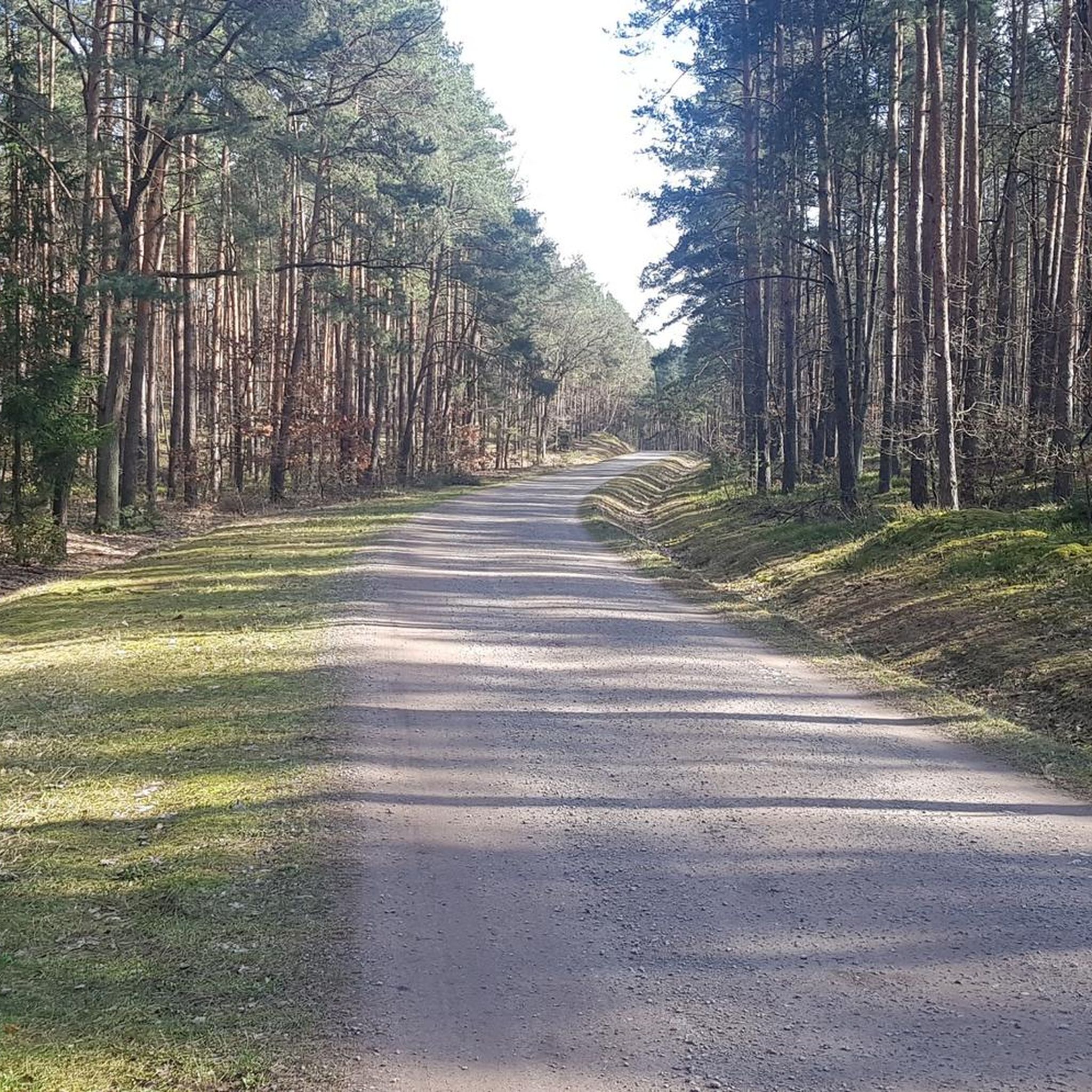
Characteristic oak with a chapel, on the other side of the street a parking lot with benches and tables. A place that serves as the beginning of many activities: running, cycling, Nordic walking.
1
0
Frequently Asked Questions
What are some of the most popular natural monuments around Radom?
Visitors frequently enjoy the Siczki Reservoir, known for sports, recreation, and fishing. Another popular spot is the Jagiełło Oak – Kozłów Parking, a massive oak with a nearby forest car park. The Trzy Stawy (Three Ponds) in Kozienicki Park Krajobrazowy also attracts many for its peaceful, photogenic setting.
Are the natural monuments around Radom suitable for families with children?
Yes, many natural monuments in the Radom area are family-friendly. Locations like the Siczki Reservoir and Trzy Stawy (Three Ponds) offer pleasant environments for picnics and walks. The Jagiełło Oak also has a well-kept car park nearby, making it an easy stop for families.
What outdoor activities can I do near Radom's natural monuments?
The natural monuments provide excellent starting points for various outdoor activities. You can find numerous routes for hiking, mountain biking, and running. For example, the area around the Jagiełło Oak is a popular spot for running, cycling, and Nordic walking.
Are there specific ancient trees designated as natural monuments in Radom?
Yes, Radom is known for its impressive ancient trees. Many individual oaks, hornbeams, and ash trees are protected. A notable example is the Dąb Niepodległości Nature Monument (Independence Oak) in the Kapturski Forest, a pedunculate oak recognized for its historical significance and age.
Beyond individual trees, what other natural areas are protected as significant natural sites in Radom?
In addition to individual trees, Radom features significant natural areas like the "Starodrzew Nowego Ogrodu" (Old Trees of the New Garden), a collection of 22 mature trees within Nowy Ogród park. The Kosówka Valley, known for rare plant and animal species, and the extensive Katurski Forest, offering picturesque walking routes, are also important natural enclaves.
When is the best time of year to visit the natural monuments in Radom?
The natural monuments around Radom can be enjoyed throughout the year. Spring offers lush greenery and blooming flora, while autumn provides vibrant foliage. Summer is ideal for water activities at places like Siczki Reservoir, and even winter walks can be serene, especially in forested areas like the Kapturski Forest.
How accessible are these natural monuments, and is parking available?
Many natural monuments are quite accessible. For instance, the Jagiełło Oak has a well-kept forest car park directly nearby, serving as a convenient starting point for exploration. Public transport options may vary, so checking local routes is advisable for specific locations.
Do any of Radom's natural monuments have historical significance?
Yes, some natural monuments carry historical weight. The Dąb Niepodległości Nature Monument (Independence Oak) was named to commemorate the 100th anniversary of Poland regaining independence. Additionally, the Stanisław Werner Memorial, though a man-made monument, is located in the Kapturski Forest, a site of historical importance related to a Polish freedom fighter.
What kind of natural features can I expect to see at these sites?
You can expect to see a diverse range of natural features. These include ancient, protected trees like the Jagiełło Oak and the Dąb Niepodległości, serene water bodies such as the Siczki Reservoir and the Trzy Stawy (Three Ponds), and extensive forest complexes like the Kapturski Forest.
Are there any educational routes or nature trails available?
The Kosówka Valley, a significant natural area in Radom, features an educational route designed for visitors to learn about its rare species of plants, insects, and amphibians. Many forest areas also have marked trails suitable for nature observation.
Can I bring my dog to the natural monuments around Radom?
Generally, dogs are welcome in most outdoor natural areas around Radom, especially on trails and in forests, provided they are kept on a leash and owners clean up after them. Specific rules might apply to certain protected areas or parks, so it's always good to check local signage.
What makes the Kozienicki Landscape Park a significant area near Radom?
The Kozienicki Landscape Park, bordering areas like the Siczki Reservoir and home to the Trzy Stawy (Three Ponds), is a vast and important natural region. It protects diverse ecosystems, including forests, meadows, and water bodies, offering extensive opportunities for recreation, nature observation, and enjoying the region's biodiversity.
Most popular routes around Radom
Most popular attractions around Radom

Get inspired with the komoot mobile app


