Top 5 Natural Monuments around Zakroczym
Best natural monuments around Zakroczym are found in Poland's Middle Vistula Valley, a region shaped by the Vistula River and glacial activity. This area is characterized by its "land of ravines," which are ancient geological formations offering insight into the region's history. Many natural sites are integrated into the Kampinos National Park, providing diverse ecological environments. The landscape includes dune ridges, peat bogs, and varied forest types.
Best natural monuments around Zakroczym
- The most popular natural monuments is Biela Nature…
Last updated: June 29, 2026
Biela Nature Reserve
Highlight • Natural Monument
Translated by Google •
Tip by

Krzywa Góra Nature Reserve
Highlight • Forest
Translated by Google •
Tip by
Sign up now to discover places like this
Get recommendations on the best single tracks, peaks, & plenty of other exciting outdoor places.
Sign up for free
Pomiechówek Nature Reserve
Highlight • Forest
Translated by Google •
Tip by

Czarna Woda Nature Reserve
Highlight • Forest
Translated by Google •
Tip by
Start today with a free account
Your next adventure awaits.
Login or Signup
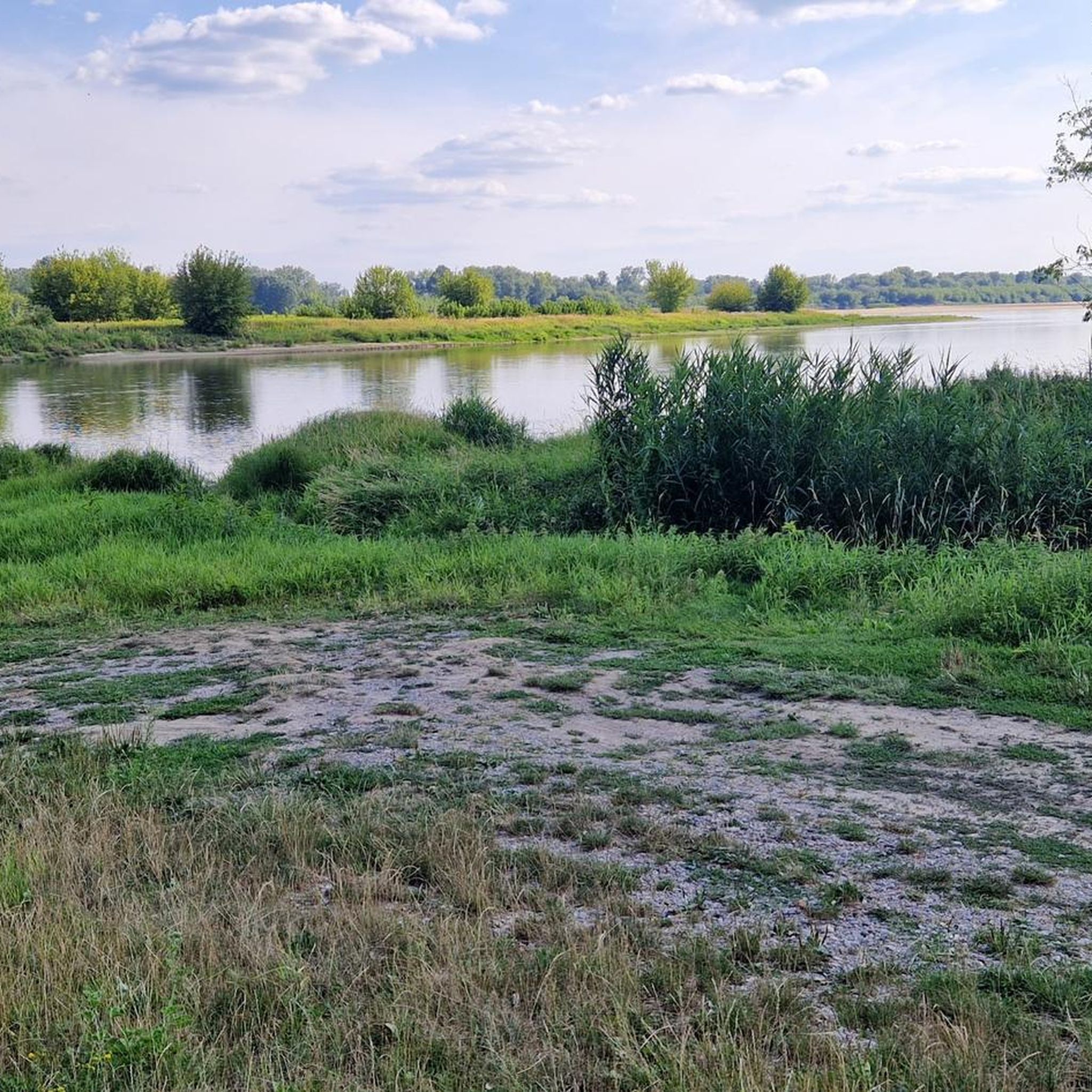
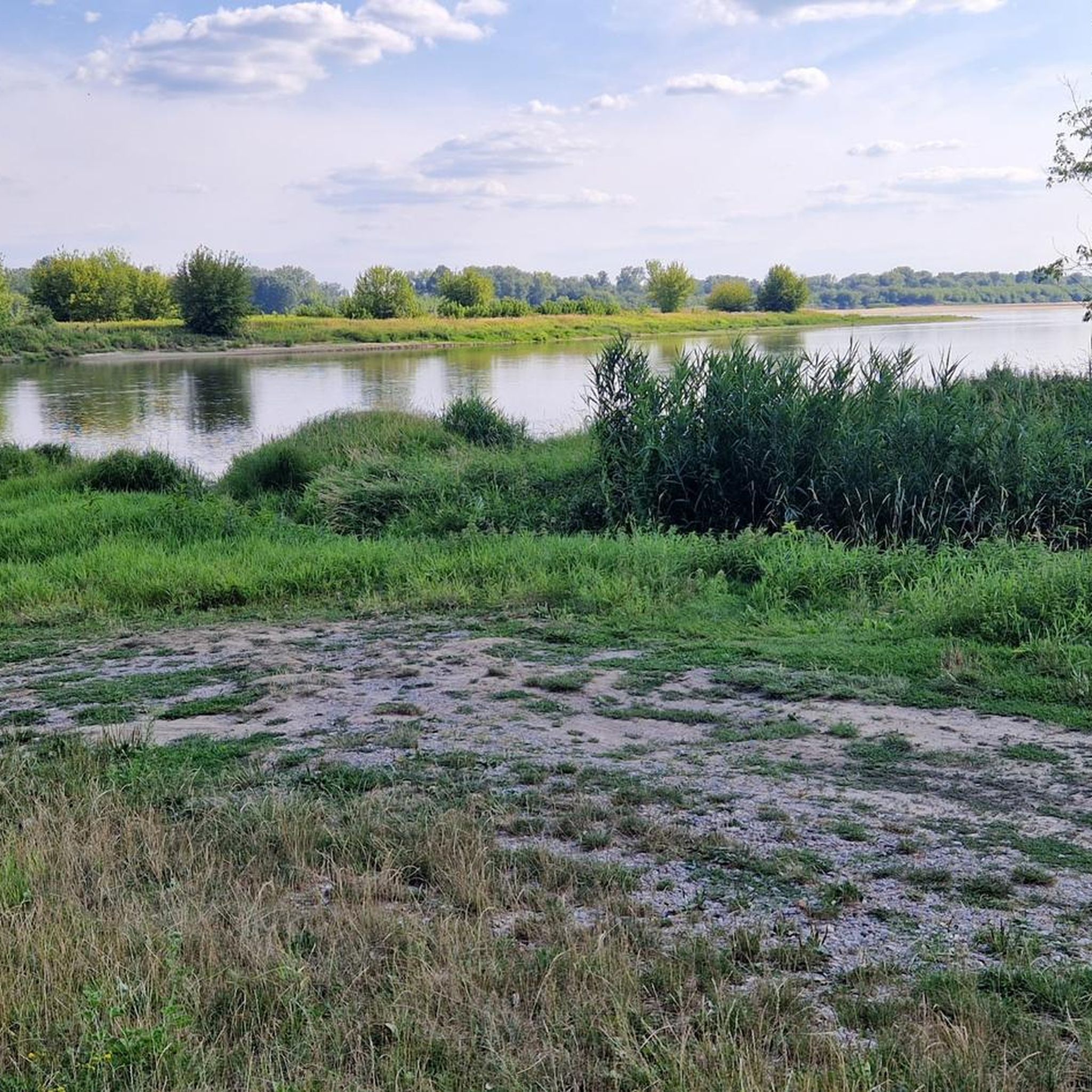
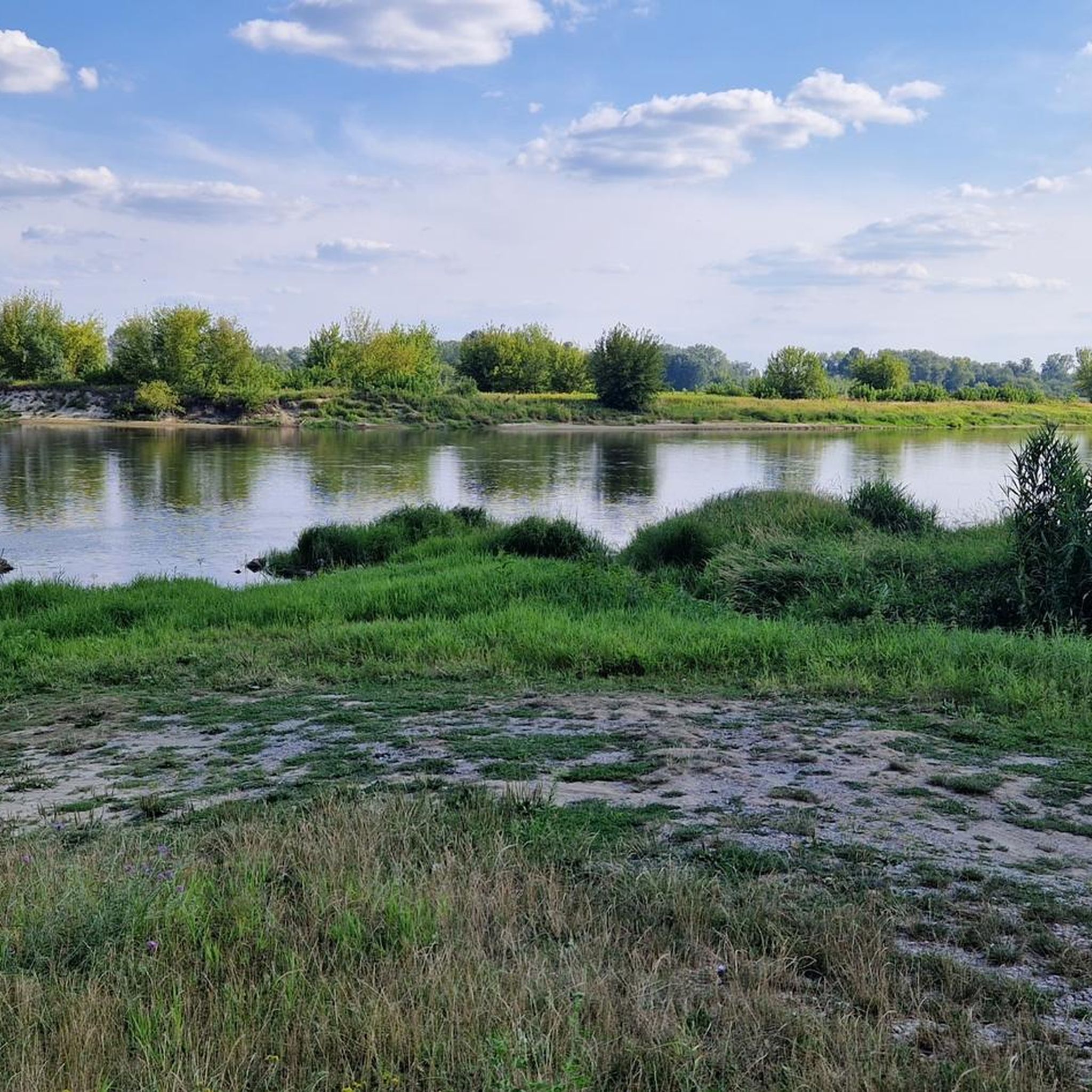
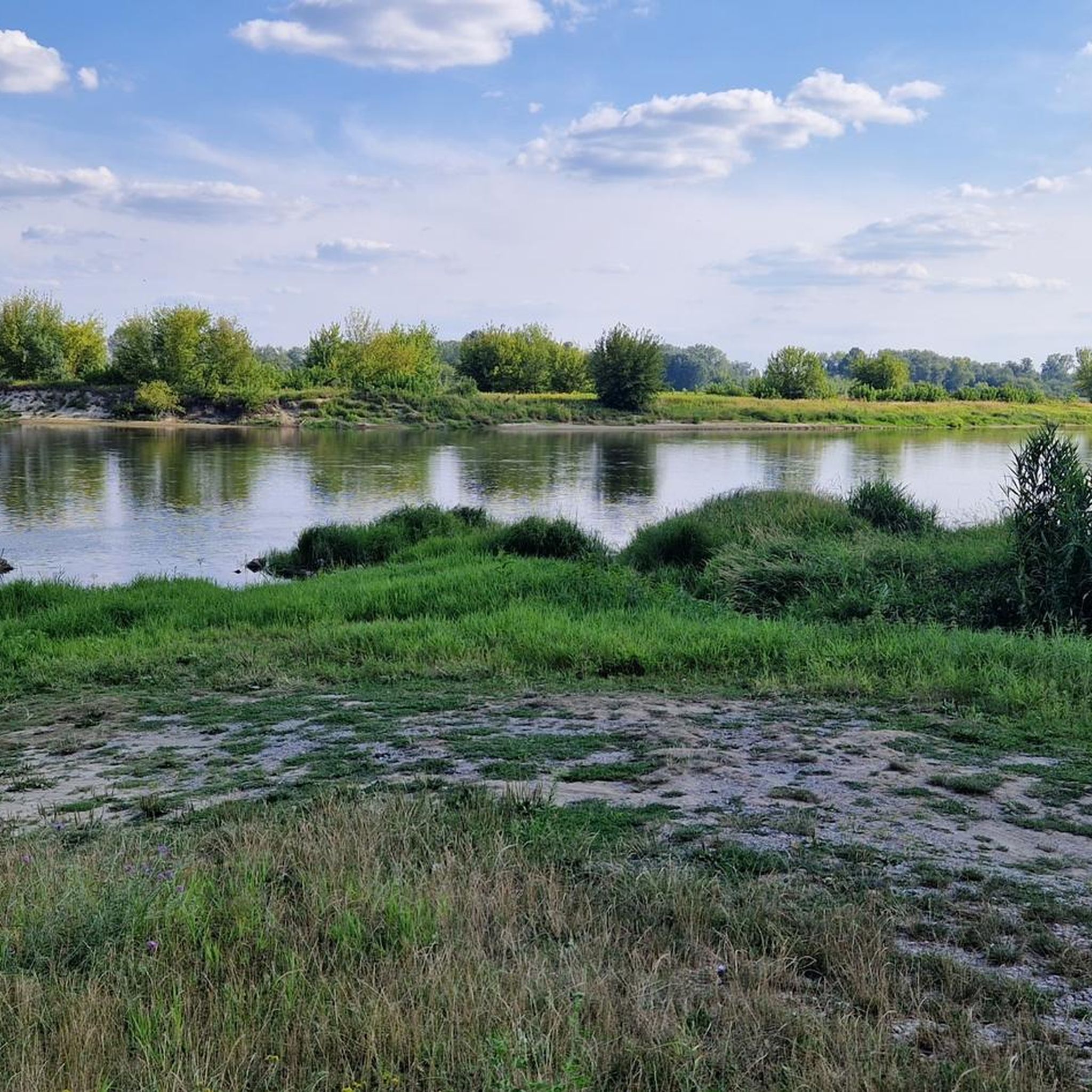
Tips from the Community

Existing since the early 1980s, the reserve has an area of almost 19 hectares and protects a hornbeam forest and numerous monumental trees located in this area. In the summer, it offers a lot of shade, thanks to the compact structure of the reserve. You can meet small songbirds here, but also black storks and tawny owls. Wild boars, roe deer, moose, badgers and foxes live here. The trees include English oaks growing up to 30 meters, Scots pine, silver birch and aspen. https://szlakwkry.pl/zwiedzaj/rezerwat-przyrody-pomiechowek/
4
0

The Pomiechówek nature reserve was established in 1981 to protect a fragment of the oak-hornbeam forest with numerous monumental trees and rich fauna. Here we can see over 100-year-old English oaks, as well as Scots pines, silver birches and aspen poplars.
3
0
Czarna Woda strict protection area. prof. Aleksandra Tuszki in the Kampinos National Park was created to protect alder forest, alder riparian forest, low oak-hornbeam forest and luminous oak forest on the border of the floodplain and dune terrace. This occurs, among others, lily of the laburnum. The green Northern Edge Trail runs along its southern shore.
1
0
The Krzywa Góra strict protection area in the Kampinos National Park was established in 1959. It covers an area of 1,071 ha, characterized by diverse and contrasting environments. In the north, the dune ridge in the form of the classic Krzywa Góra parabola dominates, and in the swamp areas there are oak-hornbeam forests - sandy elevations. The vegetation includes fresh mixed forests, oak-hornbeam forests and luminous oak forests on the dunes, while in the interdune valleys you can find humid forests and alder forests. The swamp area is dominated by alder forests, alder riparian forests and sedge areas. Protected plants grow in the reserve, such as lace lily, daphne, common ivy, helleborine, narrow-leaved lungwort, pasque flowers and clubmosses. It is worth going in spring when the lilies of the valley are blooming, because there are entire areas of them.
2
0
The Krzywa Góra strict protection area in the Kampinos National Park was established in 1959. It covers an area of 1,071 ha, characterized by diverse and contrasting environments. In the north, a dune ridge in the form of the classic Krzywa Góra parabola dominates, and in the swamp areas there are oak-hornbeam forests - sandy elevations. The vegetation includes fresh mixed forests, oak-hornbeam forests and luminous oak forests on the dunes, while in the interdune valleys you can find wet forests and alder forests. The swamp area is dominated by alder forests, alder riparian forests and sedge areas. Protected plants grow in the reserve, such as lily of the cape, daphne, common ivy, helleborine, angustifolia, pasque flower and lily of the valley. It is worth going in spring when the lilies of the valley are blooming, because there are entire areas of them. There are two monumental pedunculate oaks in "Krzywa Góra".
2
0
The Biela nature reserve in the Kampinos National Park has been a strictly protected area since 1977. It was created to protect the interdune valley with a low peat bog and fragments of a transitional peat bog overgrown with black alder, downy birch and pine. The "Around Bieli" educational trail runs within the reserve, marked with a green diagonal stripe on a white background. There are 10 marked stops along the path with information boards about the reserve and its fauna and flora.
1
0
Frequently Asked Questions
What unique natural features can I explore in the Zakroczym area?
The natural monuments around Zakroczym, many within the Kampinos National Park, offer diverse environments. You can explore unique interdune valleys with low peat bogs at Biela Nature Reserve, or varied landscapes including dune ridges and oak-hornbeam forests at Krzywa Góra Nature Reserve. The region is also home to monumental trees like the Kobendza Oak and rich forest ecosystems.
Are there family-friendly natural monuments to visit near Zakroczym?
Yes, several natural monuments in the area are suitable for families. The Biela Nature Reserve features an educational trail with 10 marked stops, providing an enriching experience for all ages. Krzywa Góra Nature Reserve and Pomiechówek Nature Reserve also offer accessible trails through diverse forests, perfect for family outings.
What is the best time of year to visit the natural monuments around Zakroczym?
Spring is particularly recommended for visiting the natural monuments around Zakroczym, especially places like Krzywa Góra Nature Reserve, where entire areas of lilies of the valley bloom. Summer offers plenty of shade in reserves like Pomiechówek Nature Reserve due to its compact forest structure, making it pleasant for walks.
What kind of wildlife can I expect to see in the natural monuments?
The natural monuments around Zakroczym, particularly within the Kampinos National Park, are rich in biodiversity. In reserves like Pomiechówek Nature Reserve, you might encounter small songbirds, black storks, tawny owls, wild boars, roe deer, moose, badgers, and foxes. The unique ecosystems also support a wide array of protected plant species.
Are there hiking trails available near these natural monuments?
Absolutely. Many natural monuments are integrated with hiking trails. For instance, the Biela Nature Reserve has the 'Around Bieli' educational trail. You can find various easy hiking routes around Zakroczym, such as the 'View of the Granary – Ostrołęcka Gate loop from Modlin Fortress' or the 'Hiking loop from Pomiechówek'. For more options, explore the Easy hikes around Zakroczym guide.
Can I bring my dog to the nature reserves in the Zakroczym area?
Regulations regarding dogs in nature reserves, especially within national parks like Kampinos, can vary. Generally, strict protection areas might have restrictions to protect wildlife. It's advisable to check specific rules for each reserve, such as Biela Nature Reserve or Krzywa Góra Nature Reserve, before visiting with your pet.
What other outdoor activities can I do near the natural monuments?
Beyond hiking, the Zakroczym area offers opportunities for cycling and mountain biking. You can find various routes, such as the 'Officers' Club – Modlin Fortress — Cadets' Gate loop' for touring bicycles or the 'Kampinoska Cottage – Kobendza Oak loop' for mountain biking. For detailed routes, check out the Cycling around Zakroczym guide and the MTB Trails around Zakroczym guide.
Are there any permits required to enter the nature reserves?
Most nature reserves in Poland, especially those within national parks like Kampinos, do not require individual permits for general access to marked trails. However, certain activities or access to strictly protected zones might require special permission. It's always a good idea to check the official Kampinos National Park website for the latest regulations before your visit.
How can I get to the natural monuments using public transport?
While Zakroczym itself is accessible, reaching specific natural monuments, which are often located in more secluded areas, might require a combination of public transport and walking or cycling. Information on public transport links directly to reserves like Biela Nature Reserve or Krzywa Góra Nature Reserve can be limited. Planning your trip with local bus schedules or considering a car is often recommended for convenience.
Where can I find parking near the natural monuments?
Parking availability varies by location. For reserves within Kampinos National Park, designated parking areas are often provided near trailheads or main entrances. For example, when visiting Krzywa Góra Nature Reserve or Biela Nature Reserve, look for signs indicating visitor parking. It's advisable to check maps or local information for specific parking spots before you arrive.
What makes the <a href="https://www.komoot.com/highlight/6416966" target="_blank" rel="noopener">Pomiechówek Nature Reserve</a> special?
The Pomiechówek Nature Reserve, established in 1981, is known for protecting a fragment of oak-hornbeam forest with numerous monumental trees, including over 100-year-old English oaks, Scots pines, silver birches, and aspen poplars. It also boasts rich fauna, making it a great spot for wildlife observation and enjoying dense, shady forests in summer.
What is the significance of the <a href="https://www.komoot.com/highlight/6395594" target="_blank" rel="noopener">Czarna Woda Nature Reserve</a>?
The Czarna Woda Nature Reserve, named after Professor Aleksander Tuszki, is a strict protection area within Kampinos National Park. Its primary purpose is to safeguard diverse forest types, including alder forest, alder riparian forest, low oak-hornbeam forest, and luminous oak forest, found at the border of the floodplain and dune terrace. It's also home to unique plant species like the lily of the laburnum.
Most popular attractions around Zakroczym

Get inspired with the komoot mobile app


Explore more
Extend your search for the best caves by checking out these guides of the top ones around Zakroczym:
