Top 20 Natural Monuments around Czosnów
Best natural monuments around Czosnów are primarily found within the adjacent Kampinos National Park, a significant natural landmark. The area features diverse ecosystems, including dunes, forests, and unique wildlife habitats. These natural features contribute to the region's natural heritage, offering various opportunities for exploration. Visitors can explore a variety of Czosnów nature trails with detailed terrain descriptions.
Best natural monuments around Czosnów
- The most popular natural monuments is Łuże Dune Boardwalk, a trail that features a 200-meter footbridge crossing…
Last updated: June 29, 2026
Łuże Dune Boardwalk
Highlight • Trail
Translated by Google •
Tip by

Jerzyki Memorial Cross
Highlight • Monument
Translated by Google •
Tip by

Sign up now to discover places like this
Get recommendations on the best single tracks, peaks, & plenty of other exciting outdoor places.
Sign up for free
Educational Trail "To Karczmiska"
Highlight (Segment) • Trail
Translated by Google •
Tip by
1863 Insurgents' Pine and Memorial Site in Górki
Highlight • Historical Site
Translated by Google •
Tip by
Cyganka Nature Reserve
Highlight • Forest
Translated by Google •
Tip by
Sign up for free to discover even more natural monuments around Czosnów.
Sign up for free
Already have an account?
Start today with a free account
Your next adventure awaits.
Login or Signup
Tips from the Community

A cross commemorating the battle of the Jerzyki unit with the RONA formation near Pociecha in the Kampinos Forest on 28 August - 2 September 1944. Insurgent Special Units "Jerzyki" (POS "Jerzyki") - a clandestine military-civilian organization founded in 1939 by Jerzy Strzałkowski on the initiative of President Starzyński. It operated mainly in the General Government, conducting armed combat and civilian activities (including secret education, helping Jews, distributing the press). In 1943 it was subordinated to the Home Army. Some of the structures in Łódź came under the influence of the PPR, creating the PPP "Wyzwolenie". After the Warsaw Uprising it continued sabotage operations. Disbanded in January 1945. In 1987, the POS banner was awarded the Order of Virtuti Militari.
1
0

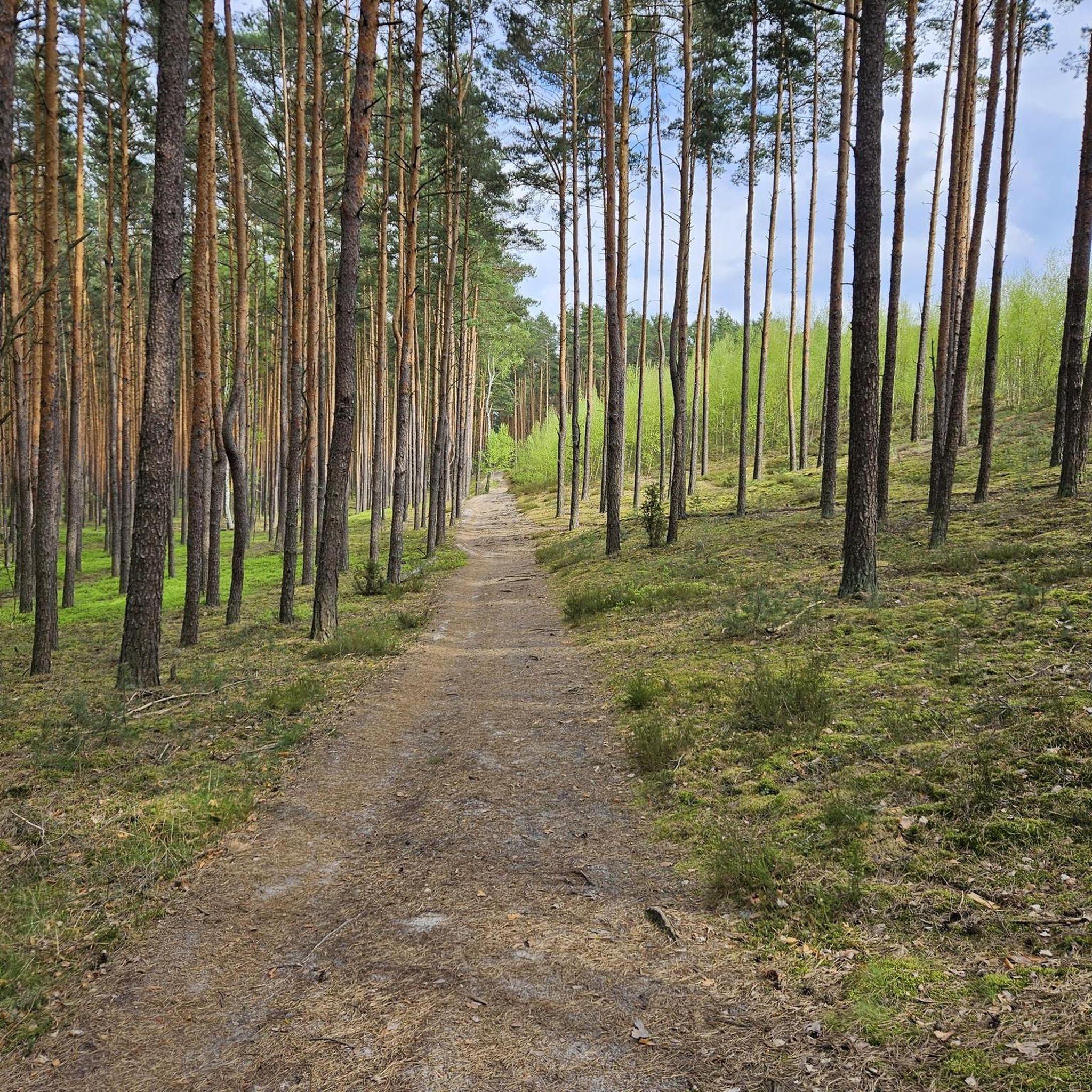
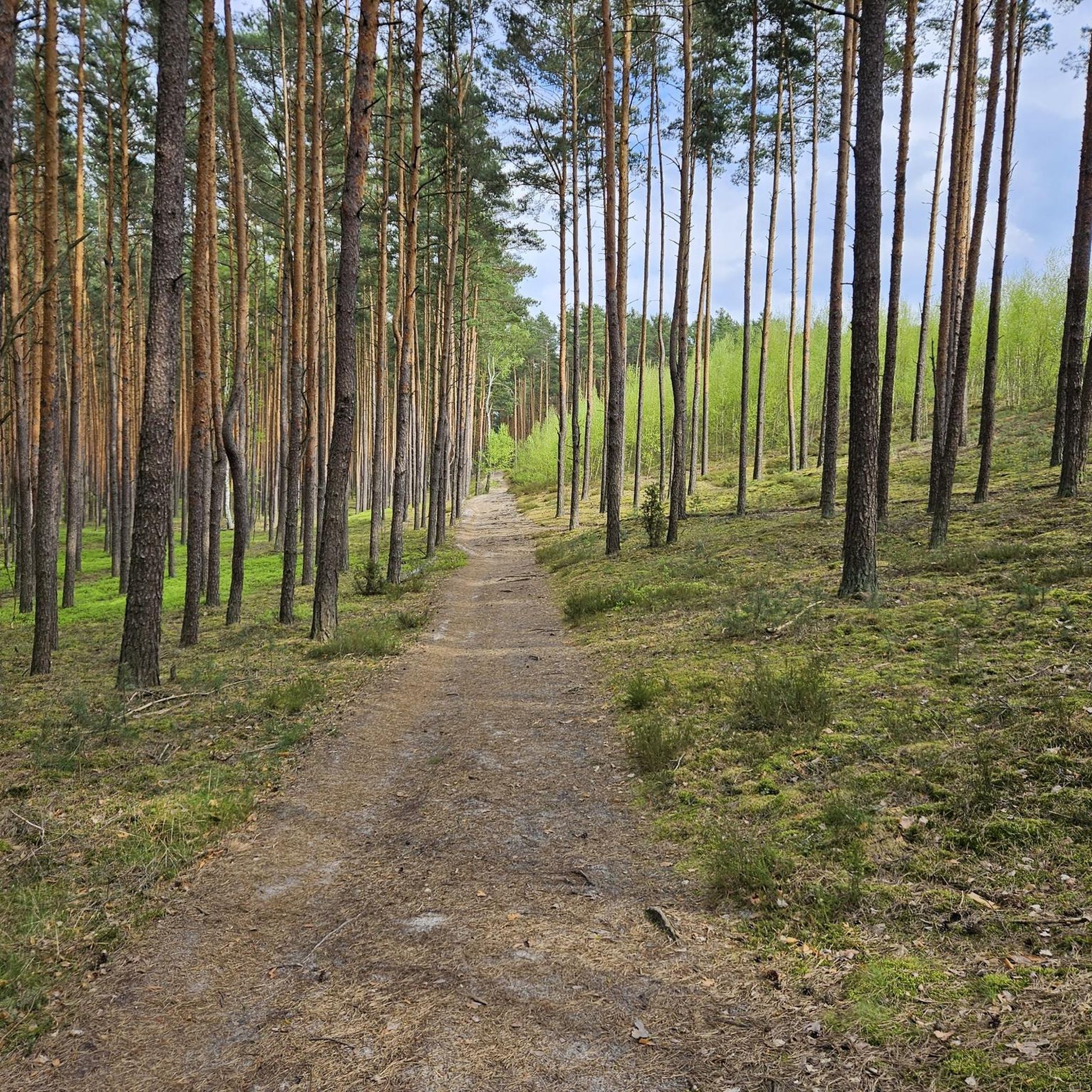
Łużowa Góra is a picturesque walking trail in Kampinos National Park, located near the bunker of the Warsaw Pact Reserve Command. Built in the times of the Polish People's Republic, the facility was intended to serve as the headquarters of the communist bloc's military in the event of a global nuclear war. However, construction was halted in the 1980s, after the introduction of spy satellites, which made it impossible to hide such facilities. Today, all that remains is an underground hall with a sealed entrance, where seven species of bats hibernate, which contributed to the creation of a mural depicting a bat on the front. The trail leads through a beautiful forest, and one of the main points is a 200-meter footbridge over a dune, ending with stairs. Łużowa Góra is a walk that can be completed in about an hour, with easy access to the parking lot. With a stroller, you can only get as far as the stairs behind the footbridge, but the rest of the route requires carrying.
1
0
The Atomic Command Headquarters is an inactive military facility located in the Kampinos Forest, in the Dąbrowa Leśna region, near the Łuże dune, in the Kampinos National Park. It was designed in the 1960s as a command post in the event of a nuclear war. Its construction began in 1962 and work continued until the 1980s, when it was suspended due to the use of reconnaissance satellites. Due to the lack of supervision, after the facility was transferred to the National Park in 2004, it was gradually stolen. In 2017, the above-ground parts of the facility were demolished, and a bat habitat was created in the underground parts. In 2019, the area was made available to tourists, where an educational trail was marked out and information boards were placed. The facility is now an interesting tourist attraction, as well as a reminder of the Cold War era and preparations for nuclear conflict.
1
0
Insurgent Special Units "Jerzyki" (POS "Jerzyki") - Polish military-civilian underground organization, operating from autumn 1939 to January 1945 in the area of the General Government and part of the lands incorporated into the Reich. More at: https://pl.wikipedia.org/wiki/Powsta%C5%84cze_Oddzia%C5%82y_Specjalne_%E2%80%9EJerzyki%E2%80%9D
0
0

It was created to protect the dunes and nature. Unfortunately, many people walk on the dunes instead of the footbridge.
1
0

I was there, I saw it, but one thing surprises me, this place is not "alive"... total silence, not even the chirping of birds... I wonder why... maybe there are some devices underground that keep them away
2
1

On the southern edge of the village of Górki grew a magnificent 170-year-old pine tree, whose branches hung down to the ground. On these branches, the Cossacks hanged the insurgents who had escaped into the forest after the Battle of Buda Zaborowska (April 10, 1863) and were captured in this area. During the fight, the commander of the insurgent unit, Major Walerian Remiszewski, sent some of the unarmed insurgents into the forest. After defeating the unit, the Russians chased the escapees, and those captured without trial were hanged. A pine tree struck down by lightning on April 1, 1984 lies next to a small monument in the form of a boulder in honor of the Insurgents of 1863. Traces of the severed branches, from which commemorative crosses were made, are visible. Next to it, on a hill, there is a field chapel in the form of two wooden roofs-tents with figures of saints (by Małgorzata Tomaszkiewicz) and a stone altar table. The whole is crowned by a high wooden cross.
1
0
Frequently Asked Questions
What unique natural features can I explore near Czosnów?
The area around Czosnów, particularly within the adjacent Kampinos National Park, offers diverse natural features. You can explore significant dunes, extensive forests, and unique wildlife habitats. A notable feature is the Bat Habitat, a former military facility now serving as a hibernation site for seven bat species. The Łuże Dune Boardwalk also provides a picturesque walk over a dune.
Are there family-friendly natural monuments around Czosnów?
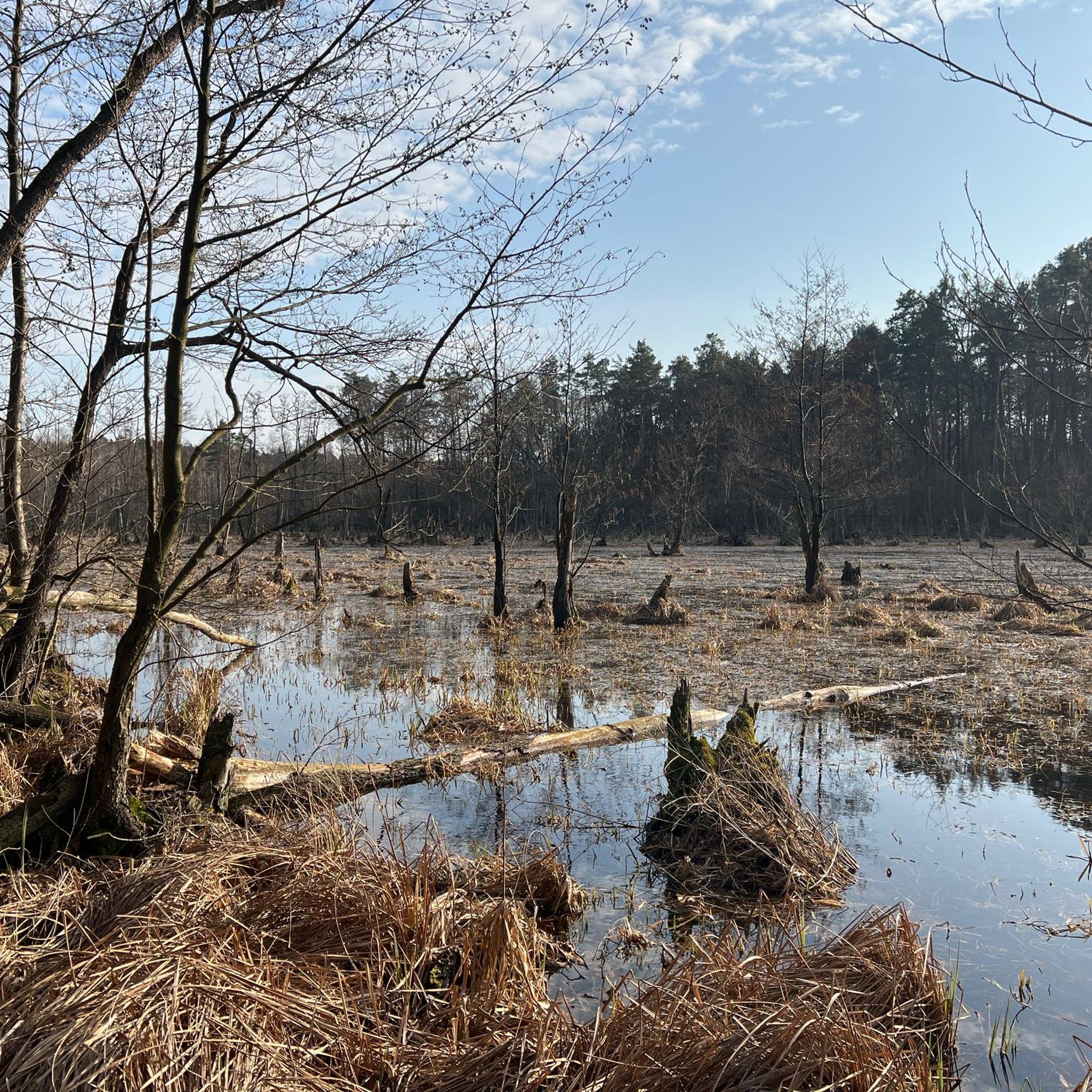
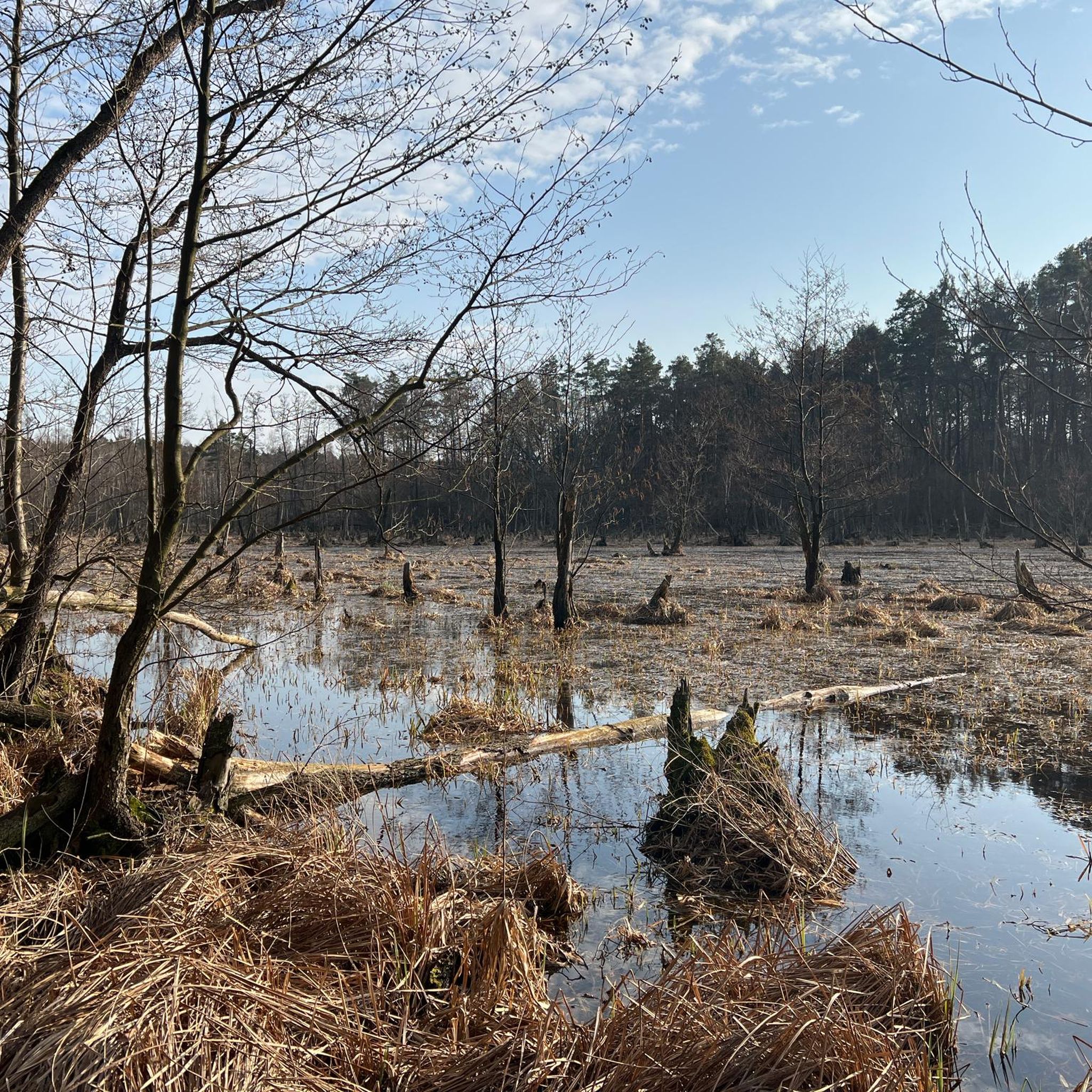
Yes, several natural monuments are suitable for families. The Łuże Dune Boardwalk offers an easy, approximately hour-long walk with a 200-meter footbridge. The Educational Trail "To Karczmiska" is another great option, approximately 3 kilometers long, featuring wooden footbridges through a swampy valley and diverse forests.
What kind of hiking trails can I find near Czosnów's natural monuments?
You'll find a variety of hiking trails, mostly within Kampinos National Park. These include paths through swampy valleys with many wooden footbridges, as well as trails winding through oak-hornbeam, riparian, and pine forests. For more detailed information on hiking routes, you can explore the hiking guide for Czosnów.
What historical sites are integrated into the natural landscape around Czosnów?
The region combines natural beauty with historical significance. The Bat Habitat, for instance, is a former Cold War-era military facility repurposed for wildlife. Additionally, the Jerzyki Memorial Cross commemorates a historical battle, and the 1863 Insurgents' Pine and Memorial Site in Górki marks a significant event from the 1863 uprising, with a fallen pine and a monument.
What is the best time to visit the natural monuments near Czosnów?
The Kampinos National Park area is beautiful year-round. Spring and autumn offer pleasant temperatures for hiking and vibrant foliage. Summer is ideal for longer days and exploring, while winter can provide a serene, snow-covered landscape, though some trails might be less accessible. Consider seasonal wildlife viewing opportunities, especially for bats during their hibernation period.
Are there any specific wildlife viewing opportunities near Czosnów?
Yes, the most prominent wildlife viewing opportunity is at the Bat Habitat, where an underground military facility now serves as a hibernation site for seven species of bats. The site has preserved holes for bat access and features a bat mural, emphasizing its importance as a sanctuary for these fascinating creatures.
What are the parking options for visiting natural monuments near Czosnów?
Many natural monuments and trails, especially within Kampinos National Park, have designated parking areas. For example, the Łuże Dune Boardwalk is accessible from a parking lot, and the Educational Trail "To Karczmiska" starts at a parking lot in Truskaw. It's advisable to check specific highlight details for precise parking information.
Can I bring my dog to the natural monuments and trails?
While many natural areas in Kampinos National Park are dog-friendly, it's essential to keep dogs on a leash to protect wildlife and ensure the safety of other visitors. Always check specific park regulations or trail signage for any restrictions before your visit.
What other outdoor activities can I do near these natural monuments?
Beyond hiking, the area around Czosnów offers opportunities for road cycling. You can find various routes that take you through the scenic landscapes surrounding the natural monuments. For more information on cycling routes, refer to the road cycling guide for Czosnów.
Are there cafes or pubs near the natural monuments in the Czosnów area?
While the natural monuments themselves are often in more secluded areas within Kampinos National Park, you can find cafes and pubs in nearby towns and villages, particularly near the main entrances to the park. These establishments offer places to refresh before or after your exploration.
How long does it typically take to explore the natural monuments?
The duration varies depending on the specific monument and your pace. For example, the Łuże Dune Boardwalk is an easy, approximately hour-long walk. Longer educational trails like the Educational Trail "To Karczmiska" (3 km) might take a couple of hours. Plan your visit based on the length and difficulty of the chosen trail.
What is the terrain like on the trails around Czosnów's natural monuments?
The terrain is quite diverse, reflecting the varied ecosystems of Kampinos National Park. You can expect paths through sandy dunes, dense forests (oak-hornbeam, riparian, pine), and swampy areas equipped with wooden footbridges. Some trails may have moderate difficulty, while others are relatively easy walks.
Most popular routes around Czosnów
Most popular attractions around Czosnów

Get inspired with the komoot mobile app


Explore more
Extend your search for the best caves by checking out these guides of the top ones around Czosnów:
