Top 4 Natural Monuments around gmina gmina Kłodawa
Natural Monuments around Gmina Kłodawa include a diverse landscape characterized by extensive forests and numerous lakes. The region is partly situated within the Barlinecko-Gorzowski Landscape Park and the Gorzowska Forest, offering a variety of protected areas. These areas feature pristine mixed forests, central European hornbeam forests, and unique wetland ecosystems. Gmina Kłodawa provides opportunities to explore significant natural features and ecological sites.
Best natural monuments around gmina gmina Kłodawa
- The most popular natural monuments is Breitenstein Glacial Erratic, a…
Last updated: October 15, 2026
Paucksch Fountain
Highlight • Monument
Translated by Google •
Tip by

Ruins of the Mill in Gorzowski Landscape Park
Highlight • Historical Site
Translated by Google •
Tip by

Sign up now to discover places like this
Get recommendations on the best single tracks, peaks, & plenty of other exciting outdoor places.
Breitenstein Glacial Erratic
Highlight • Natural Monument
Translated by Google •
Tip by
15th Meridian Monument (Klickstein) near Rościn
Highlight • Monument
Translated by Google •
Tip by
Santockie Zakole Nature Reserve
Highlight • Natural Monument
Tip by

Sign up for free to discover even more natural monuments around gmina gmina Kłodawa.
Already have an account?
Start today with a free account
Your next adventure awaits.
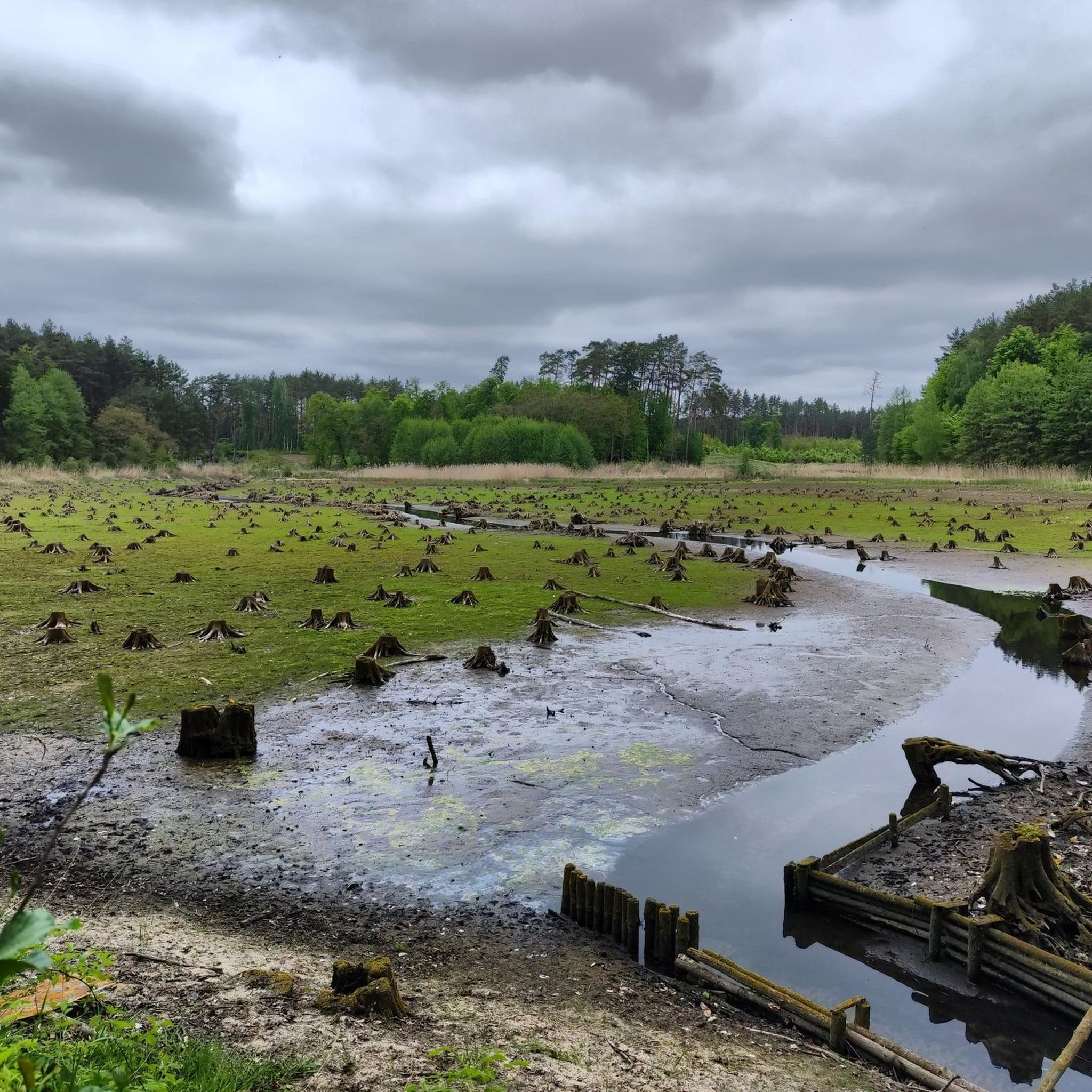
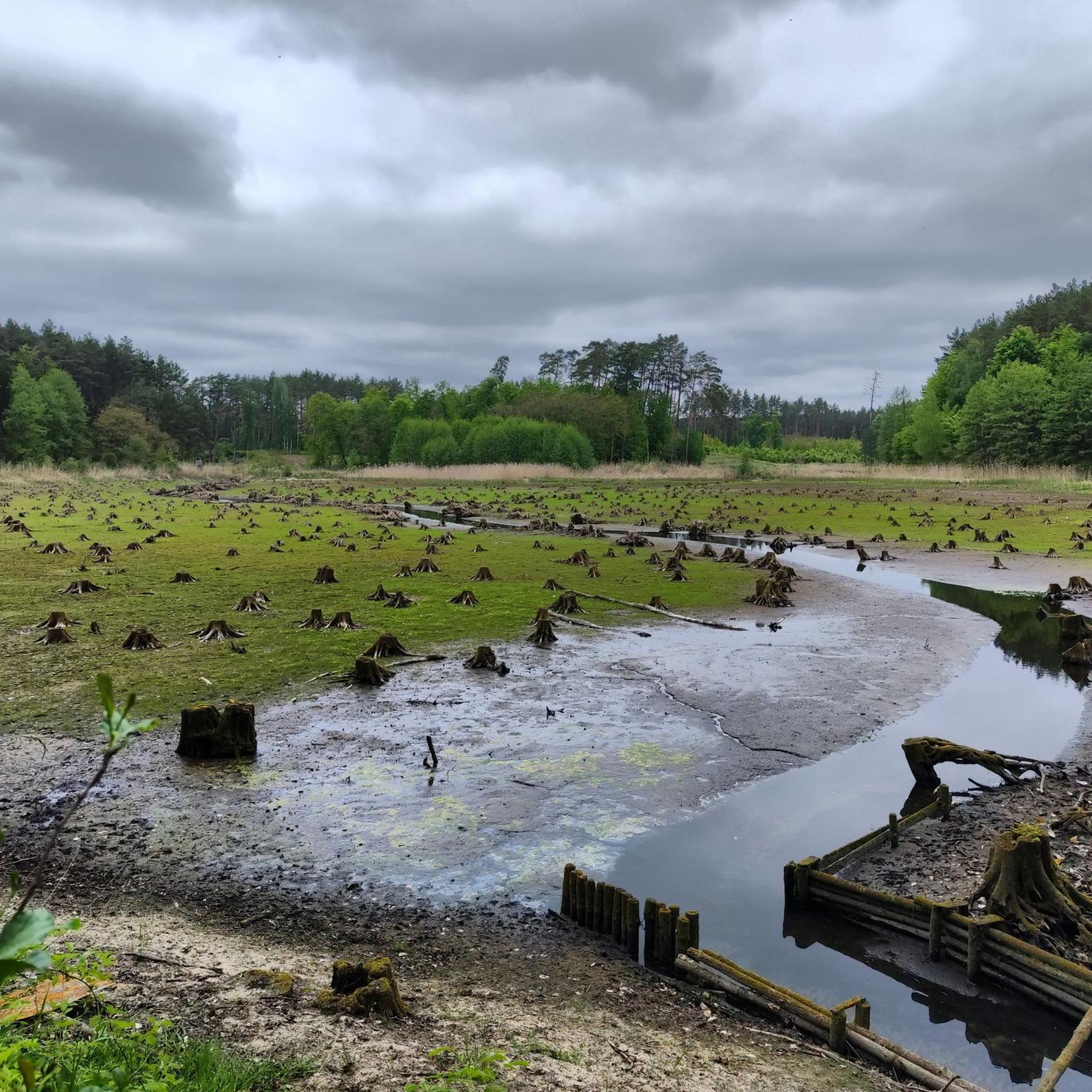
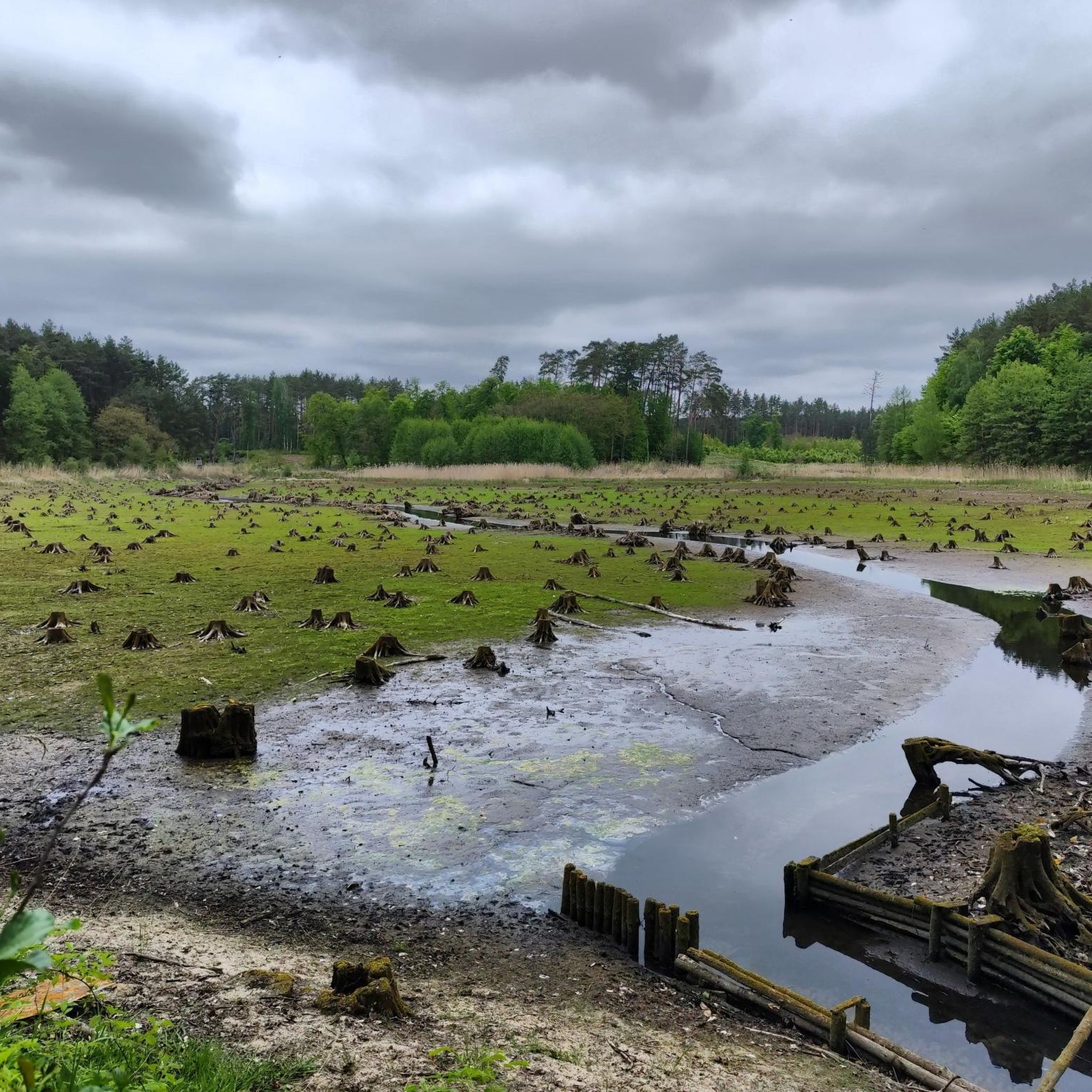
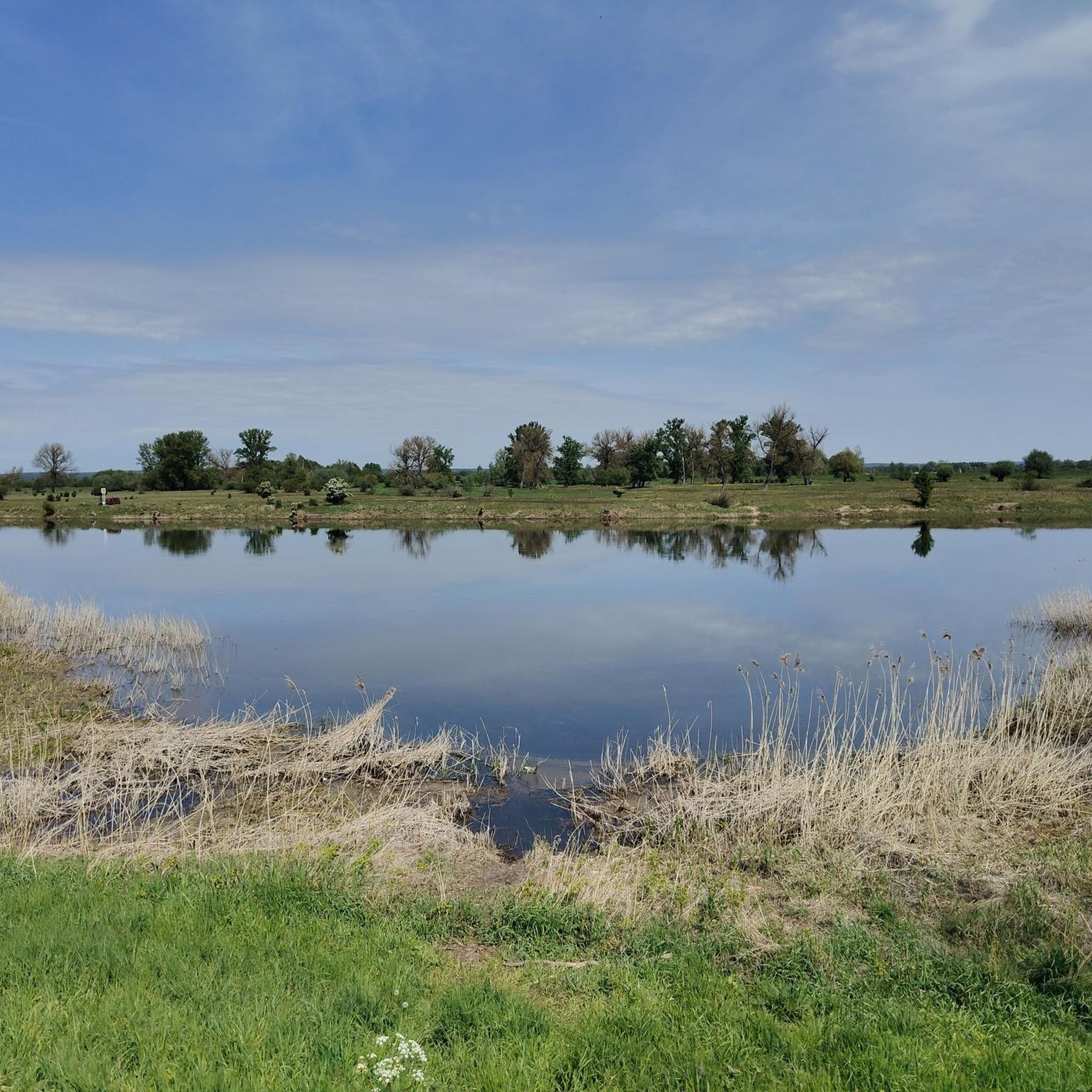

Tips from the Community

ruins of the "Dolny Młyn" mill on the Polca river (another name for the stream is Pełcz)
0
0

Fountain put into operation in 1897, fountain donated by Hermann Paucksch (Landsberg entrepreneur). More information: https://pl-m-wikipedia-org.translate.goog/wiki/Fontanna_Pauckscha?_x_tr_sl=pl&_x_tr_tl=de&_x_tr_hl=de&_x_tr_pto=sc
0
0

good access via fire roads
0
0

The largest erratic boulder in the Lubusz Voivodeship. It is about 8 meters long and 4 meters wide. It protrudes about 1 meter above the ground. It is not known how much is hidden underground. Before 1945 it was called Breitenstein - a wide boulder. Breite also means latitude (Breitengrad is a degree of latitude and Breitenkreis is a parallel), and the nearby village of Bobrówko was called Breitenstein before 1945.
3
2
Paucksch Fountain from 1897. It shows the figure of a woman carrying a koromysło with two buckets of water on her shoulders. Three figures of children sit at the woman's feet. The current sculpture is a faithful reconstruction of the original, which was dismantled and melted down for war purposes at the end of World War II. The replica was unveiled on July 2, 1997 on the 740th anniversary of Gorzów Wielkopolski in the presence of Eberhard and Wolfhart Pauksch, the grandson and great-grandson of the fountain's founder.
4
1

The well has water in summer.
0
1

This area is completely passable by MTB bike, the world of trails does not end on a thin tire in gravel.
3
0

The fountain has an original design and is located not far from the Marienkirche.
2
1
Frequently Asked Questions
What types of natural monuments can I explore in Gmina Kłodawa?
Gmina Kłodawa offers a diverse range of natural monuments. You can find impressive geological features like the Breitenstein Glacial Erratic, which is the largest erratic boulder in the Lubusz Voivodeship. The region also features significant protected areas such as the Barlinecko-Gorzowski Landscape Park, home to reserves like "Dębina" with its ancient hornbeam forests, and "Torfowiska Andromedy," a unique peat bog reserve. Additionally, you can discover individual ancient trees, including 300-year-old lime trees and clusters of old beech trees designated as natural monuments.
Are there family-friendly natural monuments or attractions in the area?
Yes, several natural monuments in Gmina Kłodawa are suitable for families. The Breitenstein Glacial Erratic and the 15th Meridian Monument (Klickstein) near Rościn are both categorized as family-friendly. The Birdwatching Viewpoint at Lake Lubieszewko also offers a pleasant, family-friendly spot with benches to relax and observe nature.
What historical or cultural sites are considered natural monuments in Gmina Kłodawa?
Beyond purely natural features, some sites blend natural and historical significance. The Paucksch Fountain, though a man-made monument, is listed among the natural monuments and has a rich history, being a faithful reconstruction of an 1897 original. Similarly, the 15th Meridian Monument (Klickstein) near Rościn marks a significant geographical line with a historical boulder.
What outdoor activities can I do near the natural monuments in Gmina Kłodawa?
The region around Gmina Kłodawa is excellent for various outdoor activities. You can explore numerous hiking trails, such as those found in the Barlinecko-Gorzowski Landscape Park or near Lake Lubie. For cyclists, there are extensive gravel biking routes. Running enthusiasts will also find many trails, including loops around Jezioro Ostrowite and Jezioro Kłodawa. You can find more details on these activities in the dedicated guides for hiking, gravel biking, and running in the area.
Are there any nature reserves worth visiting in Gmina Kłodawa?
Absolutely. Gmina Kłodawa is home to several important nature reserves. The "Dębina" Landscape-Forest Reserve, located in the picturesque valley of the Kłodawa Canal, protects magnificent hornbeam forests. Another significant area is the "Torfowiska Andromedy" Nature Reserve, a peat bog reserve known for its unique wetland ecosystems. The Santockie Zakole Nature Reserve also offers a beautiful natural setting for exploration.
What kind of wildlife can I expect to see in the natural monument areas?
The diverse ecosystems of Gmina Kłodawa, including dense forests, numerous lakes, and peat bogs, support a variety of wildlife. The region is known for various bird species, especially around lakes like Lubieszewko, where a birdwatching viewpoint is located. The "Rzeka Przyłężek" reserve specifically protects a fragment of the river known for salmonid fish. The forests also host various mammals and insects.
What is the best time of year to visit the natural monuments in Gmina Kłodawa?
The best time to visit depends on your preferred activities. Spring (April-May) is ideal for witnessing the awakening of nature, with blooming flora like common hepatica in reserves such as "Dębina." Summer (June-August) offers warm weather perfect for hiking, cycling, and water activities on the region's many lakes. Autumn (September-October) provides stunning fall foliage, especially in the extensive forests. Even winter can be beautiful for quiet walks, though some paths might be less accessible.
Are there any specific natural features related to water in Gmina Kłodawa's monuments?
Yes, water plays a significant role in the natural landscape of Gmina Kłodawa. The region is characterized by numerous lakes and rivers. The Barlinecko-Gorzowski Landscape Park includes the picturesque Źródliskowa Valley of the Płonia River, with gorges carved by numerous springs. The "Torfowiska Andromedy" reserve is a peat bog, a unique wetland ecosystem. Additionally, the Birdwatching Viewpoint at Lake Lubieszewko highlights the importance of the region's lakes for wildlife.
What makes the Barlinecko-Gorzowski Landscape Park special?
The Barlinecko-Gorzowski Landscape Park is a significant protected area covering a substantial part of Gmina Kłodawa. Established in 1991, it protects fragments of pristine mixed forest and central European hornbeam forests. Its diverse landscape includes the picturesque Źródliskowa Valley of the Płonia River, featuring unique conglomerate rock outcrops. The park offers excellent conditions for tourism and recreation, with several nature reserves like "Dębina" and "Zdroiskie Buki" within its boundaries.
Can I find ancient trees designated as natural monuments in Gmina Kłodawa?
Yes, Gmina Kłodawa is home to several impressive ancient trees that have been designated as individual natural monuments. One notable example is a 300-year-old lime tree located by the bridge between Lipy and Rybakowo. You can also find clusters of old beech trees, such as a group of three beeches near the Dzicz forester's lodge and another group of six 250-year-old beeches in Santocko, all boasting significant circumferences and heights.
Are the natural monuments in Gmina Kłodawa generally accessible?
Many natural monuments and protected areas in Gmina Kłodawa offer varying degrees of accessibility. While some areas within nature reserves might have unpaved or challenging trails, highlights like the Paucksch Fountain are noted as wheelchair accessible. For other sites, it's advisable to check specific trail conditions, especially if you plan to visit with strollers or have mobility concerns. The region's extensive network of hiking and cycling paths generally provides good access to many natural attractions.
Most popular routes around gmina gmina Kłodawa
Most popular attractions around gmina gmina Kłodawa

Get inspired with the komoot mobile app


Explore more
Extend your search for the best caves by checking out these guides of the top ones around gmina gmina Kłodawa:
