Top 6 Natural Monuments around Stężyca
Natural monuments around Stężyca showcase the rich natural landscape of this picturesque village in Kashubia, Poland. The municipality is home to 26 designated natural monuments, encompassing individual trees, groups of trees, and boulders. The region also features two significant nature reserves and a botanical garden, offering diverse natural attractions. These sites contribute to the area's biodiversity and geological heritage.
Best natural monuments around Stężyca
- The most popular natural monuments is Krypianka River Gorge in the Krępiec Nature Reserve, a…
Last updated: June 29, 2026
Krypianka River Gorge in the Krępiec Nature Reserve
Highlight • Gorge
Translated by Google •
Tip by

Ja Jest Twój Las Gateway
Highlight • Monument
Translated by Google •
Tip by

Sign up now to discover places like this
Get recommendations on the best single tracks, peaks, & plenty of other exciting outdoor places.
Sign up for free
Golden Stone
Highlight • Natural Monument
Translated by Google •
Tip by
Orońskie Peat Bog Nature Reserve
Highlight • Natural Monument
Translated by Google •
Tip by

Krępiec Nature Reserve
Highlight • Forest
Translated by Google •
Tip by
Start today with a free account
Your next adventure awaits.
Login or Signup
Tips from the Community

Currently, the road in OSM is fairly precisely drawn. After leaving the forest and entering the peat bog, the road is difficult to see, but if you find it, you can easily drive to the town of Ciosny. The terrain is very nice and it is definitely worth a trip if it is not too wet. I recommend solid tires, because it can be bumpy.
0
0

Behind the gate, the forest awaits. The spot on the side of the road is easy to miss
0
0

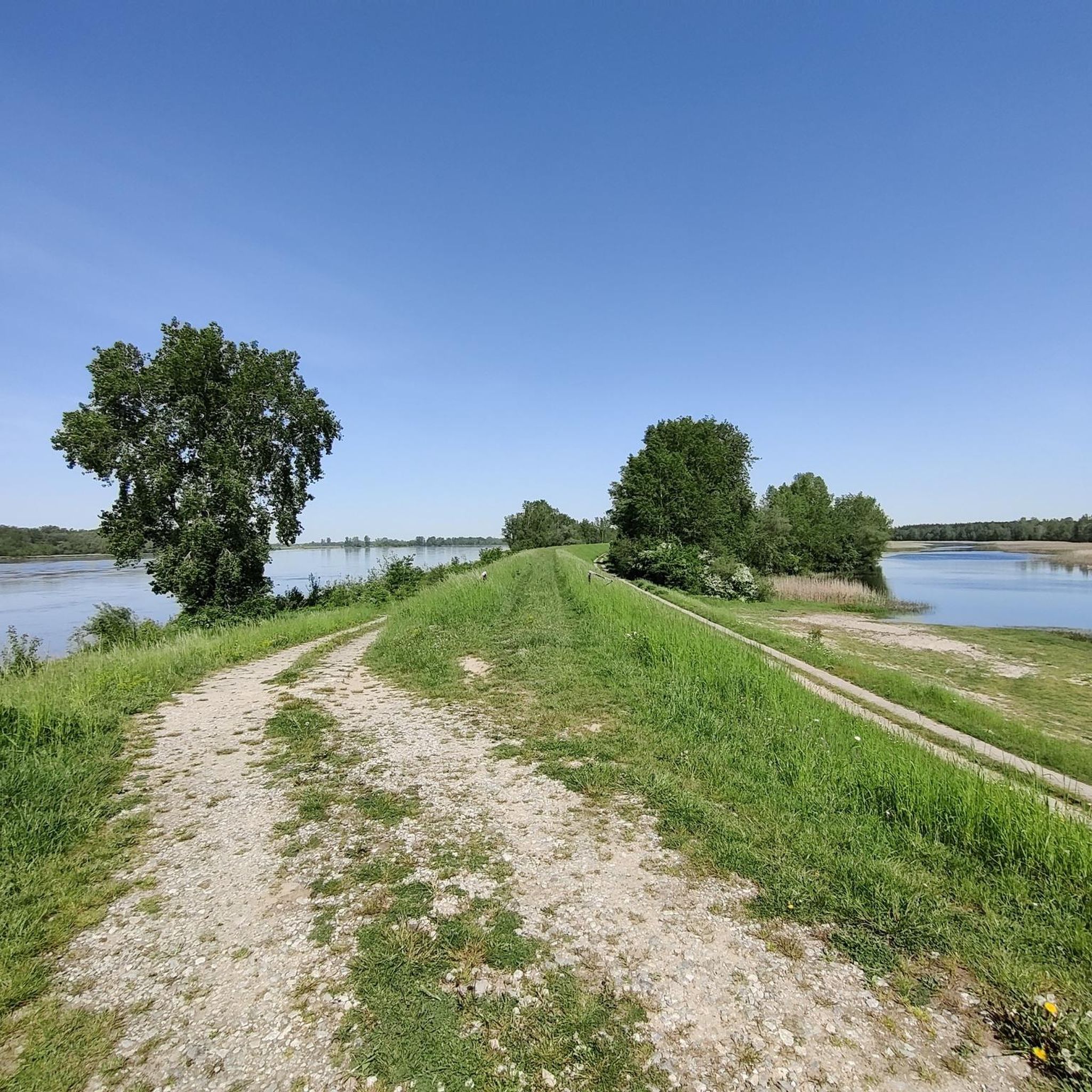
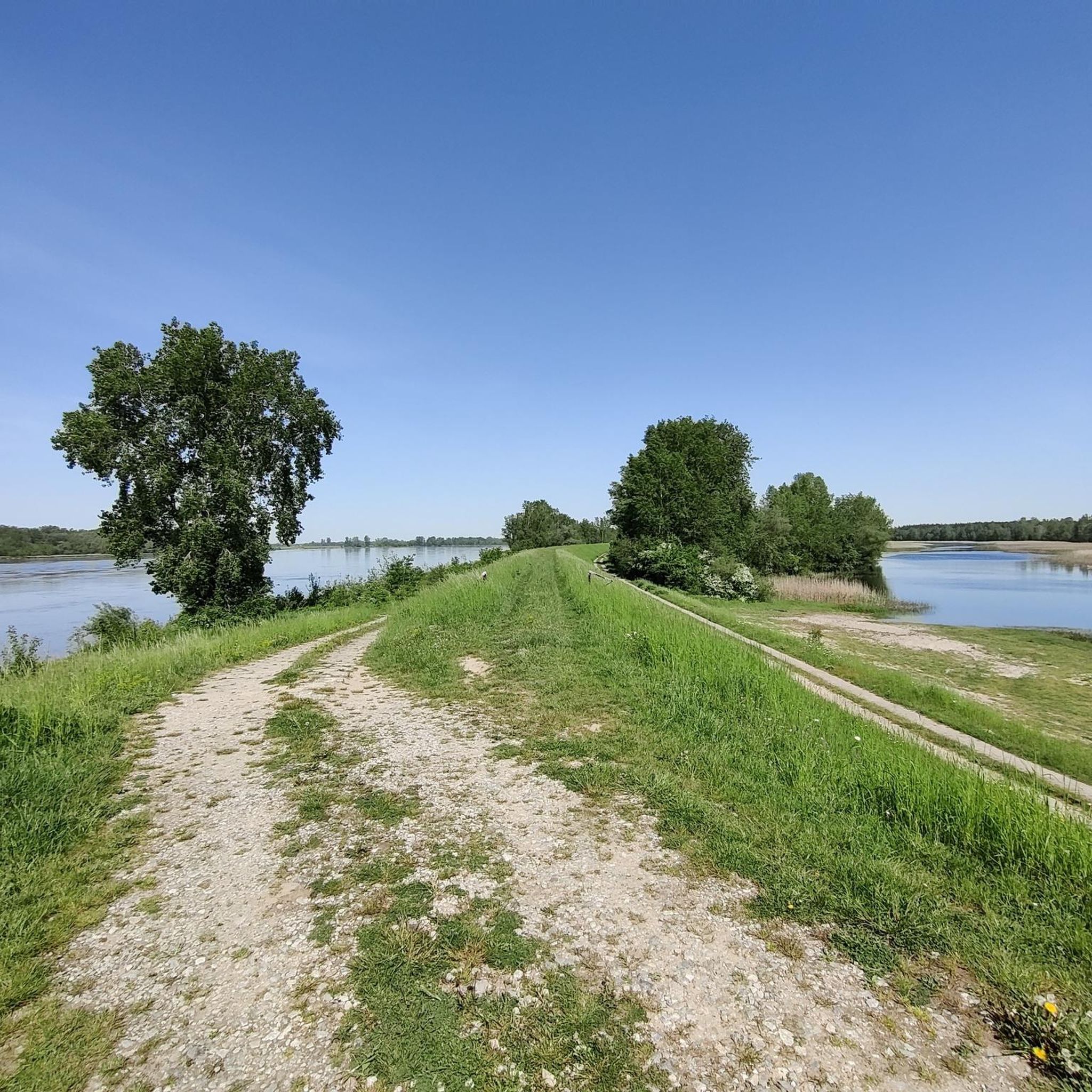
The Krępiec forest nature reserve is located in the Kozienice Landscape Park. It was established in 1994 to protect the varied landscape of a part of the Kozienicka Forest with many old (over 100-year-old) trees.
2
0
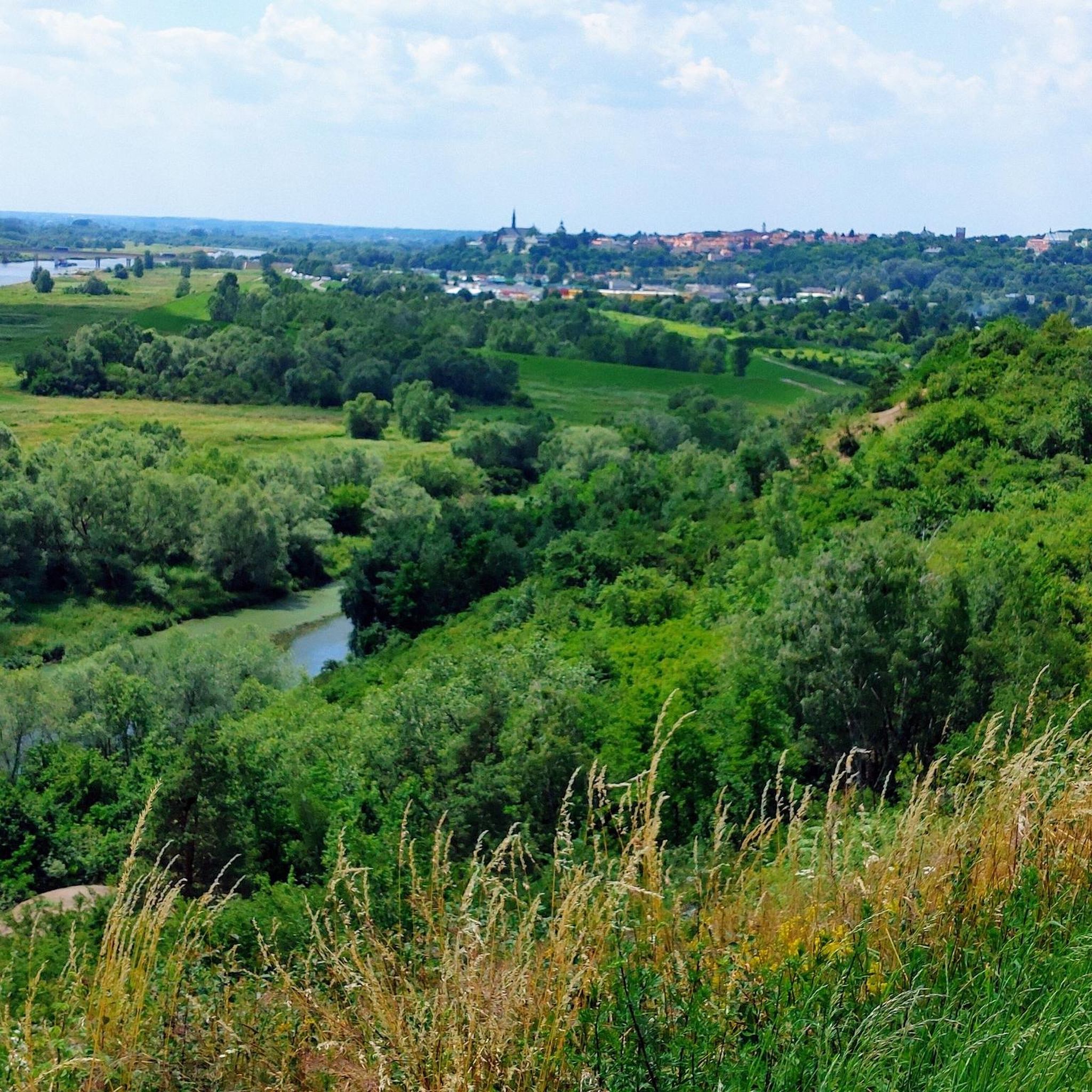
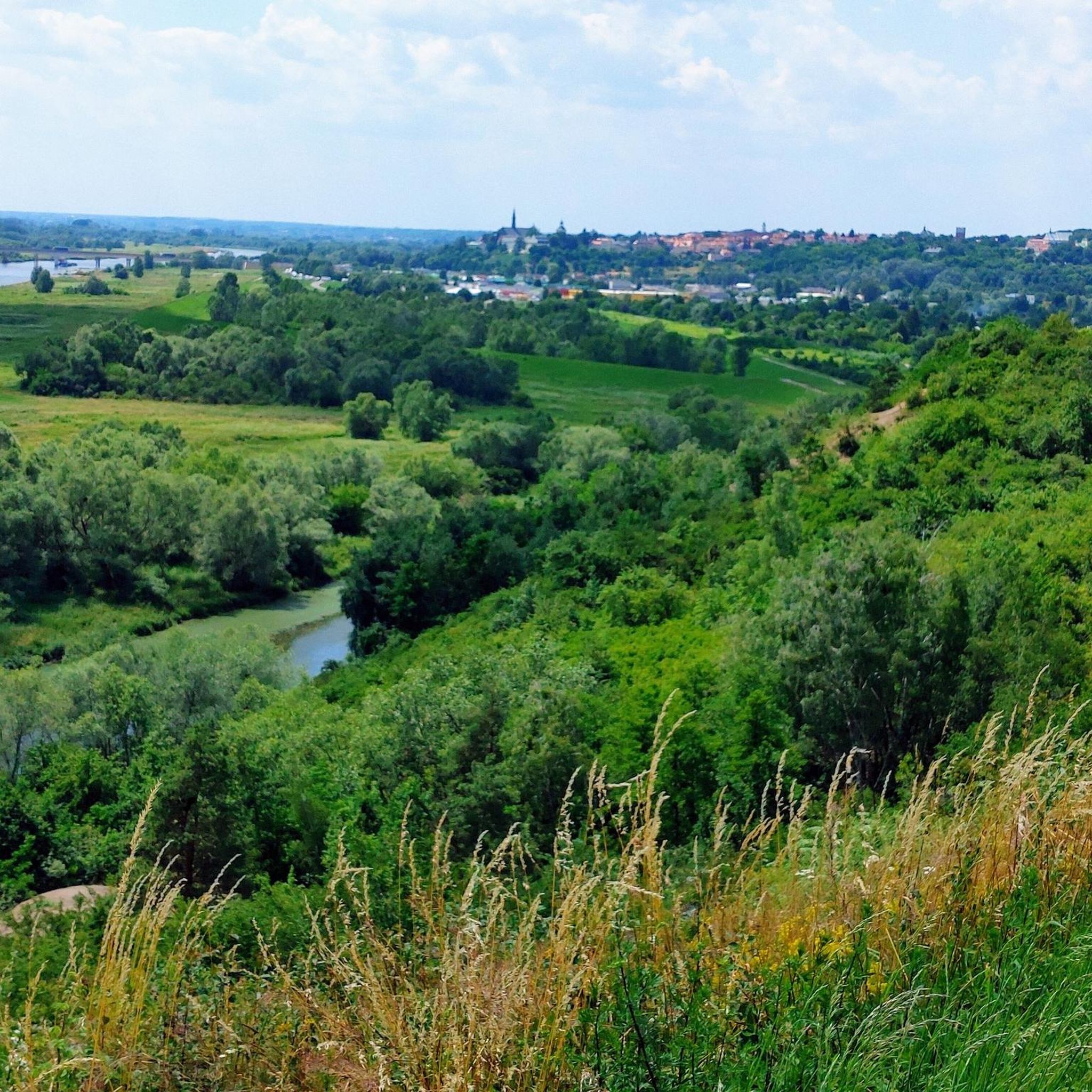
A gorge up to 20 meters deep, covered with maples. The Krypianka River flows deep inside. The place is located in the Krępiec reserve in the Kozienice Landscape Park.
2
0

Kamień is located on the edge of the Kozienicka Forest, one kilometer from the Vistula proglacial valley. From time immemorial, people have been intrigued by how such a large stone ended up in this place. Nowhere within a radius of several kilometers will you find a larger stone, and here is such a giant. People told all kinds of strange things about him. They say that it took its name from the great treasure of Sieciech buried in the area. The treasure of Sieciech began to be discussed again in the 1970s. Someone used explosives to crush the stone and break it into tiny pieces. Who did it and why? Could Sieciech's treasure be hidden under this huge boulder and finally extracted using explosives? We don't know the answers to these questions. Small parts of the beautiful stone have survived to this day. However, it attracts tourists who, following the blue trail, chip off small fragments of stone as souvenirs.
1
0
A very nice place that starts with a portal made of huge tree trunks. There is an inscription 'I am Your Forest' engraved on the trunks. Next to it there is a complete hut and a place for a bonfire, and behind the hill there is a forest path, which I will probably visit next time.
0
0

It is worth deviating from the main forest road into the reserve to admire the peat bogs. Although the road is marked on the map, it is not possible to pass or walk - after a few hundred meters you reach vast, marshy peat bogs and there is no road further. Maybe during the drought it would be possible to get through here somehow?
0
0

A wonderful gorge with a depth of up to 20 meters, with a stream flowing through it. The ravine is covered with sycamore maples. You can see the work of beavers in many places.
1
0
Frequently Asked Questions
What types of natural monuments can I find around Stężyca?
The Stężyca municipality is rich in natural heritage, featuring 26 designated natural monuments. These include individual ancient trees, distinctive groups of trees, and significant erratic boulders. Beyond these, the area boasts two important nature reserves and a botanical garden, offering a diverse range of natural attractions.
Are there any significant nature reserves to explore near Stężyca?
Yes, Stężyca is home to two notable nature reserves. The Szczyt Wieżyca Nature Reserve protects a well-preserved beech forest on the highest peak in the Central European Lowlands, offering panoramic views from the Jan Paweł II Observation Tower. The Ostrzycki Las Nature Reserve safeguards a diverse forest ecosystem with over 400 species of vascular plants, including rare beech forest types, on the slopes of the Ostrzyckie Lake trough. For more information on Szczyt Wieżyca, you can visit Wikipedia.
What can I expect to see at the Golubieński Botanical Garden?
The Golubieński Botanical Garden, located near Lake Patulski, is a charming attraction with approximately 6,000 species and varieties of plants from various climatic zones. It features thematic sections like an alpine garden, a herbal garden, and an aquatic plant section. It's an ideal spot for nature lovers, photographers, and those cycling through Kashubia, offering serene walks and educational insights into plant diversity.
Are there family-friendly natural monuments in the Stężyca area?
Absolutely. The Ja Jest Twój Las Gateway is a family-friendly spot featuring a unique portal made of huge tree trunks with the inscription 'I am Your Forest,' along with a hut and a bonfire area. The Golubieński Botanical Garden is also a delightful and educational experience for all ages, with its diverse plant collections and walking paths. Additionally, the Jan Paweł II Observation Tower at Szczyt Wieżyca offers an accessible way for families to enjoy panoramic views.
What kind of hiking opportunities are available near Stężyca's natural monuments?
The region around Stężyca offers excellent hiking opportunities. A black tourist trail runs through the Szczyt Wieżyca Nature Reserve, leading to the observation tower. The Ostrzycki Las Nature Reserve features a red PTTK hiking trail. For more structured routes, you can explore various trails, including easy and moderate options, by checking the Hiking around Stężyca guide.
Can I go cycling near the natural monuments?
Yes, cycling is a popular way to explore the picturesque Kashubia region around Stężyca. The Golubieński Botanical Garden is a great stop for cyclists, and the area offers numerous routes. You can find various cycling tours, including easy and moderate options, in the Cycling around Stężyca guide.
What is the best time of year to visit the natural monuments around Stężyca?
The best time to visit largely depends on your interests. Spring and summer (May to September) are ideal for enjoying the lush greenery, vibrant flora at the botanical garden, and comfortable hiking conditions. Autumn (October) offers stunning fall foliage, particularly in the beech forests of Wieżyca and Ostrzycki Las. Winter provides opportunities for skiing and snowboarding on the southern slopes of Wieżyca, making it a unique experience for winter sports enthusiasts.
Are there any natural monuments with historical significance?
Yes, the Golden Stone is a natural monument with a rich history. This large boulder, located on the edge of the Kozienicka Forest, has intrigued locals for centuries due to its unusual presence. Legends and tales, including one about the treasure of Sieciech, surround this geological remnant, adding a layer of mystery to its natural appeal.
What unique natural features can I observe in the Stężyca area?
Beyond the prominent reserves, you can observe unique features like the deep Krypianka River Gorge, up to 20 meters deep and covered with maples, where you might even spot beavers. The Orońskie Peat Bog Nature Reserve offers a glimpse into marshy peatland ecosystems, though access can be challenging. The Zagożdżonka River, flowing through the Kozienicka Forest, is another natural attraction where European beavers are known to reside.
Are the natural monuments around Stężyca dog-friendly?
While specific regulations can vary, many natural areas in Poland, including parts of nature reserves and forests, generally allow dogs on a leash. However, it's always best to check local signage or specific reserve rules for places like Szczyt Wieżyca and Ostrzycki Las, as some sensitive areas might have restrictions to protect wildlife. The Golubieński Botanical Garden may also have specific policies regarding pets.
Where can I find accommodation or places to eat near the natural monuments?
Stężyca and the surrounding Kashubian Switzerland region offer various accommodation options, from guesthouses to agritourism farms. You'll also find local cafes and pubs in Stężyca village and nearby towns. For specific recommendations, it's advisable to check local listings or tourist information centers in the area, especially if you plan to stay close to a particular natural monument like Wieżyca or the Botanical Garden.
Are there any viewpoints offering panoramic scenery?
Yes, the Jan Paweł II Observation Tower located at the summit of Wieżyca Peak (within the Szczyt Wieżyca Nature Reserve) provides magnificent panoramic views of the central Kashubia region. From here, you can admire the diverse post-glacial landscape, including rolling hills, numerous lakes, and dense forests.
Most popular attractions around Stężyca

Get inspired with the komoot mobile app


