Top 13 Natural Monuments around gmina Lubomierz
Best natural monuments around gmina Lubomierz are found within the Jizera Foothills, showcasing diverse natural landscapes. The region features ancient forests, volcanic remnants, and impressive rock formations. These sites provide opportunities for geological exploration and serene natural escapes. The area is characterized by its varied terrain, from steep gorges to historic dams.
Best natural monuments around gmina Lubomierz
- The most popular natural monument is Lwówek Rocks, a natural monument consisting of sandstone rock formations. This group of formations, also…
Last updated: October 15, 2026
Saint Wolfgang's Spring
Highlight • Natural Monument
Translated by Google •
Tip by

Lwówek Rocks
Highlight • Natural Monument
Translated by Google •
Tip by

Sign up now to discover places like this
Get recommendations on the best single tracks, peaks, & plenty of other exciting outdoor places.
Lwóweckie Skały
Highlight • Natural Monument
Translated by Google •
Tip by

Cudowne Źródełko Spring
Highlight • Natural Monument
Translated by Google •
Tip by

Ostrzyca Proboszczowicka
Highlight • Volcano
Translated by Google •
Tip by

Sign up for free to discover even more natural monuments around gmina Lubomierz.
Already have an account?
Start today with a free account
Your next adventure awaits.

Tips from the Community


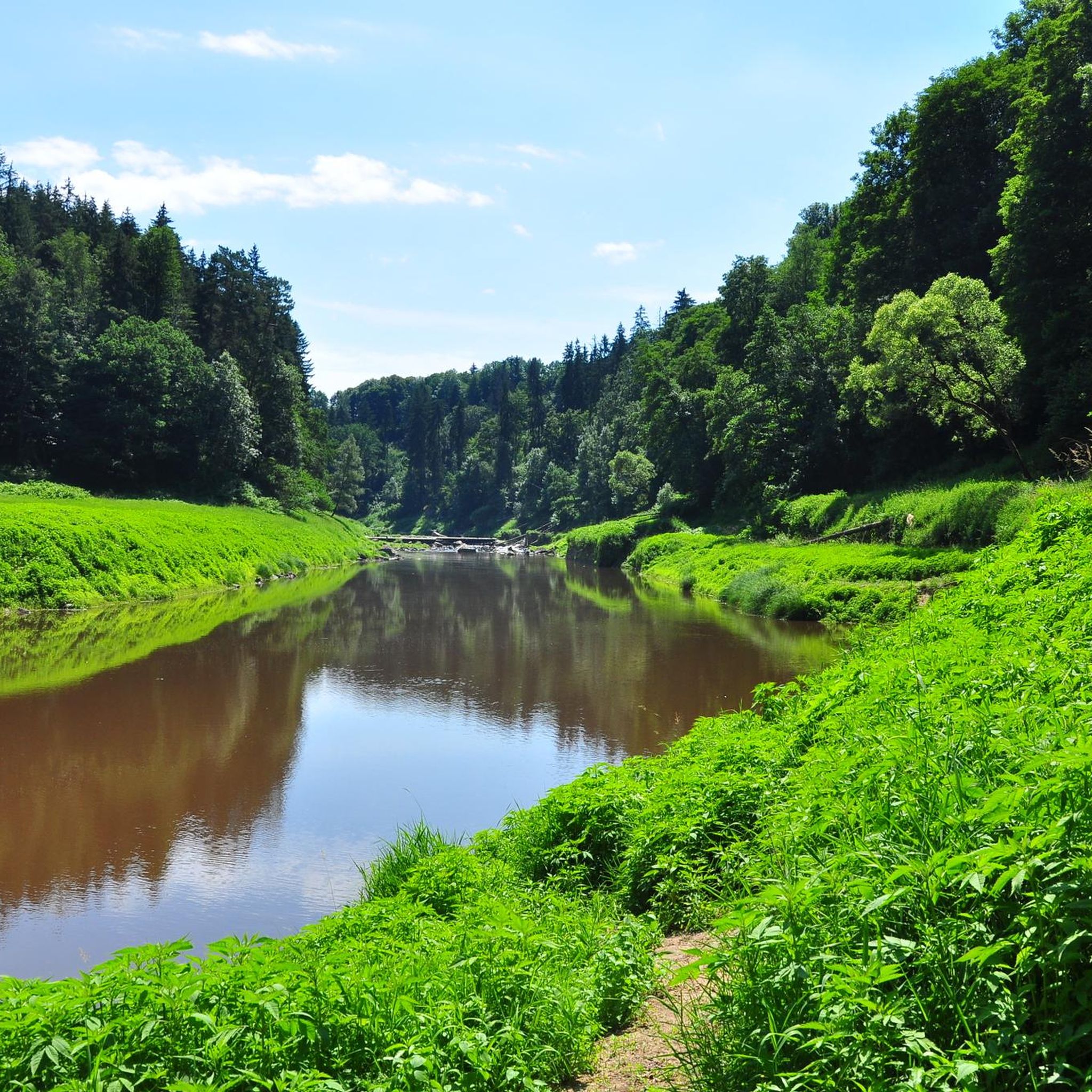
Saint Wolfgang's Spring Saint Wolfgang's Spring (known as Wolf's Spring) was worshipped in pre-Christian times as water that was believed to have miraculous properties. At the beginning of the Christianization of the Sudetes, the spring was attributed to Saint Wolfgang. There are many legends and tales associated with the spring. One of them says that it was the saint who drank from the spring while walking along a nearby path, while another - probably much earlier - says that a witch cast spells on the spring, depriving it of its magical properties. Saint Wolfgang, the patron saint of shepherds, among others, was sent from Germany to Hungary as the most suitable person to evangelize the local people. Who knows, maybe he also stopped by Querbach (Przecznica) and Gierhen (Gierczyn) on his way? Either way - the water is delicious. I have not determined whether it has magical properties, but it is very cold and tasty. In the 19th century, the spring flowing from the rocks was enclosed in blocks of granite gneiss and a name was put on it. The name "wolfram spring" or even St. Wolfram's spring is also used (probably due to the cobalt and wolfram deposits occurring in the region along with tin).
0
0

Lwóweckie Skały is a picturesque group of rock formations located on the outskirts of Lwówek Śląski, in the Kaczawskie Mountains. It is made up of unique sandstone monadnocks, which have been shaped by erosion over the centuries, giving them fanciful shapes. The most famous of them are Szwajcaria Lwówek and the rocks in the area of Pałka and Wzgórza Skałka. This place is perfect for a short hike, as well as a bike route, especially for people who like light off-road challenges. It is worth taking solid shoes, because the paths can be rocky, and from some of the rocks there are beautiful views of the Bóbr Valley and the surroundings of Lwówek Śląski.
2
0

The Miraculous Spring is located at the foot of Mount Kapliczna, just behind Jelenia Góra on the Bóbr River. It is not known when it was created - sometimes it is said to be connected with the old castle nearby on Krzywousty Hill, and sometimes with the chapel on Mount Kapliczna. It is not known, but the place is popular, although the water does not seem to have any special powers!
4
0

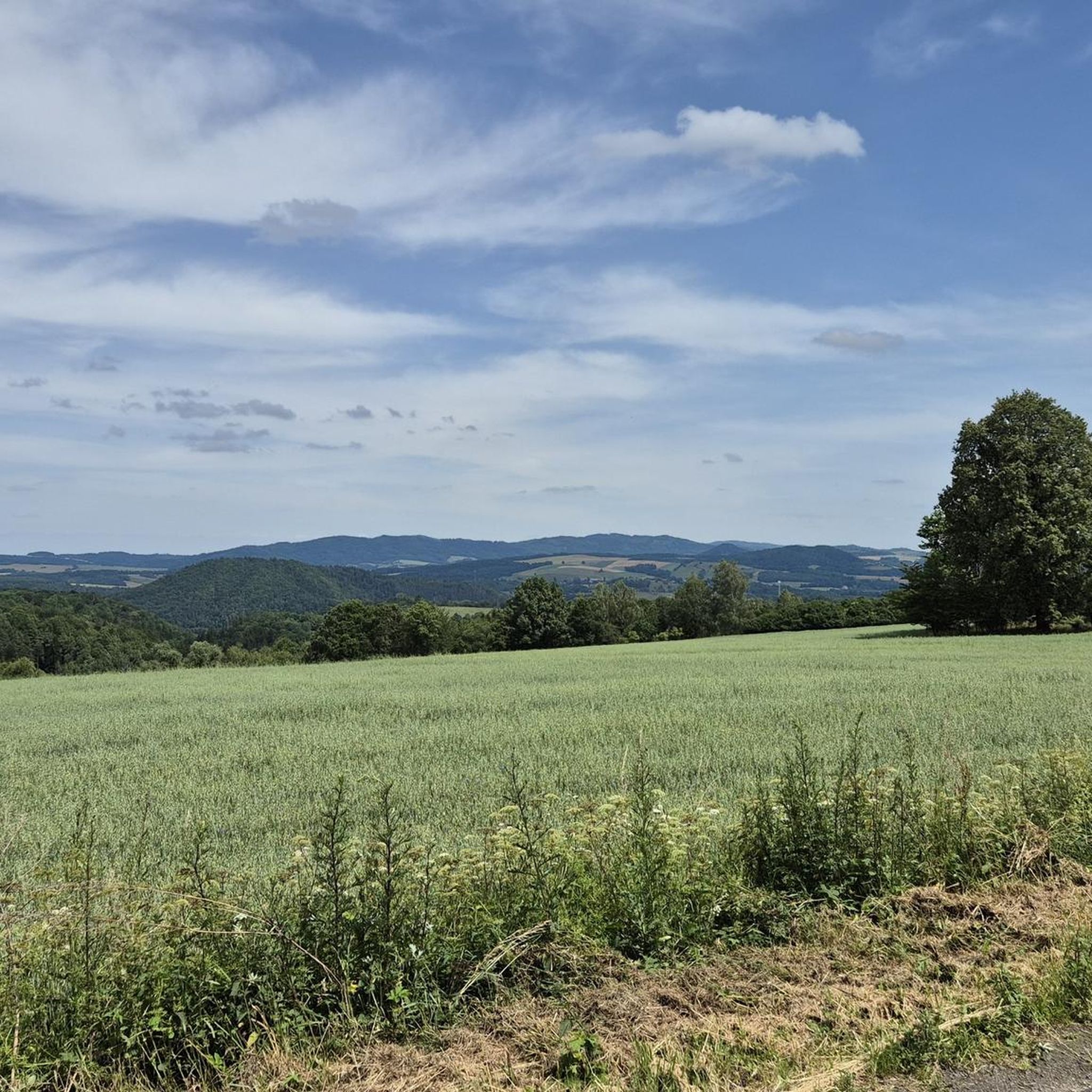
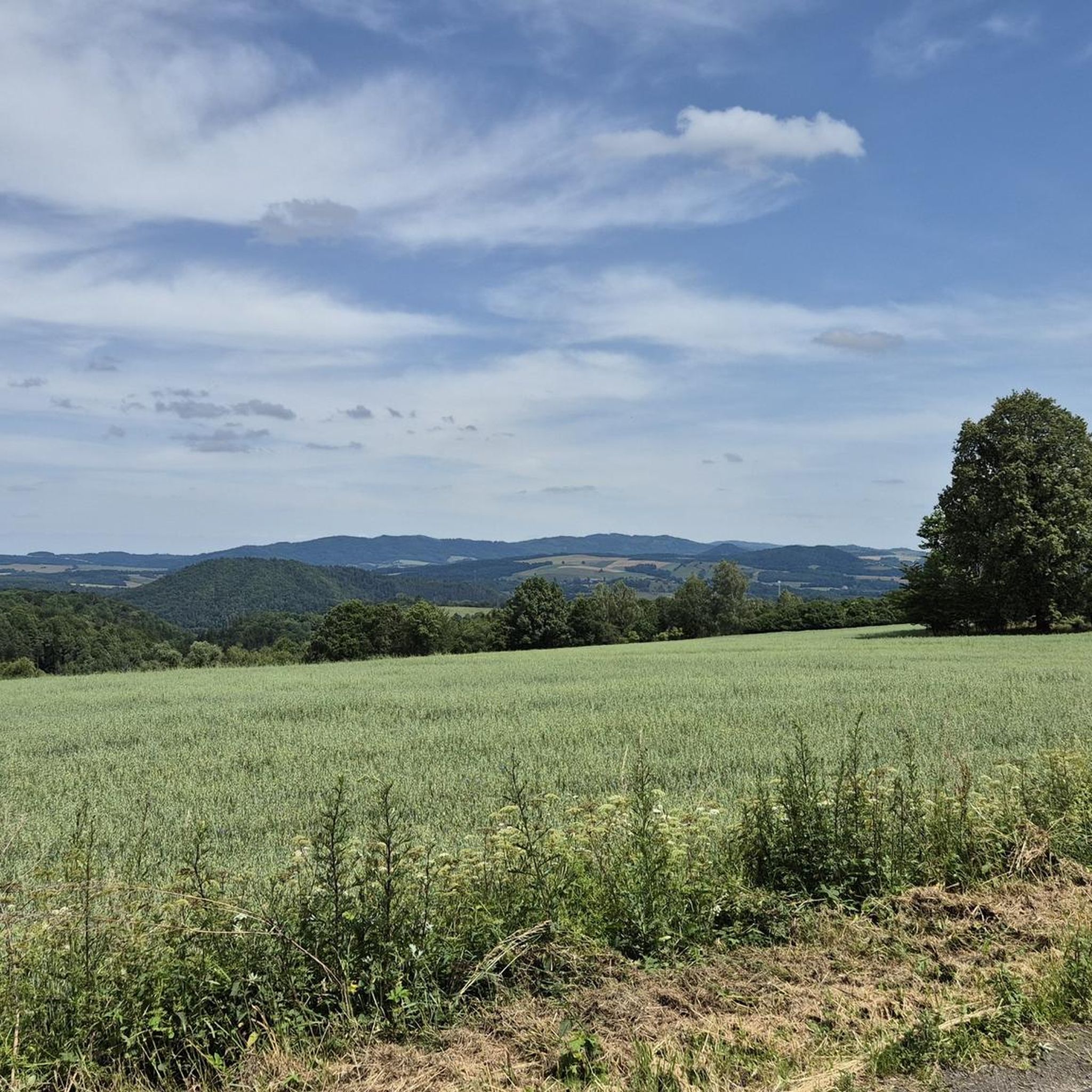
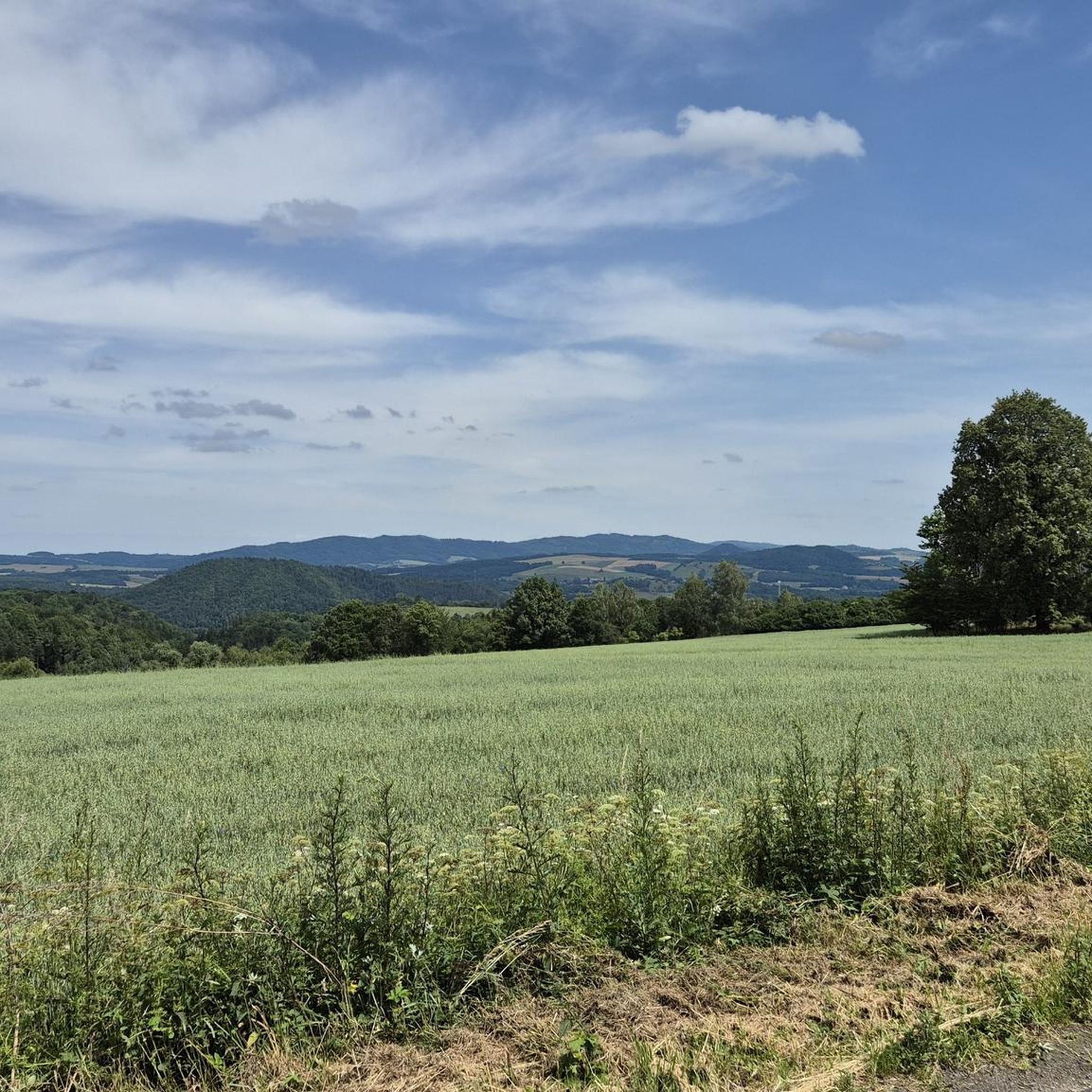
Ostrzyca Proboszczowicka is the highest peak of the Kaczawskie Foothills. In reality, it is a volcanic neck, a fragment of a volcano chimney that was active about 20-25 million years ago, prepared by erosion. The elevation, rising to a height of 501 m above sea level above the flat area, is made of basanite, a volcanic rock poor in silica. In the top part, you can admire the largest rock fields in the Sudetes and a columnar joint occurring in basanites.
2
0

Lwówecké Rocks (Czech: Lwówecké Švýcarsko, German: Löwenberger Schweiz) – a group of sandstone rock formations in Lwówek Śląski, located in the Bóbr Valley Landscape Park, resembling the structures that built the Table Mountains. Löwenberger Schweiz is located southeast of the city center at an altitude of 250-260 m above sea level. It consists of interesting rock formations and labyrinths with cliffs up to 30 m high. https://pl.wikipedia.org/wiki/Szwajcaria_Lw%C3%B3wecka
3
0


The spring is said to have healing powers - at least the locals diligently fetch water from there.
4
0
Frequently Asked Questions
What are some of the most popular natural monuments to visit around Gmina Lubomierz?
Visitors frequently enjoy the unique sandstone formations of Lwówek Rocks, also known as Szwajcaria Lwówecka, which feature cliffs up to 30 meters high. Another favorite is Ostrzyca Proboszczowicka, a striking volcanic plug offering panoramic views. The serene Saint Wolfgang's Spring, known for its cold, tasty water and local legends, is also highly regarded.
Are there any natural monuments suitable for families with children?
Yes, several natural monuments are family-friendly. The Cudowne Źródełko Spring is a pleasant spot. Additionally, the Saint Wolfgang's Spring is known for its legends, which can be engaging for children. The green-marked trail through Dziki Wąwóz (Wild Gorge) offers an accessible walk to the impressive Dziki Wodospad (Wild Waterfall), and the Pilchowice Dam area provides opportunities for kayaking and pedal boating on the lake.
What kind of unique geological features can I explore in the Gmina Lubomierz area?
The region is rich in geological wonders. Ostrzyca Proboszczowicka is a prime example of a volcanic plug with remarkable hexagonal columnar jointing. Dziki Wąwóz (Wild Gorge) showcases steep, rocky slopes with ravines and outcrops of gneisses, granites, and shales. The picturesque sandstone formations of Szwajcaria Lwówecka and Panieńskie Skały also offer fascinating examples of intensive weathering.
Where can I find ancient or monumental trees in the region?
Gmina Lubomierz is home to several impressive individual trees. In Maciejowiec, within the palace and park complex, you can find a magnificent common beech with a circumference of over 4 meters. Another notable beech, affectionately named 'Lubomił,' stands in the town square of Lubomierz, near the historic church and Benedictine monastery.
Are there any significant historical or cultural sites combined with natural beauty?
Absolutely. The Pilchowice Dam on the Bóbr River is a significant engineering feat constructed between 1902 and 1912, offering breathtaking views of the structure and the expansive Pilchowice Lake. The park in Maciejowiec, home to a monumental beech tree, dates back to the 19th century and combines natural beauty with historical architecture. The Saint Wolfgang's Spring is also steeped in pre-Christian and local legends.
What outdoor activities can I do near these natural monuments?
The area offers diverse outdoor activities. You can explore running trails, such as the 'Pilchowice Dam – View of Lake Pilchowickie loop from Pałac Maciejowiec' or the 'View of the Bóbr River loop from Pałac Maciejowiec'. For cycling enthusiasts, there are gravel biking routes like the 'Pilchowice Dam – Wrzeszczyńskie Lake loop from Strzyżowiec' and MTB trails including the 'Lwówek Rocks – Szwajcaria Lwówecka Cliffs loop from gmina Lwówek Śląski'. You can find more details on these activities in the Running Trails around gmina Lubomierz, Gravel biking around gmina Lubomierz, and MTB Trails around gmina Lubomierz guides.
Are there hiking trails that lead to viewpoints of the natural monuments?
Yes, many natural monuments double as excellent viewpoints. The ascent to Ostrzyca Proboszczowicka, involving approximately 400 basalt steps, rewards hikers with fantastic panoramic views of the Karkonosze Mountains. The Pilchowice Dam offers breathtaking views from its crest, and a blue-marked trail leads to an old railway bridge. The Lwówek Rocks and Lwóweckie Skały also provide scenic walks with views of the Bóbr Valley.
What is the best time of year to visit the natural monuments around Gmina Lubomierz?
The natural monuments are beautiful year-round, but spring, summer, and early autumn are ideal for hiking and outdoor activities, when the weather is mild and the foliage is lush. Spring brings blooming rhododendrons to the Maciejowiec park. Autumn offers vibrant colors, especially in forested areas like Dziki Wąwóz. Winter can provide a serene, snow-covered landscape for those interested in quieter walks, though some trails might be more challenging.
What is Dziki Wąwóz (Wild Gorge) and what makes it special?
Dziki Wąwóz is a recently designated nature reserve located between Maciejowiec and Pokrzywnik. It's special for its well-preserved forest communities, exceptional geomorphological features, and scenic beauty. The gorge features steep, rocky slopes, ravines, and striking rock outcrops. A highlight is the Dziki Wodospad (Wild Waterfall), framed by towering rock walls, which is a truly immersive experience for nature lovers.
Can I find any natural springs with drinkable water in the area?
Yes, the Saint Wolfgang's Spring is known for its very cold and tasty water. Locals also diligently fetch water from the Cudowne Źródełko Spring, which is said to have healing powers.
What do visitors enjoy most about the natural monuments in Gmina Lubomierz?
Visitors particularly appreciate the tranquility and impressive geological formations found in places like Dziki Wąwóz. The panoramic views from summits such as Ostrzyca Proboszczowicka are highly praised. The unique rock formations of Szwajcaria Lwówecka and the historical significance of sites like the Pilchowice Dam also receive positive feedback, along with the delicious water from the natural springs.
Are there any less crowded natural attractions or hidden gems?
While popular spots attract many, exploring the green-marked tourist trail through Dziki Wąwóz (Wild Gorge) can offer a more tranquil experience, especially outside peak hours. The monumental trees in Maciejowiec and Lubomierz provide charming natural landmarks that are often part of a broader historical context, offering a peaceful natural escape within the region.
Most popular routes around gmina Lubomierz
Most popular attractions around gmina Lubomierz

Get inspired with the komoot mobile app


Explore more
Extend your search for the best caves by checking out these guides of the top ones around gmina Lubomierz:
