Top 20 Natural Monuments around Podgórzyn
Natural monuments around Podgórzyn are found in a village situated at the foot of the Karkonosze Mountains in southwestern Poland. This area offers a diverse natural landscape within the Lower Silesian Voivodeship. The region features a variety of natural attractions, from mountain peaks to waterfalls and unique rock formations. It serves as a base for exploring the designated natural monuments near Podgórzyn.
Best natural monuments around Podgórzyn
- The most popular natural monuments is Mały Staw (Little Pond) and Samotnia Mountain…
Last updated: October 15, 2026
Śnieżka (Schneekoppe) Summit
Highlight • Summit
Unfortunately, only the kiosk on the Czech side is still open.
Translated by Google •
Tip by

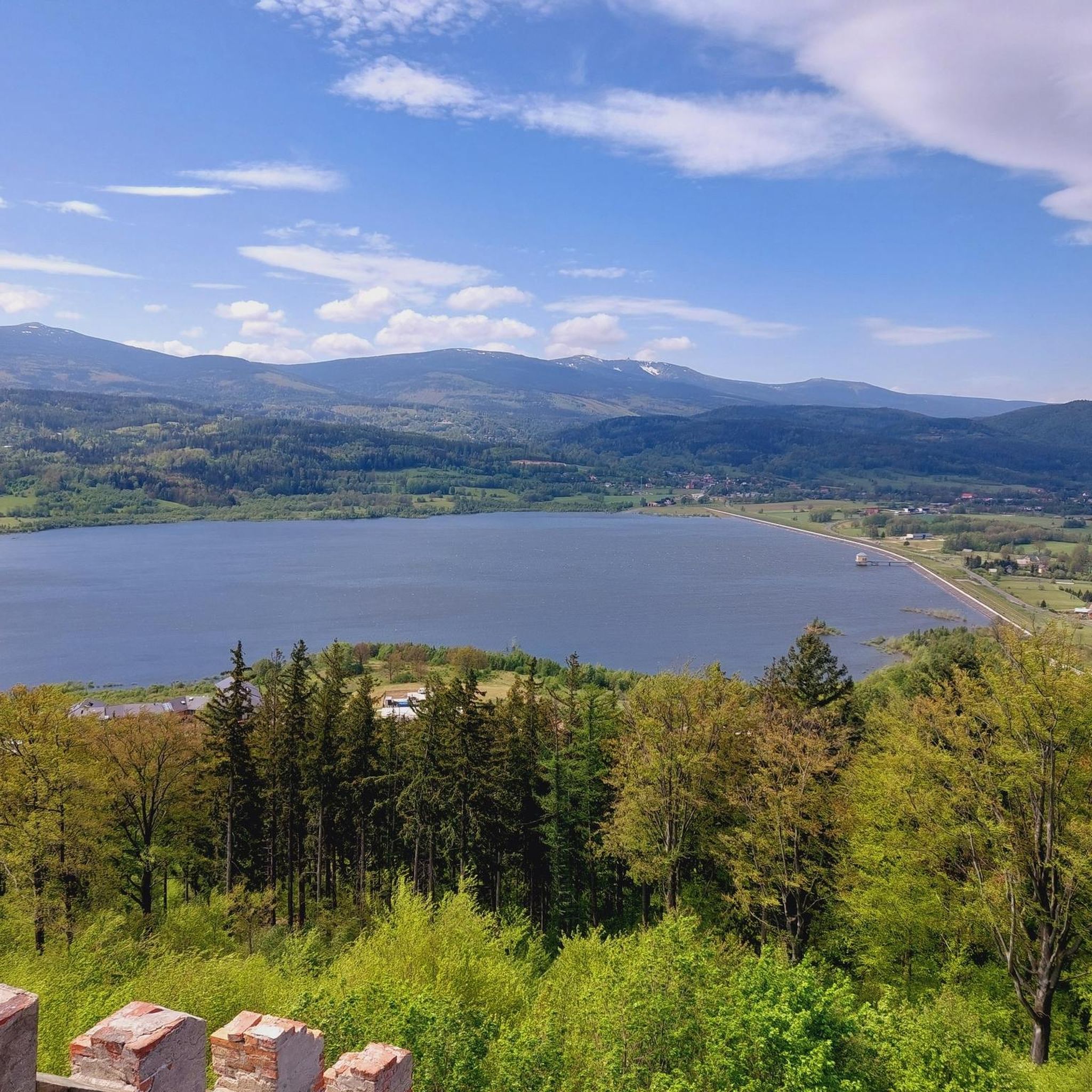
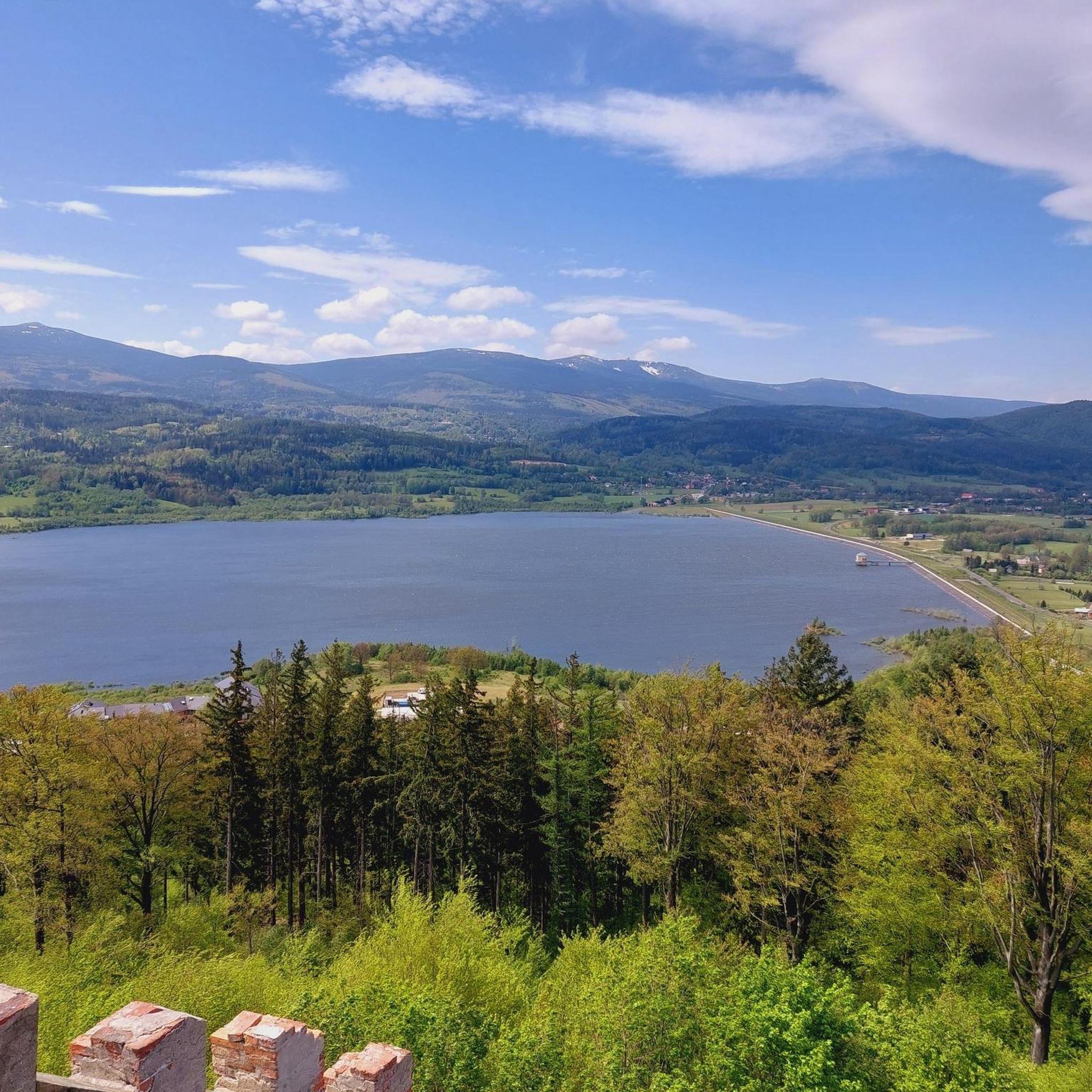
View of Śnieżka
Highlight • Viewpoint
Translated by Google •
Tip by

Sign up now to discover places like this
Get recommendations on the best single tracks, peaks, & plenty of other exciting outdoor places.
Source of the Elbe
Highlight • River
Translated by Google •
Tip by

Pančava Waterfall
Highlight • Waterfall
Showing Translation
Tip by

Kamieńczyk Waterfall
Highlight • Waterfall
Translated by Google •
Tip by

Sign up for free to discover even more natural monuments around Podgórzyn.
Already have an account?
Start today with a free account
Your next adventure awaits.

Tips from the Community

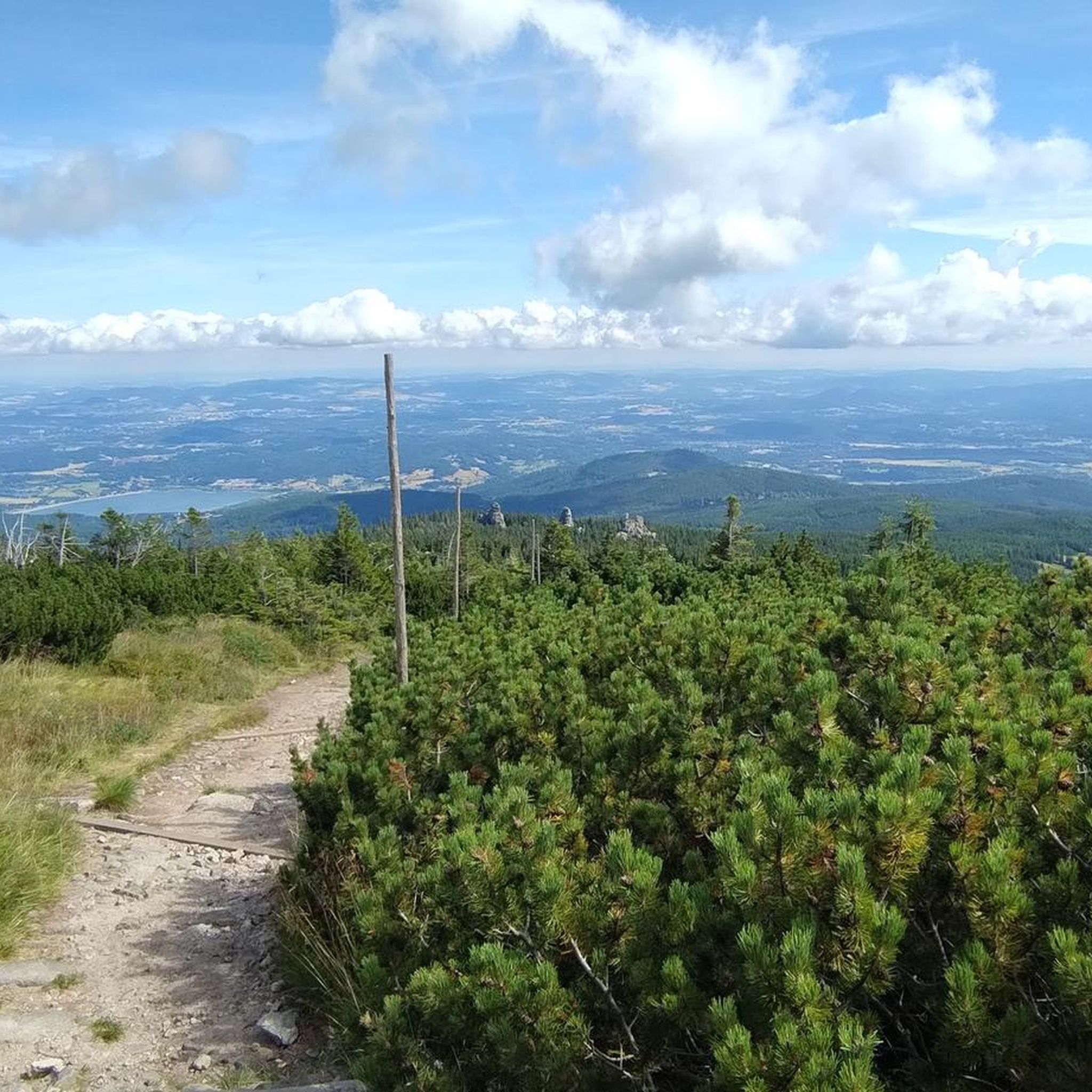
If you go to Sněžka in the summer, wear autumn clothes. If you go to Sněžka in the autumn, wear winter clothes. If you go to Sněžka in the winter, wear clothes that you would also wear in the Arctic! And if you go to Sněžka in the spring, wear clothes for all four seasons. 🌦️😅
7
0

The climb was totally worth it, being rewarded with this impressively beautiful waterfall and view 🥰.
11
0

The Pančevo waterfall, located approximately one kilometer from the Labská bouda, is the highest waterfall in the Giant Mountains at 148 meters.
9
0
Its symbolic source lies at an altitude of 1,386 m above sea level. It is enclosed in a brick ring with inflow and outflow, and its stone-paved surroundings offer benches for relaxation. In 1968, a wall of rough rock was added, bearing the coats of arms of 26 important cities through which the Elbe flows on its way to the North Sea.
7
0

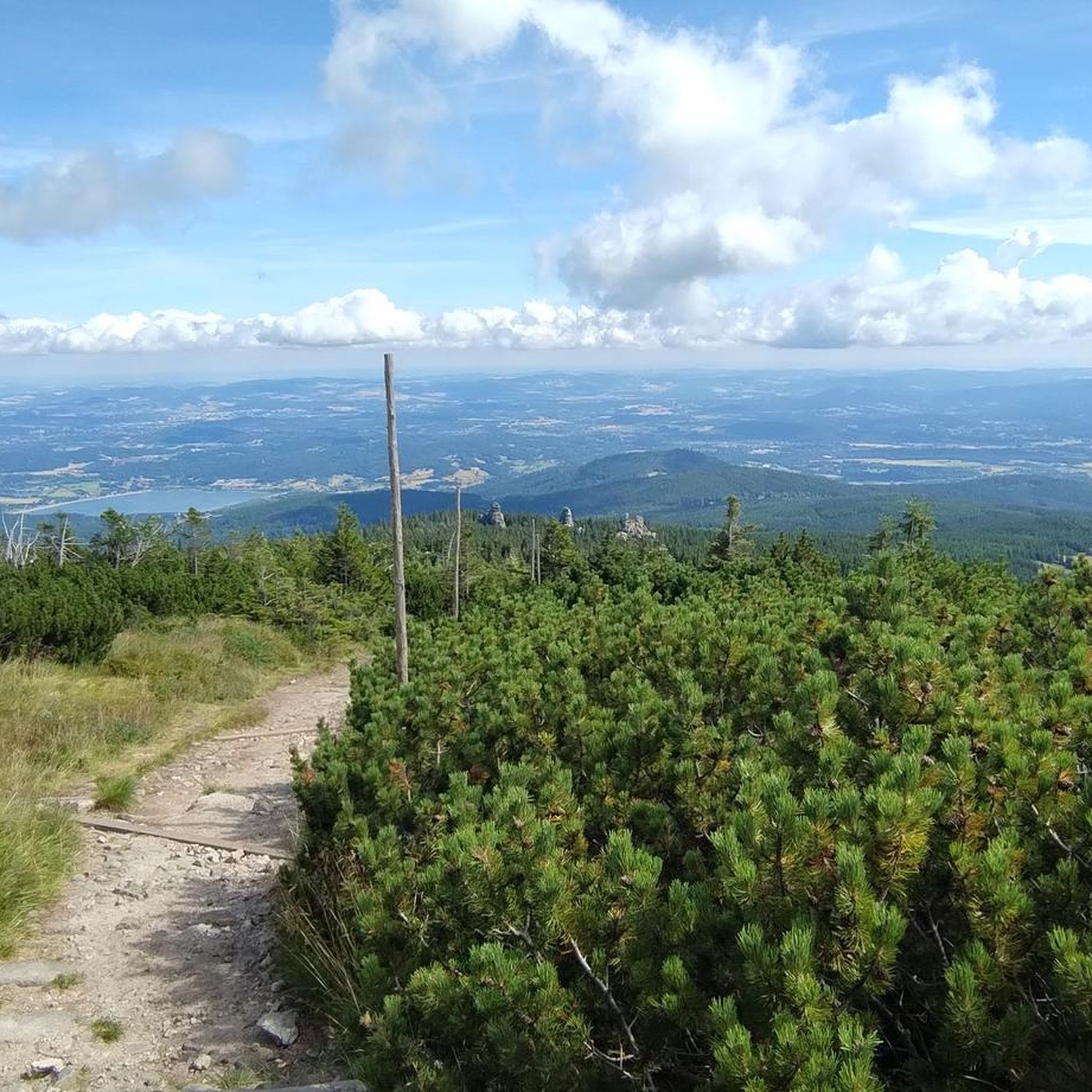
Once you reach the top you usually have a great panoramic view, unfortunately I didn’t
2
0

The waters of the Kamieńczyk fall 27 metres into the depths here. Together with the Wolf Falls in the Kłodzko Snęczyk Mountains (also 27 metres), it is the second highest waterfall in Poland. If you are in the area, you should definitely visit the waterfall.
8
1

Zackelfall - (pl. Wodospad Kamieńczyka) is the highest waterfall in the Polish Sudetes near Szklarska Poręba. Today is Saturday and half of Poland seems to be on the way there - fortunately only after we have enjoyed the peace and quiet there. With only around 20 protective helmets, a long waiting time is inevitable. To reach the waterfall you have to hike about 3 km in the national park. Incidentally, the river (German: Steinbach) flows into the Kamienna, which flows behind our hotel.
5
0

The source of the Elbe is located on the ridge of the Giant Mountains (1386 m) on the Elbe meadow (Labská louka). The real source of the Elbe is in the peat bogs about 150 to 300 m from here and is not open to the public for nature conservation reasons. In 1968, a stone wall was erected here with the colored city coats of arms of the 26 important cities through which the Elbe flows into the North Sea. https://www.elberadweg.de/Poi/elbquelle/#:~:text=The%20Elbquelle%20is%20sich%20auf,f%C3%BCr%20the%20%C3%96public%20not%20train%C3% A4ngle.
13
2
Frequently Asked Questions
What diverse natural features can I explore around Podgórzyn?
The area around Podgórzyn offers a rich variety of natural features. You can discover impressive waterfalls like the Pančava Waterfall, which is the highest in the Giant Mountains, or the refreshing Podgórna Waterfall. There are also serene bodies of water such as Mały Staw (Little Pond) and the historic Podgorzynskie Ponds, which are havens for water birds. The region also features unique rock formations like Słonecznik Rock and ancient Oak Avenues providing picturesque routes.
Are there family-friendly natural monuments in the Podgórzyn area?
Yes, several natural monuments are suitable for families. The Kamieńczyk Waterfall is noted as family-friendly, offering an accessible and impressive natural spectacle. The tranquil Podgorzynskie Ponds and the scenic Oak Avenues also provide pleasant, less strenuous options for families to enjoy nature.
What are some unique rock formations or geological features to see?
Beyond the dramatic mountain peaks, you can find interesting geological formations. The Słonecznik Rock Formation is a notable landmark, offering a unique natural sight and a great spot for a break along hiking trails. The Owl Mountains, located nearby, also feature ancient rock formations within their dense woodlands.
What kind of wildlife can I spot near the natural monuments?
The natural monuments around Podgórzyn offer opportunities for wildlife spotting, particularly around water bodies. The Podgorzynskie Ponds, for instance, are a vital haven for numerous water birds. The broader Karkonosze National Park, which encompasses many of these monuments, is home to diverse wildlife, though specific sightings depend on the season and location.
What outdoor activities can I do near these natural monuments?
The region is excellent for outdoor enthusiasts. You can enjoy various activities such as hiking, gravel biking, and road cycling. For detailed routes and guides, you can explore options like Gravel biking around Podgórzyn, Road Cycling Routes around Podgórzyn, and MTB Trails around Podgórzyn.
Are there specific hiking trails to reach these natural monuments?
Yes, many natural monuments are accessible via well-established hiking trails within the Karkonosze National Park. For example, trails lead to the Śnieżka (Schneekoppe) Summit, the highest peak, and to the Pančava Waterfall. The Karkonosze National Park offers numerous trails for all levels, allowing visitors to immerse themselves in the mountainous landscape. You can find more hiking options in the MTB Trails around Podgórzyn guide, which also covers some hiking-friendly paths.
What is the best season to visit the natural monuments around Podgórzyn?
The best season largely depends on your preferred activities. Spring and summer offer lush greenery, full waterfalls, and pleasant temperatures for hiking and cycling. Autumn brings vibrant foliage, while winter transforms the landscape into a snowy wonderland, suitable for winter sports, though some trails might be more challenging or inaccessible.
Are the natural monuments around Podgórzyn accessible by public transport?
While Podgórzyn itself is a village, public transport options exist to reach the general area and access points for the Karkonosze National Park. However, direct public transport to every single natural monument might be limited. It's advisable to check local bus schedules or consider a combination of public transport and short hikes or taxis for more remote locations.
Where can I find serene natural spots or hidden gems?
For serene natural spots, consider visiting the Podgorzynskie Ponds, which offer a tranquil setting away from more crowded attractions. The ancient Oak Avenues leading to Cieplice and Sobieszewo also provide peaceful routes for walking or cycling, showcasing the region's arboreal heritage. The Podgórna Waterfall is another lovely spot for communing with nature.
What do visitors appreciate most about the natural monuments in Podgórzyn?
Visitors highly appreciate the breathtaking panoramic views from peaks like Śnieżka (Schneekoppe) Summit, which can extend up to 200 km on clear days. The impressive scale of waterfalls like Pančava Waterfall and the scenic beauty of places like Mały Staw (Little Pond) and Samotnia Mountain Hut are also frequently praised. The overall pristine wilderness and diverse natural landscape of the Karkonosze National Park are major draws.
Are there options for advanced hikers looking for a challenge?
Absolutely. The Karkonosze Mountains, including the ascent to Śnieżka (Schneekoppe) Summit, offer challenging trails suitable for advanced hikers. The terrain can be demanding, especially at higher altitudes, providing rewarding experiences with extensive views. The Source of the Elbe also involves intermediate to challenging sections.
Can I bring my dog to the natural monuments in Karkonosze National Park?
Rules regarding dogs in Karkonosze National Park can be specific and may vary for different areas or trails. Generally, dogs are often allowed on designated trails but must be kept on a leash. It's always best to check the current regulations of the Karkonosze National Park directly before your visit to ensure compliance and a smooth experience.
Where can I find the source of the Elbe River?
The Source of the Elbe is located in the Giant Mountains at an altitude of 1386 meters. It's a significant natural monument and a historical site, marking the beginning of one of Europe's longest rivers. The area around the source is accessible via hiking trails.
Most popular routes around Podgórzyn
Most popular attractions around Podgórzyn

Get inspired with the komoot mobile app


Explore more
Extend your search for the best caves by checking out these guides of the top ones around Podgórzyn:
