Top 20 Natural Monuments around gmina Kotla
Natural monuments around gmina Kotla offer insights into the region's natural heritage. This area, characterized by agricultural land and significant forest coverage, features several notable natural sites. These locations provide opportunities to experience ancient flora and tranquil natural settings. The landscape primarily consists of forests, which are home to various impressive trees.
Best natural monuments around gmina Kotla
- The most popular natural monuments is Gaj Wandy Nature and Landscape Complex, a natural monument that is a charming and symbolic…
Last updated: October 15, 2026
St. James' Spring
Highlight • Natural Monument
Translated by Google •
Tip by

Drewniany Kamień
Highlight • Natural Monument
Translated by Google •
Tip by

Sign up now to discover places like this
Get recommendations on the best single tracks, peaks, & plenty of other exciting outdoor places.
Gaj Wandy Nature and Landscape Complex
Highlight • Natural Monument
Translated by Google •
Tip by

Beech old-growth "Bird's Backyard"
Highlight • Forest
Translated by Google •
Tip by

Pedunculate oak "Beautiful"
Highlight • Natural Monument
Translated by Google •
Tip by
Sign up for free to discover even more natural monuments around gmina Kotla.
Already have an account?
Start today with a free account
Your next adventure awaits.

Tips from the Community

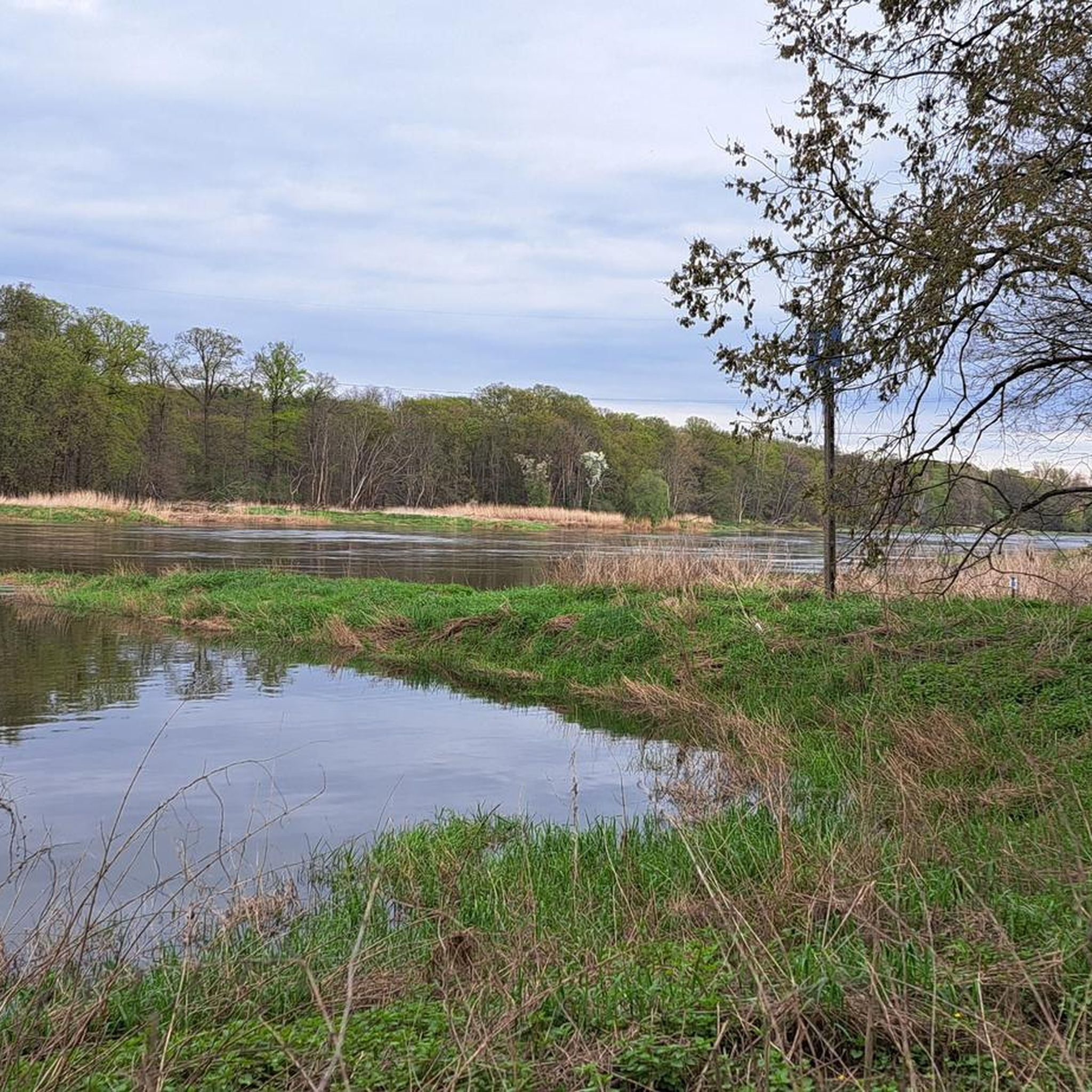
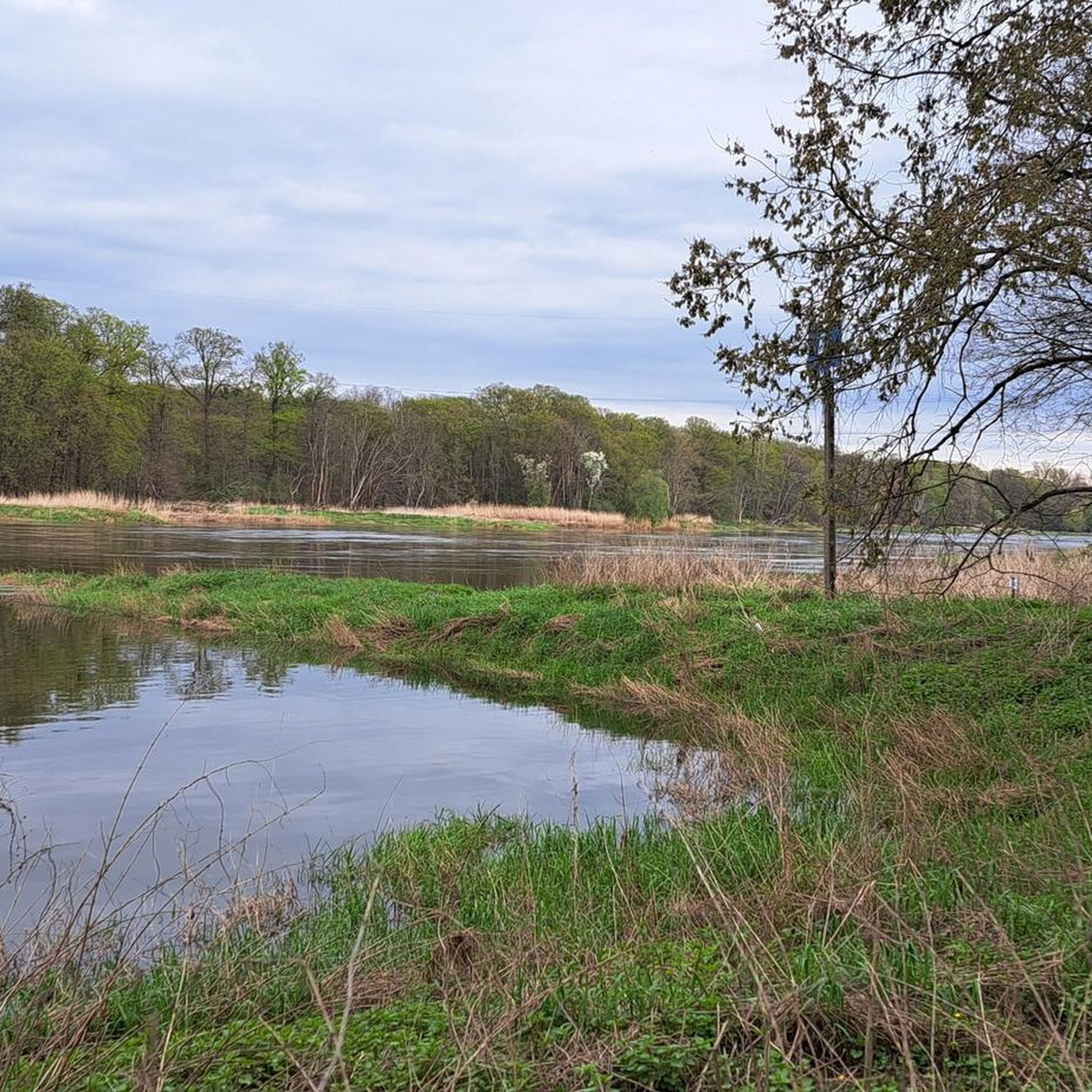
A miraculous spring. A large plaque in the main tower entrance catches the eye: "THE MIRACLE-FOUNDED SPRING OF ST. JACOB IN JACOBÓW." To reach it, however, you must cross the sanctuary grounds and exit through the gate on the sacristy side. Head left toward the wooded area, where you'll notice steps leading down the ravine behind the sanctuary. The area is wooded and heavily overgrown, or rather, overgrown with bushes. A small square, a few benches, and the goal of our pilgrimage: the miraculous spring. It gushes at the foot of the hill on which the church stands. For centuries, the number of pilgrims to the church has been increased by those for whom St. JACOBÓW was an important additional destination. This was the case when, in the mid-14th century, King John II Casimir visited the church to discuss the future of Silesia with Charles IV, King of Bohemia and Emperor of the Holy Empire. Pilgrims from Silesia, Greater Poland, Bohemia, and Moravia came here. The water flowing from the spring was widely believed to have healing properties, particularly valued for healing wounds, improving eyesight, and treating infertility. Jakubów, with its miraculous spring, began to lose its importance as a pilgrimage destination in the mid-18th century, when Silesia fell under Prussian rule. Pilgrimages still occurred during the Second Polish Republic, but they disappeared completely after World War II. They have only returned in a grand way in recent years, but Prussian and communist barbarism deprived Jakubów of its testimonies and documents of grace. Source: https://cudownezrodelka.pl/miejsce/jakubow/
0
0

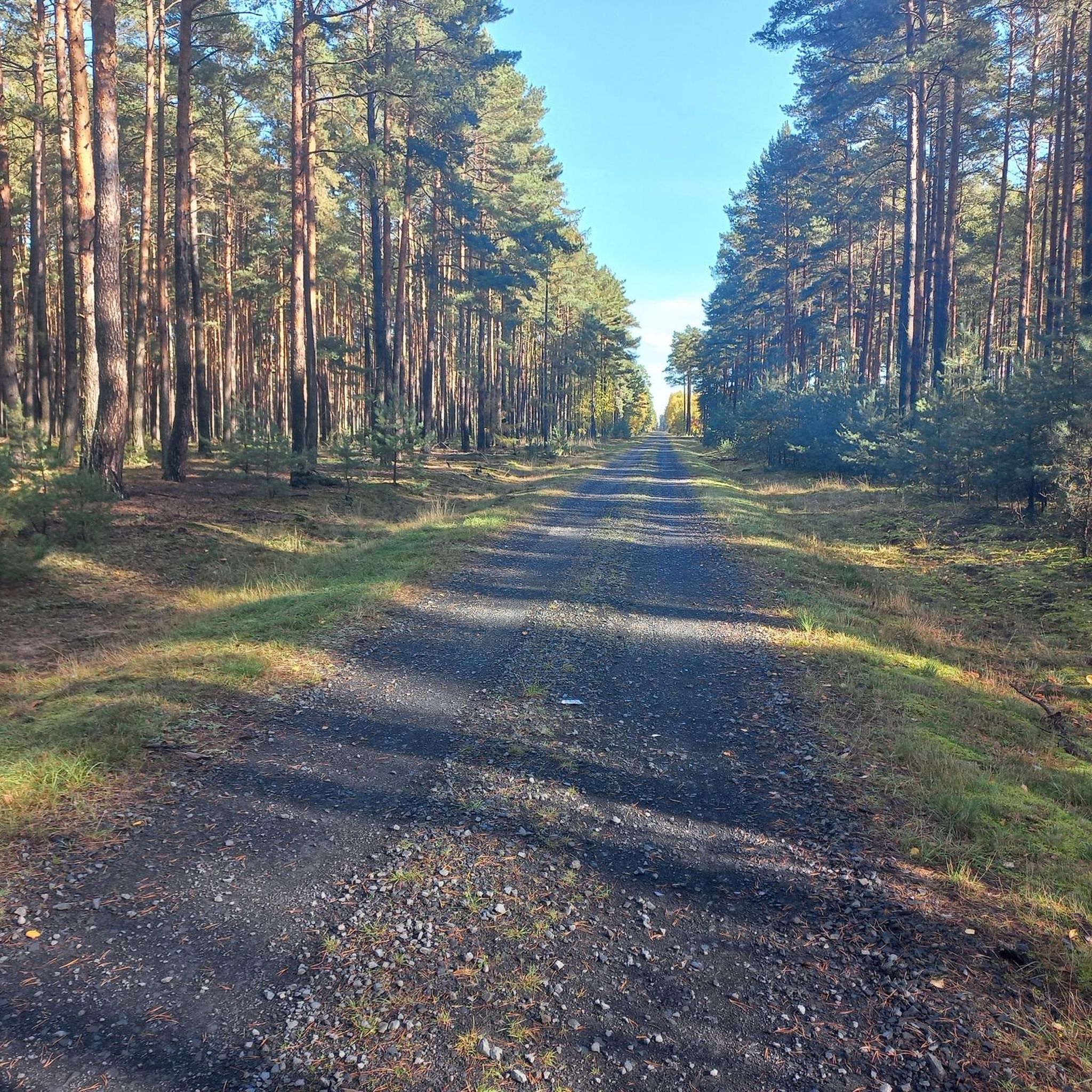
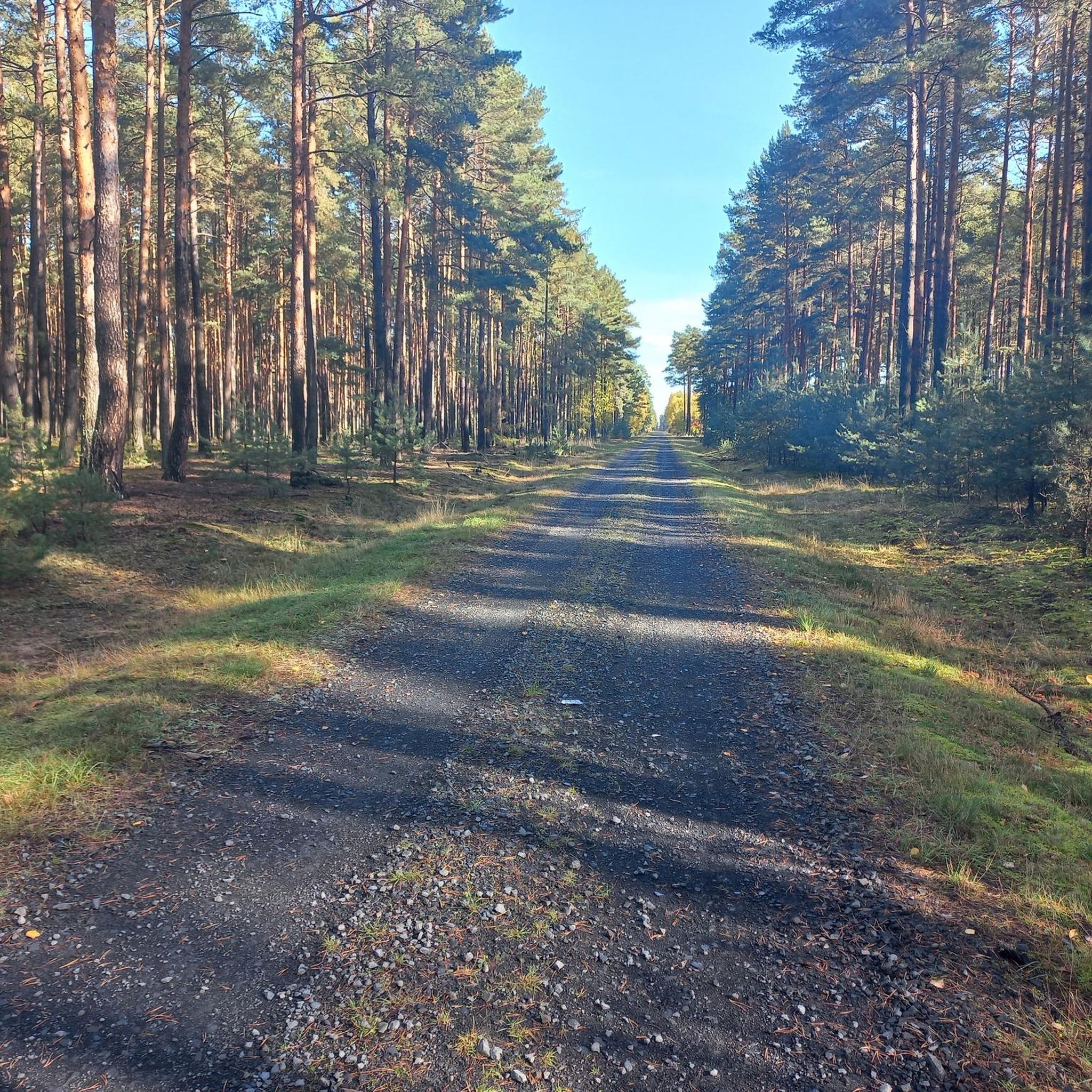
Gaj Wandy is a charming and symbolic place located in the heart of the Tarnów Forest, near the town of Wschowa, in the Wschowa district in the Lubuskie province. It is an area of both natural and historical importance, especially for the local community. Gaj Wandy is a fragment of the forest that is often treated as a type of natural monument or place of remembrance. It lies within the extensive forest complexes of the Tarnów Forest, which is characterized by large areas of pine, oak and mixed forests, intersected by numerous watercourses and forest paths.
4
0

Hello. The photo is already in its place, i.e. at the place where the provincial road intersects with fire access road no. 3. Thank you.
0
0
Several mature beech trees, some unfortunately already in an advanced state of decay, have become habitats for many species of birds.
0
0
It is worth stopping and enjoying the eye of an old oak tree with a circumference of 630 cm at breast height. It grows by the road at the very bend, so caution is necessary.
0
1
The photo is OK, but the location where it was taken is completely different. The wooden stone is located at the intersection of provincial road 325 with fire access roads 3 and 9.
0
0

Frequently Asked Questions
What types of natural monuments can I expect to see in Gmina Kotla?
Gmina Kotla is known for its impressive trees, springs, and nature complexes. You'll find ancient oaks, a distinctive red-leaved beech, and other significant trees, alongside unique sites like St. James' Spring and the Gaj Wandy Nature and Landscape Complex.
Are there any particularly impressive trees to visit in Gmina Kotla?
Yes, the region features several remarkable trees. A notable example is a single Pedunculate Oak in Grochowice, standing 22 meters tall with a 450 cm circumference. Near Oberża Leśna Dolina, you can find a group of eight impressive Pedunculate Oaks, with heights up to 45 meters, and a unique Common Beech with distinctive red leaves, measuring 360 cm in circumference.
What is the significance of <a href="https://www.komoot.com/highlight/7841574" target="_blank" rel="noopener">St. James' Spring</a>?
St. James' Spring is a miraculous spring located at the foot of a hill where a church stands. Historically, its water was believed to possess healing properties, particularly for wounds, eyesight, and infertility, making it a significant pilgrimage destination for centuries.
Are the natural monuments in Gmina Kotla suitable for families with children?
Many natural monuments in Gmina Kotla are family-friendly. For instance, the Gaj Wandy Nature and Landscape Complex, Beech old-growth "Bird's Backyard", Drewniany Kamień, and Monumental Beech Tree "Nad Biwakowym Polem" are all noted as suitable for families. The area around Oberża Leśna Dolina also features a didactic forest path, offering educational opportunities for all ages.
What outdoor activities can I do near these natural monuments?
The Gmina Kotla region offers various outdoor activities. You can explore numerous hiking trails, including easy options like the 'By bike loop from Brzostów' or 'St. J. von Kreitz Promenade loop from Głogów'. For cycling enthusiasts, there are gravel biking routes such as the 'Castle of the Dukes of Głogów – Footbridge loop from Krzepów'. You can find more details on these activities in the Hiking around gmina Kotla and Gravel biking around gmina Kotla guides.
Are there any natural monuments that are good for birdwatching?
Yes, the Beech old-growth "Bird's Backyard" is an excellent spot for birdwatching. This forest area features mature beech trees, some of which are in advanced stages of decay, providing crucial habitats for many species of birds.
What is the <a href="https://www.komoot.com/highlight/4983126" target="_blank" rel="noopener">Gaj Wandy Nature and Landscape Complex</a>?
The Gaj Wandy Nature and Landscape Complex is a charming and symbolic natural monument located in the heart of the Tarnów Forest. It holds both natural and historical importance for the local community, characterized by extensive pine, oak, and mixed forests intersected by numerous watercourses and paths.
What is the best time to visit the natural monuments in Gmina Kotla?
The natural monuments, primarily trees and forest complexes, can be enjoyed throughout the year. Spring and autumn offer vibrant colors and pleasant temperatures for walking. The unique red-leaved beech near Oberża Leśna Dolina is particularly striking in its full foliage. Even in winter, the ancient trees offer a serene and peaceful experience.
Are there any historical sites associated with the natural monuments?
Yes, St. James' Spring is a significant historical and religious site, having been a pilgrimage destination for centuries. The Gaj Wandy Nature and Landscape Complex is also recognized for its historical importance to the local community.
What amenities are available near the natural monuments, such as cafes or restaurants?
The area around Oberża Leśna Dolina (Forest Valley Inn) is particularly rich in impressive trees and serves as a stop on a didactic forest path. The inn itself is surrounded by magnificent old-growth trees, suggesting it may offer amenities like refreshments or meals, providing a convenient stop for visitors exploring the nearby natural monuments.
Are there any educational paths or information boards available?
Yes, within the sprawling forest complex near Oberża Leśna Dolina, there is a didactic forest path. This path offers educational opportunities about the local environment, with information boards highlighting remarkable trees like ancient pines, a massive linden tree, and magnificent Douglas firs.
What do visitors enjoy most about the natural monuments in Gmina Kotla?
Visitors appreciate the tranquility and beauty of the region's forests, the impressive size and age of the ancient trees, and the unique natural features like the miraculous St. James' Spring. The Gaj Wandy Nature and Landscape Complex is also valued for its blend of natural beauty and historical significance.
Most popular attractions around gmina Kotla

Get inspired with the komoot mobile app


Explore more
Extend your search for the best caves by checking out these guides of the top ones around gmina Kotla:
