Top 10 Natural Monuments around Myślibórz
Natural monuments around Myślibórz offer diverse natural formations and historical sites across its regions. The area features significant geological formations like volcanic remnants and erratic boulders, alongside ancient trees and protected landscapes. These natural attractions provide opportunities for observing unique ecosystems and geological history. The landscape includes river valleys, forested areas, and parklands, showcasing the region's natural heritage.
Best natural monuments around Myślibórz
- The most popular natural monuments is Dyszno Palace Park and Memorial Stones, a historical site and…
Last updated: October 2, 2026
Dyszno Palace Park and Memorial Stones
Highlight • Historical Site
Translated by Google •
Tip by

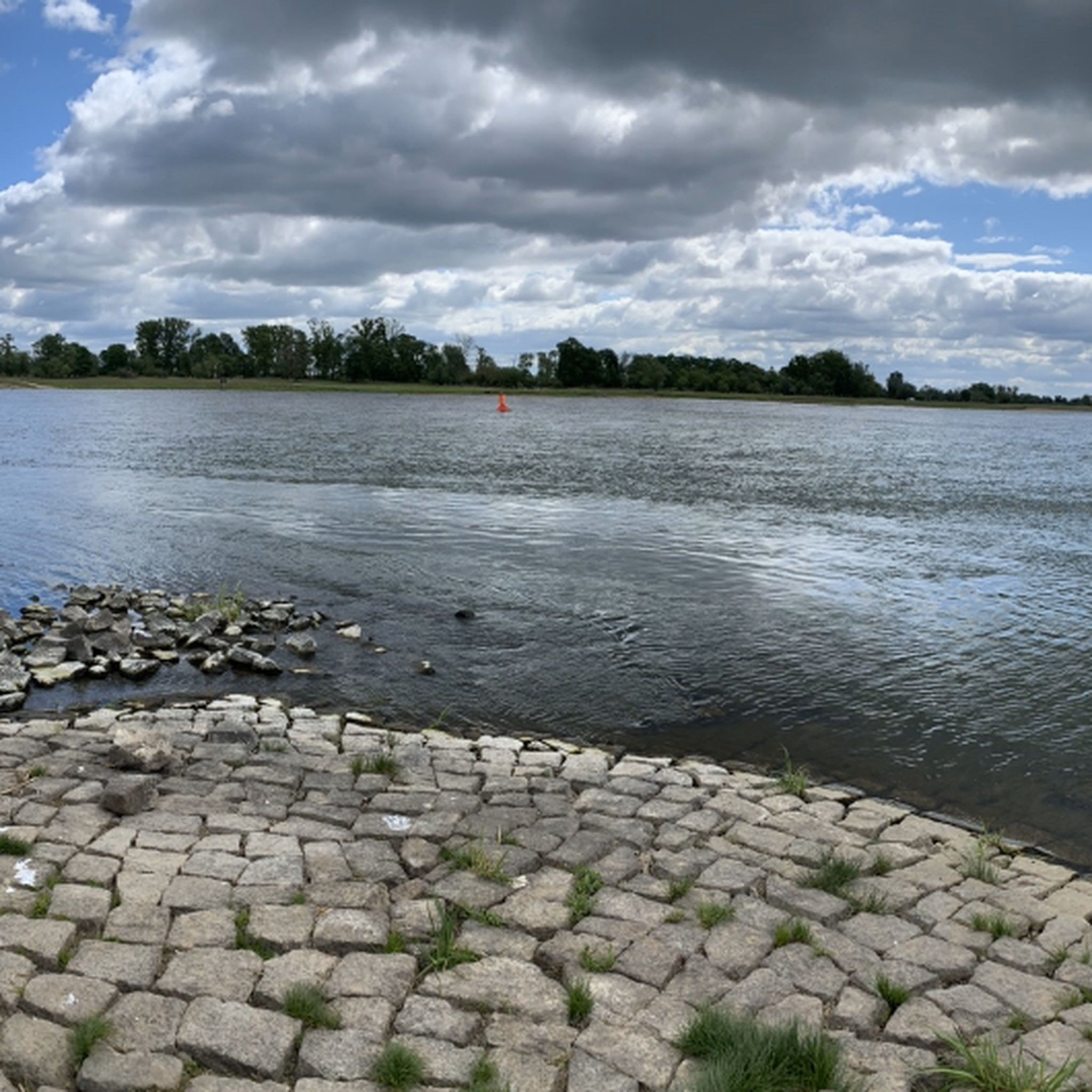
Rest Area at Warta River-Mouth Landscape Park
Highlight • Rest Area
Translated by Google •
Tip by

Sign up now to discover places like this
Get recommendations on the best single tracks, peaks, & plenty of other exciting outdoor places.
Wilhelm II Boulder
Highlight • Monument
Translated by Google •
Tip by

Observation Tower in Park Krajobrazowy Ujście Warty
Highlight • Viewpoint
Translated by Google •
Tip by

Hillfort in Golenice
Highlight • Historical Site
Translated by Google •
Tip by

Sources of the Płonia River
Highlight • River
Translated by Google •
Tip by

15th Meridian Monument (Klickstein) near Rościn
Highlight • Monument
Translated by Google •
Tip by
Klickstein Glacial Erratic
Highlight • Natural Monument
Translated by Google •
Tip by
Hydraulic Ram Remains in Barlinecki Park Krajobrazowy
Highlight • Structure
en.wikipedia.org/wiki/Hydraulic_ram
Translated by Google •
Tip by
Birdwatching Viewpoint at Lake Lubieszewko
Highlight • Viewpoint
Translated by Google •
Tip by

Sign up for free to discover even more natural monuments around Myślibórz.
Already have an account?
Start today with a free account
Your next adventure awaits.

Other adventures around Myślibórz

Tips from the Community

Beautiful rest stop by the river with information boards about nature.
0
0

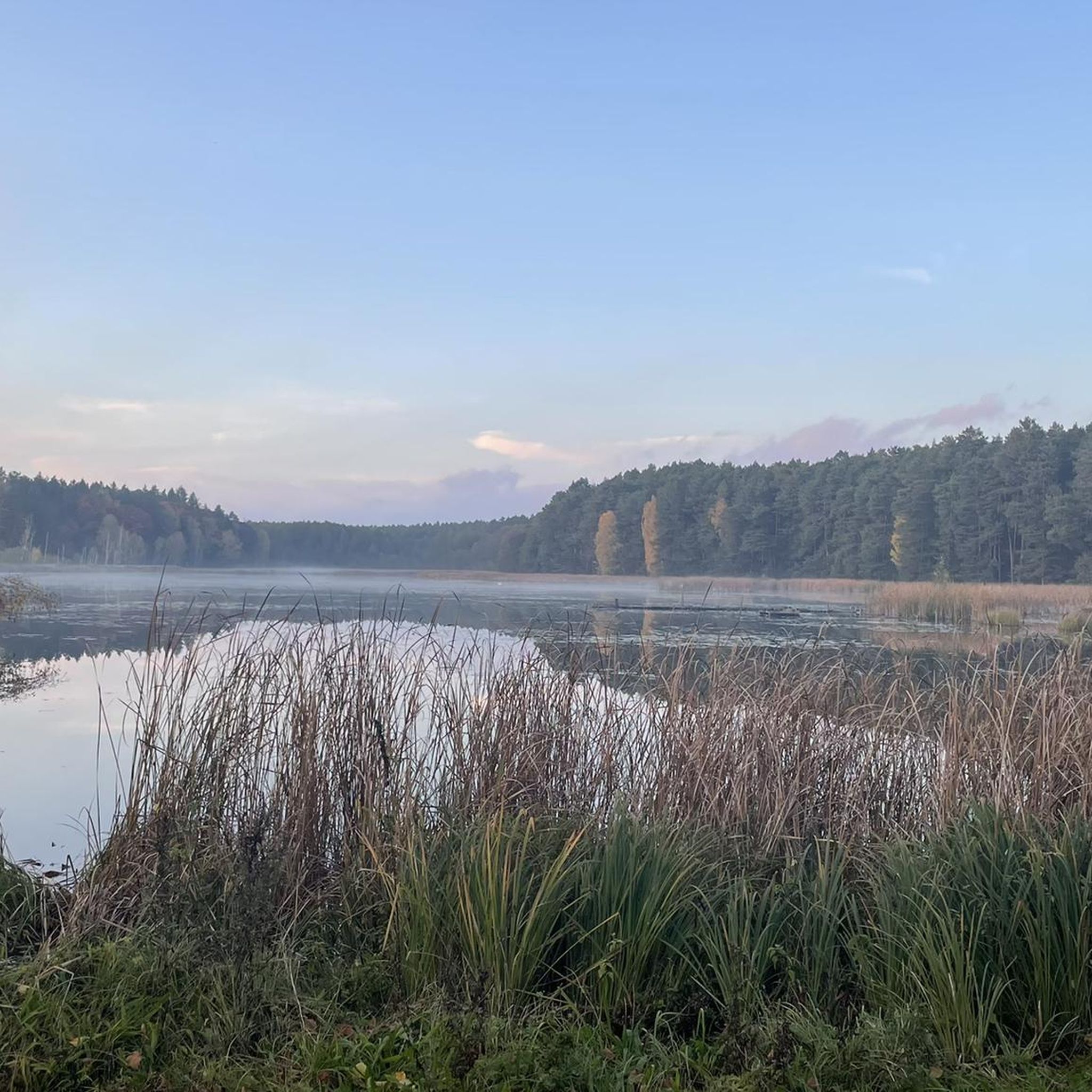
The water surface in the fish ponds is at an altitude of 51.2 m above sea level, and the plateau adjacent to the ponds is at 99.6 m above sea level. This is almost a 50 m difference in levels. Erosion processes have carved out a spring cirque with a diameter of over 50 m from the slopes of the moraine. Its walls are cliffs 20 m high. The bottom of the cirque is lined with smaller and larger pebbles and stones, from between which water seeps everywhere, connecting dozens of small streams into one main stream - one of the source streams of the Płonia River. The gravel pit at the bottom of the spring cirque is the substrate for an alder forest of the spring alder type. Source: https://debno.treespot.pl/166-debno-zrodla-ploni
0
0

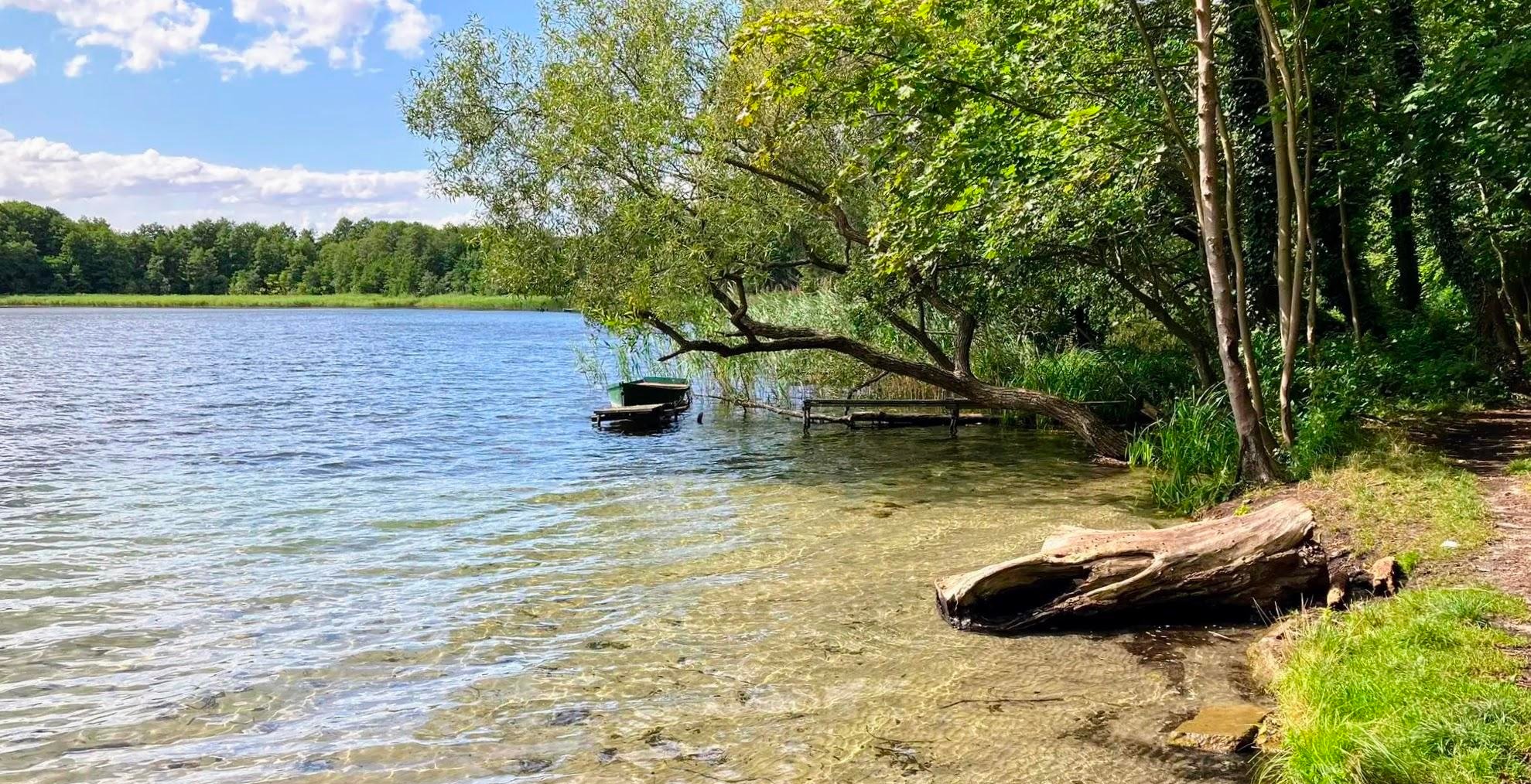
Birdwatching viewpoint
0
0

A beautiful viewing spot - unfortunately the entire view is blocked by trees :-) there are benches a bit further away and you can take a break.
0
0

The place where, in the 10th-12th centuries, there was a wooden defensive stronghold of Pomeranians surrounded by a moat. In case of danger, he was supposed to provide shelter to local residents. Later, a castle was built here, but there is no more detailed information about it. In written documents there is only a mention from 1276. At the turn of the 16th and 17th centuries, a knights' manor of the von der Osten family was built on the site of the castle, but it was abandoned after 1724. In 1755, Otto von Rosey bought the entire estate and the manor and decided to build a new palace (which still exists today). In the 19th century, a decision was made to demolish the former manor house. Today, all that remains of the former stronghold/castle/manor house is a wildly overgrown hill. The moat surrounding it is clearly visible. There are no traces of former buildings. All that remains is to imagine what it once looked like.
1
2

A forgotten boulder in the bushes on the hill. Inscription: "William II 1888-1913". Next to it there is a water tower, from the top of which you can see some of the panorama of Barlinek. At least in winter when there are no leaves.
2
0
In the park, on the occasion of the 75th anniversary of the Nature Conservation League, an erratic stone was placed with an inscription in Polish and German. The boulder commemorates the former owner of Dyszna, Alexander von Humboldt, considered the spiritual father of nature conservation.
2
1

Around the observation tower in the Porzecze nature and landscape protection area, we experienced a huge lake with water from the Oder during this year's flood. Unfortunately there were only a few water birds to be seen, the display board showed what could be there under the right conditions. From the tower you have a wide view of the flat meadow landscape. We'll definitely come back when the water has receded. A parking and rest area is nearby.
0
0
Frequently Asked Questions
What unique geological formations can I explore around Myślibórz?
The Myślibórz area offers fascinating geological sites. In the Lower Silesian Voivodeship, you can visit the Wilhelm II Boulder, an inanimate natural monument. Also, near the village of Myślibórz, the Małe Organy Myśliborskie (Myślibórz Small Organs) on Rataj hill are notable for their distinctive basalt pillars, representing the interior of a former volcano. Further west, in the Myślibórz commune of the West Pomeranian Voivodeship, you'll find the "Klickstein" (Devil's Stone), an erratic boulder, which is also recognized as the Klickstein Glacial Erratic.
Are there any natural monuments suitable for families with children?
Yes, several natural monuments around Myślibórz are family-friendly. The Dyszno Palace Park and Memorial Stones offers open spaces and ancient trees, including oaks and a common beech, perfect for a leisurely stroll. The Rest Area at Warta River-Mouth Landscape Park provides information about local fauna and flora, making it an educational stop for all ages. The Myśliborski Gorge, while a nature reserve, has educational trails that are ideal for family walks, showcasing diverse forest communities.
Where can I find impressive ancient trees in the Myślibórz region?
Ancient and monumental trees are a significant feature of the natural monuments here. At Dyszno Palace Park and Memorial Stones, you can see monumental oaks and a common beech, some with circumferences up to 750 cm. Near the "Salamandra" Environmental Education Center in the Myślibórz village, two monumental common yews stand, designated as natural monuments. Additionally, a Chestnut Alley of approximately 28 white chestnut trees, estimated to be around 100 years old, lines the road up the Jawornik valley.
What historical sites are integrated with natural monuments in the area?
The region blends natural beauty with historical significance. The Dyszno Palace Park and Memorial Stones is a historical site featuring monumental trees and an erratic stone commemorating Alexander von Humboldt. Another example is the Wilhelm II Boulder, an erratic stone with an inscription, located near a water tower. The Hillfort in Golenice also combines historical elements with its natural surroundings.
Are there opportunities for birdwatching near the natural monuments?
Yes, the area is excellent for birdwatching. The Observation Tower in Park Krajobrazowy Ujście Warty offers wide views of the flat meadow landscape of the Ujście Warty Landscape Park, an area renowned for its birdlife. Similarly, the Birdwatching Viewpoint at Lake Lubieszewko provides another spot to observe local avian species, though sometimes views can be partially obscured by trees.
What kind of outdoor activities can I do near these natural monuments?
The Myślibórz region offers a variety of outdoor activities. You can explore numerous running trails, such as the 'Running loop from Barlinek' or 'Jezioro Stycko loop from Barlinek'. For cyclists, there are gravel biking routes like the 'Forest Gravel Road loop from Drzewice' and road cycling routes including the 'Western Lakeland Bicycle Route'. You can find more details and routes on the Running Trails around Myślibórz, Gravel biking around Myślibórz, and Road Cycling Routes around Myślibórz guide pages.
Where can I find viewpoints to appreciate the natural landscape?
For panoramic views, visit the Observation Tower in Park Krajobrazowy Ujście Warty, which provides extensive vistas over the flat meadow landscape. The Rest Area at Warta River-Mouth Landscape Park also serves as a viewpoint, offering insights into the park's natural environment. Additionally, the Myśliborski Gorge, with its depths of 30 to 80 meters and vertical rock walls, offers dramatic natural viewpoints along its educational trails.
Are there any natural monuments related to water features?
Yes, the region features several water-related natural monuments and attractions. The Sources of the Płonia River is a notable natural monument. The Myśliborski Gorge is carved by the Jawornik stream, which flows through its bottom. The Ujście Warty Landscape Park, home to the Rest Area and Observation Tower, is characterized by its wide, flat meadow landscape influenced by the Warta River.
What is the best time of year to visit the natural monuments around Myślibórz?
The best time to visit depends on your interests. Spring and autumn offer pleasant temperatures for hiking and exploring the Myśliborski Gorge, with spring bringing lush greenery and autumn showcasing vibrant foliage. Birdwatching at the Ujście Warty Landscape Park is particularly rewarding during migration seasons (spring and autumn). Summer is ideal for longer outdoor activities, while winter can offer a unique, serene experience, especially at sites like the Wilhelm II Boulder, where views from nearby towers might be clearer without leaves.
Can I bring my dog to the natural monuments?
Many natural areas around Myślibórz, including the Myśliborski Gorge and various parks, are generally dog-friendly, especially for walks on trails. However, it's always recommended to keep dogs on a leash to protect local wildlife and ensure the comfort of other visitors. Specific rules might apply in nature reserves or protected areas, so checking local signage is advisable.
Are there any less crowded natural monuments for a quieter experience?
While popular sites like the Myśliborski Gorge can attract visitors, many of the tree monuments and smaller erratic boulders offer a more tranquil experience. The Monumental Common Yews near the "Salamandra" Environmental Education Center or the Chestnut Alley provide peaceful spots. The monumental trees in the neglected park in Rościn, including a small-leaved linden and a sessile oak, also offer a quiet natural setting away from the main tourist paths.
What is the difficulty level of trails around the natural monuments?
The difficulty of trails varies. Many paths, especially those in parks like Dyszno Palace Park or leading to the Klickstein Glacial Erratic, are generally easy and suitable for leisurely walks. The Myśliborski Gorge, while offering educational trails, can have sections with varying terrain due to its ravine nature, making some parts moderately challenging. For specific routes, you can check the difficulty grades on the Running Trails or Gravel biking guide pages, which list routes from easy to difficult.
Most popular routes around Myślibórz
Most popular attractions around Myślibórz

Get inspired with the komoot mobile app


Didn’t find what you were looking for?
Find even more amazing natural monuments around Myślibórz by checking out the top Highlights region by region:
Explore more
Extend your search for the best caves by checking out these guides of the top ones around Myślibórz:
