Top 5 Natural Monuments around The Municipal District of Dundalk
Best natural monuments around The Municipal District of Dundalk showcase a diverse landscape in County Louth, Ireland. This region features coastal areas, rolling hills, and significant ecological sites. Visitors can explore glacial fjords, extensive saltmarshes, and the highest peaks in the Cooley Mountains, offering varied outdoor experiences. The area is known for its natural beauty and ecological importance, providing opportunities for recreation and appreciation of Ireland's natural heritage.
Best natural monuments around The Municipal District of Dundalk
- The most popular…
Last updated: July 12, 2026
Slieve Foye Summit
Highlight • Summit
Tip by

Long Woman's Grave Memorial
Highlight • Monument
Fantastic views on the way to the top.
Can be approached from either North or South.
Tip by

Sign up now to discover places like this
Get recommendations on the best single tracks, peaks, & plenty of other exciting outdoor places.
Sign up for free
Druids' Circle, Ravensdale Forest
Highlight • Historical Site
Tip by

Barnavave Summit
Highlight • Summit
Translated by Google •
Tip by

Castle Roche
Highlight • Castle
Tip by

Clochafarmore Standing Stone
Highlight • Monument
en.m.wikipedia.org/wiki/Clochafarmore
de.m.wikipedia.org/wiki/Clochafarmore
Wikipedia (List of National Monuments in County Louth, 2024-08-08):
en.m.wikipedia.org/wiki/List_of_National_Monuments_in_County_Louth
“National Monument 474 … Clochafarmore … Standing Stone”
Translated by Google •
Tip by

Start today with a free account
Your next adventure awaits.
Login or Signup
Popular around The Municipal District of Dundalk
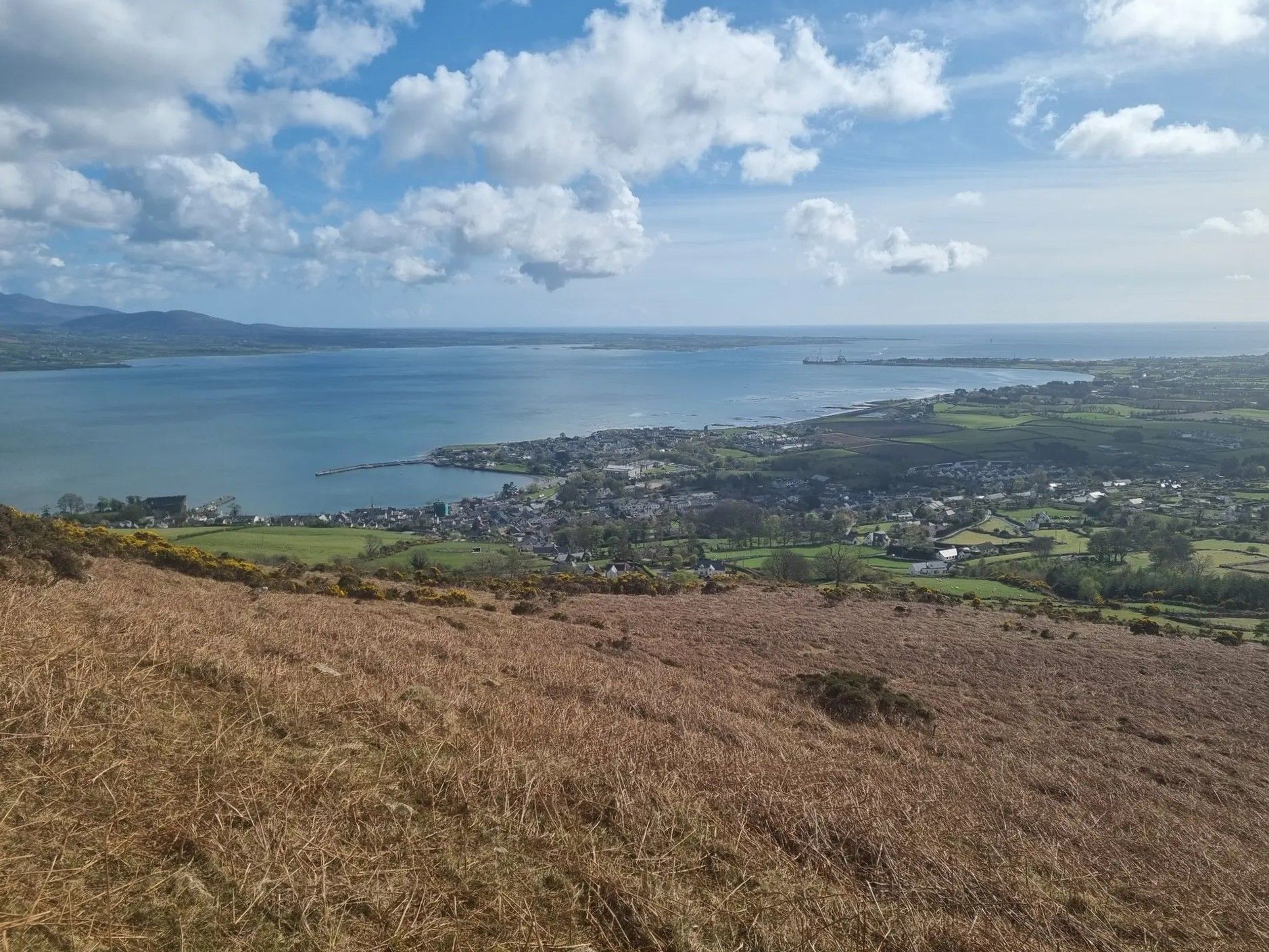
Táin Way – exploring the Cooley Peninsula
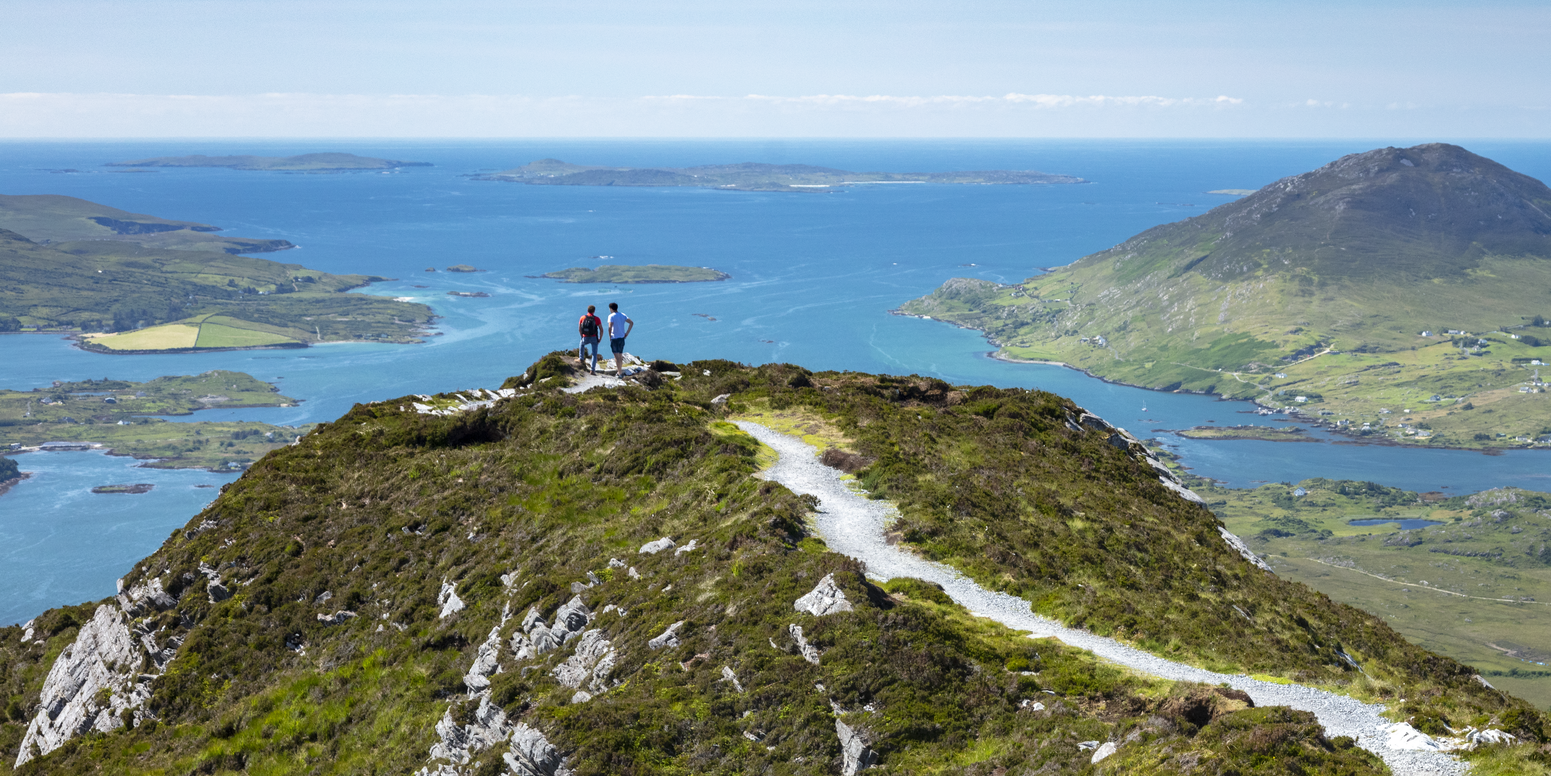
Between waves and peaks — to the best views in Ireland
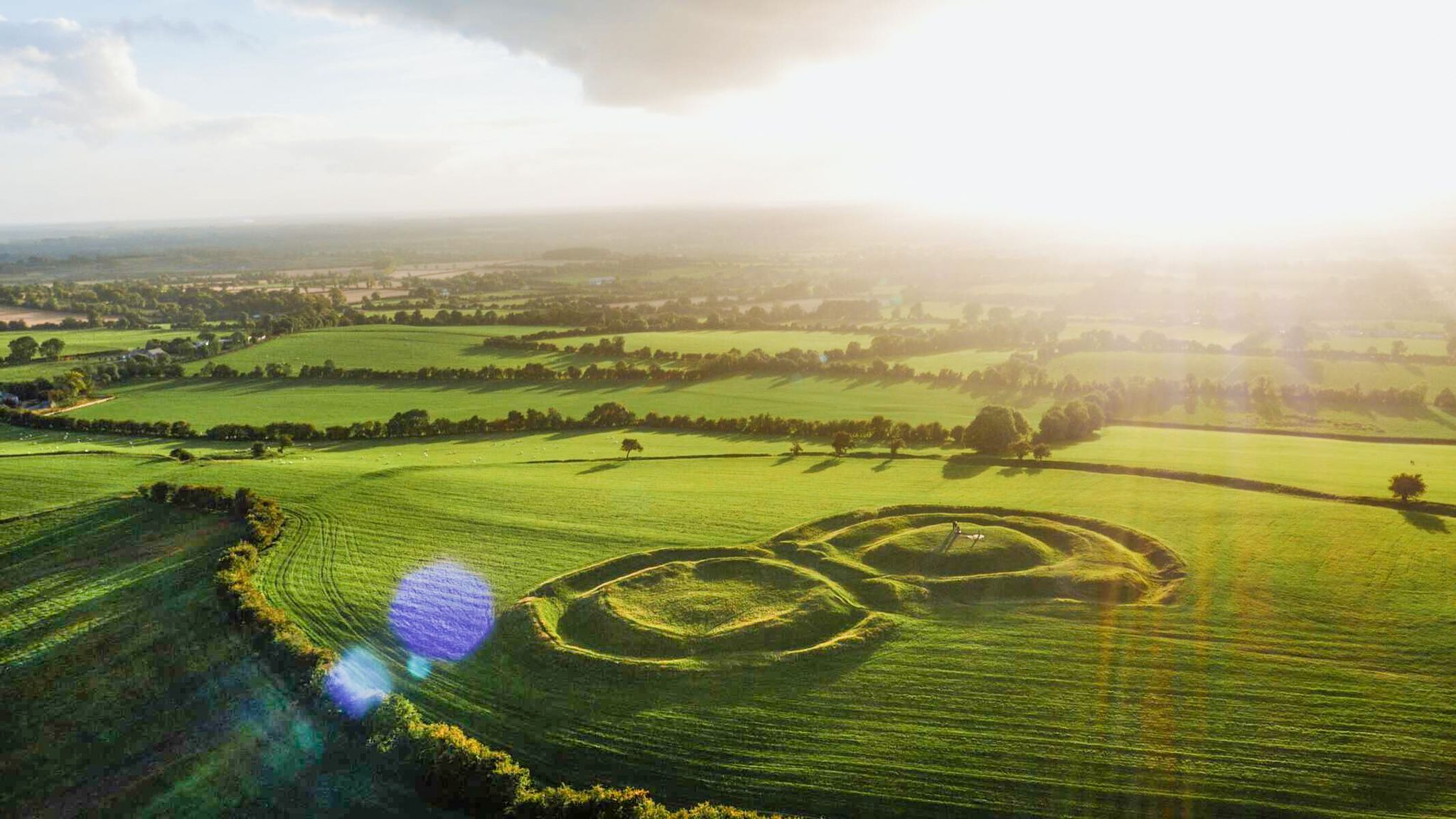
The magical east of Ireland – ancient places, scenic lakes and rocky mountains
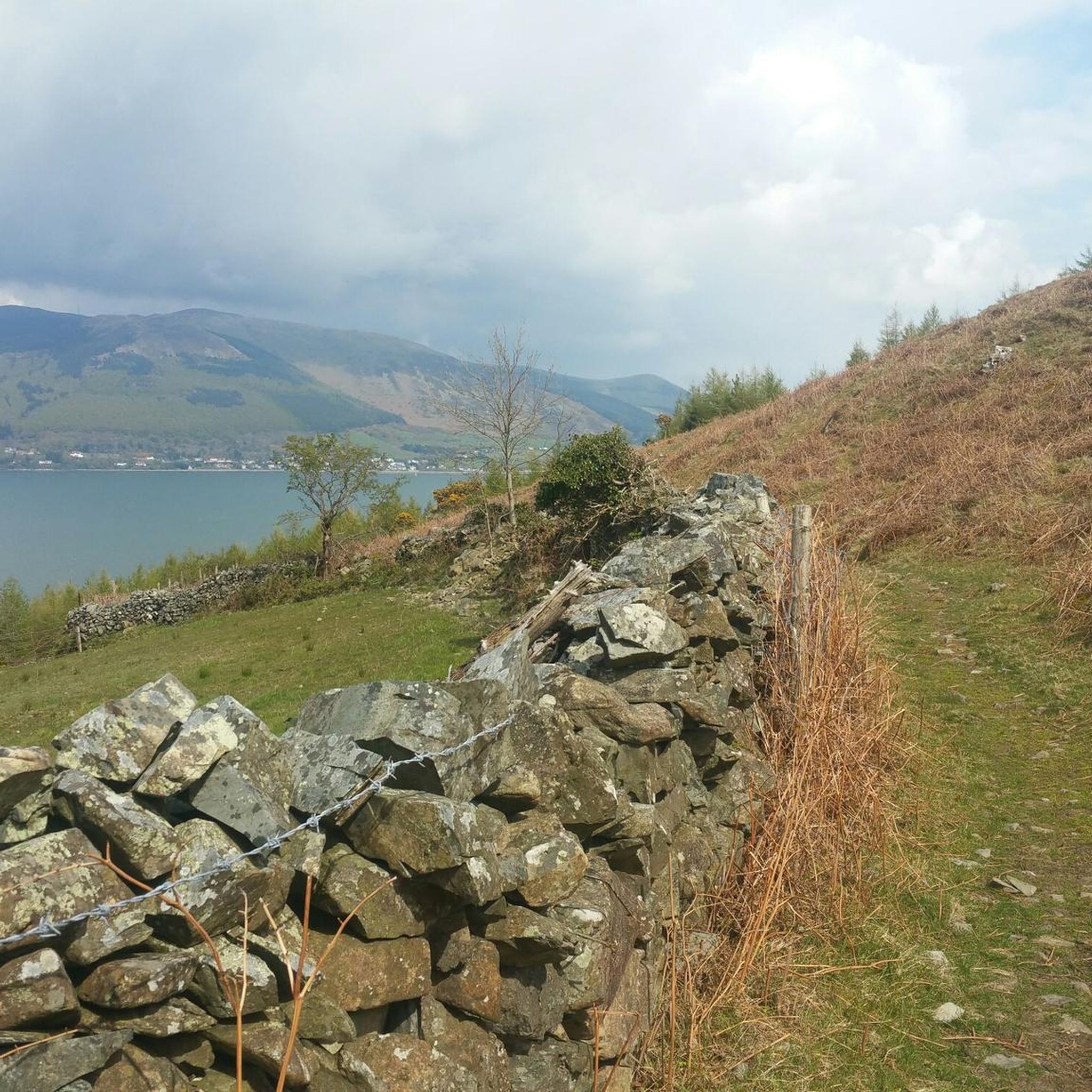
Hiking around The Municipal District of Dundalk
Running Trails around The Municipal District of Dundalk
Cycling around The Municipal District of Dundalk
Road Cycling Routes around The Municipal District of Dundalk
MTB Trails around The Municipal District of Dundalk

Gravel biking around The Municipal District of Dundalk
Other adventures around The Municipal District of Dundalk


Tips from the Community

Unfortunately, the castle was under scaffolding at the time of our visit.
0
0

Druid’s Circle, Clermont Estate: this small oval stone circle above the Flurry River, marked as both “Standing Stone” and “Druids Circle” on old maps, was likely uncovered in 1840 by Lord Clermont. Though some believe it’s prehistoric, others argue it may be 19th-century landscaping. Its irregular layout and re-set stones cast doubt on its authenticity. Still, it’s a scenic and mysterious woodland stop.
1
0

Walking around and always discovering something new is very nice in Ireland
2
1

The Clochafarmore, also known as Cúchulainn's Stone, is a striking standing stone that stands on a gentle hill south of the R171 and holds a special place in Irish mythology. The drive here takes you through quiet country roads and open fields until you finally come across this mystical stone. The story goes that Cú Chulainn, the legendary Irish hero, fought his last battle here and tied himself to the stone to face his enemies standing tall. The field where the stone stands is also called "The Field of Slaughter" - a name reminiscent of the ancient legends. It is fascinating how a place can hold so much history while the surrounding landscape remains in peaceful silence. A detour here is worthwhile not only for the impressive height of the stone, but also for the special atmosphere inherent in this place. However, some of the access roads are a bit narrow and the terrain can be muddy after rain - so be careful if you're cycling here.
0
1
The Long Woman's Grave car park is right at the top of a gentle climb, giving you the perfect opportunity to take in the rolling landscape. Whether you're coming from the north or the south, the roads take you through varied terrain that reveals new panoramas with every bend. It's worth taking a moment to read the story of the "Long Woman" at the memorial - somehow this mystical atmosphere fits perfectly into the surroundings. On the way up, you hardly encounter any traffic, which allows you to fully concentrate on nature and your own line in the bends. The fresh breeze and the smell of damp grass add a little extra to the climb. But the roads are not always in the best condition - some sections do require attention, especially after a rain shower. Once you reach the summit, there is a small rest area, ideal for taking a quick breather and regaining strength for the next stage. A perfect spot to take a short break before continuing with renewed vigor.
0
2
Hidden in Ravensdale Forest, off the main paths, you come across a mystical stone circle that raises questions: Was it the Druids who held their mysterious rituals here, or was it the eccentric 19th century landowner who wanted to immortalize himself with this project? Nobody knows for sure, and that makes this place all the more fascinating. The eight stones, arranged in an oval, seem like silent witnesses to a time long gone. On the maps, the circle is referred to as both the 'Standing Stone' and the 'Druids Circle', and you immediately sense that this place exudes a special aura. The stone circle is just a short climb from the Flurry River, in the middle of the old Lord Clermont Estate. Up here, in the shade of the trees, it feels like you have entered another world. The stones, covered in moss, invite you to pause and enjoy the tranquility of the forest.
2
0

Here it is worth climbing the mountain
0
2

Wikipedia (Clochafarmore (Irish: Cloch an Fhir Mhóir"), 2024-08-08): https://en.m.wikipedia.org/wiki/Clochafarmore https://de.m.wikipedia.org/wiki/Clochafarmore Wikipedia (List of National Monuments in County Louth, 2024-08-08): https://en.m.wikipedia.org/wiki/List_of_National_Monuments_in_County_Louth “National Monument 474 … Clochafarmore … Standing Stone”
3
0
Frequently Asked Questions
What natural features can I expect to see around The Municipal District of Dundalk?
The region boasts a diverse landscape, from the extensive saltmarshes and intertidal sand and mudflats of Dundalk Bay, a crucial haven for migratory birds, to the glacial fjord of Carlingford Lough. You'll also find rolling hills and the highest peaks of the Cooley Mountains, such as Slieve Foye Summit, offering panoramic views.
Are there family-friendly natural monuments around Dundalk?
Yes, Stephenstown Pond Nature Park is an excellent family-friendly option. It features an 8km lakeside amenity with trails, a playground, and opportunities to feed swans and ducks. Interpretive boards help identify local flora and fauna, and there's a coffee shop on-site in the historic Burns Cottage.
What historical or cultural sites are considered natural monuments in the area?
The region blends natural beauty with rich history. You can visit Druids' Circle, Ravensdale Forest, a mystical stone circle whose origins are debated but offer an intriguing visit. Another significant site is the Long Woman's Grave Memorial, a man-made monument with fantastic views and a captivating local legend.
What outdoor activities can I do near these natural monuments?
The area offers a variety of outdoor activities. You can explore gravel biking routes like 'The Old Oak Tree – Fairy Glen loop' or 'Fairy Glen – Climb by Rostrevor Forest loop' as detailed in the Gravel biking around The Municipal District of Dundalk guide. Road cycling is also popular, with routes such as 'Ardee, Carrickmacross and Ballymascanlan loop' available in the Road Cycling Routes around The Municipal District of Dundalk guide.
Are there hiking trails near the natural monuments?
Absolutely. For strenuous hikes with stunning panoramic views, consider climbing Slieve Foye Summit. For easier options, the Easy hikes around The Municipal District of Dundalk guide features trails like 'Carlingford – The Tholsel, Carlingford loop' and 'Ruins in Ravensdale Forest – Ravensdale Creek loop'.
What is the best time of year to visit the natural monuments in Dundalk?
The Cooley Peninsula, including areas like Carlingford Lough, is celebrated for its natural beauty year-round. However, for hiking and outdoor activities, late spring to early autumn (May to September) generally offers the most favorable weather conditions. Birdwatching at Dundalk Bay is particularly rewarding during winter when migratory wading birds are abundant.
Are there natural monuments with good viewpoints?
Yes, several sites offer spectacular views. Slieve Foye Summit provides extensive vistas across Carlingford Lough to the Mourne Mountains. Long Woman's Grave Memorial also offers fantastic views of the rolling landscape. Additionally, Barnavave Summit boasts beautiful 360-degree views of Carlingford, the Mourne Mountains, and the Irish Sea.
Are there dog-friendly walks or natural monuments in the area?
Many natural outdoor spaces in the Municipal District of Dundalk are suitable for dog walking, provided dogs are kept under control, especially around wildlife and livestock. Areas like Stephenstown Pond Nature Park and trails within Ravensdale Forest are generally welcoming for dogs on a leash. Always check local signage for specific restrictions.
What do visitors appreciate most about the natural monuments in The Municipal District of Dundalk?
Visitors frequently praise the stunning panoramic views from summits like Slieve Foye and Barnavave. The serene and relaxing environment of places like Stephenstown Pond Nature Park is also highly valued, especially by families. The mystical atmosphere of historical sites such as Druids' Circle, Ravensdale Forest, also leaves a lasting impression.
Are there any castles or ancient structures considered natural monuments?
While not strictly a natural monument, Castle Roche is a significant historical site with a privileged location that makes it a prominent feature in the natural landscape. This incredible Anglo-Norman castle, believed to be built in the 13th century, offers a glimpse into the region's past and can be seen from miles around.
Where can I find cafes or pubs near the natural monuments?
The village of Carlingford, located near the Cooley Peninsula and Carlingford Lough, offers a selection of cafes and pubs. Stephenstown Pond Nature Park also has a coffee shop on-site. For a wider range of options, the town of Dundalk provides numerous restaurants and cafes.
Is Dundalk Bay worth visiting for nature enthusiasts?
Absolutely. Dundalk Bay is a significant natural beauty spot and a crucial haven for wildlife and birds. It's recognized for five habitats under the EU Habitats Directive and is the single most important site in Ireland for migratory wading birds. Visitors can enjoy scenic pathways and boardwalks, particularly along the Navvy Bank to Soldier's Point, which offers excellent birdwatching opportunities.
Most popular routes around The Municipal District of Dundalk
Most popular attractions around The Municipal District of Dundalk

Get inspired with the komoot mobile app


Didn’t find what you were looking for?
Find even more amazing natural monuments around The Municipal District of Dundalk by checking out the top Highlights region by region:
