Top 3 Natural Monuments around Dublin City
Best natural monuments around Dublin City offer diverse natural landscapes within an urban setting. These sites provide opportunities for outdoor recreation and are recognized for their ecological and geological significance. The city's natural features include expansive parks, botanical gardens, and coastal reserves. These areas contribute to Dublin's biodiversity and provide accessible natural escapes.
Best natural monuments around Dublin City
- The most popular natural monuments is Phoenix Park, a forest that is one of Europe's largest enclosed urban parks. It is home to a large herd of wild fallow deer and features extensive grasslands and woodlands.
- Another must-see spot is National Botanic Gardens of Ireland, an other_natural site housing over 17,000 plant species. Visitors can explore diverse plant collections within its Victorian glasshouses and tranquil gardens.
- Visitors also love Wellington Monument, a man_made_monument located within Phoenix Park. This 62-meter tall obelisk is the largest in Europe and offers panoramic views of the surrounding area.
- Dublin City is known for its urban parks, botanical gardens, and coastal reserves. These natural monuments offer a variety of landscapes to explore, from vast green spaces to protected estuaries.
- The natural monuments around Dublin City are appreciated by the komoot community, with 112 upvotes and 90 photos shared across these highlights.
Last updated: May 1, 2026
Phoenix Park
Highlight • Forest
At over 700 hectares in size, Phoenix Park is the largest urban park in Europe. The park was created in 1662 as a deer preserve and, in 1745, was redeveloped to open its doors to the public.
Tip by

Wellington Monument
Highlight • Monument
Tip by

Sign up now to discover places like this
Get recommendations on the best single tracks, peaks, & plenty of other exciting outdoor places.
Sign up for free
National Botanic Gardens of Ireland
Highlight • Natural
A wonderful large park with old trees can be explored.
Opening times and further information: botanicgardens.ie
Translated by Google •
Tip by

Furry Glen Lake
Highlight • Lake
Tip by

Fountain in Griffith Park
Highlight • Natural Monument
Tip by

Start today with a free account
Your next adventure awaits.
Login or Signup

Tips from the Community

A large obelisk at the entrance to Phoenix Park. It was completed in 1861.
0
0
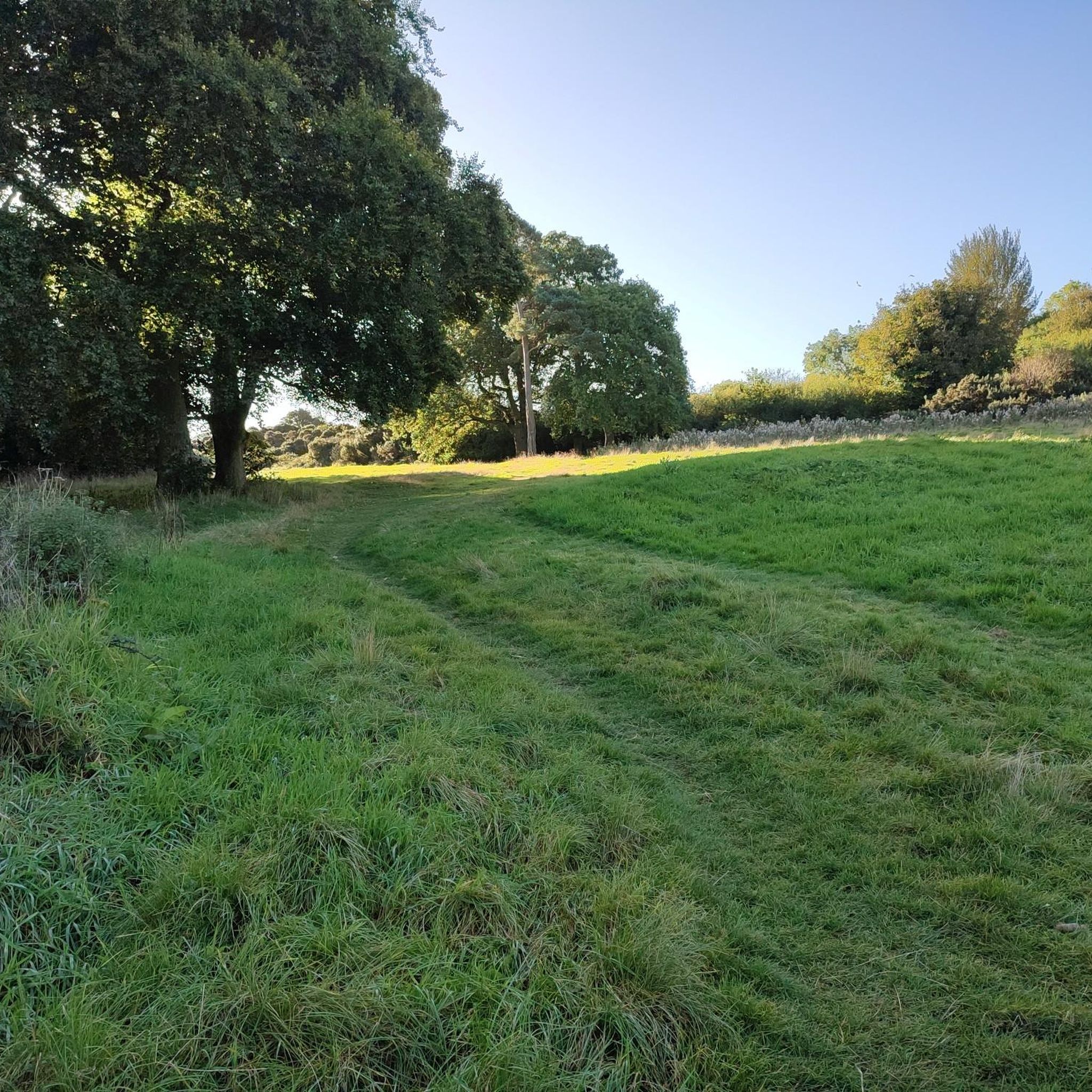
Phoenix Park is enclosed by a wall and feels less like a traditional park and more like a large, open space. It offers a variety of attractions and points of interest, including the Phoenix Monument, the Wellington Monument, the Pabst Cross, Ashtown Castle with its Victorian kitchen garden, a prehistoric burial mound (over 5,500 years old), and playgrounds. You can explore the park on foot or even rent e-bikes specifically for this purpose. Anyone with more time to spare during their visit to Dublin should definitely make time for this park.
0
0

For nature lovers in Ireland who want to explore it on the road, I recommend spending a few hours in Phoenix Park rather than visiting a cathedral or museum. Very close to the city center, yet so sprawling that it almost feels distant, it can be truly breathtaking in the early morning or late afternoon. Following the various trails, wandering through its woods and clearings, can provide thrilling encounters with small herds of deer. Highly recommended!
0
0

The park is Dublin's green lung, attracting both residents and tourists. At 7 km², it is one of the largest city parks in Europe and twice the size of Central Park. This beautiful park, with its woods and meadows, originated from an area established as a hunting reserve in the 17th century. It wasn't until 1747 that the area became a public park. Today, in addition to pure nature, the park also features several popular attractions such as Dublin Zoo and the Wellington Monument.
2
0

Just a short walk away from the overcrowded Center you can find wonderful Parks and lively Neighborhoods.
0
0

Large park close to the centre. The layout is partly a bit boring for walking, but if you stay away from the roads it can be nice. From the higher points the views are great.
1
0

The Dublin National Botanic Gardens is a stunning green haven located in Glasnevin. Covering nearly 50 acres, the gardens boast over 17,000 plant species, with highlights including the Victorian Curvilinear Range and the Great Palm House. Visitors can enjoy beautifully maintained rose and rock gardens, herbaceous borders, and scenic river walks. The gardens also feature an organic fruit and vegetable garden and a native conservation area. Guided tours are available, making it a perfect spot for nature enthusiasts. 🌿🌺
2
0
The Wellington Monument, standing tall in Phoenix Park, Dublin, is an impressive tribute to the Duke of Wellington. Erected in 1861, it offers a commanding presence in the park's landscape and provides visitors with stunning panoramic views of the surrounding area from its summit.
3
0
Frequently Asked Questions
What are some of the most popular natural monuments to visit in Dublin City?
Dublin City offers several cherished natural monuments. Among the most popular are Phoenix Park, one of Europe's largest urban parks known for its wild fallow deer, and the National Botanic Gardens of Ireland, famous for its diverse plant collections and Victorian glasshouses. For coastal beauty, the Howth Cliff Walk provides stunning views of the Irish Sea.
Are there family-friendly natural monuments around Dublin City?
Absolutely! Many natural monuments in Dublin City are perfect for families. Phoenix Park is a fantastic choice, offering vast spaces for children to play, opportunities to spot wild deer, and even Dublin Zoo within its grounds. The National Botanic Gardens of Ireland also provides an educational and engaging experience for all ages with its diverse plant species and beautiful glasshouses.
What kind of wildlife can I expect to see at Dublin's natural monuments?
Dublin's natural monuments are rich in wildlife. In Phoenix Park, you can frequently spot a large herd of wild fallow deer. Coastal areas like North Bull Island Nature Reserve and Baldoyle Estuary Nature Reserve are internationally important for birdwatching, hosting numerous species including Brent Geese, wading birds, ducks, and even diving birds like Great-crested Grebes.
What outdoor activities can I do near these natural monuments?
You'll find plenty of outdoor activities. For hiking, consider easy trails like the St Anne's Park loop or the Herbert Park loop. Cycling enthusiasts can explore routes like the Dublin Bay loop or the challenging Dublin Mountains and Bohernabreena Reservoir Loop. If you enjoy running, there are options like the Phoenix Park Half Loop or the St Anne's Park running loop. You can find more details on these activities in our guides for easy hikes, cycling, and running trails around Dublin City.
Are there any natural monuments that are particularly good for a peaceful escape?
For a tranquil experience, Furry Glen Lake within Phoenix Park offers a quiet, uncrowded spot perfect for deer spotting and picnics. The National Botanic Gardens of Ireland also provides a serene environment with its beautiful plant collections and peaceful walking paths, ideal for a calm retreat from the city bustle.
What is the best time of year to visit Dublin's natural monuments?
Many of Dublin's natural monuments are enjoyable year-round. Spring and summer offer lush greenery and vibrant blooms, especially at the National Botanic Gardens. Autumn brings beautiful foliage to places like Phoenix Park. For birdwatching at coastal reserves like North Bull Island, the winter months are crucial as they serve as important wintering grounds for many bird species, including Brent Geese.
Are there any natural monuments with historical significance in Dublin City?
While primarily natural, some sites blend natural beauty with history. Phoenix Park itself has a rich history, established in 1662 as a deer preserve and home to a prehistoric burial chamber. Within the park, you'll also find the Wellington Monument, a significant obelisk commemorating Arthur Wellesley, 1st Duke of Wellington.
Can I bring my dog to natural monuments in Dublin City?
Many natural monuments in Dublin City are dog-friendly, though rules may vary. Phoenix Park is generally welcoming to dogs, often requiring them to be on a leash in certain areas. It's always best to check specific regulations for each location, especially nature reserves, to ensure the safety of wildlife and other visitors.
Are there any coastal natural monuments near Dublin City for scenic walks?
Yes, the Howth Cliff Walk is a prime example, offering breathtaking views of the Irish Sea and dramatic cliffs. Another excellent option is North Bull Island Nature Reserve, located within Dublin Bay, which provides opportunities for walking along extensive dune grasslands and salt marshes with views across the bay.
What are some lesser-known natural monuments or hidden gems in Dublin City?
Beyond the most famous spots, Baldoyle Estuary Nature Reserve is a significant but perhaps less-trafficked natural monument. It's an internationally important site for wintering birds, offering a peaceful setting for birdwatching and appreciating coastal ecosystems away from larger crowds. Fountain in Griffith Park also offers a pleasant, less crowded green space just a short walk from the city center.
What should I wear when visiting natural monuments in Dublin?
Given Ireland's often unpredictable weather, it's always wise to dress in layers. Comfortable, waterproof walking shoes are highly recommended, especially for trails and parks that can be muddy. A waterproof jacket is also a good idea, regardless of the season, to be prepared for sudden showers.
Most popular routes around Dublin City
Most popular attractions around Dublin City

Get inspired with the komoot mobile app


Explore more
Extend your search for the best caves by checking out these guides of the top ones around Dublin City:
