Mount Hood Wilderness
Mount Hood Wilderness
Top 20 Natural Monuments in Mount Hood Wilderness
Best natural monuments in Mount Hood Wilderness include a diverse range of geological features within this protected area of Oregon. The region features towering volcanic peaks, active glaciers, alpine lakes, and waterfalls. These natural formations highlight the area's dramatic geological history and provide opportunities for exploration. Mount Hood Wilderness offers more than 20 natural monuments to discover.
Best natural monuments in Mount Hood Wilderness
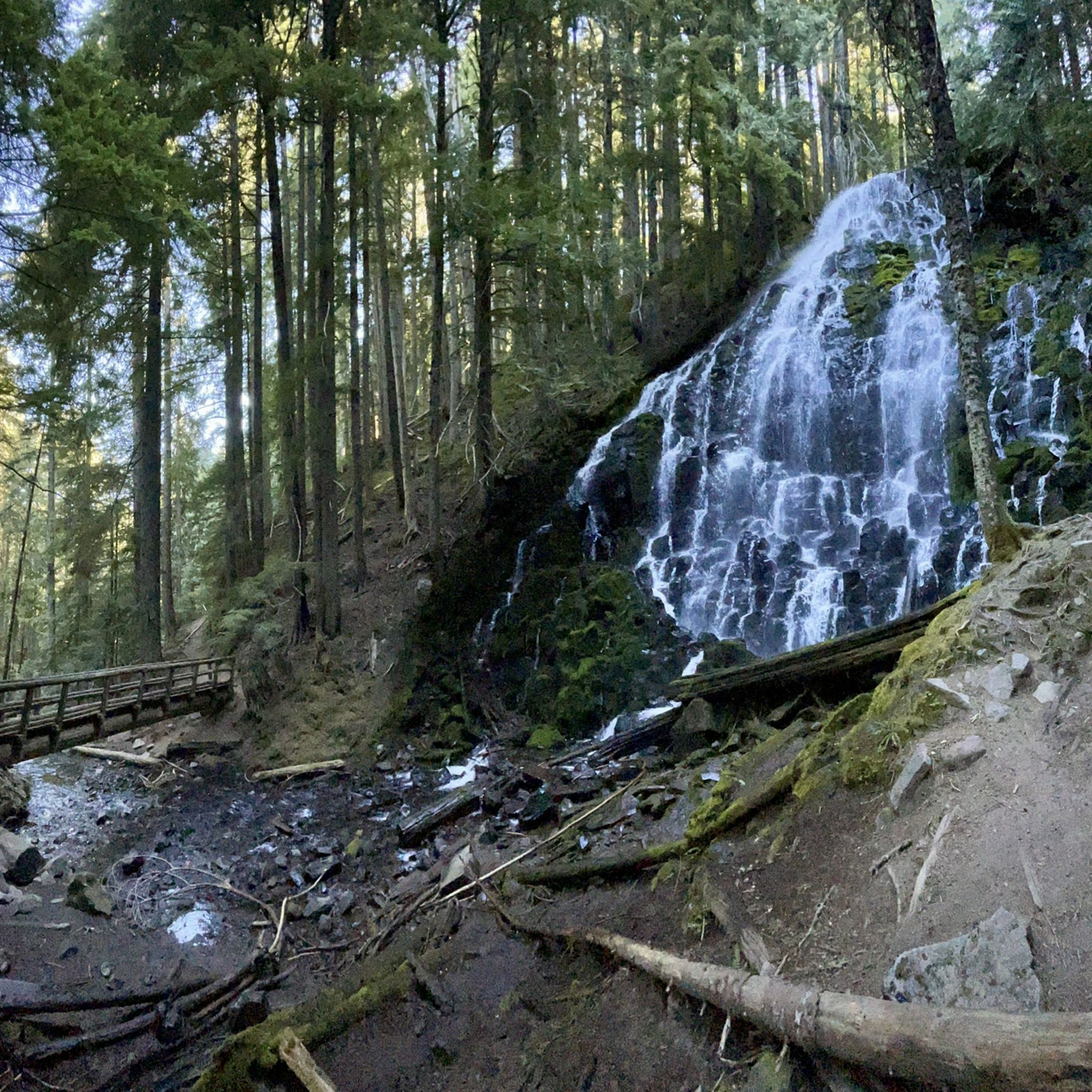
- The most popular natural monuments is Ramona Falls, a waterfall that cascades over moss-covered columnar…
Last updated: August 22, 2026
Ramona Falls
Highlight • Waterfall
Tip by

Zigzag Canyon Overlook
Highlight • Viewpoint
Tip by

Sign up now to discover places like this
Get recommendations on the best single tracks, peaks, & plenty of other exciting outdoor places.
Sign up for free
View of Mt. Hood & White River Glacier
Highlight • Viewpoint
Tip by
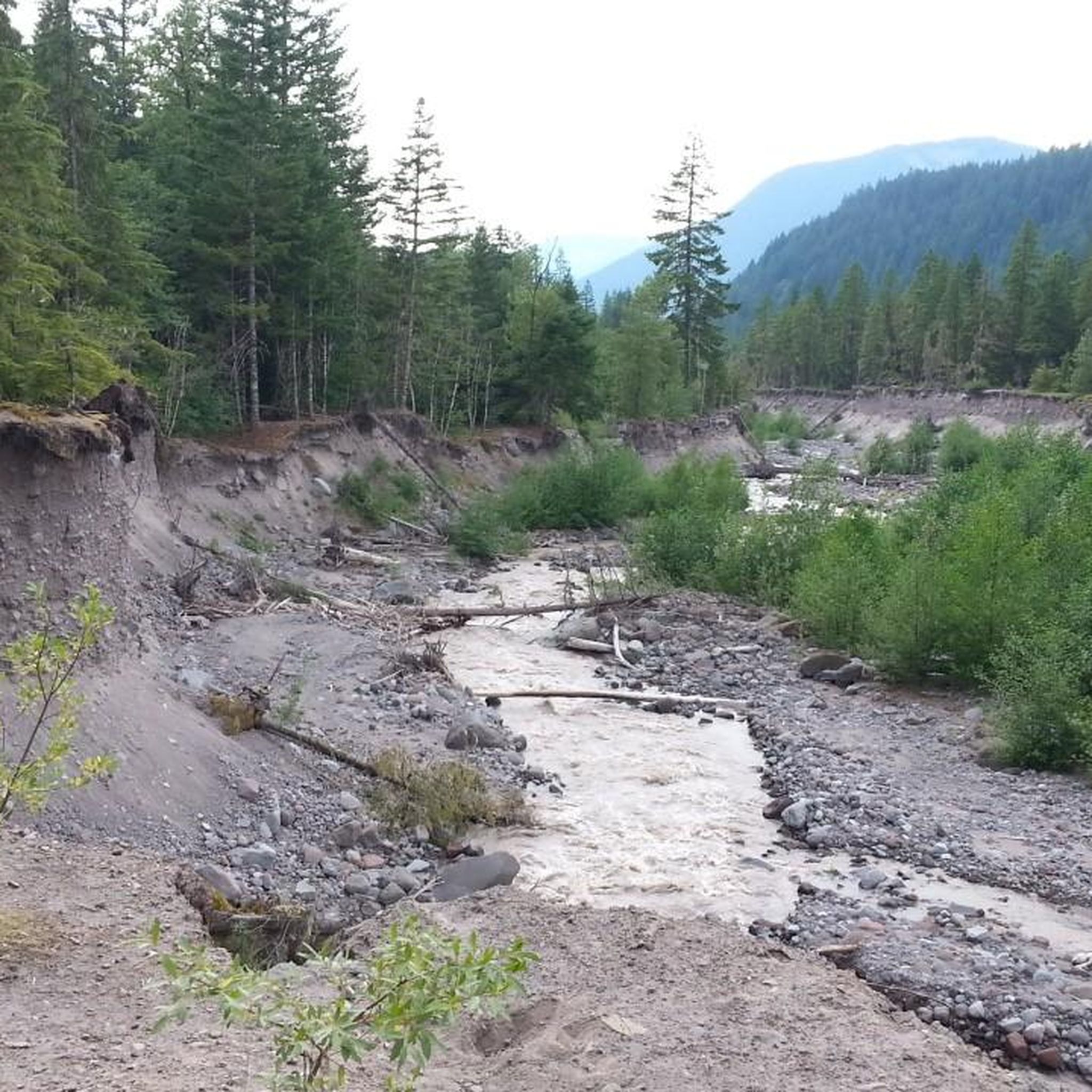
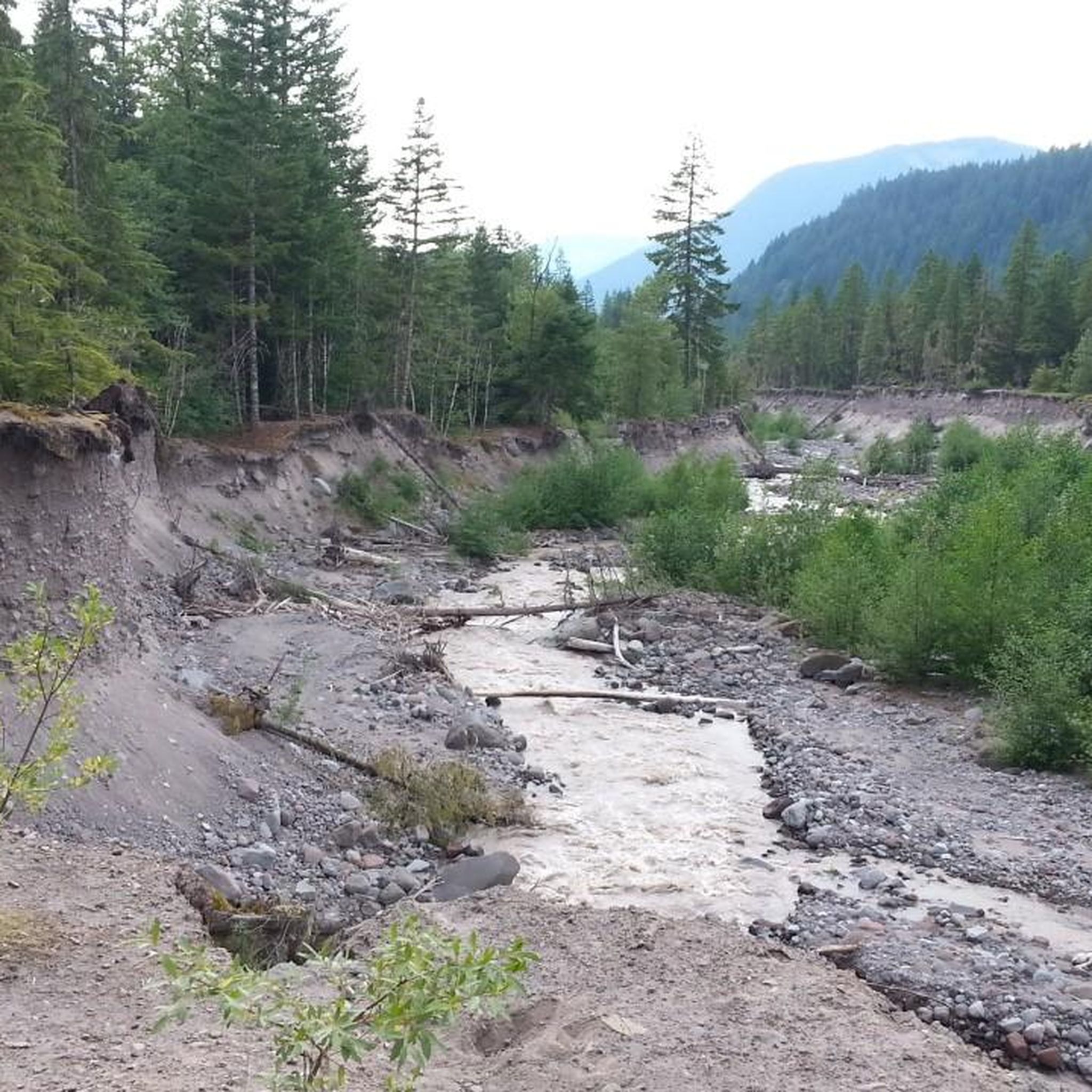
Zigzag River
Highlight • River
Tip by
Upper Twin Lake
Highlight • Lake
Tip by

Sign up for free to discover even more natural monuments in Mount Hood Wilderness.
Sign up for free
Already have an account?
Start today with a free account
Your next adventure awaits.
Login or Signup
Other adventures in Mount Hood Wilderness

Tips from the Community

Go early. Crossing the Sandy River can be challenging. There is a log across that someone has rigged yellow guide rope to, on poles for an easier walk across.
0
0

Beautiful fairylandlike waterfall along the Pacific Crest Trail on the west side of Mount Hood. You can get there by hiking the 7-mile Ramona Falls Loop, but keep in mind that you have to cross the Sandy River on logs.
3
0
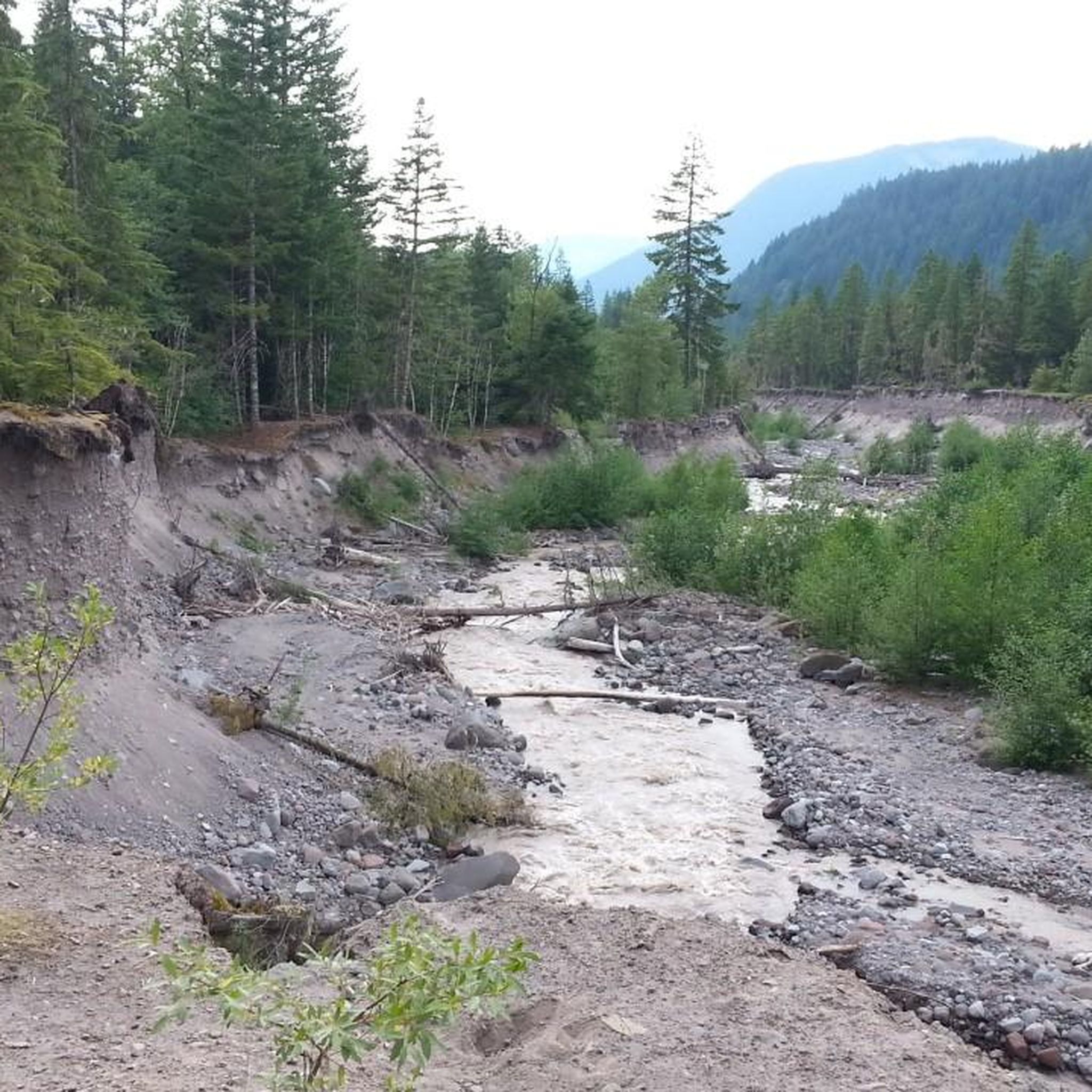
The trail winds down to the river that rushes from Mount Hood. Use the rocks to cross the water without getting your feet wet or just walk through it, if you don’t mind wet feet.
3
0

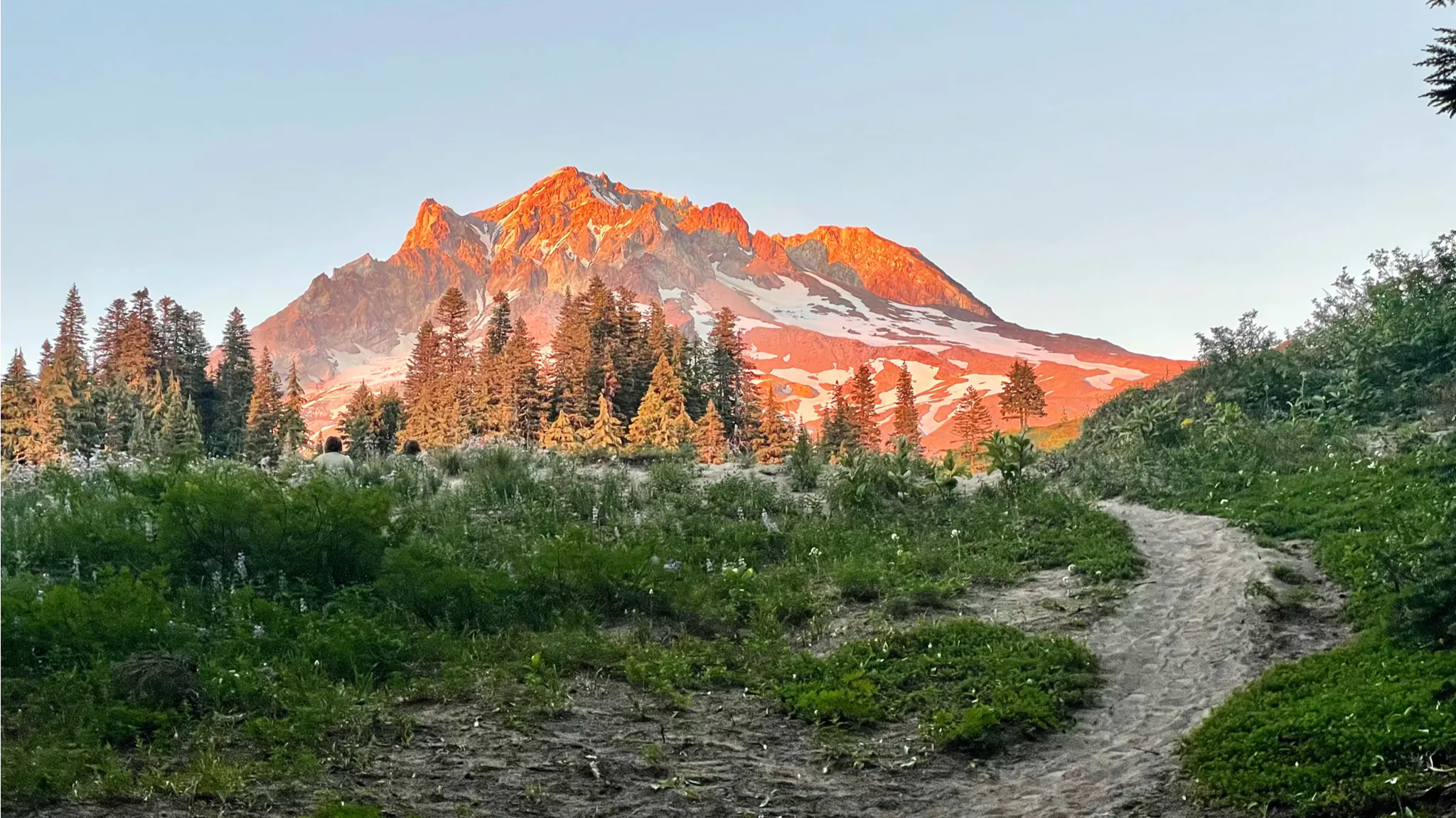
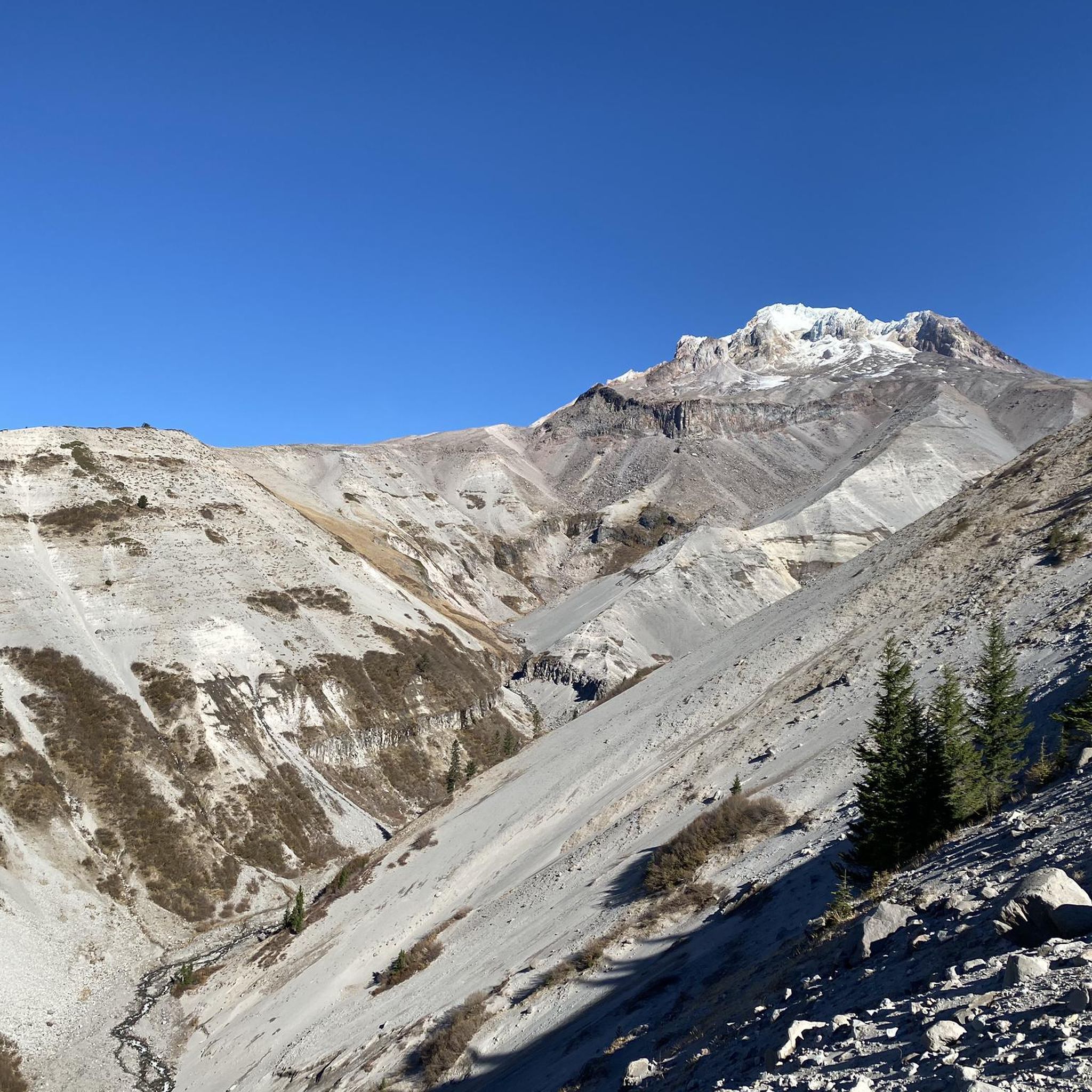
Wonderful view of Mount Hood summit, Zigzag Glacier and Illumination Rock. This is a popular spot on the Pacific Crest Trail for hikers and runners to take a break and enjoy the beautiful surroundings.
0
0
The trail going up Mount Hood is a difficult one, so it is important to be safe and not rush this part of the trail. The views in this area are spectacular, so if you want to enjoy your surroundings, make sure you are doing it safely.
0
0

Beautiful spot to view the White River Glacier on Mt. Hood. The wildflowers are plentiful along the alpine meadows, making this an ideal place to stop and have lunch.
0
1
This serene lake is a popular overnight backpacking destination. In early summer, wild rhododendrons are in bloom. In late summer it is a great spot to take a break and snack on ripe huckleberries that are abundant in the area.
0
0
A small log is here to help cross or stones depending on the water level. This is an excellent place to refill your water supply and take a break before heading uphill for the next portion of the hike. There is a visible waterfall upstream that is easy to get to by walking along the river bed if you want a closer look.
0
0
Frequently Asked Questions
What are some of the most unique natural monuments in Mount Hood Wilderness?
The Mount Hood Wilderness is home to several unique natural monuments. Ramona Falls stands out with its water cascading over moss-covered columnar basalt, creating a 'fairyland-like' appearance. Another fascinating feature is Little Crater Lake, an artesian well known for its exceptionally clear, topaz-blue waters, fed by melting snow. The prehistoric buried forests, entombed by ash from past Mount Hood eruptions and now being uncovered by erosion, also offer a tangible connection to the volcano's history.
Are there any natural monuments suitable for families in Mount Hood Wilderness?
Yes, several natural monuments are suitable for families. Upper Twin Lake is a great option, offering a quieter experience with nice views of Mount Hood and the Barlow Creek valley. While the guide doesn't explicitly list other family-friendly natural monuments, many trails leading to viewpoints or less strenuous features can be enjoyed by families. Always check trail difficulty and length before heading out.
What kind of geological features can I expect to see in Mount Hood Wilderness?
The Mount Hood Wilderness showcases a dramatic geological history. You'll encounter towering volcanic peaks like Mount Hood itself, which is a dormant stratovolcano with 11 active glaciers. Other features include stunning waterfalls like Ramona Falls with its columnar basalt, pristine alpine lakes such as Trillium Lake and Upper Twin Lake, and unique formations like Little Crater Lake, an artesian well. The region also features prominent ridges and peaks like Barrett Spur, Illumination Rock, and Yocum Ridge, offering spectacular alpine vistas.
What is the best time of year to visit the natural monuments in Mount Hood Wilderness?
The best time to visit depends on the experience you seek. Summer and early fall (July to September) generally offer the most accessible conditions for hiking to many natural monuments, with warmer weather and less snow. However, Trillium Lake is particularly picturesque at dawn or sunset, offering reflective views of Mount Hood. Some areas, especially at higher elevations, may be snow-covered well into early summer, and winter hiking requires specialized gear and experience.
Where can I find impressive viewpoints of Mount Hood and its glaciers?
For breathtaking views of Mount Hood and its glaciers, consider visiting View of Mt. Hood & White River Glacier, which offers vistas of the summit and the rushing White River below. The Zigzag Canyon Overlook provides an awe-inspiring perspective of the Mount Hood summit, Zigzag Glacier, and Illumination Rock. Trillium Lake is also famous for its reflective views of the mountain, especially during sunrise or sunset.
Are there any natural monuments that involve crossing rivers?
Yes, to reach Ramona Falls, part of the adventure involves crossing the Sandy River on logs. The Zigzag River itself is a natural monument where the trail winds down to the river, and you might use rocks or a small log to cross, depending on water levels.
What outdoor activities can I do near the natural monuments in Mount Hood Wilderness?
The Mount Hood Wilderness offers a wide range of outdoor activities. You can explore various hiking trails, from easy to challenging, that lead to many natural monuments. For specific hiking options, you can check out the Easy hikes in Mount Hood Wilderness guide. Cycling is also popular, with routes like those found in the Cycling in Mount Hood Wilderness and Road Cycling Routes in Mount Hood Wilderness guides. Many natural monuments are integrated into these trail systems, offering scenic backdrops for your adventures.
What do visitors enjoy most about the natural monuments in Mount Hood Wilderness?
Visitors frequently praise the stunning scenery and the sense of adventure. For instance, the trail to Ramona Falls is described as a beautiful forest walk leading to a 'fairyland-like' waterfall. The Zigzag Canyon Overlook is considered an awe-inspiring spot for photos, offering clear views of Mount Hood's summit and glaciers. Many appreciate the opportunity to take a break and enjoy the beautiful surroundings, especially along trails like the Pacific Crest Trail and Timberline Trail.
Are there any natural monuments that are less crowded?
Upper Twin Lake is noted for receiving fewer visitors compared to Lower Twin Lake, offering a more quiet experience. While the main peak of Mount Hood attracts many climbers, exploring some of the lesser-known ridges and peaks like Barrett Spur or Yocum Ridge might provide a more secluded experience, though these often involve more challenging hikes.
Can I see wildlife near the natural monuments?
The Mount Hood Wilderness is rich in biodiversity. While specific wildlife sightings are not guaranteed, the diverse habitats around natural monuments like lakes, forests, and rivers provide opportunities to observe local fauna. For example, the alpine meadows near View of Mt. Hood & White River Glacier are known for plentiful wildflowers, which can attract various insects and birds. Keep an eye out for deer, elk, and smaller mammals common to the Pacific Northwest forests.
Are there any natural monuments with historical significance?
Yes, the prehistoric buried forests within the wilderness offer a unique historical perspective. These forests were entombed by ash during Mount Hood's past eruptive periods, and erosion is now uncovering some of these fossilized trees. They provide a tangible connection to the volcano's powerful impact on the landscape over millennia. Notable locations to see these include Illumination Ridge's south side (Stadter Buried Forest), along the Zigzag River, and near the White River and Sandy River canyons.
Most popular routes in Mount Hood Wilderness
Most popular attractions in Mount Hood Wilderness

Get inspired with the komoot mobile app


Explore more
Extend your search for the best caves by checking out these guides of the top ones in Mount Hood Wilderness:
