Washington Islands Wilderness
Washington Islands Wilderness
Top 7 Natural Monuments in Washington Islands Wilderness
Best natural monuments in Washington Islands Wilderness encompass an expanse of over 600 islands, rocks, and reefs off the Olympic Coast. This federally protected wilderness is a critical habitat for seabirds and marine mammals, featuring diverse island formations and rugged coastal geology. While much of the core wilderness is closed to public entry, many natural monuments and their abundant wildlife can be observed from designated viewing areas. The region also includes historical sites like the Wedding Rocks Petroglyphs, showcasing cultural…
Last updated: May 1, 2026
Second Beach
Highlight • Beach
Tip by

Split Rock
Highlight • Natural Monument
Translated by Google •
Tip by

Sign up now to discover places like this
Get recommendations on the best single tracks, peaks, & plenty of other exciting outdoor places.
Sign up for free
Abbey Island
Highlight • Beach
Tip by

Wedding Rocks Petroglyphs
Highlight • Historical Site
Tip by
Browns Point Rock Formations
Highlight • Natural Monument
Tip by
Sign up for free to discover even more natural monuments in Washington Islands Wilderness.
Sign up for free
Already have an account?
Start today with a free account
Your next adventure awaits.
Login or Signup
Popular around Washington Islands Wilderness
Tips from the Community

The Wedding Rock Petroglyphs are a collection of Native American petroglyphs, or rock carvings, located at the coast of Olympic National Park, Washington. The petroglyphs feature various designs and symbols, that include animals, human figures, and abstract patterns.
0
0
Second Beach is a stunning coastal destination in Olympic National Park. It is known for its pristine sandy shores and the impressive rock formations inside the ocean.
0
0

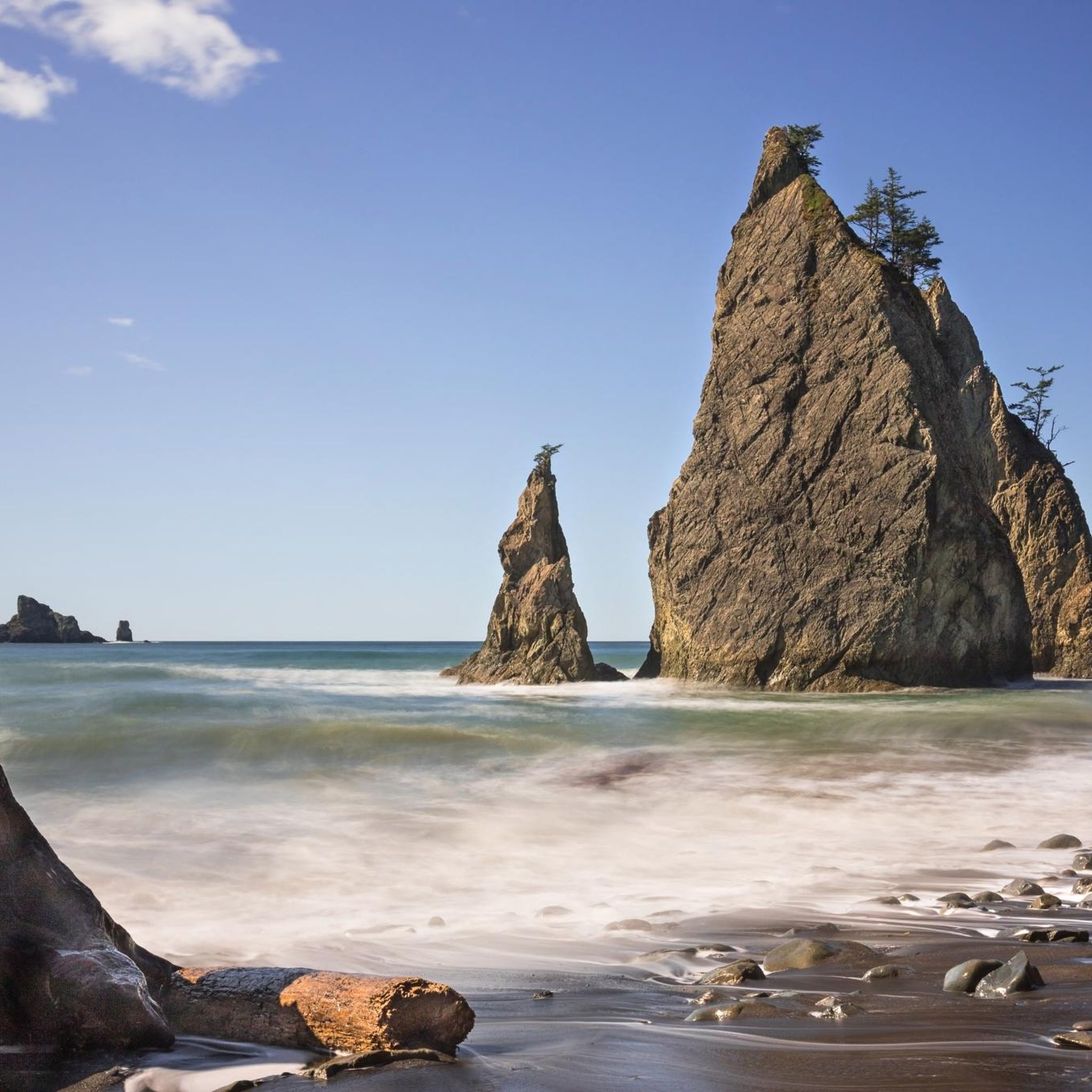
Abbey Island is absolutely stunning and one of the Olympic National Park's most photographed sea stacks. Sitting offshore a few hundred feet, it is home to sea otters and migratory birds, bordered with many starfish and mussels. It's the perfect setting to photograph and create your own postcard.
0
0
Second Beach is a stunning coastal destination in Olympic National Park. It is known for its pristine sandy shores and the impressive rock formations inside the ocean.
0
0
The Wedding Rock Petroglyphs are a collection of Native American petroglyphs, or rock carvings, located at the coast of Olympic National Park, Washington. The petroglyphs feature various designs and symbols, that include animals, human figures, and abstract patterns.
0
0

The west coast of the Olympic Peninsula offers dramatic views at the wild beaches along the Pacific Ocean. Take a stroll to Browns Point and pass bluffs high overhead. Beware of the tide and plan your hike back accordingly.
1
0
Abbey Island is one of the most popular picture postcard views. Located at Ruby Beach next to or in the Pacific Ocean - depending on the tide - it is a great destination for a stroll along the shore. It got its name since early settlers saw a cathedral in the shape of the island.
5
0

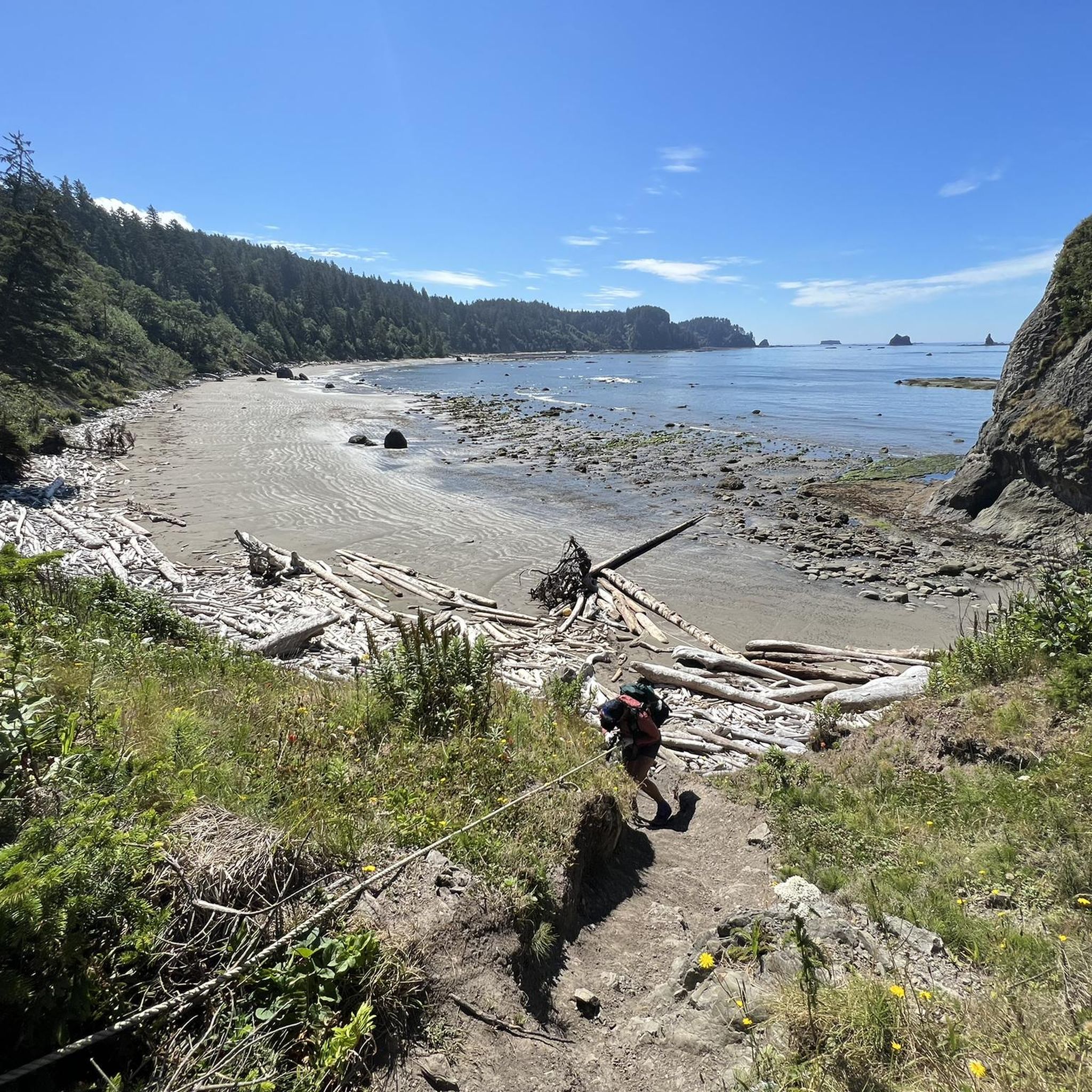
At low tide, it is easier to walk along the beach to the Split Rocks, otherwise you have to climb over many tree trunks.
0
0
Frequently Asked Questions
What kind of wildlife can I observe near the natural monuments in Washington Islands Wilderness?
The Washington Islands Wilderness is a critical habitat for a vast array of seabirds and marine mammals. From designated viewing areas on the mainland or in nearby accessible natural areas, you can often spot common murres, tufted puffins, Brandt's cormorants, and rhinoceros auklets. Marine mammals like sea otters, harbor seals, Steller sea lions, California sea lions, and northern elephant seals are also frequently seen resting on the rocky shores. For example, Abbey Island at Ruby Beach is known for sea otters and migratory birds.
Are there family-friendly natural monuments to visit in the Washington Islands Wilderness area?
Yes, several natural monuments in the area are suitable for families. Second Beach is a popular choice, offering pristine sandy shores and impressive rock formations. Abbey Island at Ruby Beach is also family-friendly, where at low tide, visitors can explore the intertidal zone rich with starfish and mussels, providing a hands-on experience of marine life.
What are the best times to visit the natural monuments in Washington Islands Wilderness?
The best time to visit often depends on what you wish to experience. For wildlife viewing, especially seabirds and marine mammals, spring and summer offer good opportunities. Low tide is often ideal for exploring tide pools and accessing formations like Split Rock. Always check local weather forecasts and tide charts before your visit, as coastal conditions can change rapidly.
What historical or cultural sites are located near the natural monuments?
The region offers cultural significance alongside its natural beauty. The Wedding Rocks Petroglyphs are a notable historical site, featuring a collection of Native American rock carvings with various designs and symbols, including animals, human figures, and abstract patterns, located on the coast of Olympic National Park.
What kind of natural features can I expect to see when visiting these monuments?
You can expect to see diverse island formations, dramatic sea stacks, and rugged coastal geology. Many islands drop abruptly into the sea, showcasing dynamic coastal processes. Beaches like Second Beach feature impressive rock formations, while Browns Point Rock Formations offer dramatic views along the wild beaches of the Olympic Peninsula.
Are there hiking trails near the natural monuments in Washington Islands Wilderness?
Yes, there are several hiking opportunities near the natural monuments. For example, you can find trails like the Second Beach Trail and the Ruby Beach & Abbey Island – Olympic National Park route. You can explore more hiking options in the region by visiting the Hiking in Washington Islands Wilderness guide.
What outdoor activities can I do near these natural monuments?
Beyond exploring the natural monuments themselves, the area offers various outdoor activities. You can enjoy running on trails like the Kalaloch Beaches Trail or the Second Beach Trail, as detailed in the Running Trails in Washington Islands Wilderness guide. Hiking is also very popular, with options ranging from easy walks to more challenging routes. For easy hikes, check out the Easy hikes in Washington Islands Wilderness guide.
Are permits required to visit the natural monuments in Washington Islands Wilderness?
While most of the core Washington Islands Wilderness is closed to public entry year-round, accessible viewing areas and adjacent natural areas typically do not require specific wilderness permits for day use. However, if you plan to visit areas within Olympic National Park, a park entrance fee or pass may be required. Always check the specific requirements for your chosen destination.
What should I wear when visiting the natural monuments along the Washington coast?
Given the coastal environment, it's best to dress in layers. Weather can be unpredictable, with cool temperatures, wind, and rain possible even in summer. Waterproof and windproof outer layers are highly recommended. Sturdy, waterproof hiking boots are essential, especially if you plan to explore beaches at low tide or navigate uneven terrain.
What makes the San Juan Islands National Monument a significant natural area?
The San Juan Islands National Monument, while separate from the Washington Islands Wilderness, is another stunning archipelago in Puget Sound. It features over 450 islands, rocks, and pinnacles, offering opportunities for hiking, kayaking, and wildlife viewing, including whale watching. It's particularly noted for supporting migratory birds and unique flora. Some parts of the San Juan Islands National Wildlife Refuge are open for exploration. More information can be found on the U.S. Fish & Wildlife Service website or the Bureau of Land Management website.
Are there any hidden gems or less-known natural monuments worth exploring?
While the core wilderness is largely restricted, exploring the less-trafficked sections of the Olympic Peninsula coastline can reveal hidden gems. Many smaller, unnamed sea stacks and rock formations can be discovered during beach walks, especially at low tide. These offer a sense of solitude and untouched natural beauty, away from the more popular viewpoints.
What do visitors enjoy most about the natural monuments in Washington Islands Wilderness?
Visitors frequently express appreciation for the dramatic coastal scenery, the impressive rock formations, and the abundant wildlife. The opportunity to witness sea stacks, explore tide pools, and observe seabirds and marine mammals in their natural habitat is a major draw. The pristine nature of the beaches and the sense of wildness are also highly valued by those who visit.
Most popular routes in Washington Islands Wilderness
Most popular attractions in Washington Islands Wilderness

Get inspired with the komoot mobile app


