Top 6 Natural Monuments around Escalante
Best natural monuments around Escalante are found within the vast Grand Staircase-Escalante National Monument, a landscape characterized by geological wonders and diverse ecosystems. The region features three significant landforms: the Escalante Canyons, the Grand Staircase, and the Kaiparowits Plateau. This area offers opportunities for exploration amidst colorful sandstone cliffs, narrow slot canyons, and sculpted slickrock. It is a destination for those seeking to experience varied natural features.
Best natural monuments around Escalante
- The most popular natural monuments is Escalante Petrified…
Last updated: April 30, 2026
Petrified Wood of Escalante Petrified Forest State Park
Highlight • Natural Monument
Tip by

Escalante Petrified Forest
Highlight • Natural Monument
Translated by Google •
Tip by

Sign up now to discover places like this
Get recommendations on the best single tracks, peaks, & plenty of other exciting outdoor places.
Sign up for free
Sleeping Rainbow Trail
Highlight (Segment) • Trail
Tip by
Death Hollow Creek
Highlight • Canyon
Tip by
Boulder Mail Trail
Highlight (Segment) • Trail
Tip by

Sign up for free to discover even more natural monuments around Escalante.
Sign up for free
Already have an account?
Start today with a free account
Your next adventure awaits.
Login or Signup
Popular around Escalante
Tips from the Community

Petrified wood is a type of fossilized wood created when tree remains undergo a mineralization process, often involving replacement by stone. While individual pieces of petrified wood are common, this area features several large trunks shimmering in various colors. The hike through this area is stunning, offering many views of colorful, fossilized tree stumps, a rewarding experience.
0
0

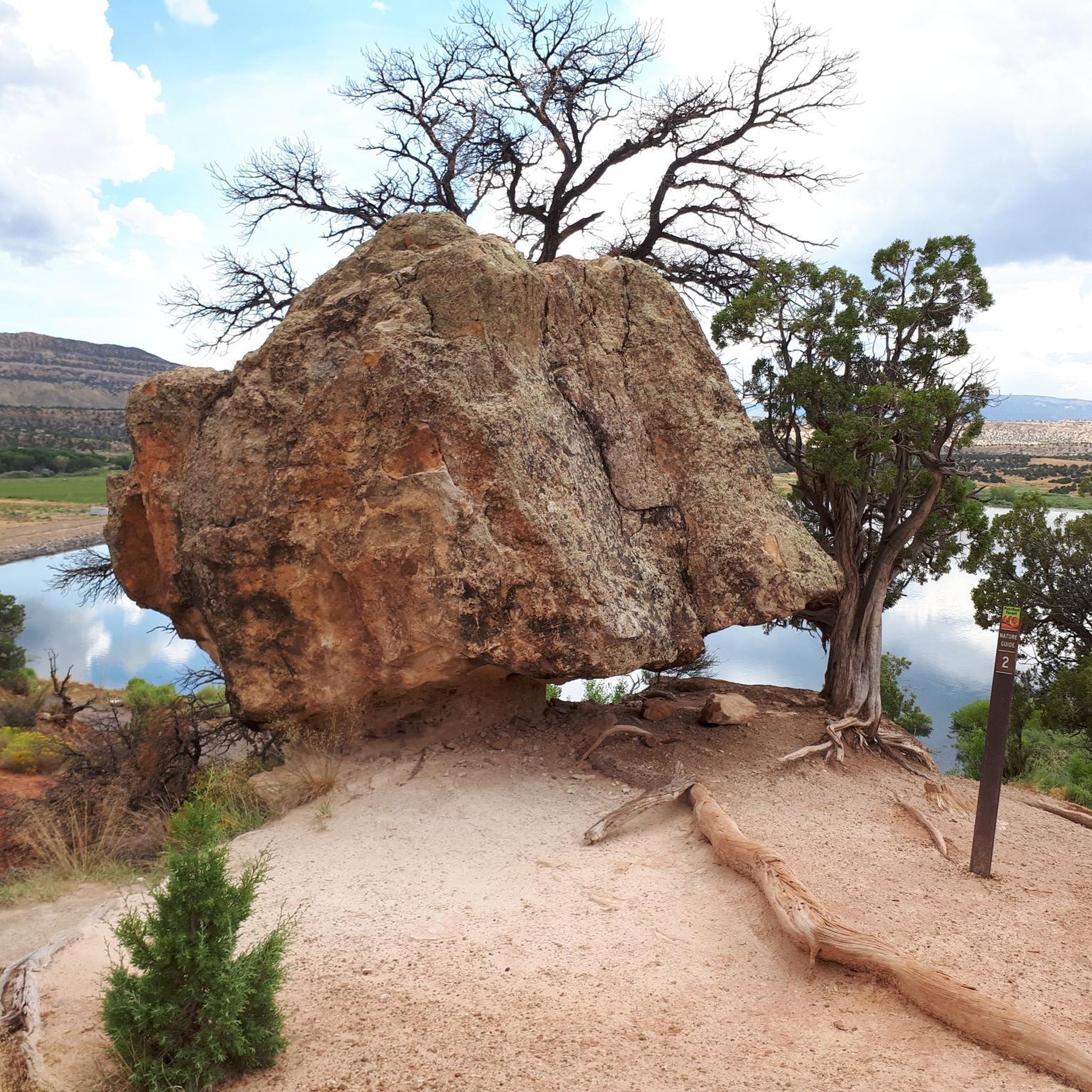
Escalante Petrified Forest State Park preserves a stunning collection of fossilized trees, some over 135 million years old, scattered across a high desert mesa. Here, you'll see colorful logs turned to stone and panoramic views of Wide Hollow Reservoir. There are places to camp, canoe, hike, or ride through this beautiful area, making it a great place to spend a weekend just outside of Escalante.
0
0
Death Hollow Creek spans over 20 miles, offering scenic canyons and expansive rock slabs. It is one of the Escalante River's longest tributaries through the Navajo sandstone canyon with pools, and small waterfalls The creek begins at 9,000 feet on Boulder Mountain's forested slopes, then descends steeply and levels out before merging with the Escalante River at 5,400 feet.
0
0
Petrified wood is a type of fossilized wood created when tree remains undergo a mineralization process, often involving replacement by stone. While individual pieces of petrified wood are common, this area features several large trunks shimmering in various colors. The hike through this area is stunning, offering many views of colorful, fossilized tree stumps, a rewarding experience.
0
0
The Sleeping Rainbow Trail is a more challenging hike option due to its steep terrain and summer heat. Despite the difficulty, the trail rewards those who persist with views of large fossilized tree trunks. The steep beginning gives way to a mostly level path at the top, unless you continue onto the Sleeping Rainbow loop, which descends and climbs back up. For a less demanding walk, try the nearby Petrified Wood Cove Trail.
1
0

Before the existence of UT-12 (in the 1930s) this was the route to travel between Escalate and Boulder. Today, travelling between those two places is way easier, and the trail became a famous hiking route through the rocky terrain.
0
0

Escalante Petrified Forest State Park is located nearby a small reservoir that is popular spot for all kind of recreational activities. The park includes a developed campground with RV sites. On the hill above the campground you can see large petrified logs and a marked hiking trail leads through the petrified forest.
2
0

ideal, if you do not want to spend time for the Petrified Forest NP
0
1
Frequently Asked Questions
What are some of the most popular natural monuments to visit around Escalante?
The region is rich with natural wonders. Highly regarded spots include the Escalante Petrified Forest, known for its ancient fossilized trees. Other popular attractions are the extensive slot canyons like Peek-a-Boo and Spooky Gulch, and the picturesque Lower Calf Creek Falls.
Are there family-friendly natural monuments or activities in the Escalante area?
Yes, the Escalante Petrified Forest is considered family-friendly, offering a shorter 'Main Loop' trail suitable for most. The Toadstool Hoodoos also provide an easily accessible and intriguing display of unique rock formations that can be enjoyed by families. Additionally, the Wide Hollow Reservoir near the Petrified Forest is a popular spot for recreational activities like canoeing.
What kind of unique geological features can I expect to see in the Escalante natural monuments?
You'll encounter a diverse range of geological formations. The area is famous for its narrow slot canyons with swirling patterns and vibrant colors, such as Zebra Slot Canyon. You can also see unique mushroom-shaped rock pillars known as hoodoos at the Toadstool Hoodoos, and impressive natural arches like Grosvenor Arch and Metate Arch in Devil's Garden.
What outdoor activities can I do near the natural monuments in Escalante?
The area offers extensive opportunities for outdoor activities, primarily hiking. You can explore various trails, including those leading to slot canyons, waterfalls, and petrified forests. For more detailed hiking options, you can check out the Hiking around Escalante guide, which features routes like the Petrified Forest and Sleeping Rainbows Trail, and the historic Boulder Mail Trail.
What is the best time of year to visit the natural monuments around Escalante?
The Grand Staircase-Escalante National Monument is generally best visited during the spring (April-May) and fall (September-October) when temperatures are milder and more comfortable for hiking and exploration. Summers can be very hot, and some trails, like the Sleeping Rainbow Trail, can be particularly challenging due to the heat.
Are there any challenging trails for experienced hikers among the natural monuments?
Yes, several challenging options exist. The Sleeping Rainbow Trail is a more demanding hike with steep terrain. Death Hollow Creek offers a challenging canyon experience spanning over 20 miles with varied terrain. Additionally, many of the slot canyons, such as Peek-a-Boo and Spooky Gulch, require scrambling and navigating tight squeezes, providing a significant challenge.
Where can I find impressive viewpoints of the Escalante landscape?
The Escalante Overlook is an excellent spot to get a panoramic view of the rocky landscape and the Escalante River flowing below. The Escalante Petrified Forest also offers panoramic views of Wide Hollow Reservoir.
What are the entry fees or permits required for visiting natural monuments in Escalante?
For specific sites like the Escalante Petrified Forest, there is an entry fee, typically around $10 per car. For other areas within the vast Grand Staircase-Escalante National Monument, permits may be required for certain backcountry activities or overnight stays. It's advisable to check the official BLM website for the most current information on permits and fees: blm.gov.
Can I see ancient rock art or historical sites near the natural monuments?
Yes, the trail leading to Lower Calf Creek Falls follows Calf Creek and features ancient Fremont rock art, offering a glimpse into the region's historical human presence. The Grand Staircase-Escalante National Monument also holds significant paleontological importance, with a rich history of fossil discoveries.
What makes the Escalante Petrified Forest a unique natural monument?
The Escalante Petrified Forest preserves a remarkable collection of fossilized trees, some over 135 million years old. These ancient logs, scattered across a high desert mesa, display vibrant colors ranging from reddish, yellow, and violet tones, making it a unique geological and visual experience.
Are there any natural bridges or arches to explore?
Yes, the region is home to several impressive natural arches and bridges. Grosvenor Arch is a massive, double natural arch that stands prominently. Within Devil's Garden Outstanding Natural Area, you can find arches like Metate Arch and Mano Arch. The Escalante Natural Bridge, accessible via a hike along the Escalante River, is another significant formation carved by water and erosion.
What is the significance of the Grand Staircase-Escalante National Monument?
The Grand Staircase-Escalante National Monument is a vast and rugged landscape renowned for its incredible natural monuments, geological wonders, and diverse ecosystems. It's characterized by three significant landforms: the Escalante Canyons, the Grand Staircase, and the Kaiparowits Plateau. It's celebrated for its pristine backcountry, offering solitude and unconfined wilderness recreation, and is also important for its paleontological discoveries.
Most popular routes around Escalante
Most popular attractions around Escalante

Get inspired with the komoot mobile app


Explore more
Extend your search for the best caves by checking out these guides of the top ones around Escalante:
