Top 6 Natural Monuments around Wilmington
Best natural monuments around Wilmington feature a landscape shaped by glacial activity and river erosion, offering diverse geological formations. The region is characterized by its mountainous terrain, dense forests, and powerful waterways. These areas provide opportunities to observe unique natural features and explore the Adirondack environment. Visitors can experience a range of natural attractions, from dramatic waterfalls to high mountain summits.
Best natural monuments around Wilmington
- The most popular natural monuments is Flume Falls, a waterfall that can be…
Last updated: June 27, 2026
Flume Falls
Highlight • Waterfall
Tip by

High Falls Gorge Potholes
Highlight • Gorge
Tip by

Sign up now to discover places like this
Get recommendations on the best single tracks, peaks, & plenty of other exciting outdoor places.
Sign up for free
Whiteface Mountain and Stone Bridge, Taylor Pond Wild Forest
Highlight (Segment) • Summit
Tip by

High Falls
Highlight • Waterfall
Tip by
Cobble Lookout
Highlight • Viewpoint
Tip by
Start today with a free account
Your next adventure awaits.
Login or Signup

Tips from the Community

High Falls Gorge Potholes are a geologic highlight within the privately operated High Falls Gorge near Wilmington, New York, just outside the Adirondack High Peaks. Carved over thousands of years by the rushing Ausable River, these deep, cylindrical potholes were formed by swirling glacial meltwater and sediment. Today, you can view them safely from sturdy walkways and glass-floor platforms that follow the edge of the gorge. Interpretive signs explain the area's unique geology and the erosive power behind these formations. It’s a short, accessible outing perfect for those curious about the raw forces that shaped this dramatic stretch of river.
0
0
High Falls in the McKenzie Mountain Wilderness is a secluded, powerful cascade tucked deep in New York’s Adirondack backcountry.
0
0
Flume Falls is a dramatic waterfall that you can see right from the road. It's definitely worth stopping your ride to grab a photo! Although there is a shoulder, it's a little narrow and drivers are also sure to be looking at the falls, so use caution when pulling over.
0
0

These dramatic waterfalls are a great destination in their own right, or as a quick side detour just before or after a longer hike in the Flume trail network.
1
0
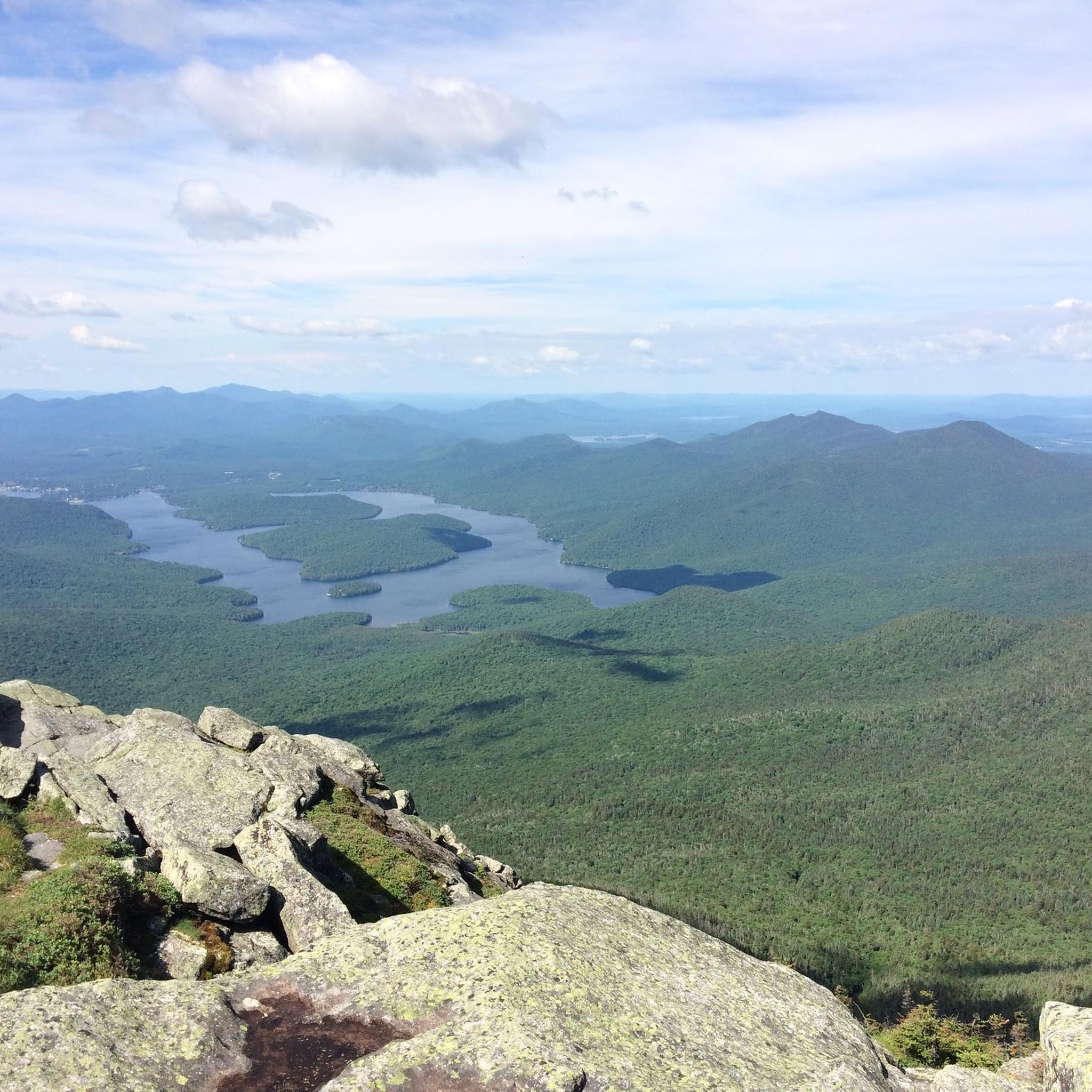
Don't want to climb the big peaks in this area like Ester, Whiteface, and Giant Mountain — or maybe don't have time? No problem. As long as the weather is clear, you can see them all from this viewpoint.
1
0

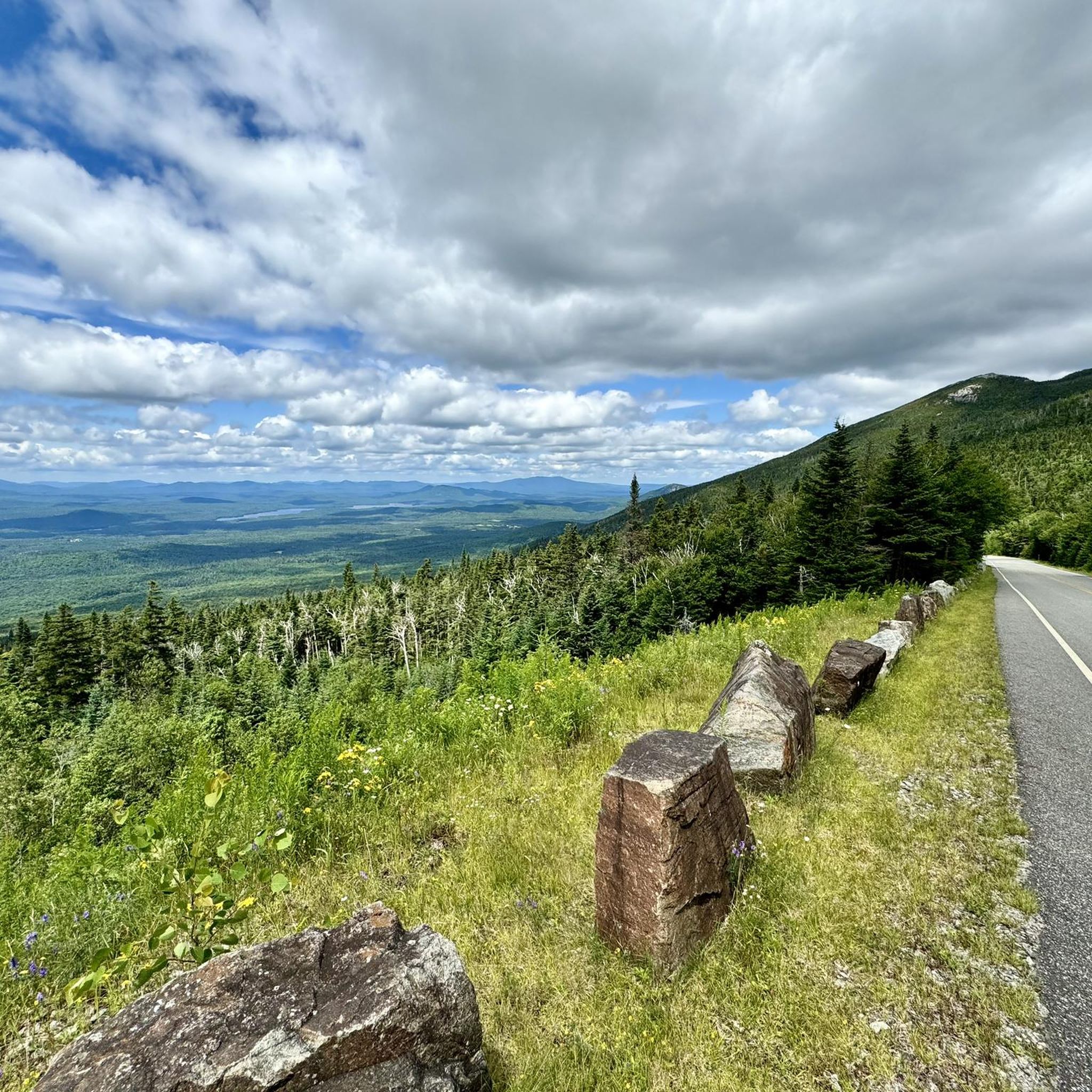
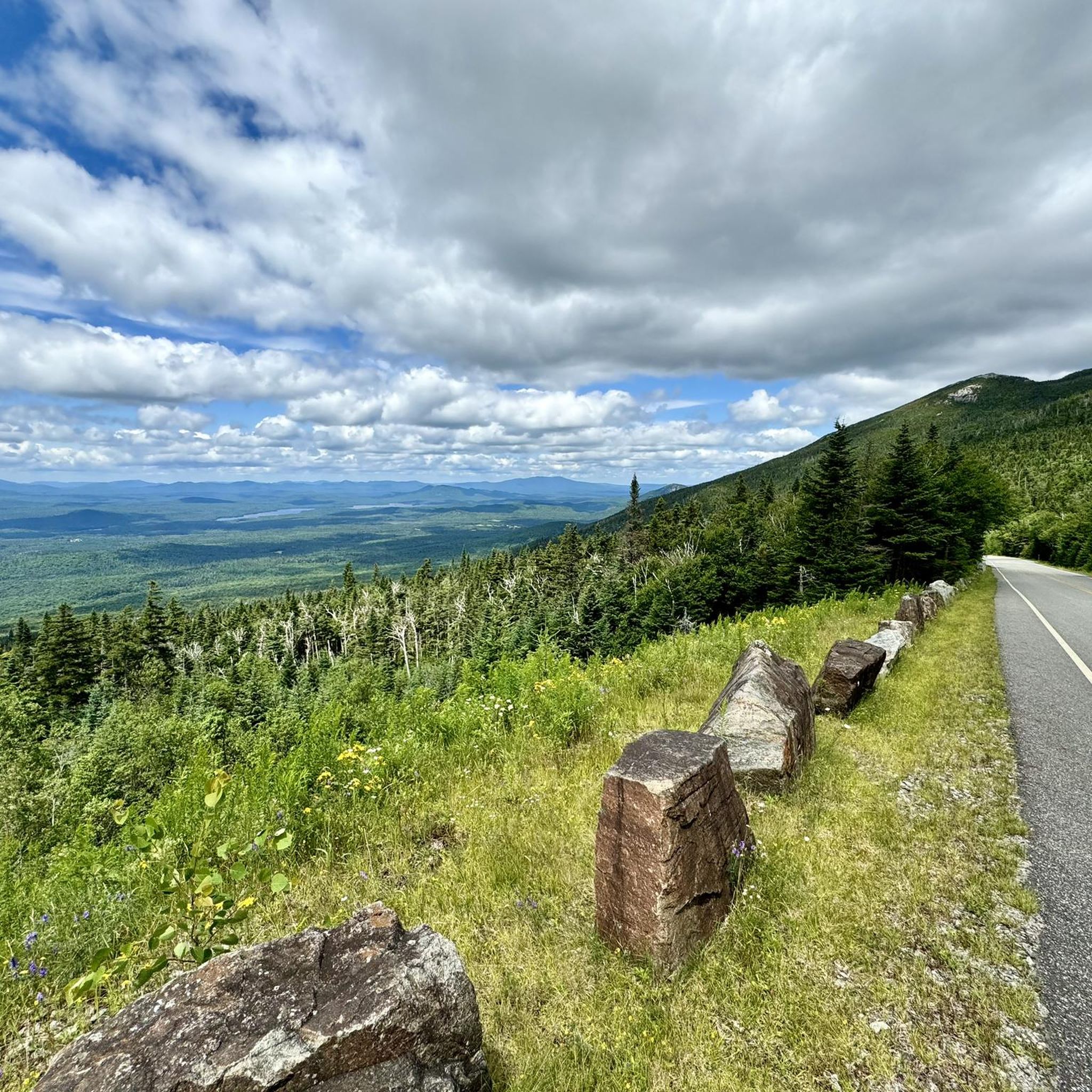
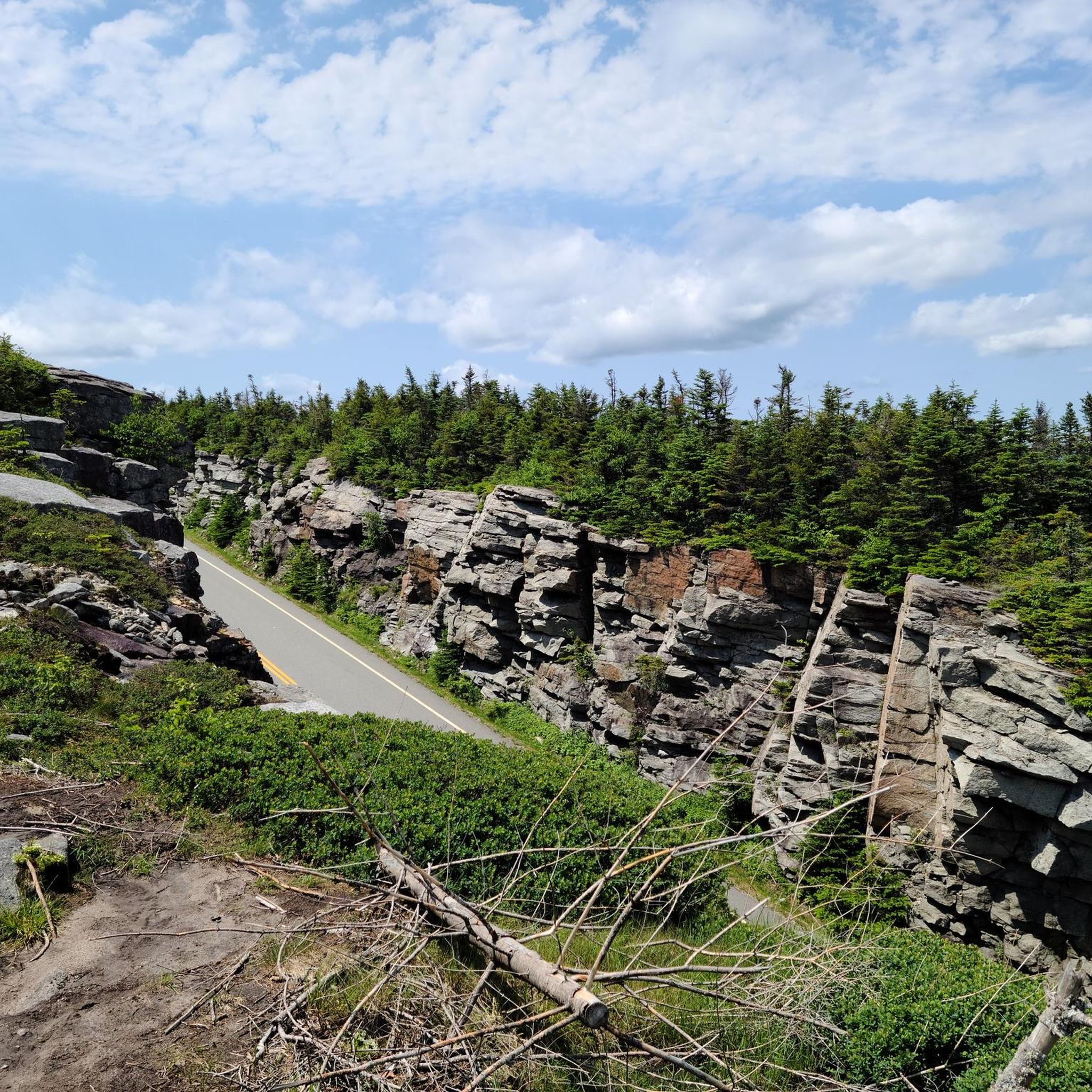
If you are still hungry for climbing, once on overpass, you can head up to the top of the Whiteface. Additional 700m vertical elevation over 9 km and back. There is $10 entrance fee at the gate. Top is on 1450m elevation so be prepared for all kinds of weather. There is caffe at the top for refreshment. Happy rides!
1
0
It was early June in Adirondacks, quiet roads and temperature in mid teens. Perfect for going up the mountain. Nature is waking up from the long winter with blooming trees and refreshing smell of pine. Be on a lookout for white tail deer and moose as they are roaming through the area. You will be warm hustling up the mountain but bring good wind breaker, hat and full finger gloves for downhill. You will be easy going 70 km/h, it will be cold. Bring food and water as there is nothing on the way. Treat yourself, once in Wilmington, with local brew and pizza at ADK Pizza&Pasta. You earned it! Happy riding and see you out there.
1
0
Frequently Asked Questions
What types of natural monuments can I explore around Wilmington?
Wilmington and its surroundings offer a diverse range of natural monuments. You can explore coastal ecosystems like barrier islands, salt marshes, and pristine beaches at places such as Fort Fisher State Recreation Area and Masonboro Island Reserve. The region is also home to unique botanical areas featuring carnivorous plants like the Venus flytrap, found in Carolina Beach State Park and the Stanley Rehder Carnivorous Plant Garden. Additionally, you'll find scenic gardens, nature preserves, and parks with diverse flora and fauna.
Are there natural monuments suitable for families with children?
Yes, several natural monuments around Wilmington are great for families. Carolina Beach State Park offers easy trails like 'The Flytrap Trail' where kids can see Venus flytraps. Airlie Gardens provides beautiful, accessible paths and stunning plant collections. Halyburton Park features a nature center and easy walking trails, perfect for environmental education and wildlife spotting. For a more adventurous family outing, consider the accessible walkways and glass-floor platforms at High Falls Gorge Potholes, which offer a safe way to view unique geological formations.
Where can I see unique wildlife or plants in the Wilmington area?
Wilmington is renowned for its unique biodiversity. Carolina Beach State Park is a prime location to observe the native Venus flytrap. Masonboro Island Reserve and Fort Fisher State Recreation Area are crucial nesting grounds for loggerhead and green sea turtles, and host various rare bird species like piping plovers and black skimmers. Halyburton Park is also an NC Natural Heritage site known for its longleaf pine restoration efforts and diverse habitats.
What are some popular hiking routes near these natural monuments?
While the Wilmington, NC, area offers many coastal walks, if you're looking for more traditional hiking routes, the region around Wilmington (NY, where some of the guide's highlights are located) features several options. For waterfall enthusiasts, you can explore routes like 'The Flume Fall' or 'Flume Knob Trail' as part of waterfall hikes around Wilmington. For easier walks, consider the 'High Falls Gorge Trail' or 'Cobble Lookout Trail' found in the easy hikes around Wilmington guide.
Are there any natural monuments with historical significance?
Yes, Fort Fisher State Recreation Area near Kure Beach not only offers pristine natural beauty but also borders the Fort Fisher State Historic Site. This site provides a glimpse into Civil War history with remnants of the fort and a museum, blending natural exploration with historical context.
What is the best time of year to visit Wilmington's natural monuments?
The best time to visit Wilmington's natural monuments largely depends on your interests. Spring and fall offer pleasant temperatures for hiking and exploring gardens like Airlie Gardens and the New Hanover County Arboretum. Summer is ideal for beach activities and observing sea turtle nesting (though be mindful of heat and humidity). For viewing carnivorous plants like the Venus flytrap, late spring to early summer is often best when they are most active. Winter can be mild, offering quieter experiences, especially in coastal areas.
Can I access natural monuments by public transport?
While some natural monuments closer to Wilmington's urban core, like Airlie Gardens or Halyburton Park, might be accessible via local public transport routes, many of the larger state parks and reserves, such as Carolina Beach State Park or Fort Fisher State Recreation Area, are best reached by car. Masonboro Island Reserve is unique as it's only accessible by boat.
Are there any natural monuments that offer unique geological features?
Yes, while the coastal Wilmington, NC, area is known for its barrier islands and dunes, the broader region (including the Adirondack area, where some highlights are located) features unique geological formations. For instance, High Falls Gorge Potholes showcases deep, cylindrical potholes carved by river erosion, which can be viewed from sturdy walkways and glass-floor platforms.
What are some lesser-known or 'hidden gem' natural monuments around Wilmington?
Beyond the well-known state parks, consider exploring the Stanley Rehder Carnivorous Plant Garden within the Piney Ridge Nature Preserve for a focused look at native carnivorous plants. Greenfield Park offers 190 acres with scenic views, lush gardens, and trails, providing a peaceful escape. For a truly remote experience, Masonboro Island Reserve, accessible only by boat, offers miles of undisturbed shoreline and excellent shelling opportunities.
Are there opportunities for running or trail running near these natural monuments?
Yes, the area provides various options for running. For example, the running trails around Wilmington guide includes routes like 'Flume Falls loop from Town of Wilmington' and 'Running loop from The Flume Fall', offering diverse terrain for joggers and trail runners.
What should I wear when visiting natural monuments in Wilmington?
Given the diverse environments, it's best to dress in layers. For coastal areas and beaches, light, breathable clothing, a hat, sunglasses, and sunscreen are essential. If hiking, wear comfortable, closed-toe shoes suitable for varied terrain. For visits to gardens or parks, comfortable walking shoes are sufficient. Always check the weather forecast before your visit and bring insect repellent, especially during warmer months or when exploring marshy areas.
Are dogs allowed at the natural monuments?
Dog policies vary by location. Many state parks and nature preserves, like Carolina Beach State Park, allow leashed dogs on trails and in designated areas. However, sensitive natural areas, especially those with nesting wildlife like Masonboro Island Reserve or parts of Fort Fisher State Recreation Area, may have restrictions or require dogs to be kept on very short leashes. Always check the specific rules for each natural monument before bringing your pet.
Most popular routes around Wilmington
Most popular attractions around Wilmington

Get inspired with the komoot mobile app


Explore more
Extend your search for the best caves by checking out these guides of the top ones around Wilmington:
