Top 10 Natural Monuments around Moonachie
Best natural monuments around Moonachie are found within the Hackensack Meadowlands District, an area rich in natural features and wildlife. Moonachie Creek, a significant natural feature, connects to the Hackensack River and is integral to the Meadowlands ecosystem. While Moonachie itself is a small borough, the surrounding region offers diverse natural areas. These locations provide opportunities to experience unique estuarine environments and preserved wetlands.
Best natural monuments around Moonachie
- The most popular natural monuments is The High Line, a…
Last updated: June 27, 2026
The High Line
Highlight (Segment) • Trail
Translated by Google •
Tip by

Central Park — 5th Avenue & 59th Street Entrance
Highlight • Forest
Translated by Google •
Tip by

Sign up now to discover places like this
Get recommendations on the best single tracks, peaks, & plenty of other exciting outdoor places.
Sign up for free
Jacqueline Kennedy Onassis Reservoir East Side
Highlight • Lake
Translated by Google •
Tip by

Columbus Circle
Highlight • Monument
Translated by Google •
Tip by

North Woods
Highlight • Waterfall
Tip by

Sign up for free to discover even more natural monuments around Moonachie.
Sign up for free
Already have an account?
Start today with a free account
Your next adventure awaits.
Login or Signup


Tips from the Community

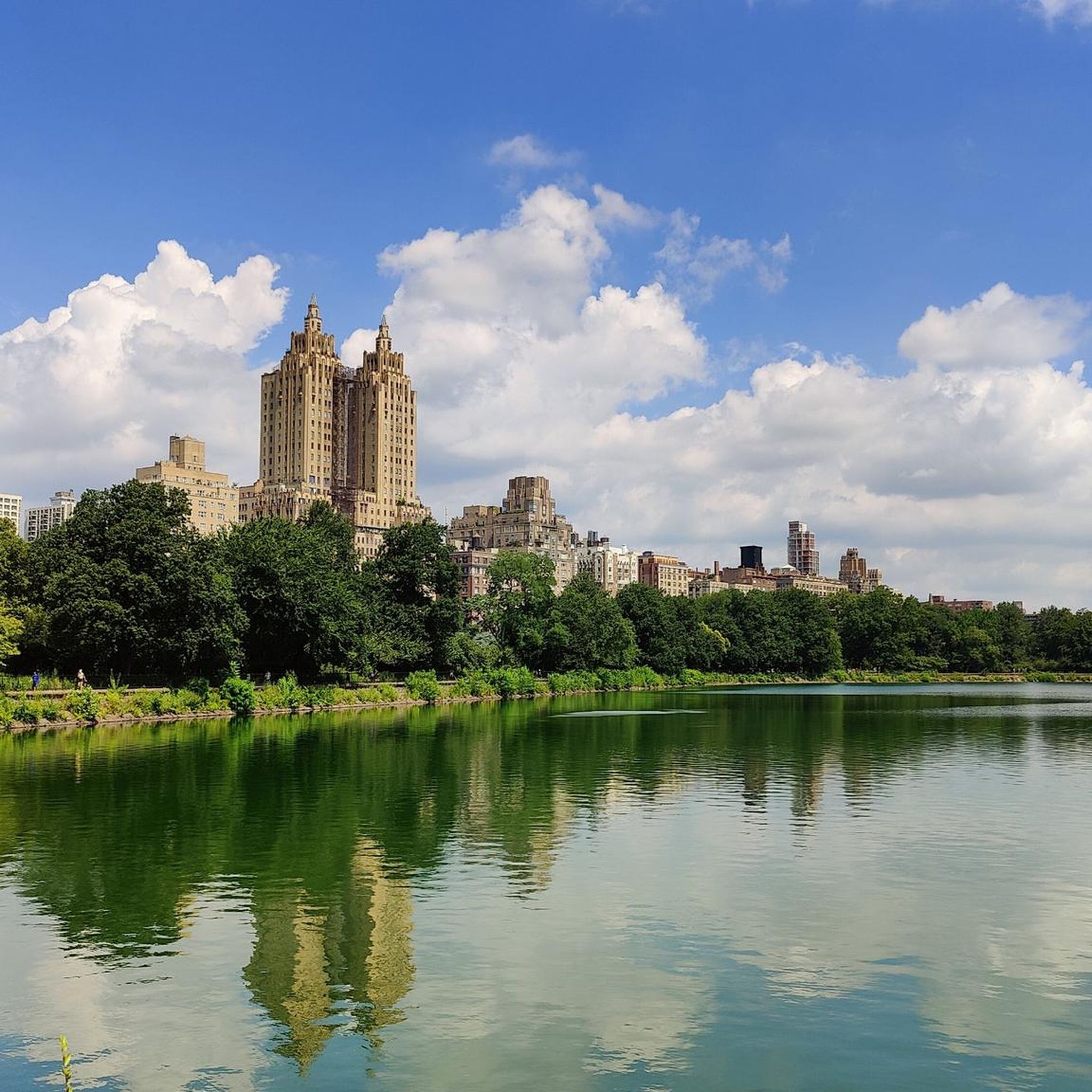
The Jacqueline Kennedy Onassis Reservoir, also known as Central Park Reservoir, is a large lake in Central Park. Despite being in the center of Manhattan, sitting on the side of the reservoir is one of the most peaceful places you could be in the city.
1
0

Most amazing park I've ever visited🥰🇺🇸👌
0
0
Most amazing park I've ever visited🥰🇺🇸👌
2
0

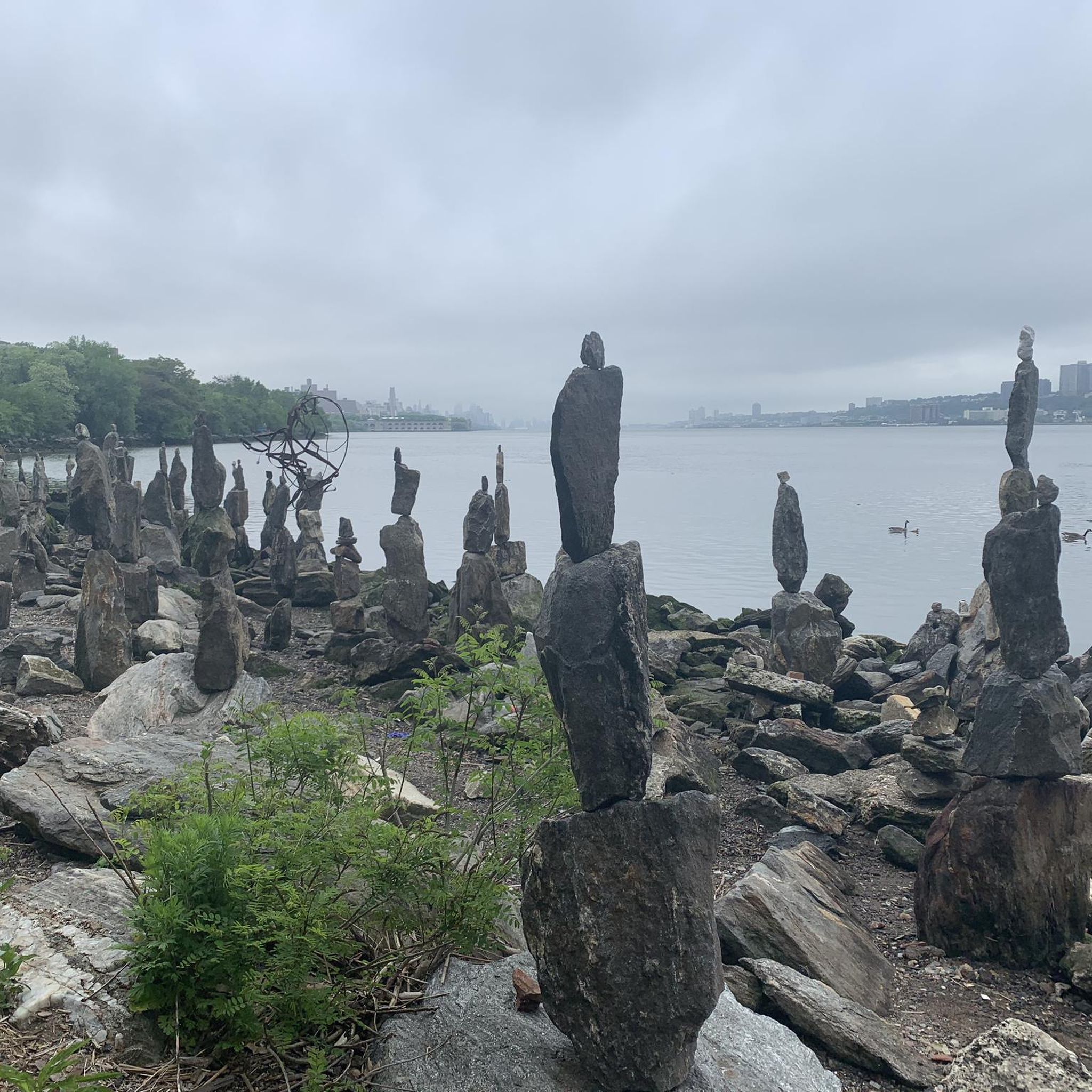
The North Woods in Central Park is a peaceful, wilderness-like experience in the heart of the Big Apple. Runners can explore wooded trails, waterfalls, and streams modeled after the Adirondack Mountains. Visitors can hike along the Ravine and Loch, enjoy birdwatching, and explore the historic Blockhouse. With miles of paved trails popular for different sport types, North Woods can get busy, especially in September when mild weather makes it ideal for outdoor activities. Occasional rain may create muddy spots, but the area's natural beauty remains unmatched.
2
0

Great view of the city's skyscrapers over the Jacqueline Kennedy Onassis Reservoir. It covers 43 hectares and holds 3.8 million litres of water. The average depth is 8.8 m.
0
0

You have to put your bike away to walk to this place
0
0

I remember Columbus Circle because it was usually the starting point for our hikes.
2
0

Columbus Circle is a small square, or rather a multi-lane roundabout, right on the south-western corner of Central Park. Various streets meet here: 59th Street, 8th Avenue, Broadway and Central Park West. Why is it named after the discoverer of America? On the 400th anniversary of the discovery, a 20-meter-high monument was erected to commemorate Christopher Columbus. What I find really interesting is that the monument in the middle of Columbus Circle in New York is the official measuring point from which all distances to and from New York City are calculated!
2
0
Frequently Asked Questions
What natural features can I explore near Moonachie?
While Moonachie itself is a small borough, it's part of the Hackensack Meadowlands District, which is rich in natural areas. You can explore wetlands, waterways, and diverse ecosystems. Key natural features include the Hackensack River, Moonachie Creek, and various restored marshlands. These areas offer opportunities for birdwatching and experiencing unique estuarine environments.
Are there family-friendly natural areas around Moonachie?
Yes, several natural areas near Moonachie are suitable for families. The High Line, Central Park, Jacqueline Kennedy Onassis Reservoir East Side, and North Woods all offer family-friendly environments with paths, open spaces, and scenic views. Richard W. DeKorte Park in Lyndhurst also features easy walking paths and a Marsh Discovery Trail perfect for all ages.
What outdoor activities can I do near Moonachie's natural monuments?
The area around Moonachie offers various outdoor activities. You can enjoy cycling on routes like the Saddle River Pathway or the Hudson River Greenway, with options ranging from easy to moderate. For hiking, consider easy trails such as the Overpeck Park River Loop or the Mill Creek Marsh Trail. You can find more details on these activities in the Cycling around Moonachie and Easy hikes around Moonachie guides.
Where can I go birdwatching near Moonachie?
Richard W. DeKorte Park in Lyndhurst is a renowned spot for birdwatching. It features extensive wetlands and waterways, attracting a wide variety of bird species. The Marsh Discovery Trail within the park offers excellent vantage points for observing shorebirds and other wildlife.
Are there any unique geological features to see?
Yes, Laurel Hill Park in Secaucus features striking 200-foot-high cliffs. These cliffs are believed to be an offshoot of the Palisades Sill, a significant geological formation, though they have been altered by quarrying. This offers a glimpse into the region's geological history.
What is the best time to visit the natural areas around Moonachie?
The natural areas around Moonachie, particularly the wetlands and parks, are enjoyable throughout much of the year. Spring and fall offer pleasant temperatures for walking and birdwatching, with migratory birds often present. Summer is also popular, though it can be warmer. Winter can provide unique scenic views, especially if there's snow, but some paths might be less accessible.
Can I find trails with views of the New York City skyline?
Absolutely. Both Richard W. DeKorte Park in Lyndhurst and Mill Creek Marsh in Secaucus offer panoramic views of wetlands and waterways, with the iconic New York City skyline serving as a stunning backdrop. These locations provide a unique blend of natural beauty and urban vistas.
Are there any natural areas that were once landfills or industrial sites?
Yes, several natural areas in the Hackensack Meadowlands District have undergone significant transformation. Richard W. DeKorte Park, for instance, was once a landfill but has been successfully converted into a thriving natural habitat and environmental center. Mill Creek Marsh also underwent extensive restoration to replace invasive species and reestablish tidal flows.
What is the significance of Moonachie Creek?
Moonachie Creek is a vital natural feature within the local environment. It drains a large portion of the Empire Tract in Carlstadt and flows into the Hackensack River, making it an integral part of the Meadowlands ecosystem. Historically, its tidal influence was managed by dikes and tide gates, highlighting the ongoing efforts to preserve its wetlands. You can learn more about it at njmeadowlands.gov.
Are there any ancient natural features in the local marshes?
Mill Creek Marsh in Secaucus is notable for the presence of dozens of ancient white cedar stumps that dot its waterways. These stumps offer a unique glimpse into the historical ecology of the area before extensive development and provide a distinctive natural landmark within the marsh.
Where can I find a large, protected wetland ecosystem further afield?
Further from Moonachie, but designated as a National Natural Landmark, is The Great Swamp National Wildlife Refuge. This extensive refuge, encompassing 7,600 acres, is a remnant of Glacial Lake Passaic and offers significant opportunities for wildlife observation and experiencing a large, protected wetland ecosystem. It was the first formally designated wilderness refuge in the U.S. in 1968.
What kind of trails can I expect at Richard W. DeKorte Park?
Richard W. DeKorte Park offers 3.5 miles of walking paths, including the popular Marsh Discovery Trail. This half-mile boardwalk loop extends over a tidal impoundment, providing easy access and excellent views of the wetlands and wildlife. The trails are generally flat and suitable for leisurely strolls.
Are there any natural areas with both meadow and forest near Moonachie?
Losen Slote Creek Park in Little Ferry is a great option. This 28-acre natural area comprises six acres of meadow and a 22-acre lowland forest, representing one of the few remaining woodlands in the Hackensack Meadowlands District. The park is named after the Hackensack River tributary that runs through it.
Most popular attractions around Moonachie

Get inspired with the komoot mobile app


Explore more
Extend your search for the best caves by checking out these guides of the top ones around Moonachie:
