Top 3 Natural Monuments around Dover
Best natural monuments around Dover offer a diverse range of natural features. The region is characterized by its coastal environment and varied landscapes. Visitors can explore areas with significant geological formations and rich biodiversity. The natural setting provides opportunities for outdoor activities and observing local flora and fauna.
Best natural monuments around Dover
- The most popular natural monuments is Rock Formation in Medfield Charles River State Reservation, a natural_monument that encompasses fields, woodlands, and a river. This recreation area is a place for a stroll and offers a unique experience with an abandoned psychiatric hospital-turned park.
- Another must-see spot is South Natick Dam and Park, a man_made_monument and natural_monument. Visitors can expect a picturesque flood control structure on the Charles River and a small adjacent park, popular for its scenic views.
- Visitors also love H.H. Hunnewell Arboretum, a forest with diverse plant collections and serene landscapes. This botanical treasure provides an educational and peaceful nature experience.
- Dover is known for its forests, rivers, and viewpoints. The area offers a variety of natural monuments to see and explore, from rock formations to arboretums.
- The natural monuments around Dover are appreciated by the komoot community, with 6 upvotes and 3 photos shared.
Last updated: October 13, 2026
Rock Formation in Medfield Charles River State Reservation
Highlight • Natural Monument
Tip by

South Natick Dam and Park
Highlight • Monument
Tip by

Sign up now to discover places like this
Get recommendations on the best single tracks, peaks, & plenty of other exciting outdoor places.
H.H. Hunnewell Arboretum
Highlight • Forest
Tip by

Sen Ki Nature Reserve
Highlight • Forest
Tip by

Noanet Peak Lookout
Highlight • Viewpoint
Tip by

Sign up for free to discover even more natural monuments around Dover.
Already have an account?
Start today with a free account
Your next adventure awaits.

Tips from the Community

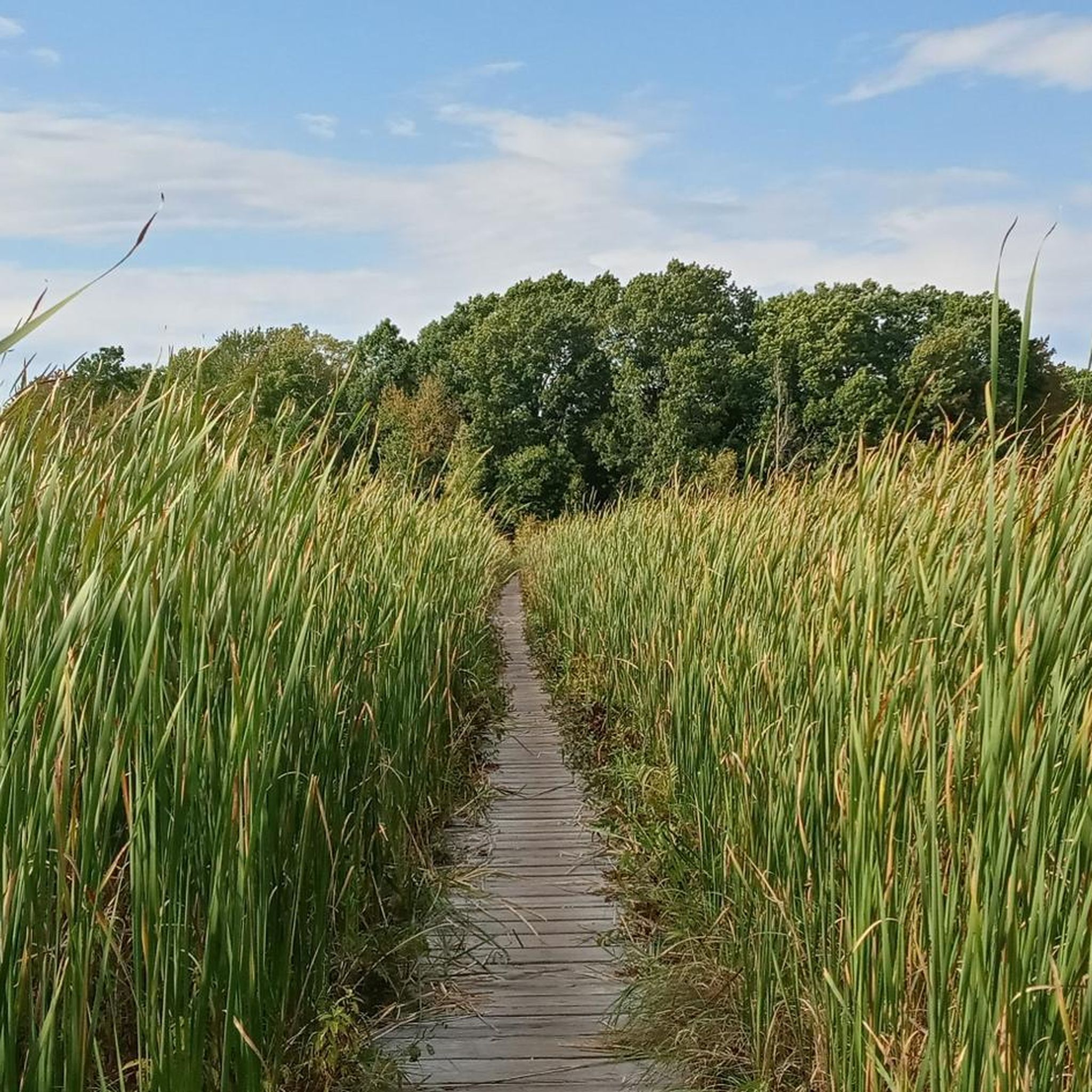
Sen Ki, which means “Land of Stone,” encompasses a vast expanse of almost 30 acres of forest, meadow, and wetlands, providing a natural habitat for wildlife and plants. This beautiful property features a network of 1.2 miles (1.93 km) of trails, offering scenic views from one of the highest elevations in Westwood. These trails serve as a conduit linking conservation and recreational land, providing access to fantastic trails that stretch from the Dover border through High Street and beyond to Buckmaster Pond, all while preventing habitat fragmentation.
0
0
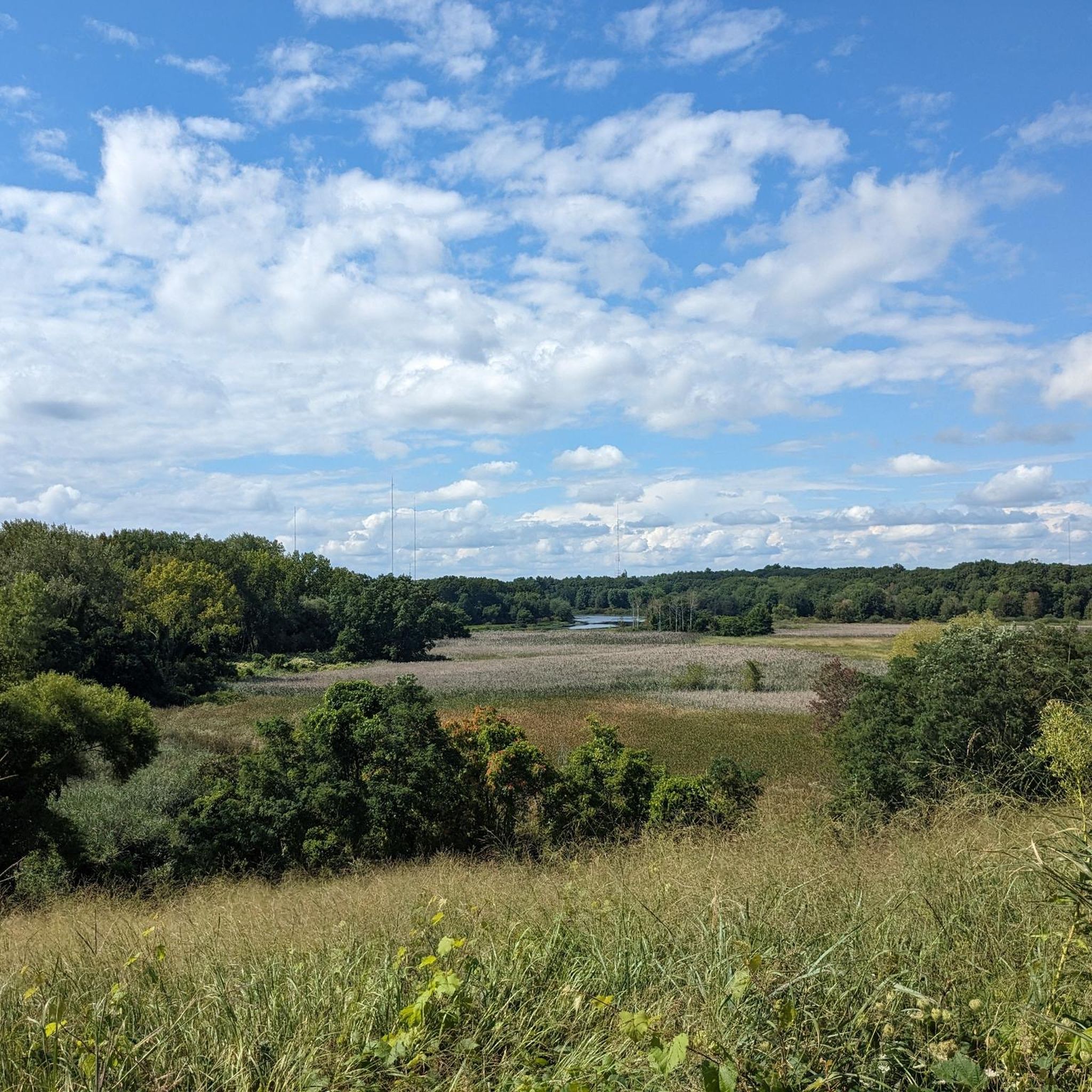
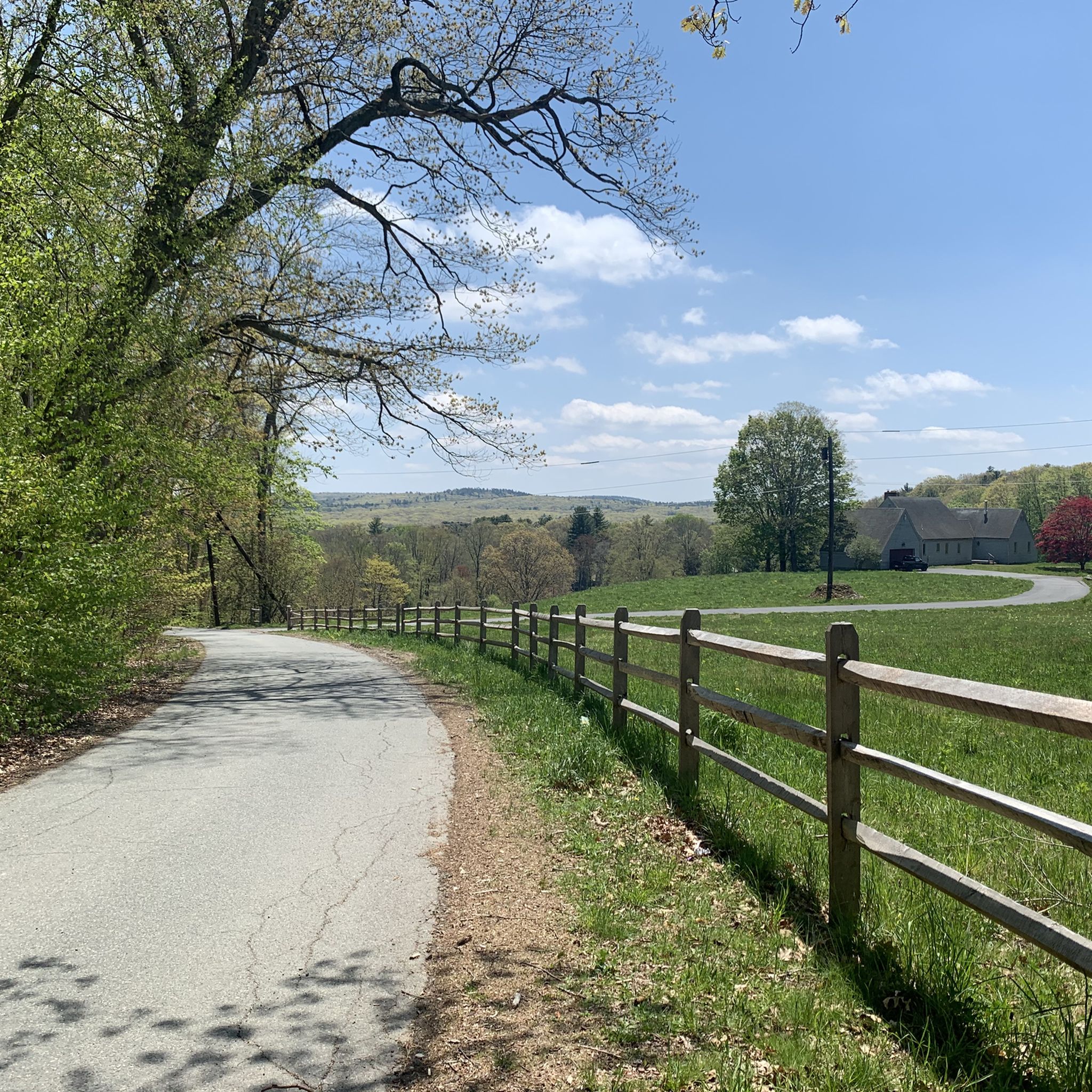
This park provides a stunning environment with meadows, forests, and a river, making it an excellent location for a picturesque jog. Additionally, an abandoned psychiatric hospital has been transformed into a park on the premises, which adds an intriguing element.
0
0

This recreation area encompasses fields, woodlands and river and is a wonderful place for a stroll. There is also an abandoned psychiatrist hospital-turned park here, so there's lots to experience.
1
0

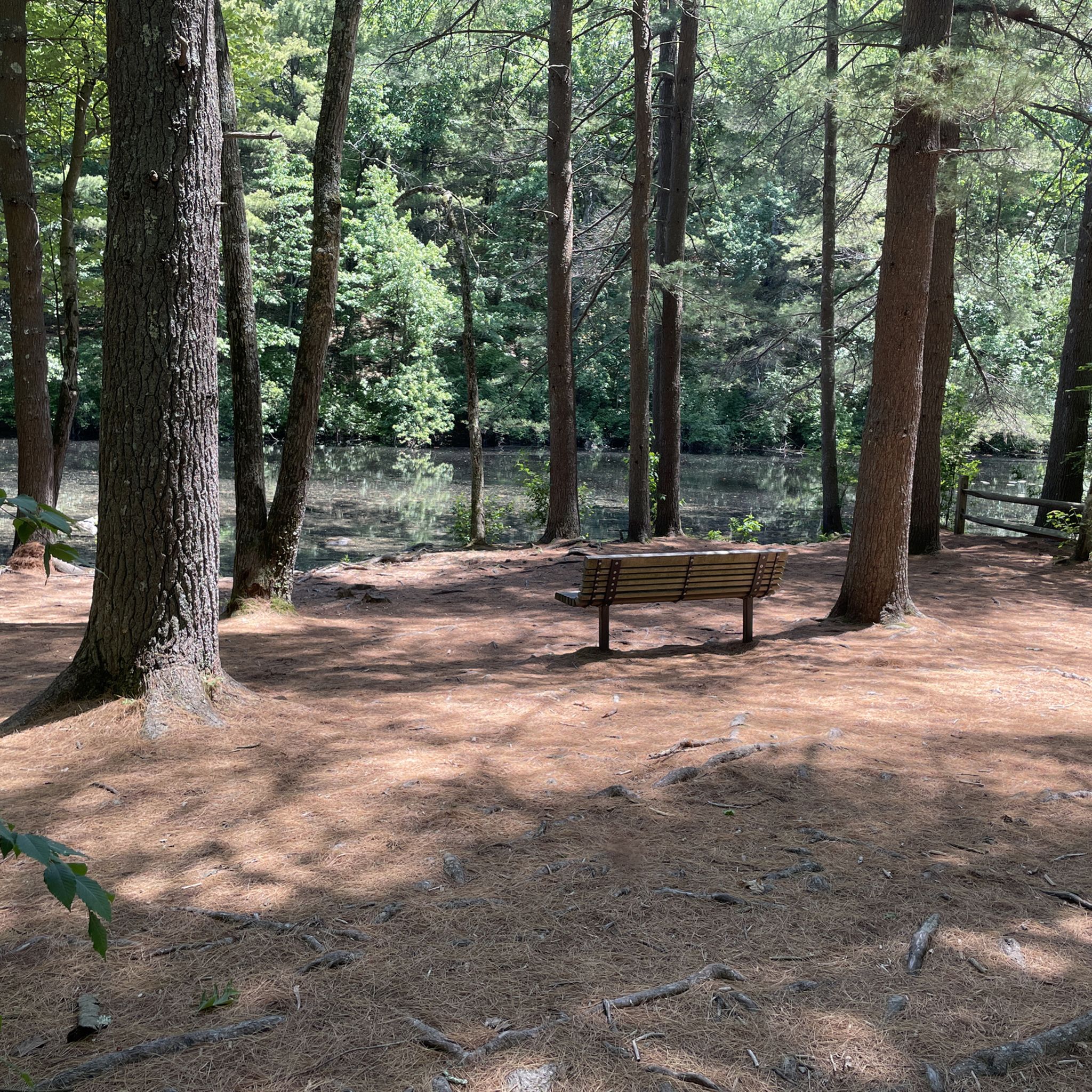
The South Natick Dam, or Charles River Dam, is a very small but picturesque flood control structure on the Charles River in Boston. There is also a small park adjacent to the dam, and it is a popular spot for visitors.
1
0

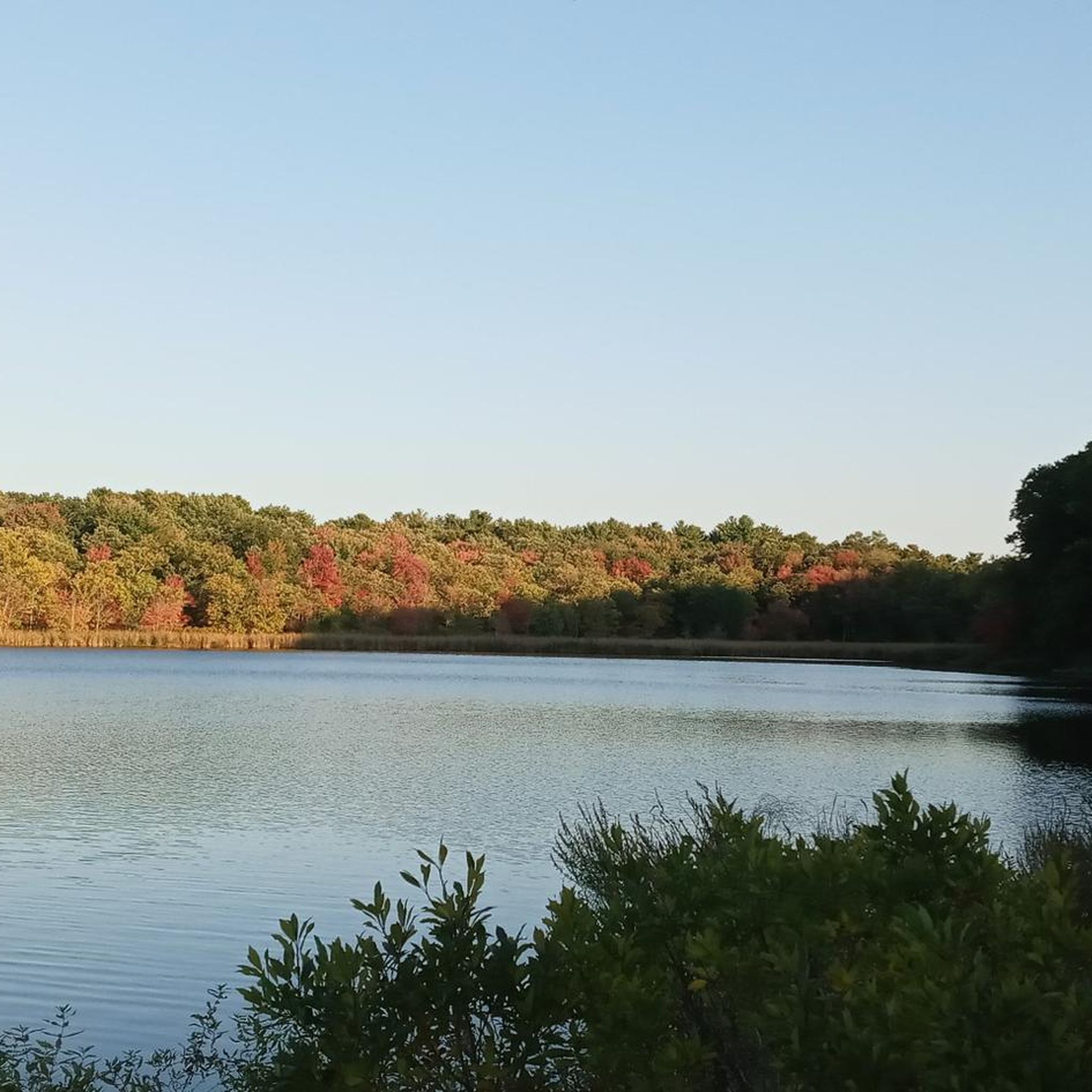
The Hunnewell Arboretum, part of the Arnold Arboretum in Boston, is a botanical treasure with diverse plant collections and serene landscapes, providing an educational and peaceful nature experience for visitors.
0
0

Noanet Peak offers views of the Boston skyline. Definitely a highlight in Noanet Woodlands you should not miss.
0
0

Enjoy a beautiful view over the treetops to the Boston skyline from Noanet Peak at this rock formation.
1
0
Frequently Asked Questions
What are the main natural monuments to visit in Dover?
Dover is home to two prominent natural monuments: the iconic White Cliffs of Dover and the unique Samphire Hoe. Both offer distinct natural beauty and ecological significance along the Kent coastline.
What makes the White Cliffs of Dover so significant?
The White Cliffs of Dover are a powerful symbol of Britain, known for their dramatic chalk cliffs stretching eight miles and reaching up to 350 feet. They hold significant historical importance, having witnessed major events, and offer breathtaking views across the English Channel. Geologically, they are formed from pure chalk, revealing millions of years of natural history.
What can I expect to see at Samphire Hoe?
Samphire Hoe is a 30-hectare nature reserve created from excavated chalk during the Channel Tunnel's construction. It's a biodiversity hotspot, supporting over 200 plant species, including rare wildflowers like the early spider orchid, and 220 bird species. You can enjoy gentle paths, birdwatching, and observe unique flora in a peaceful setting.
Are there walking trails at the White Cliffs of Dover?
Yes, visitors can enjoy well-maintained coastal paths offering dramatic scenery and expansive views. A popular route is the walk between Dover and South Foreland Lighthouse, providing uninterrupted sea views and opportunities for birdwatching.
Is Samphire Hoe suitable for families and those with limited mobility?
Absolutely. Samphire Hoe provides gentle, accessible paths, including a 2 km circular nature trail. This makes it suitable for all ages and abilities, whether you're walking, cycling, or simply enjoying the peaceful environment. It also has picnic areas.
What kind of wildlife can be found at Samphire Hoe?
Samphire Hoe is a haven for wildlife. It's a great spot for birdwatching, with 220 bird species recorded, including peregrine falcons and kestrels. The chalk grassland also supports a rich variety of insects and over 200 plant species, such as rock samphire and sea lavender.
How can I get to the White Cliffs of Dover and Samphire Hoe?
Both sites are accessible from Dover. For the White Cliffs, there are car parks available, and public transport options connect to Dover town centre. Samphire Hoe also has parking facilities. For more detailed travel information, you can check official visitor guides like Visit Kent for the White Cliffs or Visit South East England for Samphire Hoe.
When is the best time of year to visit Dover's natural monuments?
The natural monuments can be enjoyed year-round. Spring and summer offer vibrant wildflowers and warmer weather, ideal for walking and wildlife spotting. Autumn provides dramatic skies and fewer crowds, while winter can offer crisp, clear views, though paths may be muddy. Always check local weather conditions before your visit.
Are there options for food and drink near these natural sites?
While Samphire Hoe is primarily a nature reserve, Dover town centre, located nearby, offers a range of cafes, pubs, and restaurants. There are also facilities and cafes often available at key visitor points along the White Cliffs, such as near the National Trust visitor centre.
Can I bring my dog to the natural monuments in Dover?
Generally, dogs are welcome on leads at both the White Cliffs of Dover and Samphire Hoe, as long as owners clean up after them. Specific restrictions might apply in certain areas, especially during nesting seasons, so it's always best to check the latest guidance from the site operators before your visit.
What are the geological features of the White Cliffs of Dover?
The White Cliffs are composed of pure chalk, formed over millions of years from the calcium carbonate shells of microscopic sea creatures during the Late Cretaceous period. Dark streaks of flint, which are the remains of sea sponges, are also visible, adding to their unique texture and geological interest.
Are there any circular walks available at these natural monuments?
Yes, Samphire Hoe features a gentle 2 km circular nature trail, perfect for a leisurely stroll. Along the White Cliffs, various paths allow for circular routes, often incorporating sections of the coastal path and offering different perspectives of the cliffs and the sea.
Most popular attractions around Dover

Get inspired with the komoot mobile app


Explore more
Extend your search for the best caves by checking out these guides of the top ones around Dover:
