Top 19 Natural Monuments around Quincy
Natural monuments around Quincy, Massachusetts, offer a blend of natural and urban green spaces. The region features coastal areas, historical parks, and botanical gardens. These sites provide opportunities for outdoor activities and offer views of the Boston skyline. The landscape is characterized by its proximity to Boston Harbor and the Neponset River, alongside historical granite quarries.
Best natural monuments around Quincy
- The most popular natural monument is Boston Public Garden Footbridge, a bridge that is part of a serene…
Last updated: September 29, 2026
Arnold Arboretum
Highlight • Forest
Translated by Google •
Tip by

Winthrop Square
Highlight • Historical Site
Translated by Google •
Tip by

Sign up now to discover places like this
Get recommendations on the best single tracks, peaks, & plenty of other exciting outdoor places.
Charles River Floating Wetlands
Highlight • Structure
Translated by Google •
Tip by
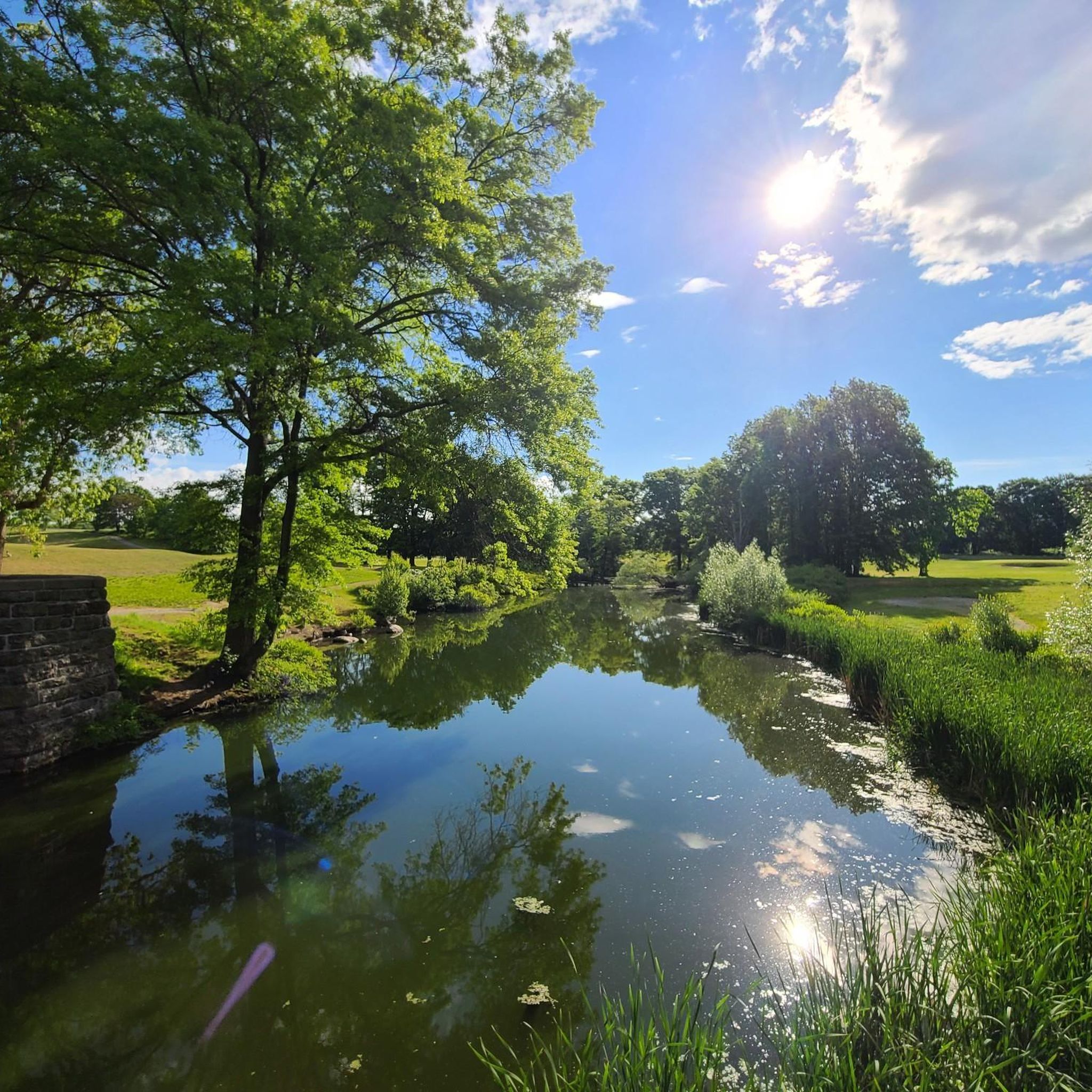
Saint Moritz Pond
Highlight • Forest
Tip by

Boston Common Sculptures
Highlight • Monument
Tip by

Sign up for free to discover even more natural monuments around Quincy.
Already have an account?
Start today with a free account
Your next adventure awaits.

Tips from the Community

very generous and well-maintained facility on the outskirts of Boston :) :)
0
0

Harvard University's Great Botanical Garden is located on and around three hills, with the highest, Peters Hill, offering a particularly beautiful view of the city skyline. And botany enthusiasts can, of course, spend days here, admiring the sheer number of exotic plants.
2
0

The floating wetlands aim to combat harmful algal blooms by providing a natural solution for managing nutrient pollution and increasing local biodiversity.
0
0

Nice place to be outside for sport, picnic etc
0
0

The Charles River Floating Wetland is an ecological solution to fight harmful algal blooms that threaten the Charles River's health. Floating wetlands absorb nutrients, add biodiversity, support local ecosystems, and offer co-benefits like additional green space.
0
0

The Arnold Arboretum of Harvard University is a 270-acre nature reserve in the heart of Boston. It manages one of the world's most comprehensive and best-documented collections of temperate woody plants, with a particular focus on the floras of eastern North America and East Asia. As part of the Emerald Necklace park system, it is open daily for free. The arboretum was founded in 1872, designed by Frederick Law Olmsted (1872) and co-designed by Charles Sprague Sargent, the first director. https://arboretum.harvard.edu/ https://arboretum.harvard.edu/explorer/
1
0
The water quality of the Charles River is threatened by harmful algae growth. The Charles River Floating Wetland project is investigating the extent to which floating wetlands can help reduce nutrient pollution. They are intended to absorb nutrients from the water, increase biodiversity and support local ecological changes. https://thecharles.org/floating-wetlands/
2
0
Winthrop Square / the Training Field is a city park in Charlestown with an 1872 monument honoring the men of Charlestown who fought in the American Civil War in 1861. This square is of national significance because of its connection to the Battle of Bunker Hill. On June 17, 1775, fighting between American patriots and British soldiers took place on or near what is now Winthrop Square. Since its creation in the 1640s, the park has served the citizens of Charlestown as farmland and pasture; it has been a military training ground, a schoolyard, a site for political rallies, a children's playground, and a peaceful retreat in a dense urban environment. Over time, Winthrop Square has undergone extensive changes, from an open field to an urban city park. Its current appearance is characterized by redesigns in 1872 and 1919. https://cps-ris.org/wp-content/uploads/2020/03/Winthrop-Square.pdf
2
0
Frequently Asked Questions
What are some unique natural monuments to explore in Quincy, Massachusetts?
Quincy, MA offers a blend of natural and historical sites. A standout is the Boston Public Garden Footbridge, part of a serene urban oasis known for its iconic Swan Boats and botanical displays. Another unique spot is Arnold Arboretum, a Harvard University botanical garden spanning 281 acres with diverse plant collections and city skyline views.
Are there family-friendly natural monuments in Quincy, MA?
Yes, several natural monuments in Quincy, MA are great for families. Both the Boston Public Garden Footbridge and Arnold Arboretum are listed as family-friendly, offering pleasant walks and engaging environments. Winthrop Square, a historical park, also provides landscaped green spaces suitable for families.
What kind of historical natural monuments can I visit in Quincy, MA?
Quincy has several sites with rich history. Winthrop Square is a historical site dating back to the colonial era, serving as a vital meeting point and offering views of Bunker Hill. The Quincy Quarries Reservation, a former granite quarry, supplied stone for structures like the Bunker Hill Monument and features striking rock formations with historical significance.
Where can I find coastal natural monuments or beaches in Quincy, MA?
For coastal experiences, Squantum Point Park is a peninsula where the Neponset River meets Boston Harbor, offering scenic views of the harbor and Boston skyline. Wollaston Beach provides a two-mile-long sandy shoreline, perfect for walks, sunbathing, and birdwatching, also with picturesque views of the Boston skyline.
Are there opportunities for rock climbing or hiking at natural monuments in Quincy, MA?
Yes, Quincy Quarries Reservation is a popular destination for rock climbing and hiking. It features impressive granite rock formations and a network of trails, including the Quarry Trail. For more extensive hiking, you can explore routes near Quincy, such as the challenging Skyline Trail or easier options like the Tucker Hill Green Dot Trail Loop, detailed in the Hiking around Quincy guide.
What outdoor activities can I do near the natural monuments in Quincy?
Beyond exploring the monuments themselves, the area around Quincy offers diverse outdoor activities. You can find numerous hiking trails, from easy to difficult, as detailed in the Hiking around Quincy and Easy hikes around Quincy guides. Road cycling is also popular, with routes like the Quincy to Dell Avenue Rock loop, which you can find in the Road Cycling Routes around Quincy guide.
Are there any natural monuments in Quincy, MA suitable for birdwatching?
Yes, Wollaston Beach is considered a birdwatching haven due to its two-mile-long sandy shoreline. Squantum Point Park, located on a coastal peninsula, also offers opportunities for birdwatching amidst its scenic harbor views.
Can I find natural monuments with water features in Quincy, MA?
Absolutely. The Charles River Floating Wetlands is an ecological project focusing on the Charles River's health and biodiversity. Additionally, Saint Moritz Pond, a beautiful man-made pond, offers a tranquil setting within a partially rocky forest, once popular for ice skating.
What kind of views can I expect from Quincy's natural monuments?
Many natural monuments in Quincy offer stunning views. Quincy Quarries Reservation provides panoramic views of the Boston skyline. Squantum Point Park and Wollaston Beach also boast picturesque views of Boston Harbor and the city skyline. From Arnold Arboretum, you can enjoy a particularly beautiful view of the city skyline from Peters Hill.
Are there any natural monuments in Quincy, MA that are wheelchair accessible?
Yes, the Boston Public Garden Footbridge and Arnold Arboretum are both listed as wheelchair accessible, providing inclusive options for visitors to enjoy the natural beauty and serene environments.
What do visitors enjoy most about the natural monuments around Quincy?
Visitors appreciate the blend of natural beauty and historical significance. Many enjoy the serene atmosphere of places like Boston Public Garden with its Swan Boats and botanical displays. The diverse plant collections and city views at Arnold Arboretum are also highly valued. The community has shared over 110 photos and given more than 120 upvotes for these natural monuments, highlighting their appeal.
Are there any natural monuments that are part of a larger park system?
Yes, Nut Island Park is one of the islands and peninsulas around Boston Harbor that are part of the Boston Harbor Islands National Recreation Area. This offers scenic views and opportunities for walking within a broader coastal environment.
Most popular attractions around Quincy

Get inspired with the komoot mobile app


Explore more
Extend your search for the best caves by checking out these guides of the top ones around Quincy:
