Top 4 Natural Monuments around Jupiter
Best natural monuments around Jupiter are found along its coastlines and within its preserved natural areas. This region features unique geological formations, extensive beaches, and diverse ecosystems. Visitors can explore areas characterized by limestone outcroppings, significant sand dunes, and protected coastal habitats. The natural landscape offers opportunities to observe local flora and fauna in their native environments.
Best natural monuments around Jupiter
- The most popular natural monument is Blowing Rocks Park, a natural monument that protects the largest Anastasia…
Last updated: August 19, 2026
Blowing Rocks Park
Highlight • Natural Monument
Tip by

John D. MacArthur Beach State Park
Highlight (Segment) • Beach
Tip by

Sign up now to discover places like this
Get recommendations on the best single tracks, peaks, & plenty of other exciting outdoor places.
Sign up for free
Hobe Mountain Observation Tower
Highlight • Viewpoint
Tip by
Juno Dunes Natural Area Boardwalk and Gazebo
Highlight • Viewpoint
Tip by
Juno Dunes Natural Area
Highlight • Natural
Tip by

Start today with a free account
Your next adventure awaits.
Login or Signup


Tips from the Community

Unfortunately, this natural wonder isn't always visible… it requires specific weather and water conditions. It's still quite a walk from the parking lot… making it difficult for strollers or wheelchairs.
0
0

This 569-acre park boasts several miles of trails, including a floating dock and boardwalk. A notable feature is a scenic viewpoint atop a sand dune, offering a great panoramic view of the surrounding area.
0
0

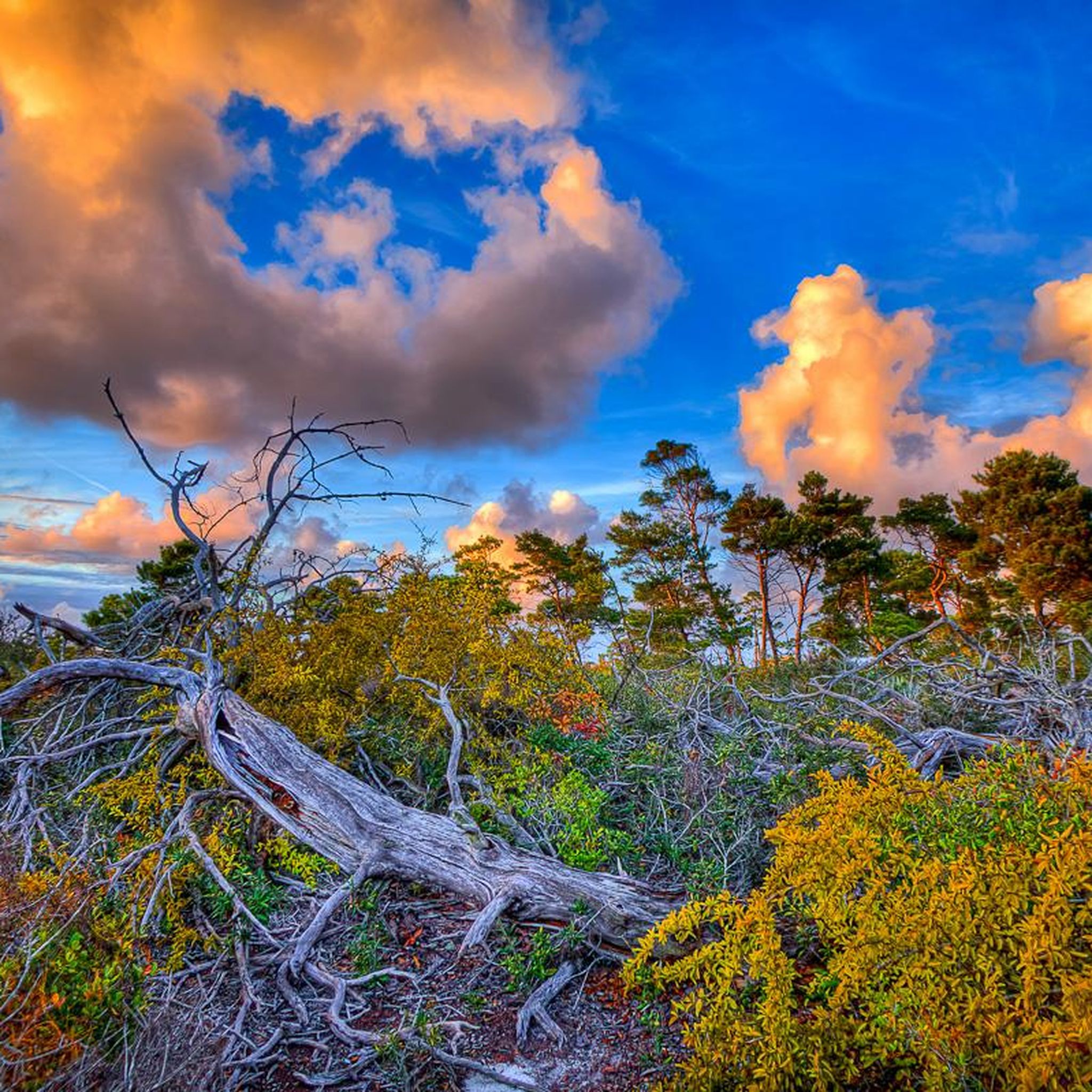
Endangered native tropical plant and animal species find a home and protection between the coast and the mangrove forest in John D. MacArthur Beach State Park. At the same time, the park offers the ideal place to relax on the beach.
1
0
This 569-acre park boasts several miles of trails, including a floating dock and boardwalk. A notable feature is a scenic viewpoint atop a sand dune, offering a great panoramic view of the surrounding area.
0
0

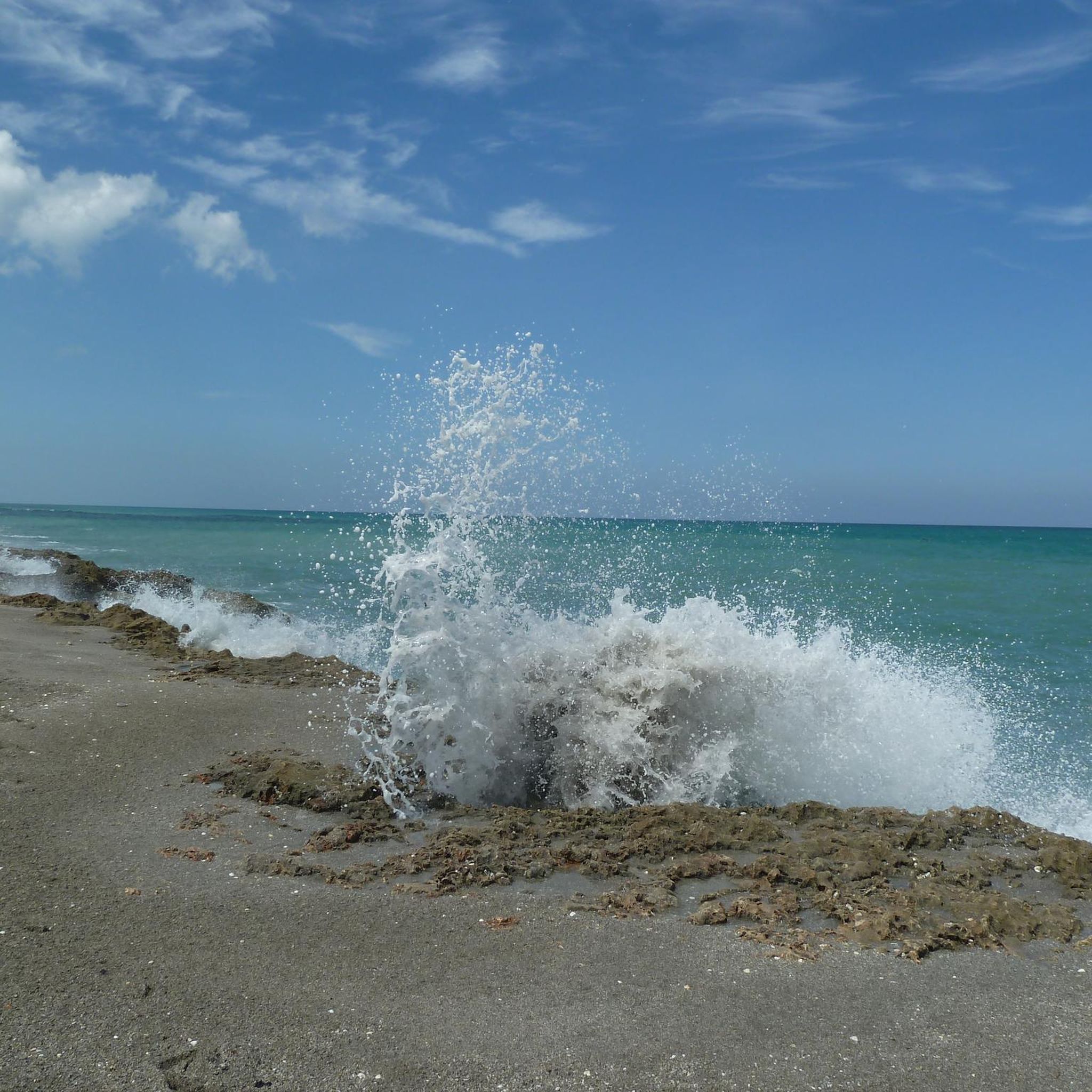
This is a preserved area at Jupiter Island to protect the largest Anastasia limestone outcropping on the Florida east coast. The waves breaking in the rock outcrop spray plumes of water through the holes, a very special phenomenon. The area is administered by The Nature Conservancy, which preserves the coastal ecosystem, including maritime hammocks, mangrove wetlands, and beach dunes. Here you can also find an educational center, native plant nursery, ocean side path and a butterfly garden.
2
0
A sand dune of 86 ft, the highest “mountain” south of Lake Okeechobee. At the top of the dune there is a mountain observatory tower, offering views of the Atlantic Ocean, the Intracoastal Waterway and the park area.
1
0
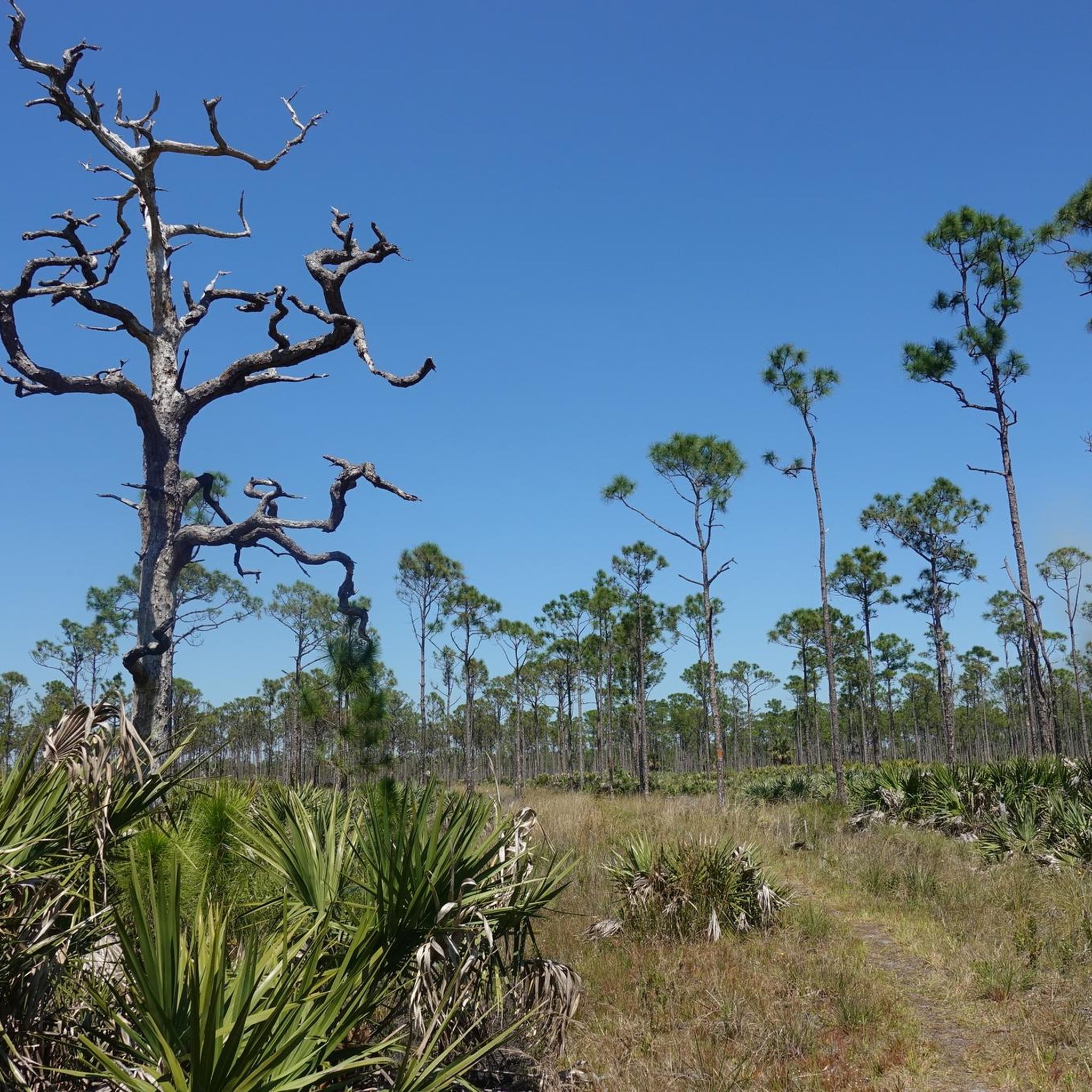
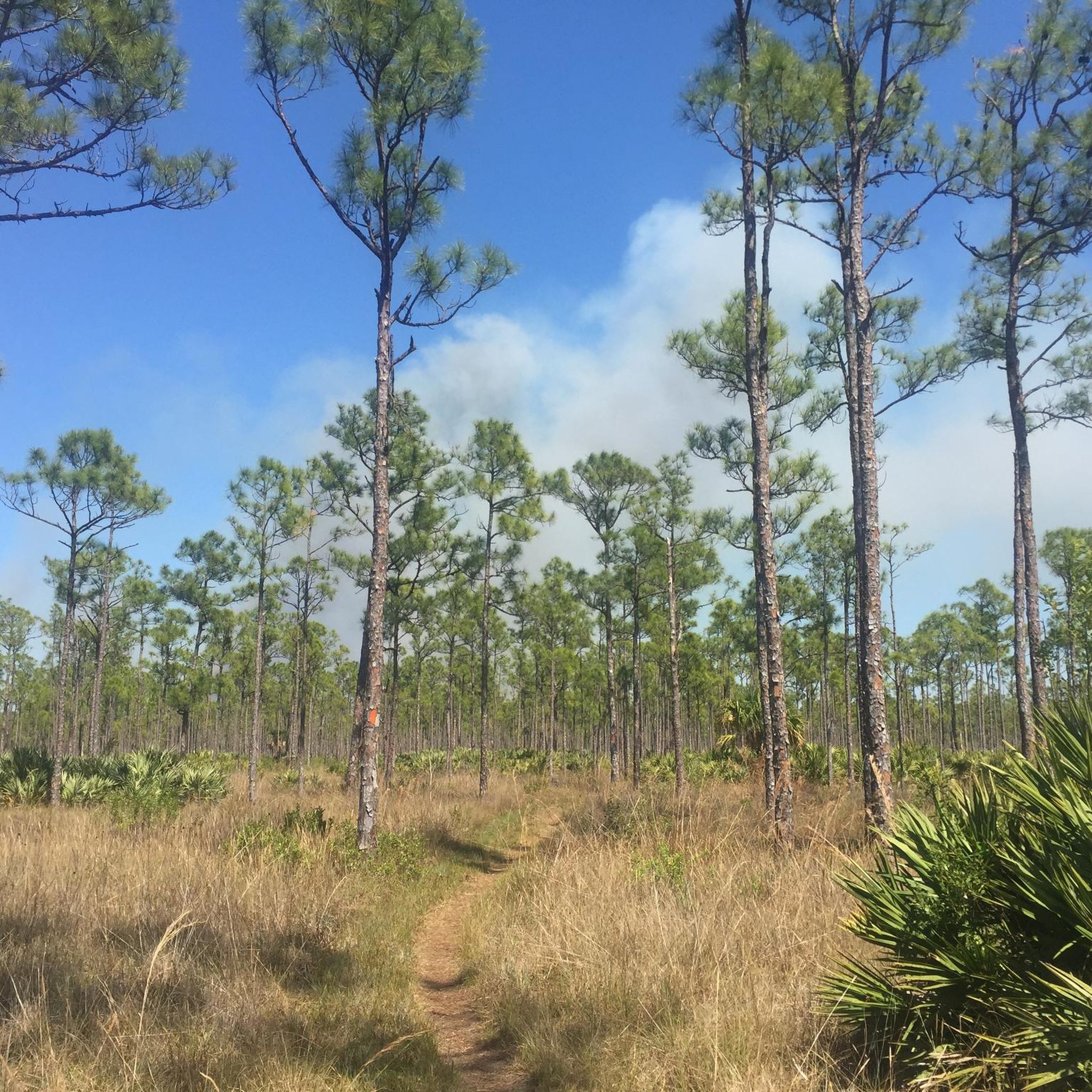
Juno Dunes is a preserved natural area of 576 acres that sits between the Atlantic Coast and Frenchmans Creek. There are boardwalks around the park, where you can ride between the diverse flora of the preserved area.
0
0

Frequently Asked Questions
Which natural monuments around Jupiter are suitable for families?
Several natural monuments in the Jupiter area are great for families. John D. MacArthur Beach State Park offers beaches and opportunities to explore diverse ecosystems. Hobe Mountain Observation Tower provides an easy walk to a scenic viewpoint. The Juno Dunes Natural Area Boardwalk and Gazebo features boardwalks through diverse flora, which is also suitable for a family outing.
What unique natural features can I expect to see at these monuments?
You can observe a variety of unique natural features. Blowing Rocks Park is home to the largest Anastasia limestone outcropping on Florida's east coast, where waves create dramatic water plumes. You'll also find significant sand dunes, such as the one at Hobe Mountain Observation Tower, which is the highest 'mountain' south of Lake Okeechobee. Protected coastal habitats, mangrove forests, and diverse native flora are also prominent features in areas like John D. MacArthur Beach State Park.
Are there hiking opportunities near the natural monuments in Jupiter?
Yes, there are several hiking opportunities. For example, you can explore trails within the Juno Dunes Natural Area, which boasts several miles of trails and boardwalks. For more extensive hiking, you can find routes like the 'Ocean to Lake Trail' or 'Riverbend Park Trail loop' in the vicinity. You can find more details on these and other trails in the Hiking around Jupiter guide.
What kind of wildlife can I spot at Jupiter's natural monuments?
The natural monuments in Jupiter are vital habitats for local flora and fauna. At John D. MacArthur Beach State Park, endangered native tropical plant and animal species find protection between the coast and the mangrove forest. Areas like Blowing Rocks Park also preserve coastal ecosystems, including maritime hammocks and mangrove wetlands, which support diverse wildlife. Keep an eye out for birds, marine life, and various native species.
Is there parking available at these natural monuments?
Yes, parking is generally available at the natural monuments. For instance, Blowing Rocks Park has a parking lot, though it can be a bit of a walk to the main features. Similarly, state parks and natural areas typically provide designated parking facilities for visitors.
What is the best time to visit the natural monuments in Jupiter?
The best time to visit is typically during the cooler, drier months from late fall to spring (November to April), when temperatures are more comfortable for outdoor exploration. If you plan to visit Blowing Rocks Park to see the water plumes, remember that this phenomenon requires specific weather and water conditions, usually during high tide with strong easterly winds.
Are there any accessible natural monuments for visitors with mobility challenges?
While some areas may present challenges, the Juno Dunes Natural Area Boardwalk and Gazebo features boardwalks that can make it more accessible for exploring the diverse flora. However, it's worth noting that some locations, like Blowing Rocks Park, may have longer walks from parking or uneven terrain, which could be difficult for strollers or wheelchairs.
Can I go cycling near Jupiter's natural monuments?
Absolutely. The Jupiter area offers several cycling routes. For example, you can find routes like the 'Cypress Creek Natural Area loop' or the 'Juno Beach – Loggerhead Park loop'. These routes allow you to explore the natural beauty of the region by bike. More cycling options are available in the Cycling around Jupiter guide.
What should I wear when visiting natural monuments in Jupiter, especially in summer?
In summer, Jupiter can be hot and humid. It's advisable to wear lightweight, breathable clothing, a hat, and sunscreen. Comfortable walking shoes are essential for exploring trails and beaches. Don't forget insect repellent, especially if you plan to visit areas with dense vegetation or near water, like mangrove forests.
Are there any educational facilities or visitor centers at these natural monuments?
Yes, Blowing Rocks Park, administered by The Nature Conservancy, includes an educational center, a native plant nursery, and a butterfly garden, offering insights into the coastal ecosystem. John D. MacArthur Beach State Park also provides opportunities to learn about its protected species and diverse habitats.
What do visitors enjoy most about the natural monuments around Jupiter?
Visitors particularly appreciate the unique geological formations, such as the dramatic water plumes at Blowing Rocks Park. The panoramic views from the Hobe Mountain Observation Tower, overlooking the Atlantic Ocean and Intracoastal Waterway, are also highly rated. Many enjoy the opportunity to relax on the beaches and explore the diverse ecosystems found in parks like John D. MacArthur Beach State Park.
Most popular routes around Jupiter
Most popular attractions around Jupiter

Get inspired with the komoot mobile app


