Top 11 Natural Monuments around Castle Hill
Best natural monuments around Castle Hill include a variety of geological formations and unique natural areas. The region features towering sandstone formations, ancient redwood groves, and expansive ridge lines. These sites offer opportunities to observe distinctive geological processes and diverse ecosystems. The landscape provides a setting for exploring natural features and local wildlife.
Best natural monuments around Castle Hill
- The most popular natural monuments is Redwood Grove, a forest that features surprisingly tall second-growth redwood trees. These giants thrive…
Last updated: April 26, 2026
Redwood Grove
Highlight • Forest
Tip by

Sandstone caves in Castle Rock formations
Highlight • Cave
Slightly acidic rainwater seeps into the sandstone during winter rains and dissolves some of the calcite. Warm and dry days cause …
Tip by
Sign up now to discover places like this
Get recommendations on the best single tracks, peaks, & plenty of other exciting outdoor places.
Sign up for free
Castle Rock Recreation Area
Highlight • Climb
Tip by

Sandstone Formations With Holes, Diablo Foothills Regional Park
Highlight • Natural Monument
Tip by

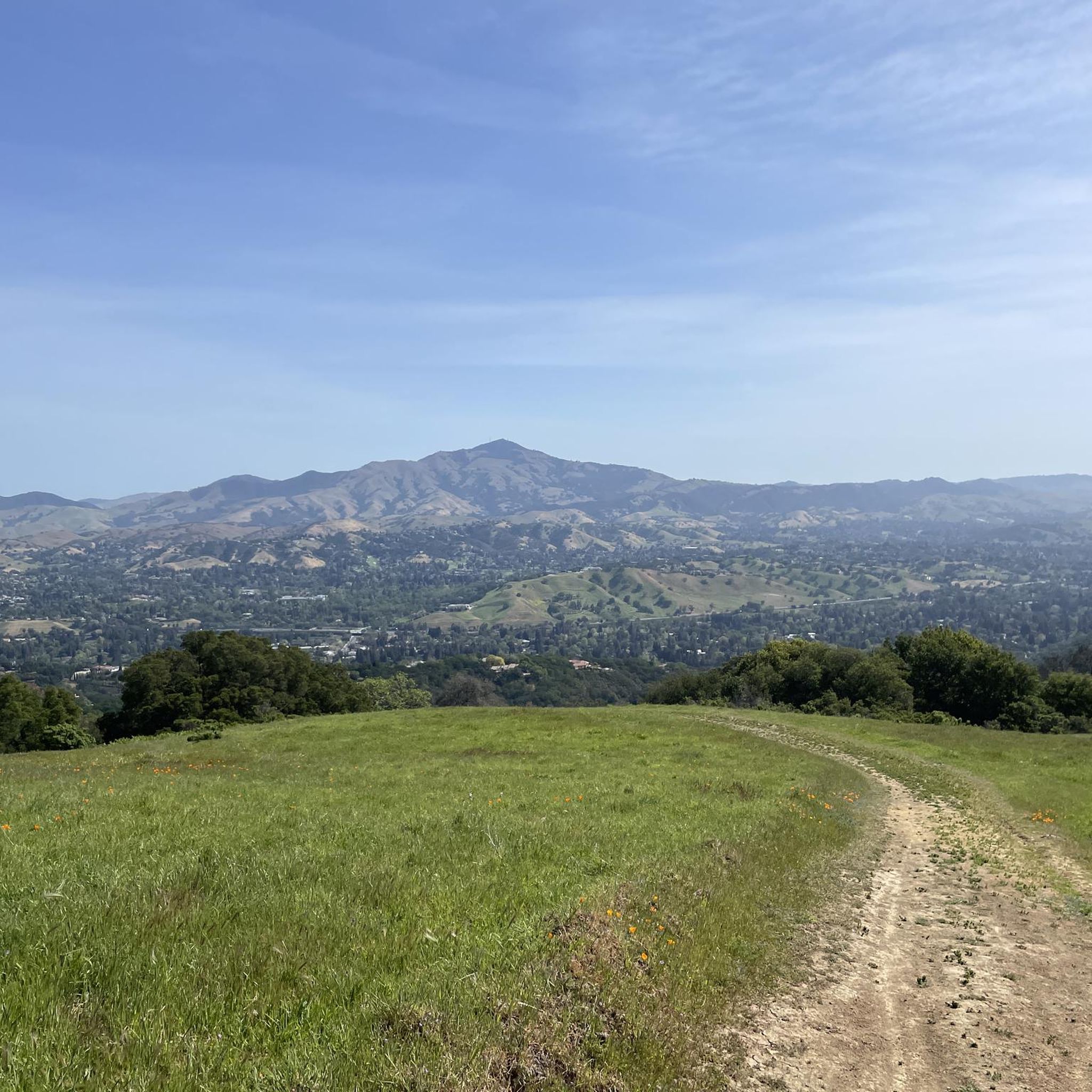
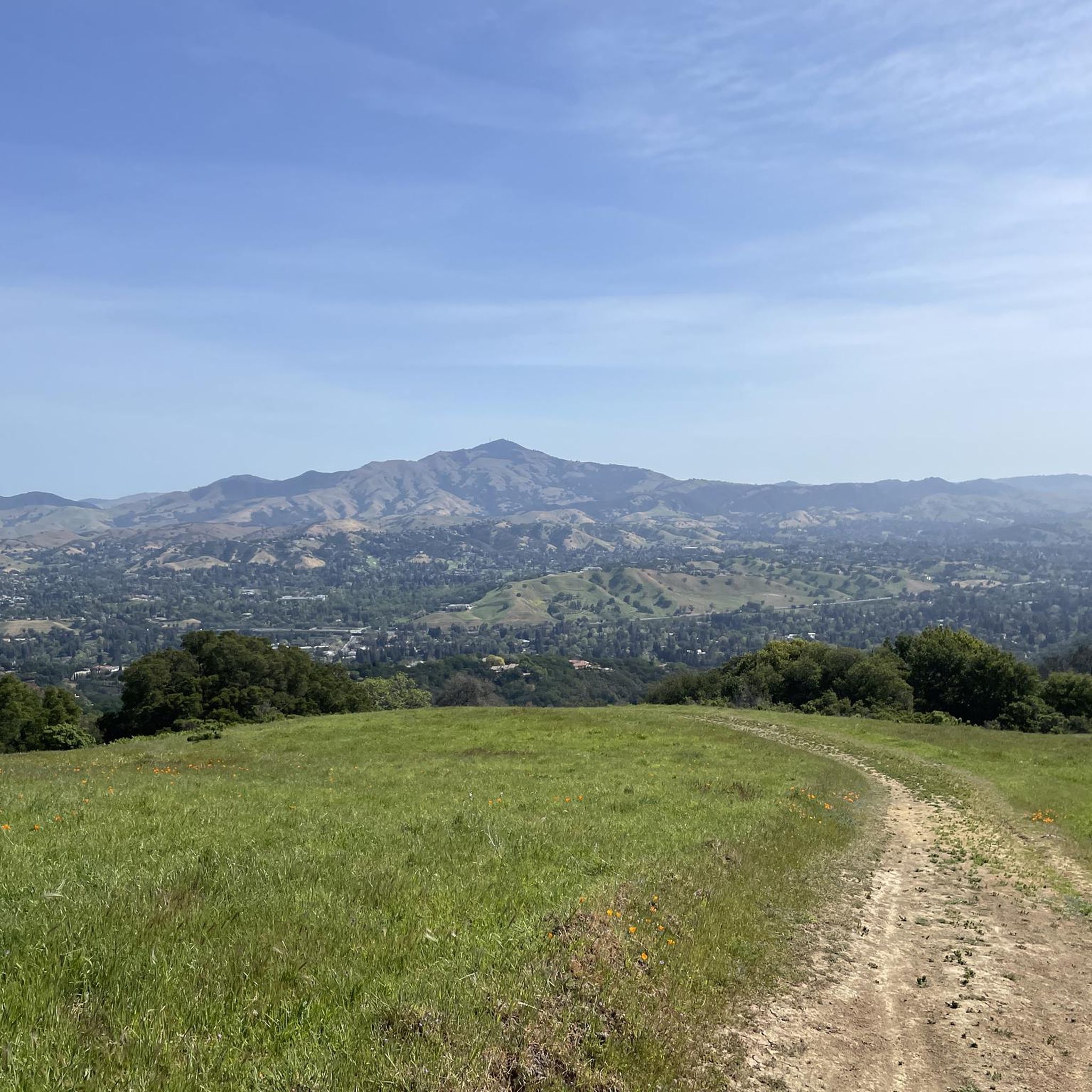
Las Trampas Ridge
Highlight • Viewpoint
Further on, Mount Diablo stands out.
Tip by

Sign up for free to discover even more natural monuments around Castle Hill.
Sign up for free
Already have an account?
Start today with a free account
Your next adventure awaits.
Login or Signup


Tips from the Community

The Castle Rock formations are a popular destination for local rock climbers in this scenic canyon along Pine Creek, with Mammoth Rock the largest. The prominent sandstone amid the oak woodlands is a beautiful contrast and a fantastic place to have lunch at one of the many picnic tables. The site is closed annually from February 1 to August 1 to protect nesting peregrine falcons that inhabit the area, so plan accordingly if you wish to explore more here.
0
0
The Castle Rock formations are a popular destination for local rock climbers in this scenic canyon along Pine Creek, with Mammoth Rock the largest. The prominent sandstone amid the oak woodlands is a beautiful contrast and a fantastic place to have lunch at one of the many picnic tables. The site is closed annually from February 1 to August 1 to protect nesting peregrine falcons that inhabit the area, so plan accordingly if you wish to explore more here.
0
0

From this ridge you embrace quite a few points of view. Starting with the valleys of Ignacio, San Ramon and Amador. Further on, Mount Diablo stands out.
0
0

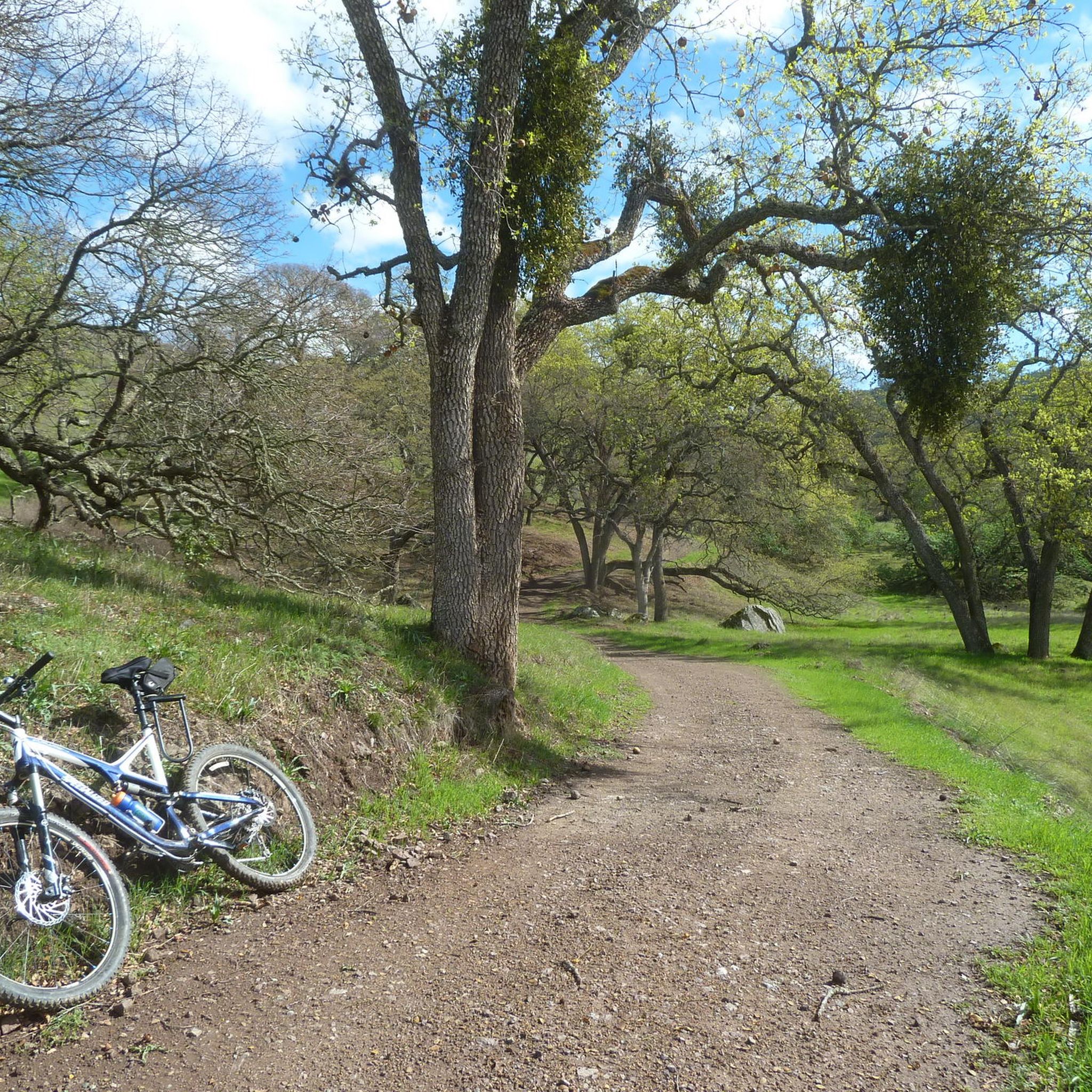
Surprisingly tall second growth redwood tree giants, that seem to still have ideal growth conditions in this canyon.
0
0
Water, wind, and calcite erosion in per-volcanic sandstone formation. Slightly acidic rainwater seeps into the sandstone during winter rains and dissolves some of the calcite. Warm and dry days cause the moisture to pull the dissolved calcium back out of the rock, causing holes and caves to form. Watch for peregrine falcons and other birds of prey nesting high up in the Castle Rock caves. The upper trails are closed Feb-July to avoid disturbing the nesting birds.
1
0

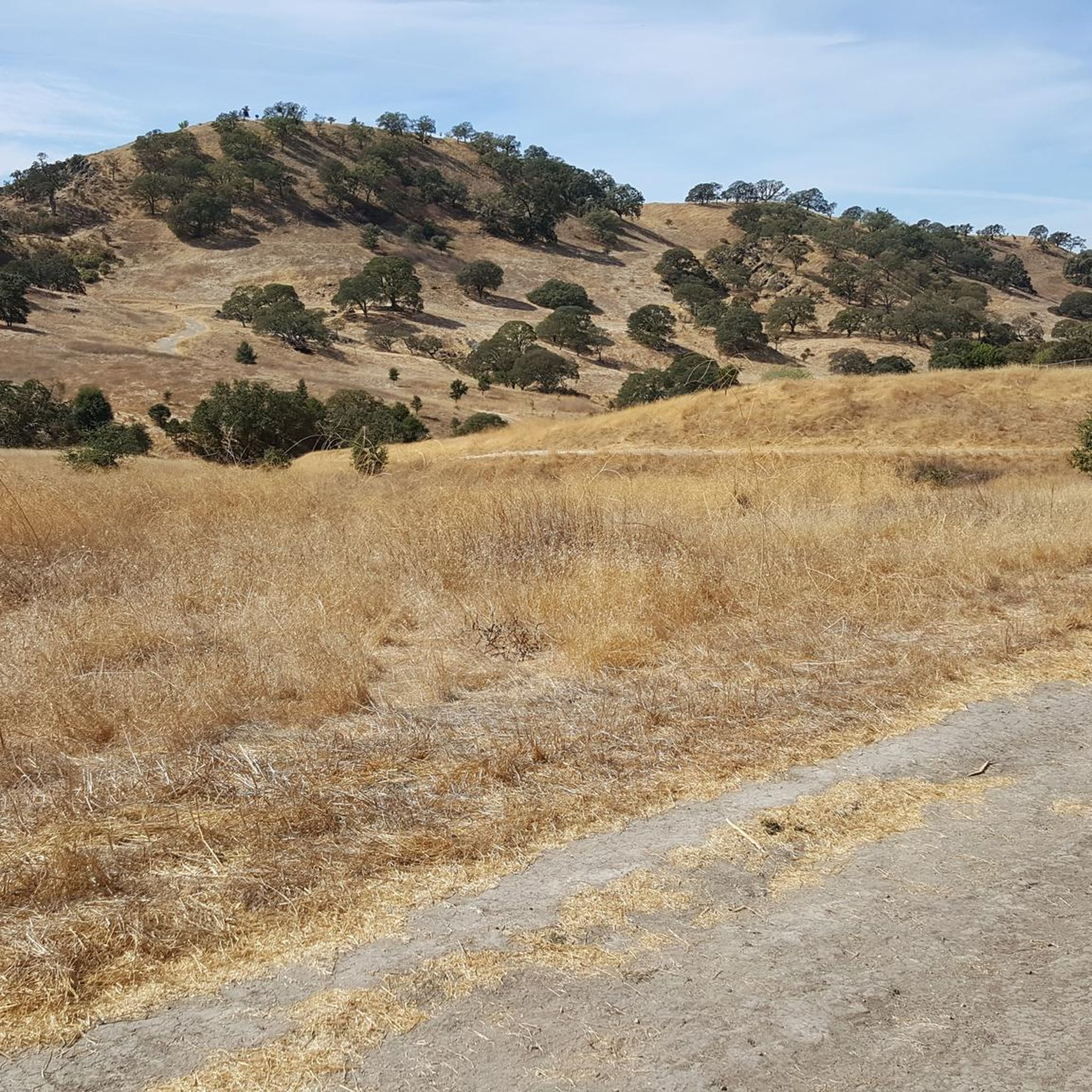
The rocks in that area are made of sandstone. During our winter rains, acidic rain water seeps into and sits in the rocks. The next summer, the dry heat pulls the moisture back out of the rock, leaving behind these holes. Located in Diablo Foothills Regional Park http://www.ebparks.org/parks/diablo_foothills Check out my Little Yosemite Trail tour for more pictures of the area. https://www.komoot.de/tour/4100005
0
0
Frequently Asked Questions
What are some of the most popular natural monuments to visit around Castle Hill?
The area around Castle Hill features several highly-regarded natural monuments. Among the most popular are Redwood Grove, known for its surprisingly tall second-growth redwood trees, and the distinctive Sandstone Formations With Holes, Diablo Foothills Regional Park. Visitors also frequently enjoy Las Trampas Ridge for its expansive views.
Are there family-friendly natural monuments in the Castle Hill area?
Yes, Redwood Grove is categorized as family-friendly, offering an accessible natural experience among towering trees. It's a great spot for families to explore and enjoy nature together.
What kind of unique geological formations can I expect to see?
You can expect to see a variety of geological wonders. The Sandstone Formations With Holes in Diablo Foothills Regional Park are particularly unique, with distinctive holes formed by acidic rainwater and subsequent drying processes. Additionally, the Sandstone caves in Castle Rock formations showcase water, wind, and calcite erosion in per-volcanic sandstone.
Can I go hiking near the natural monuments around Castle Hill?
Absolutely. The region offers numerous hiking opportunities. You can find trails ranging from easy to difficult, such as the Kovar and Ridge Top Trail Loop or the longer Iron Horse Regional Trail. For more details and route options, explore the Hiking around Castle Hill guide.
Are there opportunities for rock climbing at Castle Hill's natural monuments?
Yes, Castle Rock Recreation Area is a popular destination for local rock climbers. The prominent sandstone formations, including Mammoth Rock, offer various climbing challenges. However, be aware that the site is closed annually from February 1 to August 1 to protect nesting peregrine falcons.
What wildlife might I encounter at these natural sites?
The natural monuments are home to various wildlife. At the Sandstone caves in Castle Rock formations and Castle Rock Recreation Area, you should watch for peregrine falcons and other birds of prey nesting high up in the rock formations.
What are the best times to visit the natural monuments around Castle Hill?
While many sites are enjoyable year-round, some have specific considerations. For instance, the Sandstone caves in Castle Rock formations and Castle Rock Recreation Area are closed from February to July to protect nesting birds, so plan your visit outside these months if you wish to explore those specific areas fully.
Are there any natural monuments that offer extensive panoramic views?
Yes, Las Trampas Ridge is a prime location for panoramic views. From this ridge, you can see the valleys of Ignacio, San Ramon, and Amador, with Mount Diablo visible in the distance, offering a truly expansive vista.
Where can I find trails for mountain biking near Castle Hill's natural monuments?
There are several mountain biking trails in the vicinity. Options include the Briones to Mt. Diablo Trail Loop or the Foothills, Franco Ridge, Sugarloaf-Shell Ridge & Borges Ranch loop. For a comprehensive list of routes, check out the MTB Trails around Castle Hill guide.
What kind of cycling routes are available around Castle Hill?
Cyclists can enjoy various routes, such as the Lamorinda Trail Loop or different sections of the Iron Horse Trail. These routes cater to moderate to difficult skill levels. You can find more details and plan your ride with the Cycling around Castle Hill guide.
What do visitors appreciate most about the natural monuments here?
Visitors frequently highlight the unique geological features, such as the towering redwoods at Redwood Grove and the distinctive sandstone formations. The scenic views from spots like Las Trampas Ridge and the opportunities for outdoor activities like climbing at Castle Rock Recreation Area are also highly valued.
Can I explore caves at Castle Hill?
Yes, you can explore the Sandstone caves in Castle Rock formations. These caves are formed by natural erosion processes involving water, wind, and calcite. Remember to check for seasonal closures due to nesting birds before your visit.
Most popular attractions around Castle Hill

Get inspired with the komoot mobile app


Explore more
Extend your search for the best caves by checking out these guides of the top ones around Castle Hill:
