Top 7 Natural Monuments around Mount Shasta
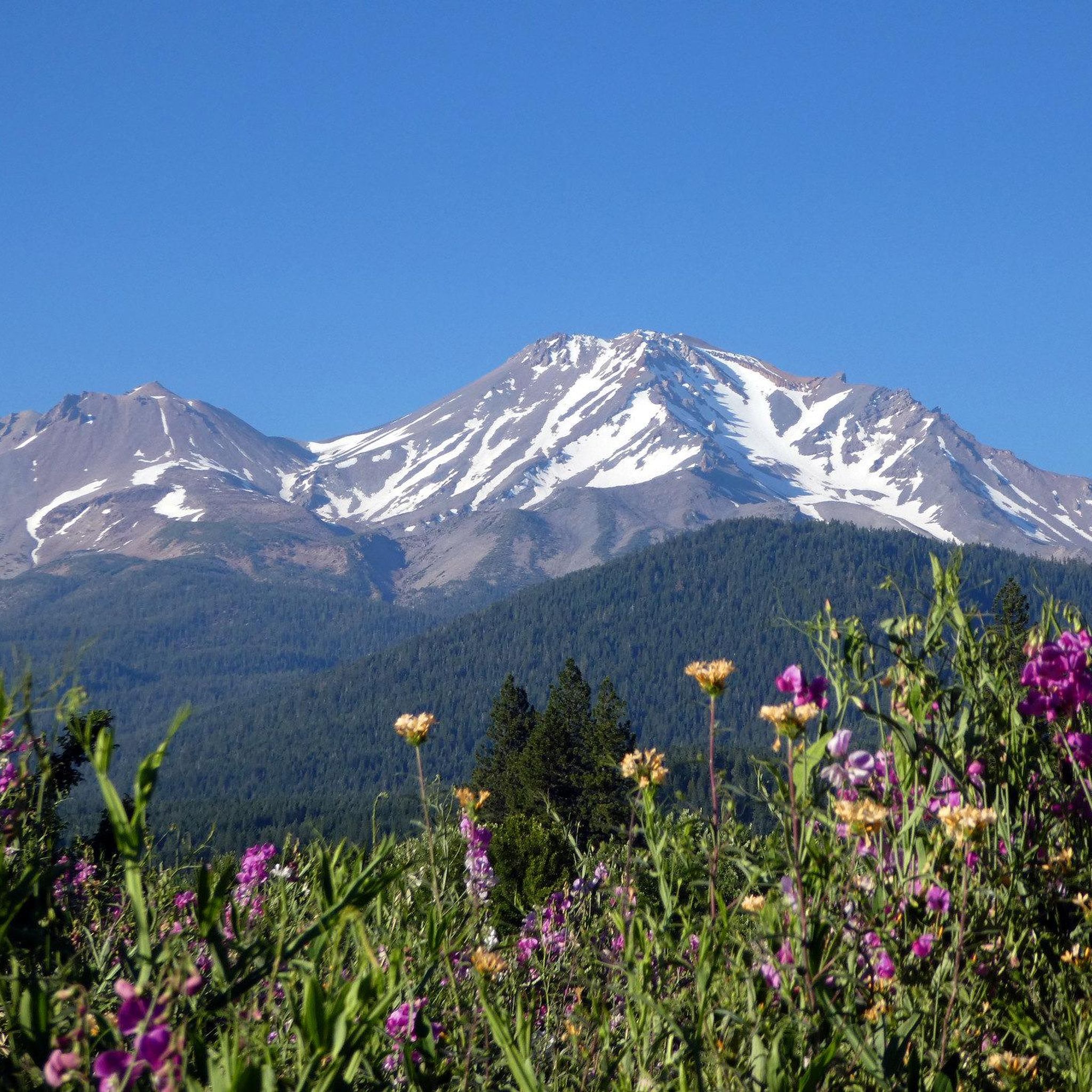
Best natural monuments around Mount Shasta include a prominent stratovolcano, designated a National Natural Landmark. This region features diverse landscapes shaped by volcanic activity and glaciation, offering a range of geological wonders. Mount Shasta itself is the second-highest peak in the Cascade Range, known for its volcanic cones and glaciers. The area also encompasses numerous waterfalls, alpine lakes, and granite spires, providing varied natural features for exploration.
Best natural monuments around Mount Shasta
- The most popular natural monuments is Avalanche…
Last updated: April 26, 2026
Black Butte Summit
Highlight • Summit
Tip by

Olberman's Causeway - Mt Shasta
Highlight • Trail
Tip by

Sign up now to discover places like this
Get recommendations on the best single tracks, peaks, & plenty of other exciting outdoor places.
Sign up for free
Avalanche Gulch 🌋 Mt Shasta
Highlight • Climb
Tip by
Faery Falls
Highlight • Waterfall
Tip by

Olberman Causeway
Highlight (Segment) • Trail
Tip by
Sign up for free to discover even more natural monuments around Mount Shasta.
Sign up for free
Already have an account?
Start today with a free account
Your next adventure awaits.
Login or Signup




Tips from the Community

The Faery Falls is a beautiful waterfall that cascades into a large pool, surrounded by lush forest and moss-covered cliffs. You reach this waterfall via a short, easy hike through the forest past the ruins of an old retreat center, Ney Springs Resort, which used the water for healing sickness in the 19th and early 20th centuries. Once you reach a fork in the trail you can take the left branch to get to the base of the falls or the right one to get to a nice overlook of the canyon. This is a must visit if in the area.
0
0

Though it might pale in comparison to Mount Shasta's grandeur, Black Butte is still a prominent landmark in southern Siskiyou County and it definitely captivates drivers with its conical shape as they approach it on Interstate 5. Hiking it to the top will allow you to get acquainted with its particular surface formed from viscous lava and it will also unveil the well-kept secret of its lush northern valley.
1
0

A long section of the trail from the Sierra Club hut up into Avalanche Gulch is nicely built like a causeway between lines of rock, carefully arranged over may years by the former guardian living at the Sierra Club hut at Horse Camp. It is snow free by summer, but at that time Avalanche gulch is usually avoided due to frequent dangerous loose rock fall. It is safer when the snow holds down the rocks. Bring crampons, and something like a plastic bag to sit on for glissading downhill on the return ;-)
1
0
Olberman's Causeway is a path built over many years by the guard living at the Sierra Club's Horse Camp Hut; it leads up Avalanche Gulch to the standard route to climb Mt Shasta. It is typically not visible under the snow in spring/early summer when it is safer to climb as long as snow holds the loose rocks in place that pose a severe rock fall danger (helmets are essential here). Most people camp around 10000 feet at Lake Helen on Day 1 and summit the next morning. For a winter route climbing from Horse Camp via Casaval Ridge and descending via Avalanche Gulch see: https://www.komoot.de/tour/9090975
0
0
Avalanche Gulch is the standard route to climb Mt Shasta, typically done in spring/early summer as long as snow holds the loose rocks in place that pose a severe rock fall danger (helmets are essential here). Most people camp around 10000 feet at Lake Helen on Day 1 and summit the next morning. For a winter route climbing from Horse Camp via Casaval Ridge and descending via Avalanche Gulch see: https://www.komoot.com/tour/9090975
0
0
Frequently Asked Questions
What are some of the most prominent natural monuments to explore around Mount Shasta?
The region is dominated by Mount Shasta itself, a National Natural Landmark. Other significant natural monuments include the volcanic cone of Black Butte Summit, offering unique views, and the challenging climbing route of Avalanche Gulch on Mount Shasta.
Are there any spectacular waterfalls to visit in the Mount Shasta area?
Yes, the area is rich with waterfalls. The McCloud River Falls (Lower, Middle, and Upper) are easily accessible via a trail. Burney Falls, though a bit further, is renowned for its consistent flow from underground springs. You can also find the beautiful Faery Falls, reachable by a short hike, and Hedge Creek Falls, where you can walk behind the cascade.
What kind of lakes can I find near Mount Shasta for recreation?
The region offers several stunning lakes. Castle Lake is a glacial lake perfect for fishing, swimming, and paddleboarding, with views of Castle Crags. Above it, Heart Lake provides breathtaking vistas of Mount Shasta. Lake Siskiyou, a reservoir close to Mount Shasta, is popular for boating and has a multi-use trail around it. Medicine Lake, located in an ancient volcano's caldera, holds spiritual significance.
What geological features, besides the volcano, are notable in the Mount Shasta region?
Beyond Mount Shasta's volcanic cones and glaciers, the region features the majestic granite spires of Castle Crags State Park. Another significant geological wonder is the Lake Shasta Caverns National Natural Landmark, known for its extensive formations of stalagmites and stalactites within Permian limestone.
What is the best time of year to visit the natural monuments around Mount Shasta?
The best time largely depends on your desired activity. Spring and early summer are ideal for climbing Mount Shasta's higher elevations, like Avalanche Gulch, when snow helps stabilize loose rocks. Summer is perfect for enjoying the lakes and waterfalls, with warmer temperatures for swimming. Fall offers beautiful foliage, while winter provides opportunities for snow sports, though some areas may be less accessible.
Are there family-friendly natural monuments or activities in the area?
Yes, many natural monuments are suitable for families. The trail connecting the McCloud River Falls is easy to moderate, and Lower Falls is popular for swimming. Burney Falls has a short, accessible loop trail with multiple viewpoints. Faery Falls is reached via an easy hike, and Lake Siskiyou offers paddling, swimming, and a multi-use trail for all ages.
What kind of hiking trails can I find near these natural monuments?
You'll find a wide range of hiking trails. For challenging climbs, routes like Avalanche Gulch and Olberman's Causeway lead up Mount Shasta. For easier options, consider trails around Lake Siskiyou or the paths to various waterfalls like Faery Falls. You can find more options in the Hiking around Mount Shasta guide.
Are there any easy hiking routes to natural monuments for beginners?
Absolutely. For beginners, the short trail to Hedge Creek Falls allows you to walk behind the waterfall. The path to Faery Falls is also considered easy. The McCloud River Falls Trail offers an easy to moderate walk between the three cascades. You can explore more easy options in the Easy hikes around Mount Shasta guide.
What outdoor activities, besides hiking, are available near Mount Shasta's natural monuments?
Beyond hiking, the area offers diverse outdoor activities. Castle Lake and Lake Siskiyou are popular for swimming, fishing, paddleboarding, and kayaking. In winter, Castle Lake can be used for ice skating. Mountain biking is also popular, with trails like those mentioned in the MTB Trails around Mount Shasta guide.
What makes Black Butte Summit a unique natural monument?
Black Butte Summit is a prominent conical landmark formed from viscous lava. Hiking to its top allows you to experience its unique surface and discover its lush northern valley, offering a different geological perspective compared to Mount Shasta's main peak.
Can I walk behind any of the waterfalls in the Mount Shasta area?
Yes, Hedge Creek Falls, located near Dunsmuir, offers the unique experience of walking behind the 30-foot cascade due to natural erosion of the cliffs. Its accessibility makes it a popular and memorable stop.
What is the significance of Olberman's Causeway on Mount Shasta?
Olberman's Causeway is a path built over many years leading up Avalanche Gulch, the standard route to climb Mount Shasta. It's a testament to dedicated trail work and is typically used in spring/early summer when snow covers loose rocks, making the ascent safer.
Most popular attractions around Mount Shasta

Get inspired with the komoot mobile app


Explore more
Extend your search for the best caves by checking out these guides of the top ones around Mount Shasta:
